Lucas Bennett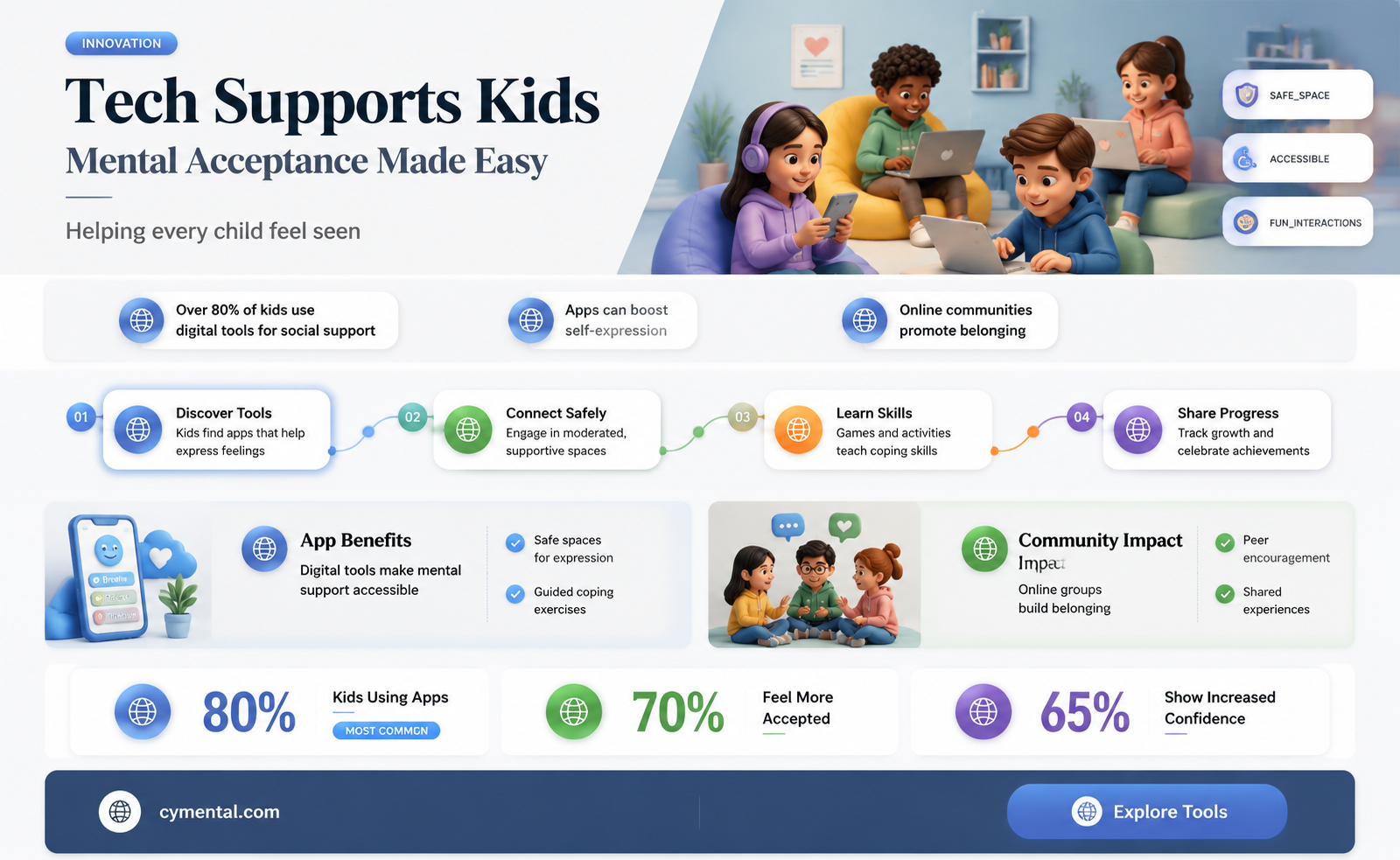
Technology has become an integral part of modern life, and its impact on children’s mental health is a topic of growing interest. For many kids, technology serves as a bridge to connection, offering platforms where they can express themselves, find communities that share their interests, and feel accepted in ways they might not in traditional social settings. Social media, online forums, and gaming communities can provide safe spaces for those who struggle with anxiety, depression, or feelings of isolation, allowing them to build relationships and gain emotional support. However, the relationship between technology and mental well-being is complex, as excessive screen time, cyberbullying, and unrealistic comparisons can also exacerbate feelings of inadequacy or loneliness. Thus, while technology has the potential to help kids feel accepted, its role must be carefully balanced to ensure positive outcomes.
| Characteristics | Values |
|---|---|
| Access to Support Networks | Technology provides platforms (social media, forums, apps) where kids can connect with peers facing similar mental health challenges, fostering a sense of belonging. |
| Anonymity and Reduced Stigma | Online spaces allow kids to seek help or share feelings anonymously, reducing fear of judgment or stigma associated with mental health issues. |
| Personalized Mental Health Tools | Apps and websites offer tailored resources like meditation guides, mood trackers, and therapy chatbots, empowering kids to manage their mental health. |
| Educational Resources | Online platforms provide accessible information about mental health, helping kids understand their experiences and feel less alone. |
| Creative Expression | Digital tools (e.g., art apps, blogging platforms) enable kids to express emotions creatively, which can be therapeutic and validating. |
| Instant Communication | Messaging and video calls allow kids to reach out to trusted adults or friends quickly during moments of distress. |
| Virtual Communities | Online groups and communities centered around mental health create safe spaces for kids to share experiences and receive encouragement. |
| Gamification of Therapy | Mental health apps often use gamified elements to make therapy more engaging and less intimidating for kids. |
| AI-Powered Support | AI chatbots provide 24/7 emotional support, offering immediate assistance when human help is unavailable. |
| Potential Risks | Overuse of technology or exposure to cyberbullying can exacerbate mental health issues, highlighting the need for balanced use. |
Explore related products


What You'll Learn
- Online Communities: Safe spaces for kids to connect with peers facing similar mental health challenges
- Educational Apps: Tools that teach coping skills and emotional regulation in an engaging way
- Social Media Impact: Balancing positive connections with potential risks of comparison and cyberbullying
- Teletherapy Access: Technology enabling kids to access mental health professionals remotely and conveniently
- Gamified Therapy: Interactive games designed to reduce anxiety, stress, and improve mood

Online Communities: Safe spaces for kids to connect with peers facing similar mental health challenges
For children grappling with mental health challenges, the isolating belief that "no one understands me" can deepen their struggles. Online communities specifically designed for this demographic offer a counterpoint: a digital sanctuary where shared experiences foster acceptance and connection. These platforms, moderated by mental health professionals or trained volunteers, provide a rare space where vulnerability is met with empathy, not judgment. Unlike general social media, where curated perfection often reigns, these communities prioritize authenticity, allowing kids to express their raw emotions without fear of ridicule.
Consider the case of 14-year-old Mia, who, after a diagnosis of anxiety, felt alienated from her peers. In an online forum for teens with anxiety, she discovered others who understood her panic attacks and intrusive thoughts. "It’s like finding your tribe," she explains. "They get it in a way my friends or even my family can’t." Research supports Mia’s experience: a 2021 study published in *JMIR Mental Health* found that adolescents who engaged in moderated mental health forums reported significant reductions in feelings of loneliness and increased self-esteem over a 12-week period. The key lies in the structure of these communities—anonymity reduces stigma, while moderation ensures safety, creating an environment where trust can flourish.
However, not all online spaces are created equal. Parents and caregivers must vet these platforms carefully. Look for communities affiliated with reputable mental health organizations, such as the Child Mind Institute or TeenMentalHealth.org, which offer age-appropriate forums for kids as young as 10. Avoid unmoderated groups, where misinformation or cyberbullying can exacerbate vulnerabilities. Additionally, set boundaries: limit daily usage to 30–45 minutes to prevent over-reliance on digital interactions, and encourage offline activities to balance virtual support with real-world connections.
The persuasive power of these communities lies in their ability to normalize mental health struggles. For instance, a 16-year-old named Jake credits a gaming-focused mental health Discord server for helping him manage his depression. "We talk about games, but also about how we’re feeling," he says. "It’s not therapy, but it’s therapeutic." This blend of shared interests and emotional support makes these spaces uniquely effective. By combining peer connection with professional oversight, online communities can serve as a vital bridge for kids who feel unseen, offering them a sense of belonging in a world that often feels indifferent.
In conclusion, while technology’s role in mental health is complex, online communities tailored for kids with mental health challenges represent a promising tool. They transform isolation into solidarity, offering a safe harbor where young people can be themselves, share their burdens, and find acceptance. With careful selection and mindful usage, these digital spaces can complement traditional support systems, providing a lifeline for those who need it most.
Christian Counseling: A Path to Mental Health Healing?
You may want to see also
Explore related products


Educational Apps: Tools that teach coping skills and emotional regulation in an engaging way
Educational apps designed to teach coping skills and emotional regulation are revolutionizing how children manage their mental health. Unlike traditional therapy, which can feel intimidating or inaccessible, these apps offer interactive, gamified experiences that resonate with younger users. For instance, apps like *Breathe, Think, Do with Sesame* (ages 3–5) use familiar characters to guide children through calming techniques, while *Stop, Breathe & Think Kids* (ages 5–10) incorporates mindfulness exercises tailored to their attention spans. These tools not only teach skills but also normalize emotional expression, making children feel understood and supported.
Consider the mechanics of these apps: they often employ reward systems, progress tracking, and personalized feedback to keep users engaged. For example, *SuperBetter* (ages 8+) frames emotional resilience as a game, where completing coping activities earns points and unlocks achievements. This gamification taps into children’s natural desire for play, turning abstract concepts like "emotional regulation" into tangible, achievable goals. Research suggests that such engagement can lead to better retention of skills, as children are more likely to practice techniques they find enjoyable.
However, not all apps are created equal. Parents and educators must vet these tools for age-appropriateness, scientific backing, and privacy safeguards. Apps like *MoodMeter* (ages 7+) excel by combining simplicity with evidence-based strategies, allowing children to track their emotions and learn patterns over time. Conversely, apps with excessive ads or data-sharing practices can undermine trust and safety. A practical tip: look for apps endorsed by mental health professionals or organizations like the American Psychological Association.
The real power of these apps lies in their ability to bridge gaps in mental health care. For children in underserved communities or those hesitant to seek help, these tools provide a low-stakes entry point. Apps like *Smiling Mind* (ages 7+) offer free, school-friendly programs that can be integrated into daily routines, fostering a culture of emotional awareness. While they aren’t a substitute for therapy, they serve as valuable supplements, empowering children with skills they can use anytime, anywhere.
Incorporating these apps into a child’s routine requires intentionality. Start with short, consistent sessions—5–10 minutes daily—and pair them with real-world conversations about emotions. For example, after using *Calm Kids* (ages 4+), discuss what they learned and how they might apply it to a recent situation. Over time, this combination of digital practice and human connection can help children feel more in control of their emotions, fostering a sense of acceptance and self-worth.
Boxing's Impact: Boosting Mental Health and Emotional Resilience
You may want to see also
Explore related products


Social Media Impact: Balancing positive connections with potential risks of comparison and cyberbullying
Social media platforms have become virtual playgrounds for children and teenagers, offering a space to connect, create, and express themselves. While these digital environments can foster a sense of belonging, they also present a unique challenge: navigating the fine line between positive social interaction and the pitfalls of online behavior. The impact of social media on young minds is a double-edged sword, requiring careful consideration and guidance.
The Power of Connection:
For many young individuals, social media provides a much-needed outlet for self-expression and community building. Online platforms allow them to connect with peers who share similar interests, passions, or experiences, especially those who might feel isolated in their physical surroundings. For example, a teenager struggling with social anxiety may find it easier to initiate conversations and form friendships through direct messages or shared online activities. This sense of acceptance and understanding can significantly boost self-esteem and provide a support system during crucial developmental years. Research suggests that positive online interactions can lead to increased empathy and social skills, particularly when youth engage in collaborative projects or support networks.
Comparisons and the Highlight Reel:
However, the curated nature of social media profiles often leads to a distorted view of reality. Users, especially impressionable youth, may fall into the trap of comparing their behind-the-scenes to someone else's highlight reel. This constant comparison can fuel feelings of inadequacy and low self-worth. A study by the Royal Society for Public Health found that social media usage is linked to increased levels of anxiety and depression in young people, with 'fear of missing out' (FOMO) and cyberbullying being significant contributors. The pressure to present a perfect online image can be overwhelming, leading to a negative body image, disordered eating, or even self-harm. For instance, a young girl might feel compelled to alter her appearance or behavior to mimic influencers, potentially disregarding her unique identity.
Cyberbullying: A Modern Menace:
The anonymity and distance provided by screens can embolden bullies, making cyberbullying a pervasive issue. Unlike traditional bullying, online harassment can invade a child's safe space, following them home through their devices. This form of bullying knows no bounds, with hurtful comments, rumors, or embarrassing content spreading rapidly. The impact can be devastating, leading to severe mental health issues, including depression, anxiety, and, in extreme cases, suicidal ideation. A 2020 survey by the Cyberbullying Research Center revealed that 37% of middle and high school students reported being cyberbullied, highlighting the urgency of addressing this issue.
Striking a Balance:
To harness the benefits of social media while mitigating its risks, a multi-faceted approach is necessary. Firstly, education is key. Teaching digital literacy and empathy should be integrated into school curricula, helping students understand the impact of their online actions and recognize the signs of cyberbullying. Parents and caregivers play a vital role in monitoring and guiding children's online activities, especially for younger age groups. Setting time limits and encouraging open conversations about online experiences can create a healthy relationship with technology. Additionally, social media platforms must take responsibility by implementing stricter policies against cyberbullying and promoting positive content. Features like anonymous reporting, comment filters, and mental health resources can contribute to a safer online environment.
In conclusion, social media's influence on children's mental health and sense of acceptance is complex. By recognizing both its potential for connection and its pitfalls, we can empower young users to navigate these digital spaces healthily and positively. It is through a combination of awareness, education, and platform accountability that we can ensure technology serves as a tool for acceptance and support rather than a source of harm.
Self-Control and Mental Health: A Powerful Tool for Disorder Management
You may want to see also
Explore related products



Teletherapy Access: Technology enabling kids to access mental health professionals remotely and conveniently
Teletherapy has emerged as a transformative tool for children struggling with mental health issues, offering a lifeline to those who might otherwise face barriers to care. By leveraging technology, kids can now connect with licensed therapists from the comfort of their homes, eliminating the need for lengthy commutes or time-consuming appointments. This accessibility is particularly crucial for families in rural areas, where mental health resources are often scarce, or for those with busy schedules that make in-person visits challenging. For instance, a 2021 study published in the *Journal of Child and Family Studies* found that teletherapy significantly reduced wait times for children seeking mental health services, with some participants reporting access to care within days rather than weeks.
Consider the case of a 12-year-old in a small town with no local child psychologists. Before teletherapy, their options were limited to traveling hours to the nearest city or going without treatment. Now, with a stable internet connection and a device, they can engage in weekly sessions with a specialist who understands their unique needs. This convenience not only ensures consistent care but also reduces the stigma often associated with visiting a therapist’s office. Parents can also benefit, as they no longer need to take extended time off work or arrange transportation, making mental health support more feasible for the entire family.
However, implementing teletherapy for children isn’t without its challenges. Younger kids, particularly those under 10, may struggle to engage fully in virtual sessions, requiring therapists to adapt their techniques to maintain focus. For example, incorporating interactive tools like digital games or visual aids can help keep younger clients engaged. Additionally, ensuring privacy during sessions can be tricky, especially in shared living spaces. Parents can address this by creating a quiet, confidential area for their child’s sessions, even if it’s just a corner of a room with a privacy screen.
Despite these hurdles, the benefits of teletherapy for children’s mental health are undeniable. A 2022 report from the American Psychological Association highlighted that adolescents who participated in teletherapy reported feeling more comfortable opening up about their struggles compared to in-person sessions. This increased comfort level can lead to more effective therapy outcomes, as trust and openness are critical components of the therapeutic process. Moreover, teletherapy platforms often offer flexible scheduling, allowing kids to attend sessions during less stressful times, such as after school or on weekends.
To maximize the effectiveness of teletherapy for children, caregivers should take proactive steps. First, ensure the child has a reliable device and internet connection to avoid disruptions. Second, prepare the child for what to expect by explaining the process in age-appropriate terms. For younger kids, this might involve role-playing a session, while teens may benefit from a straightforward discussion about the goals of therapy. Finally, monitor the child’s progress and communicate any concerns with the therapist, as collaboration between caregivers and professionals is key to success. With these strategies in place, teletherapy can become a powerful tool in helping kids feel accepted, understood, and supported in their mental health journey.
Fasting for Focus: Enhancing Mental Clarity Through Intermittent Fasting
You may want to see also
Explore related products

$6.69 $15.99




Gamified Therapy: Interactive games designed to reduce anxiety, stress, and improve mood
Children struggling with anxiety often find traditional therapy intimidating or ineffective. Gamified therapy offers a novel solution by embedding therapeutic techniques within interactive games, making mental health support more accessible and engaging. For instance, apps like *SuperBetter* and *Headspace Kids* use gamified elements like avatars, rewards, and challenges to teach mindfulness and coping strategies. These tools are particularly effective for children aged 8–12, who respond well to visual and interactive learning. Studies show that regular use—15–20 minutes daily—can significantly reduce anxiety symptoms over 4–6 weeks.
Designing gamified therapy requires careful consideration of both psychological principles and user experience. Developers must balance fun with functionality, ensuring the game’s mechanics align with evidence-based practices like cognitive-behavioral therapy (CBT) or dialectical behavior therapy (DBT). For example, *Mightier*, a biofeedback game, pairs gameplay with heart rate monitoring to teach emotional regulation. Parents and therapists can track progress through dashboards, allowing for personalized adjustments. However, over-reliance on technology risks replacing human connection, so these tools should complement, not replace, traditional therapy.
One of the most compelling aspects of gamified therapy is its ability to normalize mental health conversations. Games like *Sparx* and *Journey of the Wild Divine* present mental health challenges as solvable quests, reducing stigma and empowering children to take control of their emotions. This approach is particularly impactful for adolescents, who often resist seeking help due to fear of judgment. By framing therapy as a game, these tools create a safe space for self-expression and skill-building, fostering a sense of acceptance and competence.
Despite its promise, gamified therapy is not a one-size-fits-all solution. Younger children (ages 5–7) may struggle with complex gameplay, while teenagers might find some designs too simplistic. Additionally, cost and accessibility remain barriers, as many effective apps require subscriptions or specialized hardware. To maximize benefits, caregivers should select games tailored to the child’s age, interests, and specific needs, and monitor usage to prevent over-reliance. When used thoughtfully, gamified therapy can be a powerful tool in helping children feel understood, supported, and accepted in their mental health journey.
Sleep's Healing Power: Boosting Mental Health and Emotional Well-Being
You may want to see also
Frequently asked questions
Yes, technology can help kids with mental health issues feel more accepted by providing access to supportive online communities, mental health resources, and platforms where they can connect with others who share similar experiences.
Social media can have both positive and negative impacts. While it may expose kids to judgment or cyberbullying, it also offers spaces for self-expression, peer support, and access to mental health advocacy groups, fostering a sense of belonging.
No, technology cannot fully replace in-person interactions, but it can complement them by providing additional support, especially for kids who may feel isolated or have difficulty accessing face-to-face resources.
Tech tools like mental health apps (e.g., Calm, Headspace), online support groups, and inclusive social platforms (e.g., Reddit, Discord) can help kids feel accepted by offering safe spaces for connection and self-expression.