Caleb Wright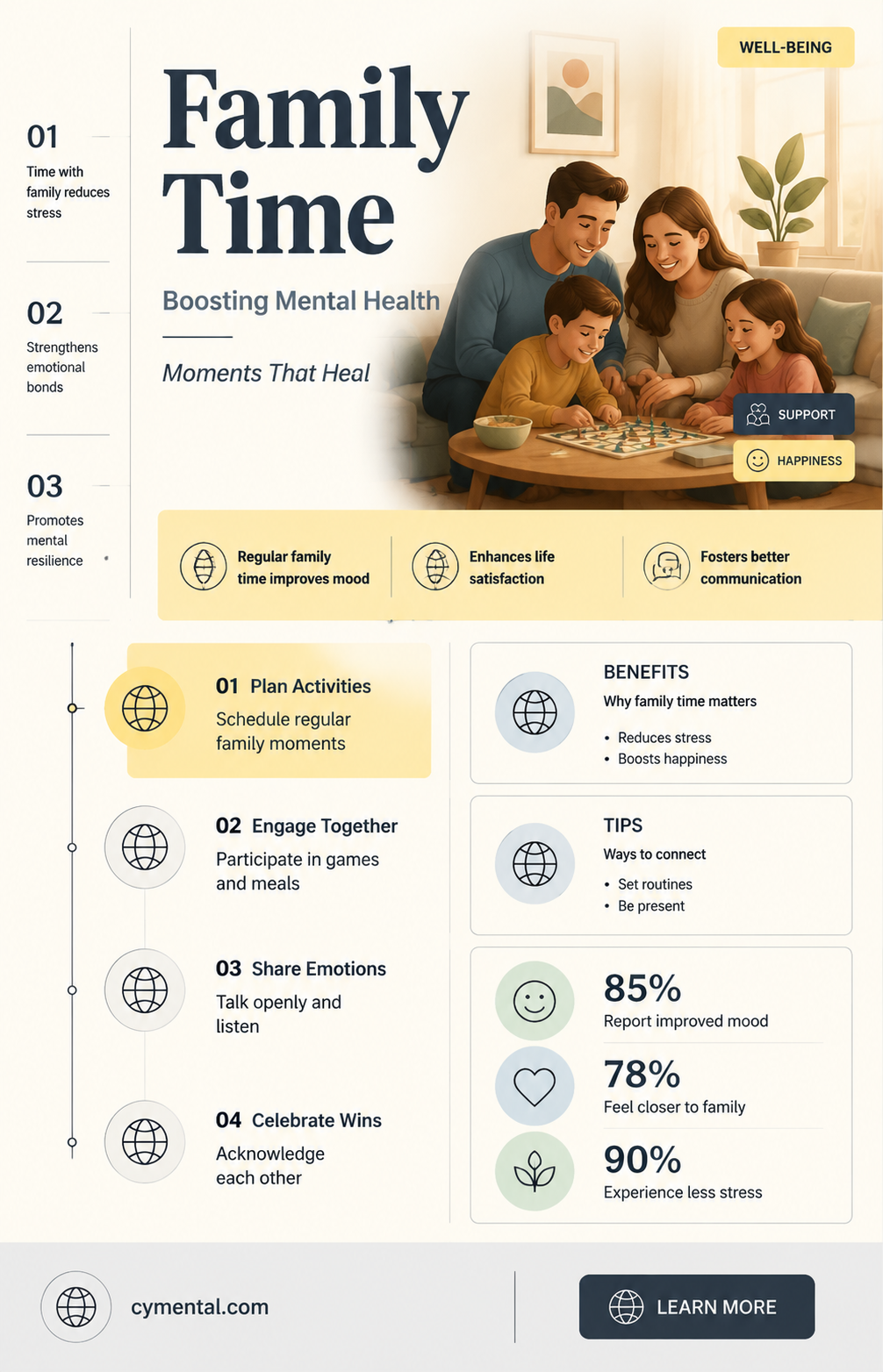
Spending time with family can significantly impact mental health, offering a sense of belonging, emotional support, and stability. Family interactions often provide a safe space for individuals to express their feelings, share experiences, and receive encouragement, which can reduce stress, anxiety, and feelings of loneliness. Strong family bonds foster resilience, as loved ones can offer practical help and perspective during challenging times. Additionally, positive family relationships contribute to improved self-esteem and overall well-being, as they reinforce a person’s sense of identity and worth. However, the quality of these interactions matters; supportive and nurturing family environments are key, as strained or toxic relationships can have the opposite effect. Research consistently highlights that meaningful family time, whether through shared activities, open communication, or simply being present, plays a vital role in promoting mental health and emotional balance.
| Characteristics | Values |
|---|---|
| Reduces Stress and Anxiety | Spending quality time with family can lower cortisol levels, promote relaxation, and provide emotional support, reducing feelings of stress and anxiety. |
| Boosts Mood and Happiness | Family interactions release oxytocin, a hormone associated with bonding and happiness, leading to improved mood and overall well-being. |
| Provides Emotional Support | Family members offer a sense of belonging, understanding, and validation, which can help individuals cope with emotional challenges. |
| Enhances Self-Esteem | Positive family interactions and affirmations can boost self-worth and confidence, contributing to better mental health. |
| Reduces Feelings of Loneliness | Regular family time combats social isolation, a significant risk factor for mental health issues like depression. |
| Improves Coping Mechanisms | Family support can provide healthy coping strategies and resilience, helping individuals navigate life’s stressors more effectively. |
| Encourages Healthy Behaviors | Families often promote healthy habits, such as regular meals, physical activity, and adequate sleep, which positively impact mental health. |
| Strengthens Social Skills | Family interactions foster communication, empathy, and conflict resolution skills, benefiting overall mental and social well-being. |
| Reduces Risk of Depression | Strong family bonds are associated with a lower risk of depression, as they provide a buffer against negative life events. |
| Promotes Sense of Purpose | Family roles and responsibilities can give individuals a sense of purpose and meaning, which is crucial for mental health. |
| Supports Children’s Development | For children, family time is essential for emotional, cognitive, and social development, laying the foundation for lifelong mental health. |
| Encourages Open Communication | Families that spend time together often foster open dialogue, reducing stigma around mental health and encouraging seeking help when needed. |
| Buffers Against Trauma | Family support can mitigate the psychological impact of traumatic events, providing stability and security. |
| Improves Sleep Quality | Reduced stress and increased emotional security from family time can lead to better sleep patterns, which are vital for mental health. |
| Long-Term Mental Health Benefits | Consistent family time is linked to better mental health outcomes in the long term, including reduced risk of chronic mental health conditions. |
Explore related products


What You'll Learn

Family support reduces stress and anxiety
Spending quality time with family isn’t just a feel-good activity—it’s a scientifically backed strategy for reducing stress and anxiety. Studies show that social support, particularly from family, activates the release of oxytocin, often called the "bonding hormone," which counteracts cortisol, the stress hormone. For instance, a 2019 study published in the *Journal of Family Psychology* found that individuals who reported strong family connections experienced a 20% reduction in perceived stress levels compared to those with weaker ties. This biological response highlights why family time isn’t just enjoyable but essential for mental well-being.
To maximize the stress-reducing benefits of family time, focus on intentional, undistracted interactions. For example, sharing a meal without screens or engaging in a group activity like a board game can foster deeper connections. Research from the *American Psychological Association* suggests that even 30 minutes of uninterrupted family interaction daily can significantly lower anxiety levels, particularly in adolescents and young adults. For parents, modeling calm communication during these moments teaches children healthy coping mechanisms, creating a ripple effect of reduced stress across generations.
Contrast this with the alternative: a lack of family support often correlates with heightened stress and anxiety. A 2020 study in *Social Science & Medicine* revealed that individuals without strong familial bonds were 35% more likely to report chronic stress. This isn’t to say family dynamics are always harmonious, but even small, consistent efforts—like a weekly check-in call or shared hobby—can build resilience. For those in strained relationships, starting with neutral, low-pressure activities (e.g., watching a movie together) can gradually rebuild trust and reduce tension.
Practical tips can make family time more effective in combating stress. For instance, incorporate mindfulness practices like a 5-minute family meditation or gratitude sharing at dinner. For older adults, intergenerational activities such as storytelling or teaching a skill can combat loneliness and anxiety. Families with busy schedules can use technology positively—a group chat for daily check-ins or virtual game nights can maintain connection despite distance. The key is consistency and authenticity, ensuring interactions feel supportive rather than obligatory.
Ultimately, family support acts as a buffer against life’s stressors, offering emotional safety and validation. While it’s not a cure-all, integrating regular, meaningful family time into routines can significantly reduce anxiety and foster resilience. Think of it as a mental health investment: small, consistent deposits of connection yield long-term dividends in well-being. Whether through shared laughter, active listening, or simply being present, family time is a powerful tool in the fight against stress—one that’s accessible, free, and deeply human.
Bilingual Brains: Can Language Learning Aid Mental Health Disorders?
You may want to see also
Explore related products


Quality time boosts emotional well-being and happiness
Spending just 10–20 minutes daily in focused, distraction-free interaction with family members can significantly elevate mood and reduce stress, according to a study published in the *Journal of Family Psychology*. This "quality time" isn't about quantity—it’s about intentional presence. For instance, turning off devices during dinner or engaging in a shared activity like cooking or playing a game creates a sense of connection that fosters emotional well-being. The key is to prioritize depth over duration, making every moment count.
To maximize the benefits, structure quality time around activities that encourage open communication and collaboration. For children aged 6–12, storytelling or drawing together can strengthen emotional bonds, while teenagers may respond better to one-on-one conversations or shared hobbies. Adults, too, benefit from this practice; a 2021 survey by the American Psychological Association found that 75% of adults reported lower stress levels after spending meaningful time with family. The takeaway? Tailor the activity to the age group and interests of those involved for optimal emotional impact.
Critics might argue that not everyone has the luxury of uninterrupted family time, but even small adjustments can make a difference. For busy households, scheduling a weekly "family hour" or incorporating brief check-ins throughout the day can suffice. The goal is consistency, not perfection. For example, a 5-minute morning chat about the day’s plans or a bedtime story routine can build emotional resilience over time. The cumulative effect of these moments is what drives happiness and reduces feelings of isolation.
From a neurological perspective, quality time triggers the release of oxytocin, often called the "love hormone," which promotes feelings of trust and security. This biochemical response is particularly potent during physical touch, laughter, or shared accomplishments. To enhance this effect, incorporate activities that involve physical closeness, like hugs, high-fives, or even a family walk. These actions not only strengthen relationships but also create a buffer against mental health challenges like anxiety and depression.
Incorporating quality time into daily life doesn’t require grand gestures—it’s about mindfulness and intention. Start by identifying one daily routine that can be transformed into a bonding opportunity, such as turning breakfast into a tech-free zone or designating Friday nights as game nights. Over time, these habits become rituals that anchor emotional well-being. Remember, the goal isn’t to create picture-perfect moments but to cultivate a sense of belonging and joy through consistent, meaningful interaction.
Recognizing Signs Your Child May Need Mental Health Support
You may want to see also
Explore related products

$31.33 $32.99


$39.95 $59.99


Strong bonds foster resilience against mental health challenges
Spending quality time with family isn’t just about creating memories—it’s a cornerstone of mental resilience. Research consistently shows that strong familial bonds act as a buffer against stress, anxiety, and depression. When individuals feel deeply connected to their family, they are more likely to navigate life’s challenges with confidence and emotional stability. This isn’t merely anecdotal; studies, such as those published in the *Journal of Family Psychology*, highlight that individuals with robust family support systems exhibit lower levels of cortisol, the stress hormone, during difficult times.
To build this resilience, focus on intentional interactions rather than passive time together. For instance, sharing meals without screens, engaging in joint problem-solving activities, or simply having open conversations about feelings can strengthen emotional ties. For children and adolescents, consistent family rituals—like weekly game nights or reading together—have been shown to improve emotional regulation and reduce symptoms of anxiety. Adults, too, benefit from these practices, as they foster a sense of belonging and security that counteracts the isolating effects of mental health struggles.
However, fostering resilience through family bonds requires effort and awareness. Not all families naturally provide this support, and strained relationships can sometimes exacerbate stress. In such cases, setting boundaries while maintaining connection is key. For example, if a family member’s behavior triggers anxiety, establish clear communication about what you need from them. Seeking external support, such as family therapy, can also rebuild trust and strengthen bonds. The goal isn’t perfection but consistency in showing up for one another.
Practical steps include scheduling regular check-ins, even if brief, to maintain emotional connection. For families separated by distance, video calls or shared digital activities can bridge the gap. Parents should model vulnerability by sharing their own struggles, which teaches children that it’s safe to express their emotions. For older adults, involving them in family decisions or traditions reinforces their value within the unit, combating feelings of loneliness or irrelevance.
Ultimately, strong family bonds don’t eliminate mental health challenges, but they provide a foundation to withstand them. By prioritizing quality interactions, addressing relationship barriers, and adapting to each family member’s needs, these bonds become a powerful tool for resilience. Whether you’re a parent, child, or caregiver, investing in these relationships isn’t just an act of love—it’s a proactive step toward mental well-being.
HRT and Mental Health: Exploring Hormone Therapy's Impact on Well-Being
You may want to see also
Explore related products





Shared activities enhance mood and reduce loneliness
Engaging in shared activities with family members isn’t just a way to pass time—it’s a scientifically backed strategy to boost mood and combat loneliness. Studies show that participating in collaborative tasks, such as cooking a meal together or playing a board game, triggers the release of oxytocin, often called the "bonding hormone," which fosters feelings of trust and happiness. For instance, a 2018 study published in *The Journal of Social Psychology* found that individuals who engaged in joint activities with family reported significantly higher levels of positive emotions compared to those who spent time alone. The key lies in the combination of social connection and purposeful action, which creates a sense of belonging and accomplishment.
To maximize the mental health benefits, aim for at least two shared activities per week, each lasting 30–60 minutes. Consistency matters more than duration; shorter, regular interactions are more effective than infrequent, lengthy ones. For families with children, age-appropriate activities like storytelling or outdoor games can strengthen bonds while catering to developmental needs. For older adults, low-impact activities such as gardening or puzzle-solving can reduce feelings of isolation while promoting cognitive health. The goal is to create a routine that feels natural and enjoyable, not forced.
One practical tip is to align activities with shared interests or goals. For example, if family members enjoy music, consider a weekly sing-along or instrument practice session. If fitness is a priority, a group walk or yoga session can double as quality time. Even mundane tasks, like folding laundry or washing dishes, can become bonding opportunities when done together with conversation or music in the background. The key is to focus on the interaction rather than the outcome, allowing the process to foster connection and positivity.
However, it’s important to avoid overloading the schedule or forcing participation, as this can lead to stress rather than relief. Start small, with one activity per week, and gradually increase frequency as comfort levels grow. For families with busy schedules, combining activities with daily routines—such as cooking dinner together or discussing a book during breakfast—can make shared time more feasible. Remember, the quality of engagement matters more than the activity itself.
In conclusion, shared activities are a powerful tool for enhancing mood and reducing loneliness within families. By incorporating purposeful, enjoyable interactions into regular routines, individuals can reap the emotional and psychological benefits of connection. Whether through creative projects, physical activities, or everyday tasks, the act of doing something together fosters a sense of unity and well-being that extends far beyond the moment itself. Start small, stay consistent, and watch as shared activities become a cornerstone of mental health and family harmony.
Finding Support: Where to Get Mental Health Help and Resources
You may want to see also
Explore related products


Family connection promotes a sense of belonging and purpose
Human beings are inherently social creatures, and our need for connection is as vital as our need for food and shelter. Family, as the primary social unit, plays a pivotal role in fulfilling this need. Research consistently shows that strong family connections foster a profound sense of belonging, a feeling of being accepted, valued, and understood within a group. This sense of belonging is not merely a pleasant emotion; it is a cornerstone of mental well-being. Studies have found that individuals with strong family ties report higher levels of self-esteem, resilience, and overall life satisfaction.
When we feel connected to our family, we are more likely to view ourselves as worthy and capable, which in turn bolsters our ability to cope with stress and adversity.
Consider the example of a teenager navigating the turbulent waters of adolescence. During this period of self-discovery and identity formation, family support can be a lifeline. Regular family dinners, shared activities, and open communication provide a safe haven where the teenager can express themselves without fear of judgment. This consistent connection fosters a sense of belonging to a larger unit, buffering against feelings of isolation and promoting a positive self-image. Research suggests that adolescents who perceive their families as supportive and cohesive are less likely to engage in risky behaviors and exhibit lower rates of depression and anxiety.
A simple yet powerful strategy for fostering this connection is to establish a weekly "family night" dedicated to shared activities, free from distractions like screens.
The benefits of family connection extend beyond childhood and adolescence. For older adults, maintaining strong family ties can combat loneliness and provide a sense of purpose. Grandparents who actively engage with their grandchildren, for example, often report feeling valued and needed, contributing to their overall well-being. Intergenerational activities, such as storytelling, cooking together, or simply sharing daily experiences, strengthen family bonds and create a sense of continuity and meaning.
It's important to note that family connection doesn't necessarily mean constant physical proximity. In today's globalized world, families are often geographically dispersed. However, technology can bridge the gap. Regular video calls, shared online photo albums, and collaborative projects can all contribute to a sense of connection and belonging, even across distances. The key lies in consistent and meaningful interaction, regardless of the medium.
By prioritizing family connection, we invest in our mental health and create a foundation of support that lasts a lifetime.
The Power of Connection: How Group Support Boosts Mental Health
You may want to see also
Frequently asked questions
Yes, spending time with family can significantly improve mental health by reducing stress, providing emotional support, and fostering a sense of belonging and security.
Family time positively impacts mental well-being by encouraging open communication, reducing feelings of loneliness, and creating opportunities for shared laughter and positive experiences, all of which boost mood and resilience.
Yes, spending time with family can help reduce anxiety and depression by offering a supportive environment, promoting relaxation, and providing a distraction from negative thoughts and stressors.