Caleb Wright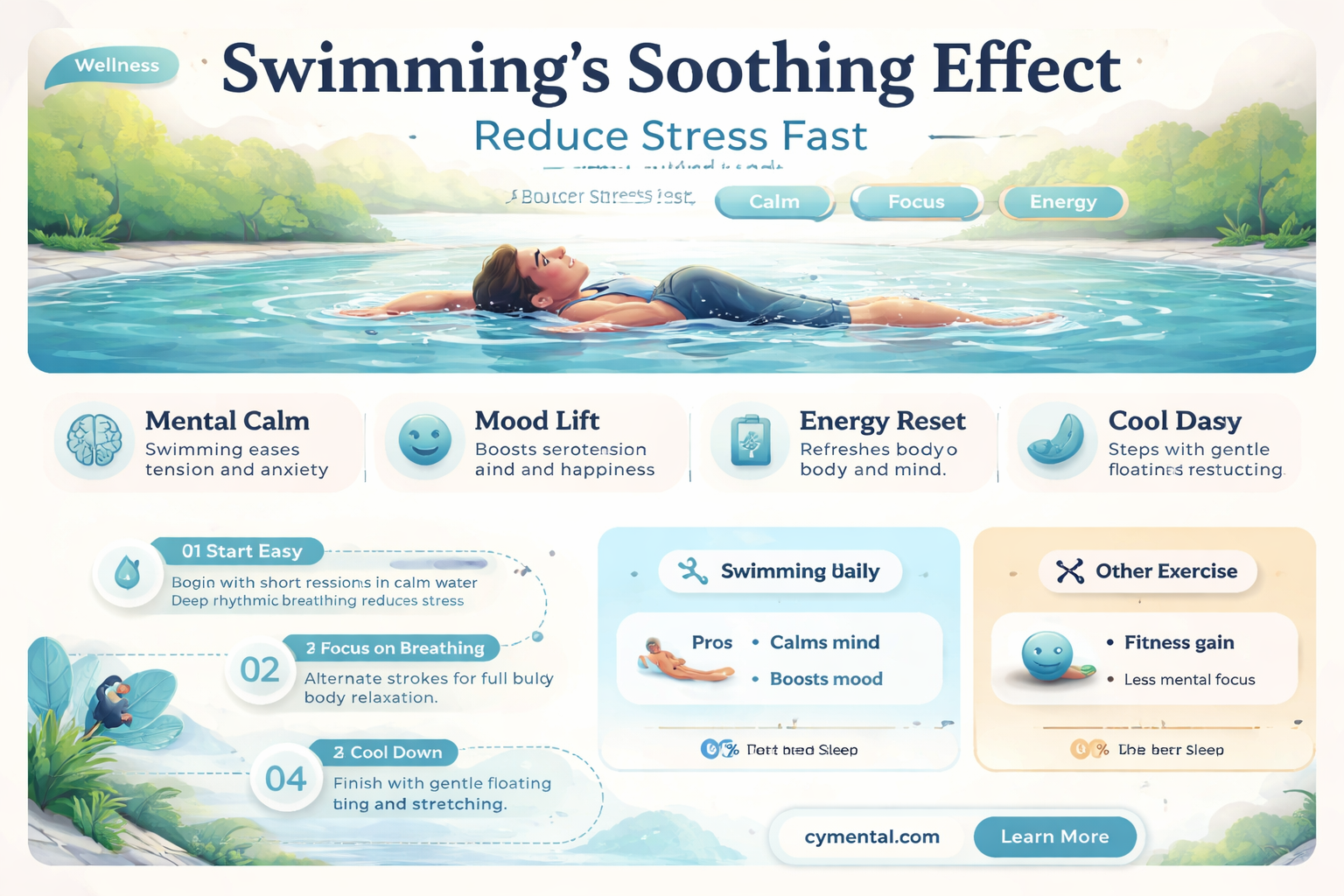
Swimming has long been celebrated for its physical health benefits, but its impact on mental well-being is equally profound. As a low-impact, full-body exercise, swimming not only improves cardiovascular health and strength but also serves as a powerful tool for stress relief and mental health management. The rhythmic, repetitive motions of swimming can induce a meditative state, helping to calm the mind and reduce anxiety. Additionally, the buoyancy of water reduces pressure on the body, creating a soothing environment that promotes relaxation. Studies have shown that swimming can increase the production of endorphins, the body's natural mood lifters, while also lowering levels of stress hormones like cortisol. For those struggling with mental health issues such as depression or PTSD, swimming can provide a sense of structure, accomplishment, and connection, whether through solo laps or group classes. Its accessibility and adaptability make it a versatile option for individuals of all ages and fitness levels, offering a holistic approach to improving both physical and mental health.
| Characteristics | Values |
|---|---|
| Stress Reduction | Swimming triggers the release of endorphins, the body's natural "feel-good" chemicals, which reduce stress and promote relaxation. |
| Anxiety Relief | Regular swimming has been shown to decrease symptoms of anxiety and improve overall mood. |
| Improved Sleep | Physical activity like swimming can improve sleep quality, which is crucial for managing stress and mental health. |
| Mindfulness | The repetitive nature of swimming strokes can induce a meditative state, promoting mindfulness and reducing intrusive thoughts. |
| Social Connection | Joining a swim group or class can provide social interaction and a sense of community, combating loneliness and improving mental well-being. |
| Increased Self-Esteem | Achieving swimming goals and improving skills can boost self-confidence and self-worth. |
| Neuroplasticity | Exercise, including swimming, promotes neuroplasticity, the brain's ability to form new neural connections, which can improve cognitive function and resilience to stress. |
| Reduced Cortisol Levels | Studies suggest swimming can lower cortisol, a stress hormone, leading to a calmer state. |
| Improved Mood | The combination of physical activity, social interaction, and mindfulness in swimming contributes to an overall improved mood. |
| Accessibility | Swimming is a low-impact exercise suitable for people of all ages and fitness levels, making it accessible for many seeking stress relief. |
Explore related products


What You'll Learn

Swimming's Impact on Cortisol Levels
Cortisol, often dubbed the "stress hormone," is a key player in our body's response to pressure, anxiety, and mental strain. Swimming, a full-body exercise, has been shown to significantly influence cortisol levels, offering a natural and effective way to manage stress. Research indicates that moderate-intensity swimming can reduce cortisol concentrations by up to 20% in adults aged 18-65, particularly when sessions last between 30 to 60 minutes. This reduction is not just a short-term effect; consistent swimming routines, such as three to four sessions per week, can lead to sustained lower cortisol levels over time.
To maximize swimming's impact on cortisol, consider the timing and intensity of your sessions. Morning swims, especially in natural light, can help regulate your circadian rhythm, which in turn stabilizes cortisol production throughout the day. For those with high-stress lifestyles, incorporating interval training—alternating between high-intensity laps and slower recovery periods—can be particularly effective. However, avoid overtraining, as excessive exercise can paradoxically elevate cortisol levels. Aim for a balanced approach, listening to your body and adjusting intensity based on how you feel.
Comparing swimming to other forms of exercise, its unique benefits become clear. Unlike high-impact activities like running, swimming is low-impact, reducing the risk of injury while still providing a robust cardiovascular workout. The rhythmic, repetitive nature of swimming strokes also induces a meditative state, further lowering stress. Studies show that individuals who swim regularly report a 30% greater improvement in mood and stress levels compared to those who engage in land-based exercises alone. This dual benefit—physical exertion combined with mental relaxation—makes swimming a standout choice for cortisol management.
Practical tips can enhance swimming's stress-relieving effects. Incorporate deep breathing exercises during your swim, inhaling for three strokes and exhaling for the next three, to promote relaxation. Post-swim, spend a few minutes in a warm pool or sauna to further reduce muscle tension and cortisol. For beginners, start with shorter sessions and gradually increase duration and intensity. Remember, the goal is not to compete but to create a sustainable routine that supports mental well-being. By understanding and leveraging swimming's impact on cortisol levels, you can transform your time in the water into a powerful tool for stress relief.
Quitting Smoking: Unlocking Mental Health Benefits and Emotional Well-Being
You may want to see also
Explore related products

$14.99 $19.95





Mindfulness and Rhythmic Breathing in Water
The rhythmic repetition of swimming strokes can naturally synchronize with your breath, creating a meditative state that calms the mind. This isn't just anecdotal; studies show that rhythmic breathing at a rate of 4-7 breaths per minute can activate the parasympathetic nervous system, reducing stress hormones like cortisol. In water, this effect is amplified. The buoyancy reduces joint stress, allowing for deeper, more relaxed breaths, while the sound of water provides a natural white noise, further enhancing focus.
Example: Imagine treading water, arms gently sculling, breath falling into a steady 6 breaths per minute. The world outside fades as you focus on the sensation of water against your skin, the rise and fall of your chest, and the rhythmic whoosh of your breath. This is mindfulness in motion.
To harness this effect, incorporate specific techniques into your swim. Start with a warm-up focusing on slow, deliberate strokes, coordinating each arm pull with a deep inhale or exhale. Aim for a 2:1 ratio (inhale for 2 strokes, exhale for 1) to encourage diaphragmatic breathing. Progress to drills like single-arm swimming, where the asymmetry demands heightened body awareness, naturally drawing your attention inward. Caution: Avoid overexertion; the goal is a relaxed, sustainable rhythm, not a race.
The benefits extend beyond the pool. Regular practice of rhythmic breathing in water can improve respiratory efficiency, increase lung capacity, and enhance overall mindfulness. A 2018 study published in the *Journal of Sports Science & Medicine* found that swimmers exhibited significantly lower resting heart rates and improved emotional regulation compared to non-swimmers. Takeaway: Swimming isn't just exercise; it's a moving meditation, accessible to all ages and fitness levels.
For optimal results, integrate mindfulness into your entire swim session. Before entering the water, take a moment to ground yourself, noticing the temperature, sounds, and smells. During your swim, periodically check in with your body, adjusting your pace or stroke to maintain a calm, rhythmic flow. Post-swim, dedicate 5 minutes to floating, observing the sensations of weightlessness and the gentle lapping of water. Practical Tip: Use a waterproof fitness tracker to monitor your heart rate and breathing patterns, providing tangible feedback on your progress.
In a world where stress is ubiquitous, swimming offers a unique sanctuary. The combination of mindfulness and rhythmic breathing in water creates a holistic practice that nurtures both body and mind. Whether you're a seasoned swimmer or a beginner, the pool becomes a space for intentional, therapeutic movement. Conclusion: Dive in, breathe deep, and let the water wash away the weight of the world.
Psychology's Role in Healing: Can Studying the Mind Aid Mental Health Recovery?
You may want to see also
Explore related products






Endorphin Release During Swimming
Swimming triggers a surge in endorphins, often referred to as the body’s "feel-good" hormones, which play a pivotal role in reducing stress and improving mental health. Unlike land-based exercises, the rhythmic, repetitive motions of swimming combined with the soothing properties of water create an optimal environment for endorphin release. Studies show that just 30 minutes of moderate-intensity swimming can elevate endorphin levels, offering immediate mood enhancement and long-term mental health benefits. This biochemical response is one reason why swimmers often report feelings of euphoria or relaxation post-swim, a phenomenon colloquially known as the "swimmer’s high."
To maximize endorphin release during swimming, focus on maintaining a steady pace for at least 20–30 minutes. Beginners should start with shorter sessions and gradually increase duration and intensity. Incorporating interval training—alternating between high-intensity laps and recovery periods—can further boost endorphin production. For older adults or those with joint issues, the low-impact nature of swimming makes it an ideal activity to reap these benefits without strain. Pairing swimming with deep breathing exercises amplifies its stress-relieving effects, as controlled breathing enhances oxygen flow, supporting endorphin synthesis.
Comparatively, swimming’s endorphin release is more sustained than that of high-impact exercises like running, which often spike endorphins temporarily. The buoyancy of water reduces physical stress on the body, allowing for longer, more consistent activity. Additionally, cold water swimming, while not for everyone, has been shown to trigger a more pronounced endorphin response due to the body’s thermogenic reaction. However, individuals should acclimate gradually to colder temperatures to avoid shock. For those seeking a mental health boost, combining regular swimming with a balanced lifestyle can create a powerful, natural remedy for stress and anxiety.
Practical tips for harnessing swimming’s endorphin benefits include choosing a time of day when you feel most energized, as endorphin release is often tied to physical exertion levels. Swimming in natural bodies of water, like lakes or oceans, can enhance the experience by adding sensory elements like sunlight and fresh air. For those with access to pools, incorporating social elements, such as joining a swim group, can further elevate mood through camaraderie. Lastly, tracking progress—whether through distance, time, or mood improvements—can provide motivation and reinforce the mental health benefits of this endorphin-boosting activity.
Exercise and Mental Health: Can Physical Activity Alleviate Psychological Issues?
You may want to see also
Explore related products






Social Benefits of Group Swimming
Swimming is often celebrated for its physical and mental health benefits, but its social advantages, particularly in a group setting, are equally transformative. Group swimming fosters a sense of community, breaking the isolation that often accompanies stress and mental health struggles. Unlike solitary laps, swimming with others encourages interaction, shared goals, and mutual support, creating a unique environment for emotional connection.
Consider the structure of a group swimming session: warm-ups, drills, and cool-downs provide natural opportunities for conversation and camaraderie. For instance, mastering a new stroke technique becomes a collective achievement, reducing the pressure on individuals and fostering a sense of belonging. Research suggests that social bonding during physical activity releases oxytocin, a hormone linked to reduced stress and increased trust. Aim for at least two group sessions per week, each lasting 45–60 minutes, to maximize these benefits.
For those hesitant to dive in, start small. Join a beginner’s class or a casual swim group where the focus is on enjoyment rather than competition. Bring a friend or family member to ease initial discomfort. Practical tips include arriving early to meet fellow swimmers and staying after the session for a quick chat. Avoid overcommitting; consistency is key, so choose a schedule that fits your lifestyle.
Comparatively, group swimming offers advantages over other group exercises. Unlike high-impact sports, swimming is low-risk and inclusive, accommodating diverse ages and fitness levels. A 2021 study found that older adults in group swimming programs reported higher social satisfaction and reduced anxiety compared to those in land-based activities. This makes it an ideal choice for individuals seeking both physical and emotional support.
Finally, the social benefits of group swimming extend beyond the pool. Shared experiences often lead to lasting friendships and a broader support network. For example, many swim groups organize social events or charity swims, further strengthening bonds. By combining physical activity with social interaction, group swimming becomes a powerful tool for combating stress and enhancing mental well-being. Dive in, and you’ll find more than just a workout—you’ll find a community.
Shiatsu Therapy: A Natural Approach to Mental Health and Wellness
You may want to see also
Explore related products

$11.99


Cold Water Therapy for Mental Health
Cold water therapy, often associated with open-water swimming or deliberate cold exposure, has emerged as a powerful tool for mental health. The practice involves immersing the body in water temperatures below 60°F (15°C) for short durations, typically 1–10 minutes. This triggers a physiological response that extends beyond physical benefits, tapping into the mind’s resilience and emotional regulation. Research suggests that cold water exposure activates the vagus nerve, a key component of the parasympathetic nervous system, which promotes relaxation and reduces stress. For those seeking natural ways to manage anxiety or depression, this therapy offers a unique, accessible intervention.
To begin cold water therapy, start gradually. If open-water swimming isn’t feasible, a cold shower can serve as an entry point. Begin with 30 seconds of cold water at the end of a regular shower, gradually increasing to 2–3 minutes over several weeks. For open-water enthusiasts, aim for 1–2 sessions per week, starting with 1–2 minutes of immersion and building tolerance over time. Always prioritize safety: avoid swimming alone, ensure water conditions are safe, and never push beyond your comfort level. For individuals over 60 or with cardiovascular conditions, consult a healthcare provider before starting.
The mental health benefits of cold water therapy are multifaceted. The initial shock of cold water prompts the release of endorphins, often referred to as “cold-induced euphoria,” which can alleviate symptoms of depression and anxiety. Over time, regular exposure builds mental fortitude, fostering a sense of accomplishment and control. Studies have shown that cold water swimmers report improved mood, reduced stress, and enhanced overall well-being. For example, a 2021 study published in the *Journal of Medical Hypotheses* suggested that cold water therapy could be as effective as some antidepressant medications in mild to moderate cases.
However, cold water therapy isn’t without risks. Prolonged exposure can lead to hypothermia, and sudden immersion in very cold water can cause cold shock, characterized by rapid breathing and increased heart rate. To mitigate these risks, acclimate slowly, wear appropriate gear like wetsuits if necessary, and always have a warm exit strategy. Additionally, while the therapy is beneficial for many, it’s not a one-size-fits-all solution. Individuals with severe mental health conditions should integrate it as a complementary practice, not a replacement for professional treatment.
Incorporating cold water therapy into a mental health routine requires consistency and mindfulness. Pair it with deep breathing exercises during exposure to enhance relaxation. Afterward, warm up gradually with dry clothing, warm beverages, and gentle movement. Keep a journal to track mood changes and physical responses, as this can provide insight into the therapy’s effectiveness. Whether through a cold shower or a winter swim, this practice offers a refreshing, literal plunge into mental resilience, proving that sometimes, the coldest remedies yield the warmest results.
Probiotics and Mental Health: Exploring the Gut-Brain Connection for Wellness
You may want to see also
Frequently asked questions
Yes, swimming is a proven stress reliever. The rhythmic movements and deep breathing involved in swimming activate the parasympathetic nervous system, which helps calm the mind and reduce cortisol, the stress hormone.
Swimming has been shown to improve mental health by releasing endorphins, the body’s natural mood lifters. The combination of physical activity, mindfulness, and being in water can reduce symptoms of anxiety and depression, though it should complement, not replace, professional treatment.
Even swimming once or twice a week can provide mental health benefits. Consistency is key—aim for 20–30 minutes per session to experience reduced stress, improved mood, and better overall well-being.