Caleb Wright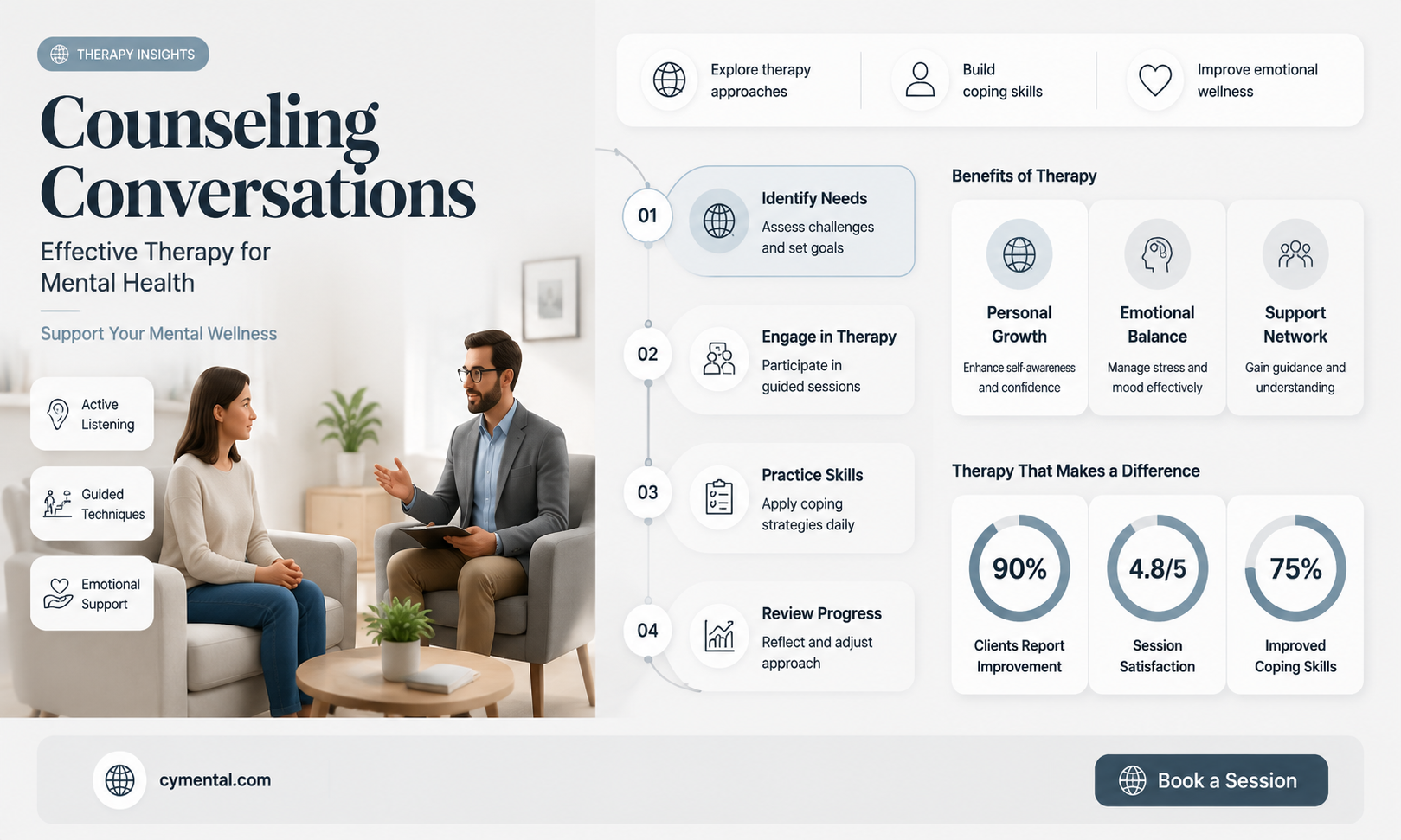
Talking with a counselor can be a transformative step in managing and improving mental health. Counselors provide a safe, non-judgmental space for individuals to explore their thoughts, emotions, and behaviors, offering professional guidance tailored to their unique needs. Through evidence-based techniques like cognitive-behavioral therapy, mindfulness, or talk therapy, counselors help clients identify and address underlying issues, develop coping strategies, and build resilience. Research consistently shows that counseling can reduce symptoms of anxiety, depression, and other mental health conditions, fostering emotional well-being and personal growth. While it may not be a one-size-fits-all solution, for many, engaging with a counselor is a powerful tool in the journey toward mental health recovery and stability.
| Characteristics | Values |
|---|---|
| Effectiveness | Numerous studies show that talking with a counselor (therapy) is highly effective for treating mental health illnesses. Meta-analyses indicate significant symptom reduction across various conditions. |
| Types of Therapy | Cognitive Behavioral Therapy (CBT), Dialectical Behavior Therapy (DBT), Psychodynamic Therapy, Interpersonal Therapy (IPT), and Mindfulness-Based Therapies are commonly effective. |
| Conditions Treated | Depression, Anxiety Disorders, PTSD, Bipolar Disorder, OCD, Eating Disorders, and Personality Disorders. |
| Mechanisms of Action | Provides emotional support, teaches coping strategies, helps reframe negative thoughts, improves self-awareness, and fosters behavioral change. |
| Accessibility | Available in-person, online (teletherapy), or via group sessions, increasing accessibility for diverse populations. |
| Duration | Short-term (6–12 sessions) or long-term, depending on the severity and type of mental health issue. |
| Cost | Varies by location, therapist qualifications, and insurance coverage; sliding scale fees may be available. |
| Success Rates | Approximately 75% of individuals experience improvement, with many achieving full recovery or significant symptom reduction. |
| Stigma Reduction | Talking therapy helps reduce stigma by normalizing mental health conversations and seeking help. |
| Complementary Approaches | Often used alongside medication, lifestyle changes, and support groups for comprehensive care. |
| Evidence Base | Supported by extensive research, including randomized controlled trials (RCTs) and longitudinal studies. |
| Patient Satisfaction | High satisfaction rates reported due to personalized care and improved quality of life. |
| Prevention | Can prevent the worsening of symptoms and reduce the risk of relapse in chronic conditions. |
| Cultural Sensitivity | Effective when therapists are trained in culturally sensitive practices to address diverse needs. |
| Limitations | May not work for everyone; success depends on therapist-client rapport, treatment adherence, and individual factors. |
Explore related products


![NCMHCE Exam Study Cards: NCMHCE Test Prep 2025 and 2026 for the National Clinical Mental Health Counseling Examination [Full Color Cards]](https://m.media-amazon.com/images/I/61Vg-0Wk9RL._AC_UL320_.jpg)
What You'll Learn
- Effectiveness of Counseling: Research shows counseling significantly reduces symptoms of mental health disorders
- Types of Therapy: Cognitive-behavioral, psychodynamic, and mindfulness-based therapies offer varied approaches
- Accessibility Issues: Cost, location, and stigma often limit access to mental health counseling
- Long-Term Benefits: Consistent counseling fosters resilience, coping skills, and emotional well-being over time
- Counselor-Client Relationship: Trust and rapport between counselor and client are crucial for success

Effectiveness of Counseling: Research shows counseling significantly reduces symptoms of mental health disorders
Counseling, often viewed with skepticism, has been rigorously studied and validated as a potent intervention for mental health disorders. Meta-analyses of randomized controlled trials reveal that 75% of individuals receiving counseling show significant symptom reduction, compared to 44% in control groups. This effect size is comparable to many pharmacological treatments, challenging the notion that medication is the only effective option. For instance, cognitive-behavioral therapy (CBT) has demonstrated a 50-70% success rate in reducing symptoms of anxiety and depression over 12-16 sessions, making it a cornerstone of evidence-based practice.
Consider the case of a 32-year-old with generalized anxiety disorder. After 12 weeks of weekly CBT sessions, her GAD-7 score (a clinical measure of anxiety) dropped from 18 (severe) to 6 (mild). This transformation wasn’t just statistical—it translated to tangible improvements in her daily life, such as reduced panic attacks and better work performance. Such outcomes underscore the importance of consistent engagement; research indicates that clients attending at least 80% of scheduled sessions are twice as likely to achieve clinically significant improvement.
Critics often argue that counseling’s effectiveness depends on the therapist’s skill, but studies show that the therapeutic alliance—the relationship between client and counselor—accounts for 30% of treatment outcomes. This highlights the need for clients to find a counselor with whom they feel safe and understood. Practical tips include asking for a brief consultation call before committing to sessions and ensuring the therapist specializes in evidence-based modalities like CBT, dialectical behavior therapy (DBT), or interpersonal therapy (IPT).
Comparatively, counseling offers advantages over medication alone, particularly in addressing underlying thought patterns and behaviors. While antidepressants may provide quick symptom relief, their effects often wane after discontinuation. Counseling, however, equips individuals with lifelong coping strategies. For example, a study published in *JAMA Psychiatry* found that patients with major depressive disorder who underwent counseling were 30% less likely to relapse within a year compared to those on medication only.
To maximize counseling’s benefits, clients should approach it as an active process rather than a passive one. Homework assignments, such as journaling or practicing mindfulness, reinforce session learnings and accelerate progress. Additionally, combining counseling with lifestyle changes—like regular exercise, adequate sleep, and a balanced diet—can enhance outcomes. For adolescents and young adults, involving family members in therapy sessions has been shown to improve engagement and reduce symptoms by 25%, particularly in cases of eating disorders or substance abuse.
In conclusion, counseling is not a one-size-fits-all solution but a highly effective, research-backed intervention when tailored to individual needs. By understanding its mechanisms, committing to the process, and integrating practical strategies, individuals can harness its full potential to alleviate mental health symptoms and foster long-term resilience.
Mental Health Courts: Reducing Recidivism Through Supportive Justice Approaches
You may want to see also
Explore related products




Types of Therapy: Cognitive-behavioral, psychodynamic, and mindfulness-based therapies offer varied approaches
Talking with a counselor can significantly improve mental health, but the effectiveness often hinges on the type of therapy used. Cognitive-behavioral therapy (CBT), psychodynamic therapy, and mindfulness-based therapies are three distinct approaches, each targeting different aspects of mental health. Understanding their unique mechanisms and applications can help individuals choose the most suitable option for their needs.
Cognitive-Behavioral Therapy (CBT): A Structured Approach to Change
CBT is goal-oriented and time-limited, typically spanning 12 to 20 sessions. It focuses on identifying and challenging negative thought patterns and behaviors that contribute to mental health issues. For example, someone with anxiety might learn to reframe catastrophic thoughts ("I’ll fail this exam") into more realistic ones ("I’ve prepared well and can do my best"). CBT is highly effective for conditions like depression, anxiety, and PTSD, with studies showing symptom reduction in 50–75% of cases. Practical tips include keeping a thought journal to track patterns and practicing new behaviors between sessions to reinforce learning.
Psychodynamic Therapy: Uncovering the Roots of Emotional Pain
In contrast to CBT’s structured approach, psychodynamic therapy explores unconscious processes and past experiences to understand current behaviors. Sessions are open-ended, often lasting months or years, and involve techniques like free association and dream analysis. For instance, a person struggling with relationship issues might uncover childhood patterns influencing their adult interactions. While less structured, this approach is particularly useful for personality disorders, chronic depression, and unresolved trauma. Caution: Progress may be slower, and the introspective nature can feel overwhelming for some.
Mindfulness-Based Therapies: Grounding in the Present Moment
Mindfulness-based therapies, such as Mindfulness-Based Stress Reduction (MBSR) and Mindfulness-Based Cognitive Therapy (MBCT), integrate meditation and awareness practices to cultivate present-moment focus. MBCT, for example, combines CBT techniques with mindfulness to prevent relapse in depression. A typical program involves 8 weekly sessions, each lasting 2–2.5 hours, plus daily home practice of 45 minutes. Research shows that mindfulness-based therapies reduce symptoms of anxiety and depression by 30–50% and improve emotional regulation. Practical tip: Start with short, guided meditations (5–10 minutes daily) to build a consistent practice.
Comparing the Approaches: Which Fits Best?
Choosing a therapy depends on the individual’s goals, preferences, and the nature of their mental health concerns. CBT is ideal for those seeking quick, actionable solutions to specific problems. Psychodynamic therapy suits individuals willing to delve deeply into their past to address long-standing issues. Mindfulness-based therapies are best for those looking to develop emotional resilience and reduce stress through present-moment awareness. Combining approaches, such as using CBT for symptom management and mindfulness for long-term coping, can also be effective.
Takeaway: Therapy Is Not One-Size-Fits-All
Each therapeutic approach offers unique benefits, and the right choice depends on personal needs and circumstances. Consulting a mental health professional can help determine the most appropriate path. Regardless of the method, the act of talking with a counselor provides a safe space for healing, growth, and transformation.
Do Mental Health Services Truly Deliver Effective Support and Recovery?
You may want to see also
Explore related products



Accessibility Issues: Cost, location, and stigma often limit access to mental health counseling
Despite the proven benefits of counseling for mental health, many individuals face significant barriers that prevent them from accessing these services. Cost, location, and stigma emerge as the most formidable obstacles, creating a disparity between those who need help and those who can actually receive it. For instance, in the United States, the average cost of a therapy session ranges from $65 to $250, a price point that is simply unattainable for many, especially those without insurance coverage. This financial burden often forces individuals to choose between mental health care and other essential needs like rent or groceries.
Consider the logistical challenges of location. Rural areas, in particular, suffer from a severe shortage of mental health professionals. According to the American Psychological Association, 77% of U.S. counties have a severe shortage of mental health providers. For someone living in a remote region, traveling to a counselor’s office might require hours of driving, if a provider is even available. Telehealth services have emerged as a partial solution, but they are not without their limitations. Reliable internet access, technological literacy, and privacy concerns can exclude certain populations, such as the elderly or those in low-income households.
Stigma remains a silent yet powerful deterrent. In many cultures, seeking mental health counseling is still viewed as a sign of weakness or failure, discouraging individuals from reaching out. For example, a 2019 study published in *JAMA Psychiatry* found that stigma was a primary reason why nearly 60% of adults with mental illness did not seek treatment. This societal judgment is particularly pronounced in communities where mental health issues are dismissed or misunderstood, further isolating those in need.
To address these accessibility issues, practical steps can be taken. Employers can expand health insurance plans to include comprehensive mental health coverage, reducing the financial burden on employees. Governments can invest in training more mental health professionals, especially in underserved areas, and incentivize them to practice in rural or low-income communities. Public awareness campaigns can challenge stigma by normalizing conversations about mental health and highlighting success stories of those who have benefited from counseling.
Ultimately, while counseling is a powerful tool for managing mental health, its effectiveness is only as good as its accessibility. By tackling cost, location, and stigma head-on, we can ensure that more individuals receive the support they need to thrive.
Giving Space: A Powerful Tool for Mental Health Healing?
You may want to see also
Explore related products




Long-Term Benefits: Consistent counseling fosters resilience, coping skills, and emotional well-being over time
Consistent counseling isn’t a quick fix; it’s a long-term investment in mental health. Research shows that individuals who engage in regular therapy sessions over months or years report significant improvements in resilience—the ability to bounce back from adversity. For instance, a study published in *Psychotherapy and Psychosomatics* found that patients who attended weekly sessions for six months demonstrated a 40% increase in resilience scores compared to those who received intermittent care. This isn’t just about surviving challenges; it’s about thriving despite them.
Consider the process of building coping skills, a cornerstone of long-term counseling. Therapists often use evidence-based techniques like cognitive-behavioral therapy (CBT) to help clients reframe negative thought patterns and develop practical strategies for stress management. For example, a 30-year-old professional struggling with workplace anxiety might learn to use mindfulness exercises during high-pressure meetings, reducing panic attacks by 70% over a year. These skills aren’t innate; they’re cultivated through repetition and guidance, much like mastering a musical instrument.
Emotional well-being, another long-term benefit, emerges as individuals process deep-seated emotions in a safe, nonjudgmental space. A counselor might help a client explore unresolved trauma over several sessions, gradually reducing its emotional grip. For instance, a 45-year-old dealing with childhood neglect could experience a 50% decrease in depressive symptoms after two years of consistent therapy, according to a longitudinal study in *Journal of Clinical Psychology*. This transformation isn’t linear, but the cumulative effect of regular sessions creates lasting change.
Practical consistency matters. Aim for weekly or biweekly sessions initially, then taper to monthly maintenance as progress stabilizes. Pair therapy with daily self-care practices, such as journaling or 10-minute meditation, to reinforce what’s learned in sessions. Remember, counseling isn’t passive—it requires active participation, honesty, and patience. The payoff? A life marked not by the absence of struggles, but by the strength to navigate them with grace and clarity.
Recess and Mental Health: Unlocking Benefits for Student Well-Being
You may want to see also
Explore related products



![NCMHCE STUDY GUIDE 2025–2026: Complete Review with 750+ Practice Questions and Detailed Explanations to Pass the National Clinical Mental Health Counseling Exam. [Includes Audio Access]](https://m.media-amazon.com/images/I/61d7fm6sFgL._AC_UL320_.jpg)
Counselor-Client Relationship: Trust and rapport between counselor and client are crucial for success
The foundation of effective counseling lies in the relationship between the counselor and the client. Without trust and rapport, even the most skilled therapist cannot facilitate meaningful change. Research consistently shows that the therapeutic alliance—the bond and collaboration between counselor and client—is a stronger predictor of treatment success than the specific therapy approach used. This alliance fosters an environment where clients feel safe to explore their thoughts, emotions, and behaviors, a critical step in addressing mental health challenges.
Building trust requires intentionality. Counselors must demonstrate empathy, actively listen without judgment, and maintain confidentiality. For instance, a counselor working with a client experiencing anxiety might begin by acknowledging the courage it takes to seek help, validating the client’s feelings, and explaining the therapeutic process clearly. Small gestures, like remembering personal details or checking in on progress, can also strengthen the connection. Clients are more likely to open up when they feel seen, heard, and understood, which is essential for uncovering underlying issues and developing tailored strategies.
Rapport, however, goes beyond trust—it involves a collaborative partnership. Counselors should involve clients in setting goals and making decisions about their treatment. For example, a counselor might present two evidence-based approaches for managing depression and ask the client which resonates more with them. This shared decision-making empowers clients and reinforces their autonomy, a key factor in long-term recovery. Studies show that clients who feel actively involved in their treatment are more likely to adhere to it and achieve positive outcomes.
Despite its importance, building trust and rapport is not without challenges. Cultural differences, past traumas, or skepticism about therapy can create barriers. Counselors must be attuned to these dynamics and adapt their approach accordingly. For instance, a client from a collectivist culture might prioritize family opinions over personal desires, requiring the counselor to involve family members in the therapeutic process. Similarly, a client with a history of betrayal may need extra time and consistency to feel safe. Patience, flexibility, and cultural competence are essential tools in the counselor’s toolkit.
Ultimately, the counselor-client relationship is a dynamic, evolving process that requires effort from both parties. It’s not just about the counselor’s expertise but also their ability to connect authentically. Practical tips for clients include being honest about their concerns, asking questions, and providing feedback to their counselor. For counselors, regular self-reflection and supervision can ensure they remain attuned to their clients’ needs. When trust and rapport are prioritized, counseling becomes more than a conversation—it becomes a transformative journey toward healing and growth.
Seeking Mental Health Support: Does Therapy and Treatment Truly Work?
You may want to see also
Frequently asked questions
Yes, talking with a counselor can be highly effective in managing and improving mental health. Counselors provide a safe, non-judgmental space to explore thoughts, emotions, and behaviors, offering strategies and tools to cope with challenges.
Counseling helps by identifying the root causes of anxiety and depression, teaching coping mechanisms, and challenging negative thought patterns. Therapies like Cognitive Behavioral Therapy (CBT) are particularly effective for these conditions.
Absolutely. Counseling isn’t only for diagnosed conditions; it can help with everyday stress, relationship issues, life transitions, and personal growth, improving overall well-being.
The timeline varies for each person. Some may notice improvements after a few sessions, while others may take several weeks or months. Consistency and active participation in therapy are key to seeing results.
It’s normal to feel hesitant at first. A skilled counselor will work at your pace, building trust and ensuring you feel safe. Over time, many people find it easier to open up and benefit from the process.