Harper Lewis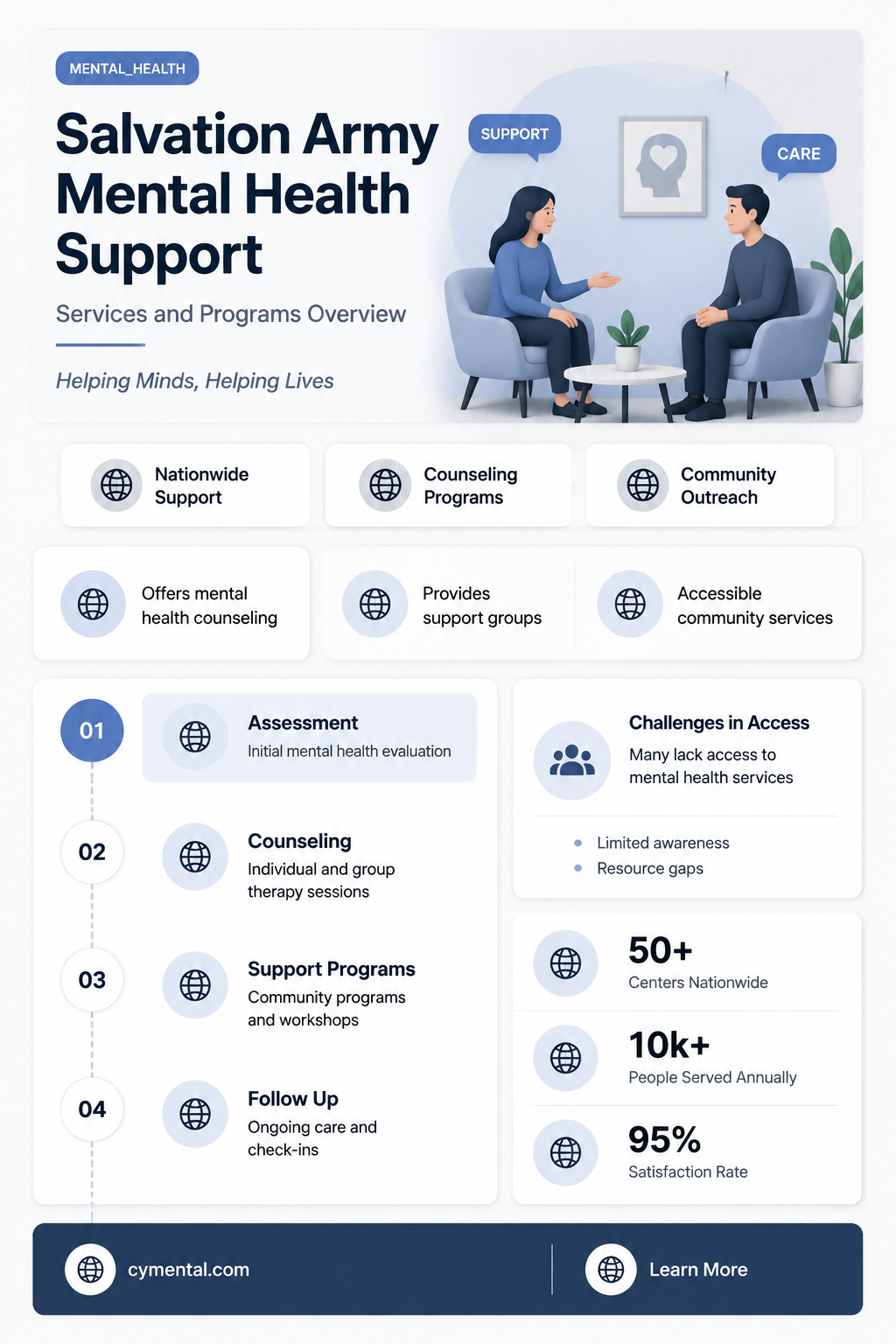
The Salvation Army, a global Christian organization known for its humanitarian efforts, provides a wide range of services to address various social issues, including mental health. While primarily recognized for its work in poverty alleviation, disaster relief, and addiction recovery, the organization also offers support for individuals struggling with mental illness. Through its community centers, shelters, and counseling programs, the Salvation Army aims to provide a holistic approach to care, often integrating spiritual guidance with practical assistance. However, the extent and effectiveness of their mental health services can vary by location and available resources, raising questions about the depth of their impact on this vulnerable population.
Explore related products


What You'll Learn
- Housing Support: Provides shelters and transitional housing for mentally ill individuals facing homelessness
- Counseling Services: Offers mental health counseling and emotional support through trained professionals
- Community Programs: Runs group activities and social programs to reduce isolation and stigma
- Emergency Assistance: Helps with food, clothing, and basic needs for those in mental health crises
- Partnerships: Collaborates with mental health organizations to expand access to specialized care

Housing Support: Provides shelters and transitional housing for mentally ill individuals facing homelessness
The Salvation Army recognizes that stable housing is a cornerstone of recovery for individuals battling mental illness. Their housing support programs go beyond simply providing a roof over someone's head. They offer a structured environment that fosters healing and empowers individuals to rebuild their lives.
Imagine a young woman, Sarah, diagnosed with schizophrenia, struggling to manage her symptoms while living on the streets. The constant stress of homelessness exacerbates her condition, making it nearly impossible to access treatment or maintain a medication regimen. This is where the Salvation Army's shelters and transitional housing programs step in, offering Sarah a safe haven and a chance to stabilize her life.
These programs aren't just about four walls and a bed. They provide a comprehensive support system. Residents like Sarah receive access to case management, connecting them with mental health professionals who can tailor treatment plans to their specific needs. This might include therapy, medication management, and support groups, all crucial for managing mental illness effectively.
Transitional housing, a key component of the Salvation Army's approach, bridges the gap between shelter and independent living. It offers a more permanent residence for a set period, typically 6 to 24 months, allowing individuals to develop essential life skills. Residents learn budgeting, cooking, and job readiness skills, empowering them to eventually secure their own housing and live independently. This gradual transition is vital for long-term success, preventing individuals from becoming trapped in a cycle of homelessness.
The impact of these housing programs is profound. Studies show that stable housing significantly improves mental health outcomes, reducing hospitalizations and promoting medication adherence. By addressing the root cause of homelessness, the Salvation Army doesn't just provide temporary relief; it offers a pathway to recovery and a chance for individuals like Sarah to reclaim their lives.
Mental Health Treatment: Easing Gender Dysphoria and Fostering Well-being
You may want to see also
Explore related products





Counseling Services: Offers mental health counseling and emotional support through trained professionals
The Salvation Army recognizes that mental health is as vital as physical well-being, offering counseling services that provide a lifeline to those grappling with emotional and psychological challenges. Through a network of trained professionals, these services aim to address the root causes of mental distress, fostering resilience and recovery. Whether individuals face anxiety, depression, trauma, or other mental health issues, the Salvation Army’s counseling programs are designed to meet them where they are, offering tailored support in a compassionate environment.
One of the standout features of these counseling services is their accessibility. Unlike many private therapy options, the Salvation Army strives to remove financial barriers, ensuring that cost does not prevent anyone from seeking help. This inclusivity extends to diverse populations, including veterans, families, and individuals experiencing homelessness, who often face unique mental health struggles. By offering sliding-scale fees or free services, the organization ensures that mental health support is within reach for those who need it most.
The counseling process typically begins with an assessment, where professionals evaluate the individual’s needs and develop a personalized treatment plan. Sessions may include cognitive-behavioral therapy, trauma-informed care, or other evidence-based approaches, depending on the client’s situation. For instance, a veteran struggling with PTSD might receive specialized therapy focused on processing trauma, while a young adult dealing with anxiety could benefit from mindfulness techniques and coping strategies. This individualized approach ensures that each person receives the most effective care.
It’s important to note that the Salvation Army’s counseling services are not just about addressing crises; they also emphasize prevention and long-term emotional well-being. Group therapy sessions, for example, provide a sense of community and shared understanding, reducing feelings of isolation. Additionally, counselors often work collaboratively with other Salvation Army programs, such as housing or employment services, to address the interconnected factors that impact mental health. This holistic approach ensures that individuals receive comprehensive support for both their emotional and practical needs.
For those considering these services, practical steps include contacting a local Salvation Army center to inquire about availability and scheduling. It’s also helpful to prepare for the first session by reflecting on specific concerns or goals, as this can guide the conversation with the counselor. While the journey to mental wellness may be challenging, the Salvation Army’s counseling services offer a supportive, professional, and accessible pathway to healing. By prioritizing mental health, the organization reinforces its commitment to nurturing the whole person—mind, body, and spirit.
Belonging and Mental Health: How Connection Impacts Well-Being
You may want to see also
Explore related products


Community Programs: Runs group activities and social programs to reduce isolation and stigma
Social isolation and stigma are silent adversaries for those grappling with mental illness, often exacerbating symptoms and hindering recovery. Recognizing this, The Salvation Army’s community programs are designed to weave individuals back into the fabric of society through structured group activities and social initiatives. These programs range from weekly art therapy sessions to community gardening projects, each tailored to foster connection and dismantle the barriers of stigma. For instance, their “Creative Expressions” groups in several U.S. cities invite participants to explore emotions through painting, writing, or music, offering a non-verbal outlet for those who struggle to articulate their struggles.
Consider the mechanics of these programs: they operate on the principle of shared experience, where participants engage in activities that subtly encourage interaction without the pressure of direct emotional disclosure. A typical session might involve a group of 8–12 adults aged 18–65, guided by a trained facilitator who ensures a safe, non-judgmental environment. For example, a cooking class not only teaches practical skills but also promotes teamwork and shared accomplishment, countering feelings of worthlessness often associated with mental health challenges. The Salvation Army’s approach is pragmatic—they understand that healing often begins when individuals feel seen and valued within a community.
Critically, these programs are not one-size-fits-all. They are adaptable to local needs, whether it’s a book club for introverts in urban areas or outdoor hiking groups in rural communities. This flexibility is key to their effectiveness, as it respects the diverse ways individuals cope with mental illness. For instance, a program in Australia integrates Indigenous cultural practices, such as storytelling circles, to create culturally relevant spaces for healing. Such customization ensures that participants don’t just attend—they belong.
However, the success of these initiatives hinges on consistent participation, which can be a challenge for those battling chronic mental health issues. The Salvation Army addresses this by offering low-barrier entry points—no referrals required, no fees, and flexible attendance policies. They also provide transportation assistance in some regions, removing logistical hurdles that often deter engagement. Yet, sustainability remains a concern; reliance on volunteer facilitators and fluctuating funding can disrupt program continuity, potentially undermining trust among participants.
Ultimately, the Salvation Army’s community programs serve as a testament to the power of collective action in mental health care. By prioritizing accessibility, inclusivity, and creativity, they transform social spaces into therapeutic environments. While not a replacement for clinical treatment, these programs fill a critical gap by addressing the loneliness and shame that often accompany mental illness. For anyone seeking a starting point to re-engage with the world, these initiatives offer a gentle, supportive pathway—one shared meal, one painted canvas, one conversation at a time.
Helping Families in Mental Health Crisis Act: Did It Pass?
You may want to see also
Explore related products


Emergency Assistance: Helps with food, clothing, and basic needs for those in mental health crises
In times of mental health crises, the immediate focus often shifts to emotional and psychological support, yet the foundational needs of food, clothing, and shelter remain critical. The Salvation Army recognizes this duality, offering emergency assistance programs that address these basic necessities while individuals navigate their mental health challenges. This approach ensures that those in crisis can stabilize their physical well-being, creating a foundation for addressing deeper mental health issues.
Consider the scenario of a person experiencing a severe depressive episode, unable to leave their home or manage daily tasks. The Salvation Army’s emergency assistance might include delivering meals, providing clean clothing, or offering temporary housing solutions. These interventions are not just about survival; they are about restoring dignity and reducing the overwhelming stress that accompanies unmet basic needs. For instance, a hot meal can provide immediate relief, while access to clean clothing can improve self-esteem, both of which are vital for someone struggling mentally.
Analyzing the impact, this type of assistance serves as a bridge between crisis and recovery. By alleviating the burden of basic needs, individuals can focus on engaging with mental health services, such as therapy or medication management. The Salvation Army’s model is pragmatic, understanding that mental health treatment is less effective when someone is preoccupied with where their next meal will come from or how they will stay warm. This holistic approach distinguishes their programs, making them a valuable resource in the mental health support ecosystem.
For those seeking help, accessing these services is straightforward. Most local Salvation Army chapters offer walk-in assistance or have helplines for immediate support. Practical tips include bringing identification and any relevant documentation, though many programs prioritize immediate need over paperwork. Additionally, the organization often collaborates with mental health providers to ensure that individuals receive comprehensive care, from emergency relief to long-term support.
In conclusion, the Salvation Army’s emergency assistance programs are a lifeline for individuals in mental health crises, addressing the often-overlooked connection between physical stability and mental well-being. By meeting basic needs, they create a supportive environment where recovery can begin. This approach not only helps individuals in their darkest moments but also underscores the importance of integrating practical support into mental health care.
Massage Therapy: A Powerful Tool for Mental Health and Wellness
You may want to see also
Explore related products


Partnerships: Collaborates with mental health organizations to expand access to specialized care
The Salvation Army recognizes that addressing mental health requires expertise beyond its traditional scope. This realization has led to a strategic shift towards partnerships with specialized mental health organizations, a move that significantly expands access to care for vulnerable populations. By collaborating with established providers, the Salvation Army leverages existing resources and knowledge, ensuring individuals receive the targeted support they need.
For instance, partnerships with local community mental health centers allow Salvation Army shelters to offer on-site counseling sessions, group therapy, and medication management for residents struggling with mental illness. This integrated approach removes barriers to access, as individuals can receive services within a familiar and trusted environment.
Consider the case of a homeless veteran battling PTSD. Through a partnership with a veteran-focused mental health organization, a Salvation Army shelter could provide this individual with access to trauma-informed therapy, peer support groups, and assistance navigating VA benefits. This collaborative model addresses the complex needs of this population, offering a pathway to healing and stability.
Effectiveness hinges on careful partner selection. The Salvation Army must seek organizations with proven track records, culturally competent staff, and services aligned with the needs of their clientele. Regular evaluation of these partnerships is crucial to ensure they are meeting intended goals and adapting to evolving community needs.
While partnerships are powerful tools, they are not without challenges. Coordinating services across organizations requires clear communication, shared goals, and a commitment to data sharing (while maintaining confidentiality). Funding can also be a hurdle, necessitating creative solutions like joint grant applications or shared resource allocation. Despite these challenges, the potential benefits of such collaborations are undeniable. By working together, the Salvation Army and mental health organizations can create a more comprehensive and accessible safety net for those struggling with mental illness.
Supporting Student Well-being: Practical Strategies for Schools to Enhance Mental Health
You may want to see also
Frequently asked questions
Yes, the Salvation Army offers various programs and services that support individuals with mental health challenges, including counseling, housing assistance, and community outreach.
Absolutely, the Salvation Army provides emergency assistance such as food, shelter, and crisis intervention to individuals experiencing mental health issues, alongside other vulnerable populations.
Yes, they provide long-term support through programs like transitional housing, life skills training, and partnerships with mental health professionals to help individuals achieve stability.
While not all locations have specialized mental health programs, many offer integrated services that address mental health as part of their broader support for holistic well-being.
Individuals can contact their local Salvation Army branch directly, visit their website, or call their helpline to learn about available services and how to access them.