Caleb Wright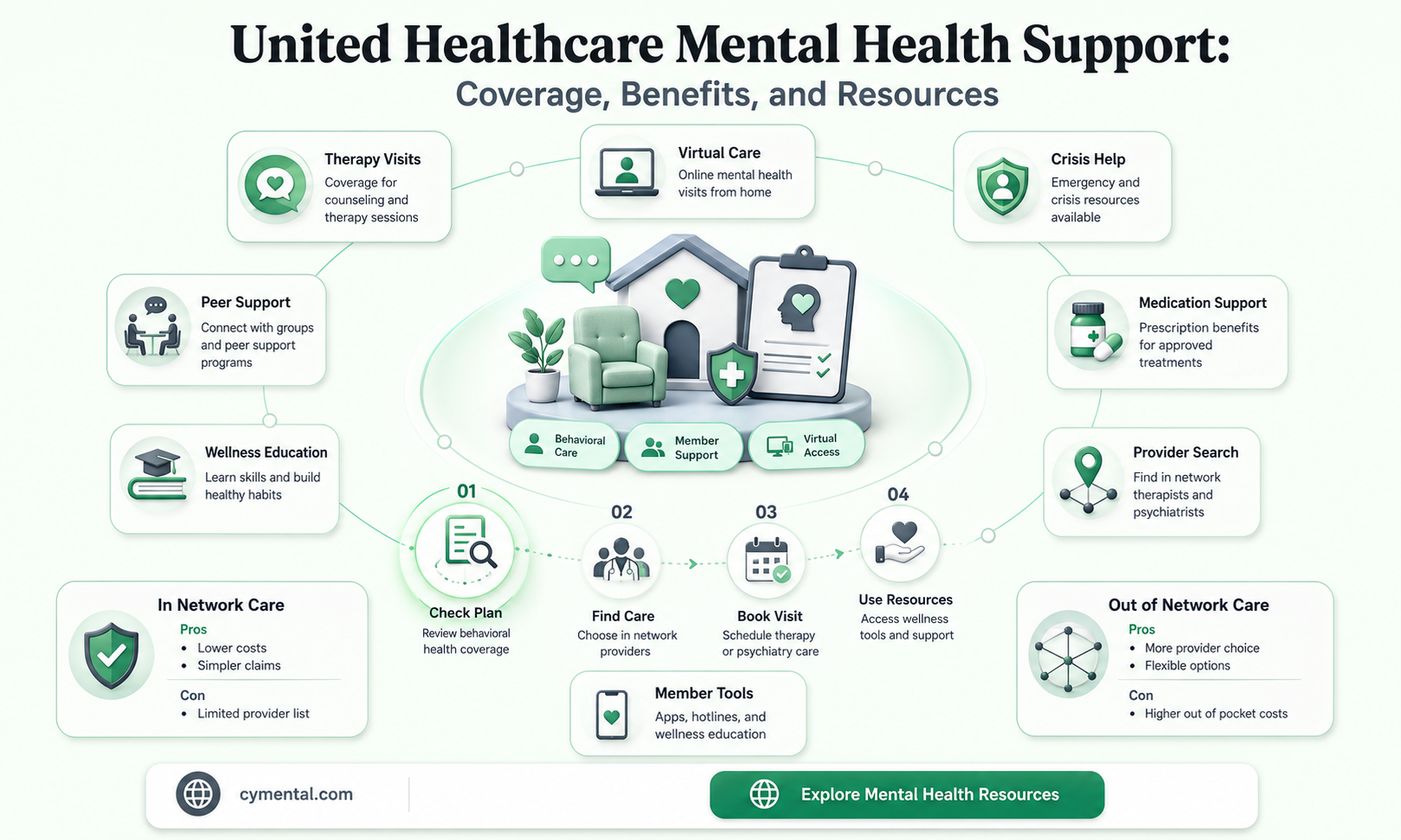
United Healthcare, one of the largest health insurance providers in the United States, offers a range of services and coverage options designed to support mental health care. Recognizing the critical importance of mental well-being, United Healthcare provides access to therapy, counseling, and psychiatric services, often with in-network providers to reduce out-of-pocket costs. Their plans typically include coverage for mental health conditions such as depression, anxiety, and substance use disorders, aligning with the Mental Health Parity and Addiction Equity Act. Additionally, they offer resources like telehealth services, crisis hotlines, and wellness programs to ensure members can access timely and comprehensive mental health support. However, the extent of coverage can vary depending on the specific plan, so it’s essential for individuals to review their policy details or consult with a representative to understand their benefits fully.
Explore related products


What You'll Learn
- Coverage for Therapy Sessions: Outpatient and inpatient therapy services included in most UnitedHealthcare plans
- Medication Management: Prescription drug coverage for mental health medications under many policies
- Telehealth Options: Virtual mental health consultations available for convenient, accessible care
- Crisis Support Services: Access to crisis hotlines and emergency mental health resources
- Preventive Care Programs: Mental health screenings and wellness programs offered at no additional cost

Coverage for Therapy Sessions: Outpatient and inpatient therapy services included in most UnitedHealthcare plans
UnitedHealthcare recognizes the critical role of therapy in mental health treatment, offering coverage for both outpatient and inpatient therapy sessions in most of its plans. This inclusion reflects a commitment to addressing mental health as an integral part of overall well-being, ensuring members have access to the care they need. Whether you’re managing anxiety, depression, or other mental health conditions, understanding your coverage options can make a significant difference in your treatment journey.
Outpatient therapy services, such as individual counseling, group therapy, and family sessions, are typically covered under UnitedHealthcare plans. These services are designed for individuals who do not require hospitalization but need consistent support to manage their mental health. For example, a member seeking help for generalized anxiety disorder might attend weekly 50-minute sessions with a licensed therapist. It’s essential to verify your plan’s specifics, as some may require pre-authorization or limit the number of sessions per year. Practical tip: Use UnitedHealthcare’s online provider directory to find in-network therapists, which can reduce out-of-pocket costs significantly.
Inpatient therapy services, on the other hand, are covered for individuals requiring a higher level of care, such as those experiencing severe depression, suicidal ideation, or psychotic episodes. These services include hospitalization in a psychiatric facility, where patients receive intensive therapy, medication management, and 24/7 monitoring. For instance, a member admitted for acute bipolar disorder might stay for 7–14 days, depending on their condition. While inpatient care is more costly, UnitedHealthcare’s coverage ensures financial barriers don’t prevent access to life-saving treatment. Caution: Inpatient stays often require prior approval, so consult your healthcare provider and insurer before admission.
Comparing outpatient and inpatient coverage highlights the flexibility of UnitedHealthcare’s mental health benefits. Outpatient care is ideal for long-term management and prevention, while inpatient care addresses immediate, severe needs. For example, a member with PTSD might start with outpatient therapy but transition to inpatient care during a crisis. This tiered approach ensures continuity of care, adapting to the individual’s evolving needs. Takeaway: Familiarize yourself with both options to make informed decisions about your mental health treatment.
To maximize your therapy coverage, follow these steps: first, review your plan’s mental health benefits, including copays, deductibles, and session limits. Second, choose in-network providers to minimize costs. Third, keep detailed records of your sessions and any communications with your insurer. Finally, don’t hesitate to appeal denied claims—UnitedHealthcare has a process for reconsidering coverage decisions. By proactively managing your benefits, you can focus on healing without the added stress of financial uncertainty.
Viome and Mental Health: Can Gut Testing Improve Your Well-Being?
You may want to see also
Explore related products


Medication Management: Prescription drug coverage for mental health medications under many policies
Prescription drug coverage for mental health medications is a critical component of UnitedHealthcare’s approach to mental health care, ensuring that individuals have access to the treatments they need. Many policies under UnitedHealthcare include coverage for a wide range of psychiatric medications, such as antidepressants, antipsychotics, mood stabilizers, and anxiolytics. These medications are often essential for managing conditions like depression, anxiety, bipolar disorder, and schizophrenia. Understanding the specifics of your plan’s coverage—including formularies, tiers, and copays—can help you maximize benefits while minimizing out-of-pocket costs. For instance, generic versions of drugs like fluoxetine (Prozac) or sertraline (Zoloft) are typically covered at lower costs, making them more accessible for long-term treatment.
Navigating prescription drug coverage requires awareness of potential limitations and requirements. Prior authorization, step therapy, and quantity limits are common restrictions that may apply to certain mental health medications. Prior authorization, for example, requires your healthcare provider to justify the medical necessity of a specific drug before it’s covered. Step therapy may mandate trying a lower-cost medication first before approving a more expensive option. To avoid delays or denials, work closely with your prescriber to document the rationale for your prescribed medication and appeal decisions if necessary. UnitedHealthcare’s member portal often provides tools to check coverage details and track claims, streamlining the process.
For individuals on long-term mental health medications, understanding refill policies and mail-order options can significantly enhance convenience and adherence. Many UnitedHealthcare plans offer 90-day supplies through mail-order pharmacies, reducing the frequency of refills and often lowering costs compared to retail pharmacies. This is particularly beneficial for medications like lithium or quetiapine, which require consistent daily use. Additionally, setting up automatic refills or using mobile apps for reminders can help prevent gaps in treatment. Always review your plan’s specific rules for mail-order prescriptions, as eligibility and copays may vary.
Cost management is a key consideration when relying on prescription medications for mental health. UnitedHealthcare often provides resources to estimate drug costs, compare prices across pharmacies, and identify cost-saving alternatives. For example, if your prescribed medication is in a higher tier, ask your provider about therapeutically equivalent options in lower tiers. Patient assistance programs or manufacturer coupons may also offset costs for brand-name drugs like aripiprazole (Abilify) or escitalopram (Lexapro). Regularly reviewing your plan’s formulary updates ensures you’re aware of any changes that could impact your coverage or expenses.
Finally, integrating medication management with other mental health services can optimize outcomes. UnitedHealthcare frequently covers care coordination, such as medication therapy management (MTM) programs, which involve pharmacists reviewing your medications to identify potential interactions or side effects. For adolescents or seniors, age-specific considerations—like lower dosages for older adults due to metabolic changes—are crucial. Combining medication with therapy, as covered under many UnitedHealthcare plans, often yields better results than medication alone. By leveraging both prescription coverage and complementary services, individuals can achieve a more holistic approach to mental health care.
Do Mental Health Services Truly Deliver Effective Support and Recovery?
You may want to see also
Explore related products


Telehealth Options: Virtual mental health consultations available for convenient, accessible care
UnitedHealthcare recognizes the growing demand for flexible mental health support, offering telehealth options that break down barriers to care. Virtual consultations provide a convenient alternative to in-person visits, allowing individuals to connect with licensed therapists and psychiatrists from the comfort of their homes. This is particularly beneficial for those with busy schedules, limited mobility, or living in areas with scarce mental health resources.
UnitedHealthcare's telehealth platform typically connects members with providers through secure video conferencing, ensuring privacy and confidentiality. This method eliminates travel time and reduces the stigma sometimes associated with visiting a mental health clinic.
Consider a scenario where a young professional, juggling work and family commitments, experiences anxiety. Traditional therapy sessions might be challenging to fit into their schedule. Through UnitedHealthcare's telehealth services, they can schedule virtual appointments during lunch breaks or after work, receiving the support they need without disrupting their daily routine. This accessibility is crucial for maintaining consistency in treatment, a key factor in successful mental health management.
For individuals seeking medication management, telehealth consultations with psychiatrists can be equally valuable. Virtual appointments allow for discussions about symptoms, medication adjustments, and potential side effects, all without the need for physical travel. This is especially advantageous for those in rural areas where access to specialized mental health professionals may be limited.
It's important to note that telehealth is not a one-size-fits-all solution. While it offers convenience and accessibility, it may not be suitable for everyone or every situation. Severe mental health crises or conditions requiring close physical monitoring may still necessitate in-person care. However, for many individuals seeking therapy, counseling, or medication management, telehealth provides a viable and effective option.
To access UnitedHealthcare's telehealth services, members typically need a compatible device with a webcam and internet connection. The process usually involves logging into the designated telehealth platform, selecting a provider, and scheduling an appointment. Some plans may require a copay or coinsurance, so reviewing your specific coverage details is essential.
Effective Strategies to Support and Empower Individuals in Need
You may want to see also
Explore related products


Crisis Support Services: Access to crisis hotlines and emergency mental health resources
In moments of acute mental health crisis, immediate access to professional support can be a lifeline. UnitedHealthcare recognizes this critical need and integrates crisis support services into its mental health offerings, ensuring members have access to hotlines and emergency resources when every second counts. These services are designed to provide rapid intervention, de-escalation, and guidance to individuals experiencing severe anxiety, suicidal thoughts, or other urgent mental health issues.
For instance, UnitedHealthcare partners with national crisis hotlines like the 988 Suicide & Crisis Lifeline, a 24/7 service staffed by trained counselors who can offer real-time support and connect individuals to local emergency resources. Members can also access telehealth crisis services through UnitedHealthcare’s virtual care platforms, which provide immediate video or phone consultations with mental health professionals. These options are particularly valuable for those in remote areas or who cannot access in-person care quickly.
However, navigating these resources effectively requires awareness and preparation. Members should save crisis hotline numbers in their phones and share them with trusted contacts. Additionally, understanding the difference between hotlines (for immediate emotional support) and emergency services (for life-threatening situations) is crucial. For example, if someone is actively suicidal or in danger, calling 911 or proceeding to the nearest emergency room is the appropriate first step, while hotlines are better suited for de-escalation and resource referrals.
A practical tip for caregivers or family members is to familiarize themselves with the signs of a mental health crisis, such as sudden changes in behavior, withdrawal, or expressions of hopelessness. Knowing how to initiate a conversation about seeking help and having crisis resources readily available can make a significant difference in outcomes. UnitedHealthcare also offers educational materials and workshops to help members and their support networks recognize and respond to crises effectively.
In conclusion, UnitedHealthcare’s crisis support services are a vital component of its mental health coverage, offering immediate, accessible, and professional assistance during emergencies. By leveraging hotlines, telehealth options, and community resources, members can receive timely care that may prevent escalation and promote recovery. Proactive awareness and preparation are key to maximizing the benefits of these services, ensuring that help is not just available but also utilized when needed most.
Can You Admit Yourself to Mental Health Treatment? A Guide
You may want to see also
Explore related products


Preventive Care Programs: Mental health screenings and wellness programs offered at no additional cost
UnitedHealthcare recognizes that mental health is a cornerstone of overall well-being, offering preventive care programs that include mental health screenings and wellness initiatives at no additional cost to members. These programs are designed to identify potential issues early, provide support, and promote long-term mental wellness. By removing financial barriers, UnitedHealthcare encourages individuals to prioritize their mental health proactively rather than waiting until crises arise.
One key component of these programs is mental health screenings, which are available to members of all ages. For adults, screenings may include assessments for depression, anxiety, and stress-related disorders, often conducted during routine primary care visits or via online tools. For children and adolescents, screenings focus on developmental milestones, behavioral concerns, and early signs of conditions like ADHD or anxiety. These screenings are tailored to age-specific needs, ensuring that interventions are timely and appropriate. For example, a 12-year-old might undergo a PHQ-9 (Patient Health Questionnaire) modified for youth, while a 45-year-old adult could complete a GAD-7 (Generalized Anxiety Disorder) assessment.
Beyond screenings, UnitedHealthcare’s wellness programs offer practical tools and resources to foster mental resilience. Members can access digital platforms with guided meditation sessions, cognitive-behavioral therapy exercises, and stress management workshops. For instance, the app-based program might recommend 10 minutes of mindfulness daily for stress reduction, or provide a six-week course on building emotional resilience. Additionally, in-person or virtual group sessions led by licensed therapists are available, covering topics like work-life balance, grief management, and parenting challenges.
A standout feature of these programs is their integration with primary care, ensuring mental health is treated as a vital component of overall health. For example, a member diagnosed with diabetes might receive counseling on managing the emotional toll of chronic illness alongside their medical treatment. This holistic approach not only improves mental health outcomes but also enhances physical health adherence and recovery rates.
While these preventive care programs are comprehensive, members should be aware of their limitations. Screenings are not diagnostic tools but rather indicators of potential issues. If a screening suggests a concern, follow-up with a mental health professional is essential. Additionally, while many resources are available at no cost, specialized treatments or extended therapy sessions may require copays or coinsurance, depending on the plan.
In conclusion, UnitedHealthcare’s preventive care programs for mental health are a proactive, accessible way to address mental wellness before issues escalate. By offering screenings and wellness tools at no additional cost, they empower members to take charge of their mental health, fostering a culture of prevention rather than reaction. For those seeking to maintain or improve their mental well-being, these programs provide a valuable starting point.
Empowering Self-Care Strategies: A Guide to Helping Yourself Thrive
You may want to see also
Frequently asked questions
Yes, United Healthcare provides coverage for mental health services, including therapy, counseling, and psychiatric care, as part of its health insurance plans. Coverage details may vary depending on the specific plan.
United Healthcare typically covers a range of mental health treatments, such as outpatient therapy, inpatient hospitalization, medication management, and crisis intervention. Coverage may also include telehealth services for mental health care.
Yes, United Healthcare covers pre-existing mental health conditions under its plans, in compliance with the Affordable Care Act (ACA), which prohibits denying coverage based on pre-existing conditions.
You can find a mental health provider in United Healthcare’s network by using their online provider directory, calling their customer service line, or logging into your member portal for personalized assistance.



![Life and Health Insurance Study Cards: Life Health Insurance License Exam Prep with Practice Test Questions [Full Color]](https://m.media-amazon.com/images/I/51Pox87Z5lL._AC_UL320_.jpg)