Lucas Bennett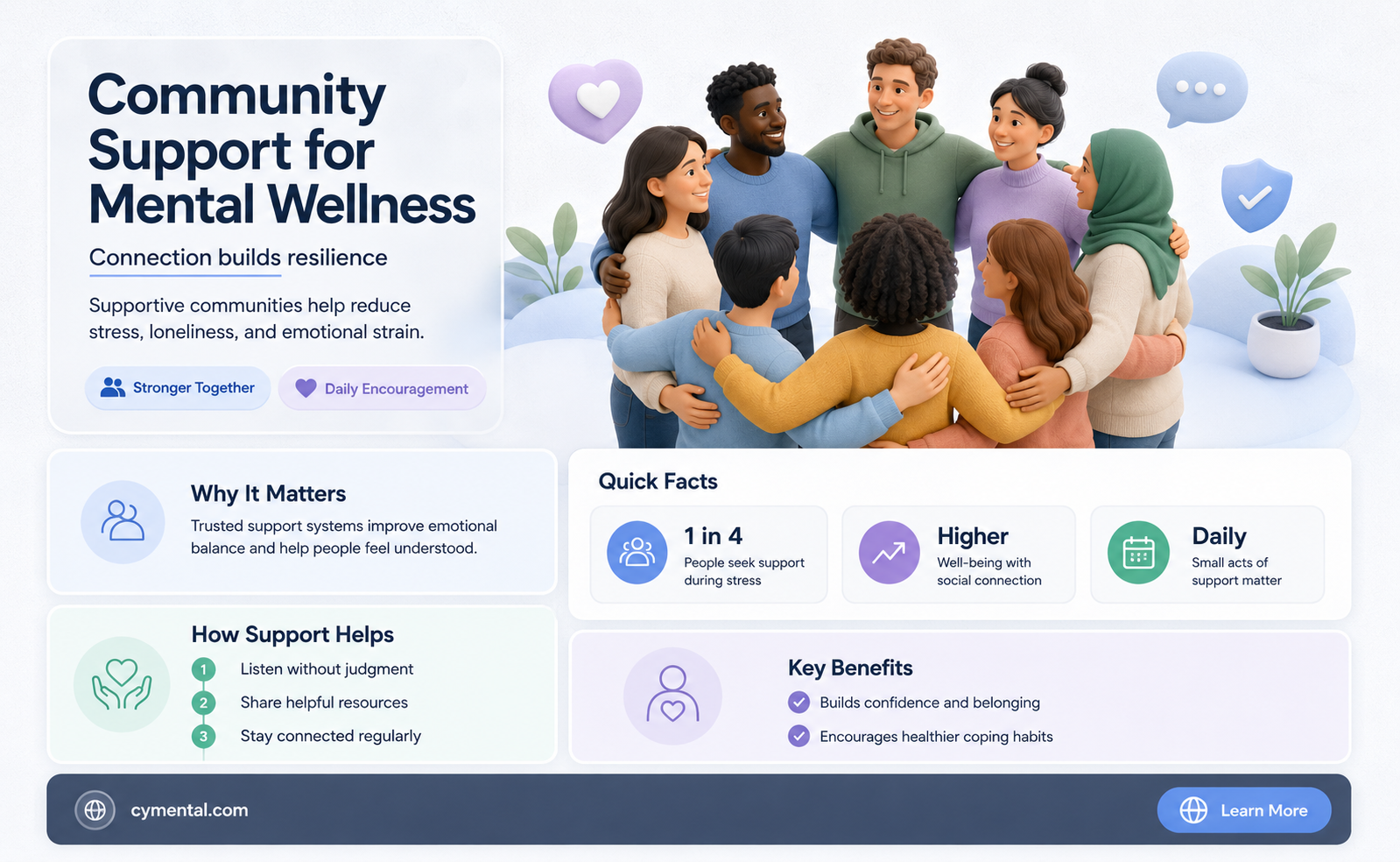
Communities play a vital role in supporting mental health by fostering a sense of belonging, reducing stigma, and providing accessible resources. Through local initiatives, such as support groups, awareness campaigns, and volunteer programs, individuals can find emotional support and practical assistance. Community spaces like libraries, parks, and religious institutions often serve as safe havens, encouraging open conversations about mental well-being. Additionally, collective efforts to advocate for better mental health services and policies can ensure that vulnerable members receive the care they need. By working together, communities can create an environment that promotes resilience, understanding, and healing for everyone.
Explore related products


What You'll Learn
- Peer Support Groups: Community-led groups offering safe spaces for sharing experiences and emotional support
- Awareness Campaigns: Educating locals on mental health stigma, signs, and available resources
- Volunteer Programs: Training volunteers to provide companionship and assistance to those in need
- Accessible Activities: Organizing free events like yoga, art, or sports to promote well-being
- Resource Hubs: Creating local centers with counseling, workshops, and mental health tools

Peer Support Groups: Community-led groups offering safe spaces for sharing experiences and emotional support
Peer support groups are a powerful tool for fostering mental well-being, offering a unique blend of empathy, understanding, and shared experience. These community-led initiatives create safe havens where individuals facing similar challenges can connect, share stories, and provide mutual support. Unlike traditional therapy, peer support groups are facilitated by individuals with lived experience, fostering a sense of equality and shared understanding that can be incredibly validating.
Imagine a circle of individuals, each carrying the weight of anxiety, depression, or trauma. Within this circle, vulnerabilities are met with nods of recognition, stories are heard without judgment, and coping strategies are exchanged like precious gifts. This is the essence of a peer support group – a space where shared humanity becomes a source of strength.
Research consistently highlights the benefits of peer support. Studies show that participation can lead to reduced feelings of isolation, increased self-esteem, and improved coping mechanisms. For example, a 2018 study published in the *Journal of Mental Health* found that individuals participating in peer support groups for depression experienced significant reductions in symptom severity and improved overall well-being compared to those receiving standard care alone.
Establishing a successful peer support group requires careful consideration. Firstly, identify a specific focus, whether it's anxiety, grief, addiction recovery, or a particular demographic like LGBTQ+ individuals. This ensures participants share common ground and feel a sense of belonging. Secondly, establish clear guidelines for confidentiality, respect, and active listening. Trained facilitators, ideally individuals with lived experience and relevant training, are crucial for maintaining a safe and supportive environment. Finally, consider meeting frequency and duration – weekly sessions of 1-2 hours are common, but flexibility is key to accommodate diverse needs.
It's important to remember that peer support groups are not a substitute for professional therapy. They are a complementary resource, offering a unique form of support that can enhance traditional treatment and provide ongoing encouragement. By fostering connections, sharing experiences, and building a sense of community, peer support groups empower individuals on their journey towards mental well-being.
Art's Healing Power: Boosting Mental Health Through Creativity
You may want to see also
Explore related products


Awareness Campaigns: Educating locals on mental health stigma, signs, and available resources
Stigma silences. It turns mental health struggles into shameful secrets, preventing individuals from seeking help. Awareness campaigns act as megaphones, amplifying the message that mental illness is not a personal failing but a common human experience. They dismantle stereotypes through facts, personal stories, and expert insights, replacing fear with understanding. Imagine a local campaign featuring community members sharing their journeys with anxiety or depression, coupled with statistics showing the prevalence of these conditions. This powerful combination humanizes the issue and fosters empathy, encouraging open conversations.
Example: A rural town organizes a "Mental Health Matters" fair with booths offering information on local therapists, support groups, and self-care strategies. Local artists display works reflecting their experiences with mental health, sparking dialogue and challenging misconceptions.
Effective campaigns don't just inform; they equip. They teach locals to recognize warning signs like withdrawal, drastic mood changes, or changes in appetite and sleep patterns. This knowledge empowers individuals to intervene early, whether by offering a listening ear or guiding someone towards professional help. Think of it as CPR training for mental health – a potentially life-saving skill everyone should possess. Practical Tip: Campaigns can distribute pocket-sized cards listing common signs and local crisis hotline numbers, making this vital information readily accessible.
Caution: Avoid sensationalizing mental illness. Focus on accurate, evidence-based information and avoid perpetuating harmful stereotypes.
Awareness campaigns are not one-time events but ongoing conversations. They should be integrated into schools, workplaces, and community centers, creating a culture of acceptance and support. Comparative Analysis: Just as public health campaigns have successfully reduced smoking rates, sustained mental health awareness efforts can lead to increased help-seeking behavior and improved overall well-being. Takeaway: By investing in awareness campaigns, communities invest in the mental health of their members, fostering resilience and creating a safety net of understanding and support.
Creativity's Healing Power: Boosting Mental Health Through Artistic Expression
You may want to see also
Explore related products





Volunteer Programs: Training volunteers to provide companionship and assistance to those in need
Volunteer programs that train individuals to offer companionship and practical assistance can significantly alleviate the burden of mental health challenges within communities. These programs are not just about providing a listening ear; they are structured initiatives that equip volunteers with the skills to engage effectively and safely with those in need. For instance, organizations like the Befriending Network in the UK train volunteers to combat loneliness, a key risk factor for mental health issues, by fostering regular, meaningful interactions. Such programs often include modules on active listening, boundary-setting, and recognizing signs of crisis, ensuring volunteers are prepared to offer support without overstepping their role.
Consider the dosage of companionship: studies suggest that consistent, weekly interactions over at least 6–8 weeks can yield measurable improvements in mental well-being. For example, a program in Australia, Community Visitors Scheme, pairs volunteers with socially isolated older adults for weekly visits, resulting in reduced symptoms of depression and anxiety. Volunteers are trained to tailor their approach—whether through conversation, shared activities, or simply being present—to meet the unique needs of the individual. This structured yet personalized model ensures that companionship is not just offered but is effective and sustainable.
Training volunteers requires a balance between empathy and practicality. Programs must emphasize the importance of active listening, teaching volunteers to reflect back emotions and validate experiences without judgment. For instance, phrases like *"It sounds like you’re feeling overwhelmed—that must be really hard"* can create a safe space for individuals to open up. Equally critical is training in crisis recognition: volunteers should know how to identify red flags, such as suicidal ideation, and when to escalate concerns to professionals. This dual focus ensures volunteers provide emotional support while maintaining safety.
A comparative analysis of successful programs reveals that the most impactful initiatives integrate practical assistance alongside companionship. For example, Meals on Wheels volunteers not only deliver food but also check in on recipients’ well-being, addressing both physical and emotional needs. Similarly, Crisis Text Line volunteers undergo rigorous training to provide real-time support via text, combining companionship with immediate crisis intervention. These models demonstrate that volunteer programs can serve as a bridge between informal support and professional care, filling gaps in mental health services.
To implement such a program, start by identifying community needs through surveys or focus groups. Partner with local mental health organizations to develop a curriculum that covers communication skills, mental health literacy, and self-care for volunteers. Recruit volunteers from diverse age groups—young adults can bring energy and relatability, while older volunteers offer wisdom and patience. Finally, establish a feedback loop to continuously improve the program, ensuring both volunteers and recipients feel supported. By investing in structured, compassionate volunteer programs, communities can create a network of care that fosters resilience and connection.
Medication's Role in Stabilizing Mental Health and Medical Conditions
You may want to see also
Explore related products

$69.69 $105.95


Accessible Activities: Organizing free events like yoga, art, or sports to promote well-being
Communities play a vital role in fostering mental well-being by creating spaces where individuals can connect, express themselves, and engage in activities that promote resilience. One powerful way to achieve this is by organizing accessible, free events centered around yoga, art, or sports. These activities not only reduce barriers to participation but also provide structured opportunities for stress relief, creativity, and physical health, all of which are critical components of mental wellness.
Consider the impact of a weekly free yoga session in a local park. Yoga has been scientifically shown to reduce cortisol levels, the body’s primary stress hormone, with studies suggesting that even 20–30 minutes of practice can yield measurable benefits. For a community event, keep sessions beginner-friendly, focusing on gentle poses and mindfulness techniques. Provide mats for those who need them, and ensure the instructor is trained to accommodate all fitness levels, including seniors and children. Pairing yoga with a brief guided meditation at the end can further enhance its calming effects, making it a holistic experience for participants.
Art-based events, such as community painting workshops or open-mic nights, offer another avenue for mental health support. Engaging in creative expression has been linked to reduced symptoms of anxiety and depression, as it allows individuals to process emotions in a non-verbal, often cathartic way. For instance, a “Paint and Sip” event using donated supplies can attract a diverse crowd, from teenagers to adults. Encourage participants to share their creations afterward, fostering a sense of belonging and mutual support. For those hesitant to create, provide prompts or collaborative projects, such as a community mural, to lower the pressure and increase engagement.
Sports and physical activities, like free basketball tournaments or group hikes, combine the mental health benefits of exercise with the social advantages of teamwork. Regular physical activity releases endorphins, which act as natural mood lifters, and structured sports events can build camaraderie and a sense of accomplishment. When organizing these activities, ensure inclusivity by offering modified versions for different age groups and abilities. For example, a family-friendly soccer game could have shorter playing times for younger children, while a hiking event could include both short and long trail options. Providing water and snacks can also remove logistical barriers, making the event more accessible to all.
The key to success lies in consistency and outreach. Partner with local businesses, schools, or nonprofits to secure funding, supplies, and volunteers. Promote events through social media, flyers, and word-of-mouth, emphasizing their free nature and welcoming atmosphere. By embedding these activities into the community’s routine, they become not just one-off events but sustainable resources for mental health support. Over time, such initiatives can create a culture of care, where well-being is prioritized and celebrated collectively.
Soothing Soaks: How Baths Boost Mental Health and Wellness
You may want to see also
Explore related products


Resource Hubs: Creating local centers with counseling, workshops, and mental health tools
Communities often struggle to address mental health comprehensively, but resource hubs offer a localized, multifaceted solution. These centers, strategically placed within neighborhoods, provide immediate access to counseling services, educational workshops, and practical tools. By consolidating resources under one roof, they eliminate barriers like transportation and stigma, making mental health support as accessible as a trip to the local library.
Consider the model of a resource hub in Portland, Oregon, which integrates drop-in counseling sessions, mindfulness workshops, and a lending library of mental health books and apps. For instance, adults aged 18–65 can attend weekly group therapy sessions led by licensed therapists, while teens participate in art-based workshops designed to foster emotional expression. The hub also offers a "tool kit" station where visitors can borrow stress-relief items like weighted blankets or guided meditation devices for up to two weeks. This hybrid approach ensures that individuals receive both immediate support and long-term coping strategies.
Implementing such a hub requires careful planning. Start by identifying a central, accessible location—perhaps a repurposed community center or a partnership with a local school. Staffing should include licensed counselors, peer support specialists, and volunteers trained in mental health first aid. Funding can come from grants, local donations, or partnerships with healthcare providers. For example, a hub in Austin, Texas, secured funding by demonstrating a 20% reduction in emergency room visits for mental health crises within its first year of operation.
Critics might argue that resource hubs could overwhelm small communities or duplicate existing services. However, successful hubs differentiate themselves by offering tailored programs. For instance, a rural hub in Montana focuses on telehealth counseling for remote residents and workshops on seasonal affective disorder, a prevalent issue in the region. By addressing unique community needs, hubs avoid redundancy and maximize impact.
Ultimately, resource hubs are more than just buildings—they’re catalysts for cultural change. By normalizing mental health care and providing tangible tools, they empower individuals to take proactive steps toward well-being. Imagine a future where every neighborhood has a hub, where seeking help is as routine as borrowing a book. This vision is achievable, but it starts with one community taking the first step.
Breaking the Silence: Why Men Resist Seeking Mental Health Support
You may want to see also
Frequently asked questions
Community support groups provide a safe space for individuals to share experiences, reduce feelings of isolation, and gain emotional support. They foster a sense of belonging and offer practical advice from peers who understand similar struggles.
Community awareness helps reduce stigma around mental health, encourages open conversations, and promotes early intervention. Educated communities can identify signs of mental health issues and guide individuals to appropriate resources.
Community activities, such as sports, art programs, or volunteer work, promote social interaction, physical activity, and a sense of purpose. These activities can reduce stress, boost mood, and build resilience.
Community resources, like local clinics, helplines, and workshops, make mental health services more accessible and affordable. They bridge gaps in care, especially in underserved areas, and provide tailored support for diverse populations.