Madison Cole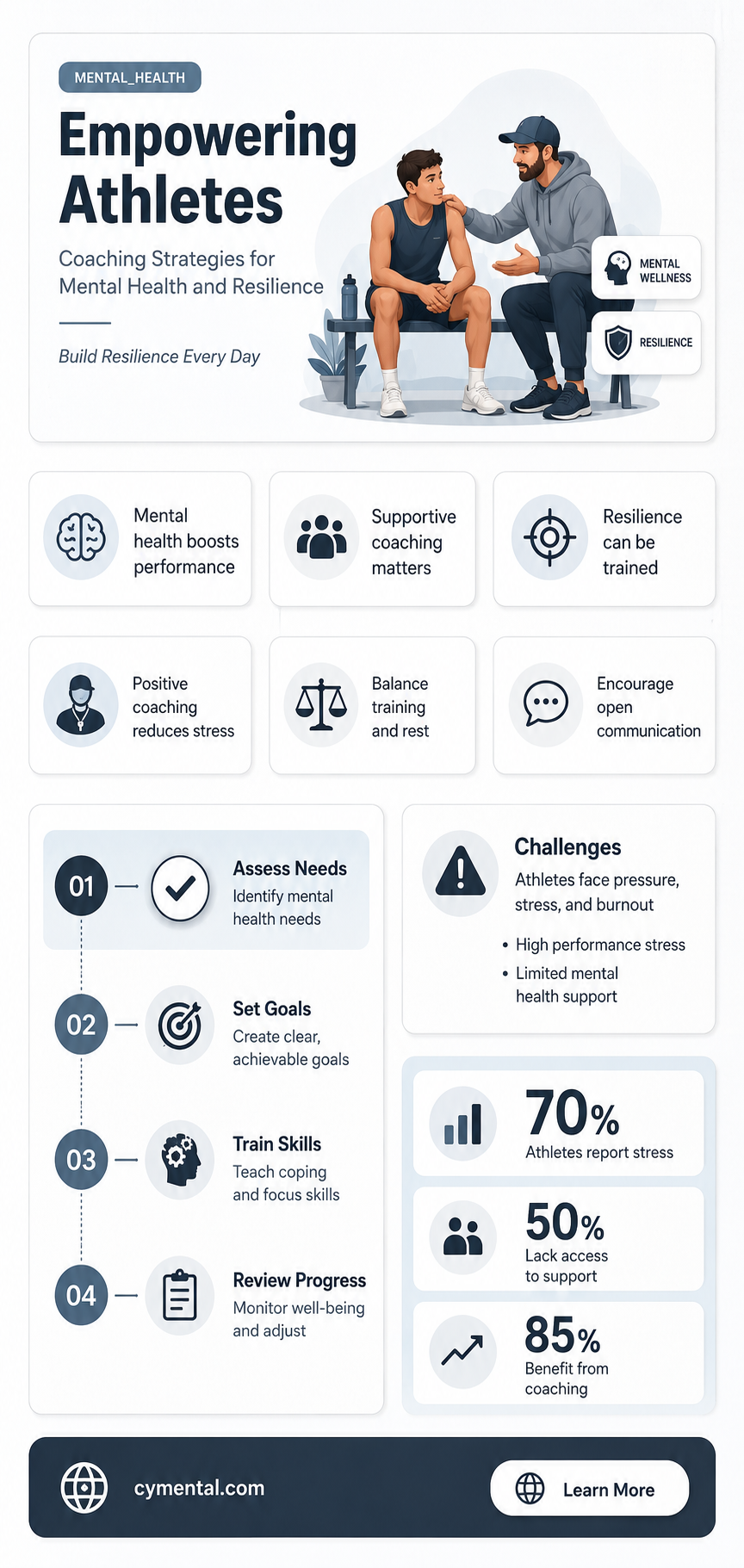
Coaches play a pivotal role in supporting athletes' mental health by fostering a holistic approach to their well-being. Beyond physical training and performance strategies, coaches can create a safe and supportive environment where athletes feel comfortable discussing their mental health challenges. By normalizing conversations about stress, anxiety, and burnout, coaches can reduce stigma and encourage athletes to seek help when needed. Additionally, coaches can implement mindfulness techniques, goal-setting practices, and resilience-building exercises to enhance mental toughness and emotional regulation. Through active listening, empathy, and personalized guidance, coaches can empower athletes to balance the demands of competition with their mental health, ultimately contributing to both their personal growth and athletic success.
Explore related products


What You'll Learn
- Building Trust: Establish safe, non-judgmental relationships to foster open communication about mental health concerns
- Stress Management: Teach coping strategies like mindfulness, breathing exercises, and goal-setting to reduce anxiety
- Performance Pressure: Help athletes reframe failures, manage expectations, and maintain perspective during competitions
- Work-Life Balance: Encourage boundaries between sports and personal life to prevent burnout and fatigue
- Access to Resources: Connect athletes with mental health professionals and support networks for specialized care

Building Trust: Establish safe, non-judgmental relationships to foster open communication about mental health concerns
Athletes often hesitate to disclose mental health struggles due to fear of stigma, performance repercussions, or appearing weak. Coaches, however, can dismantle these barriers by cultivating trust through consistent, empathetic actions. Start by creating a safe space where athletes feel heard without judgment. For instance, during team meetings, explicitly state that mental health discussions are welcomed and confidential. Avoid dismissive phrases like “toughen up” or “just focus on the game.” Instead, use open-ended questions such as, “How are you feeling this week?” or “What’s been on your mind lately?” to signal genuine interest.
Building trust requires intentionality and time. Implement weekly one-on-one check-ins, even if brief, to normalize conversations about mental well-being. For younger athletes (ages 13–18), who may be more guarded, frame these discussions as part of overall performance optimization rather than a sign of weakness. For example, explain how managing stress improves focus and recovery. With older athletes (ages 19+), be direct about the link between mental health and long-term athletic success, citing examples like Simone Biles or Michael Phelps, who openly addressed their struggles.
A critical caution: trust is fragile. Avoid breaking confidentiality unless there’s an immediate safety risk. If an athlete shares a personal struggle, respond with empathy, not advice. Say, “Thank you for sharing that with me. How can I support you?” rather than jumping to solutions. Additionally, be mindful of nonverbal cues—maintaining eye contact, nodding, and avoiding interruptions show respect for their vulnerability.
To sustain trust, coaches must model vulnerability themselves. Share age-appropriate, relatable experiences, such as dealing with pre-competition anxiety or seeking help during tough times. For youth teams, this might mean admitting to feeling overwhelmed by coaching responsibilities. For college or professional athletes, it could involve discussing how therapy improved your own mental resilience. By humanizing yourself, you lower the barrier for athletes to do the same.
In conclusion, trust isn’t built through grand gestures but through small, consistent actions. Prioritize active listening, confidentiality, and vulnerability to create an environment where athletes feel safe to share their mental health concerns. Remember, the goal isn’t to become a therapist but to foster a culture where seeking help is normalized and supported. This foundation of trust not only benefits individual athletes but strengthens the team’s overall resilience and performance.
Strategies to Foster Mental Resilience and Prevent Psychological Disorders
You may want to see also
Explore related products





Stress Management: Teach coping strategies like mindfulness, breathing exercises, and goal-setting to reduce anxiety
Athletes often face intense pressure, from competition stress to performance expectations, which can lead to anxiety and burnout. Coaches play a pivotal role in mitigating these effects by teaching stress management techniques that empower athletes to regain control over their mental state. One of the most effective approaches is integrating coping strategies like mindfulness, breathing exercises, and goal-setting into training routines. These tools not only reduce anxiety but also enhance focus and resilience, creating a foundation for sustained performance.
Mindfulness, for instance, is a practice that encourages athletes to stay present, acknowledging thoughts and emotions without judgment. A simple yet powerful exercise is the "body scan," where athletes lie down and mentally move through each part of their body, noticing sensations without trying to change them. Research shows that just 10 minutes of daily mindfulness practice can significantly lower cortisol levels, the hormone associated with stress. Coaches can introduce this during cool-down periods or as part of pre-competition rituals, ensuring it becomes a habitual part of the athlete’s routine.
Breathing exercises are another accessible tool that can be practiced anywhere, anytime. The "4-7-8 technique" is particularly effective: inhale for 4 seconds, hold for 7 seconds, and exhale for 8 seconds. This pattern activates the parasympathetic nervous system, promoting relaxation. For younger athletes (ages 12–18), coaches can simplify this to a "3-2-6" rhythm to make it more manageable. Incorporating these exercises during timeouts or between sets can help athletes reset mentally, reducing anxiety in high-pressure moments.
Goal-setting, when done correctly, shifts an athlete’s focus from overwhelming outcomes to manageable steps. Coaches should guide athletes in setting SMART goals—specific, measurable, achievable, relevant, and time-bound. For example, instead of aiming to "win the championship," an athlete might focus on "improving sprint times by 0.5 seconds in the next month." This approach not only reduces anxiety by breaking down large tasks but also fosters a sense of accomplishment as each milestone is reached.
However, it’s crucial for coaches to model these strategies themselves. Athletes are more likely to adopt coping mechanisms if they see their coach practicing mindfulness or using breathing techniques during stressful situations. Additionally, coaches should monitor the frequency and intensity of these practices, ensuring they complement rather than overwhelm the athlete’s existing routine. For instance, mindfulness sessions should not exceed 20 minutes for beginners, as longer durations may lead to frustration or disengagement.
In conclusion, stress management is not a one-size-fits-all solution but a tailored approach that requires patience and consistency. By teaching mindfulness, breathing exercises, and goal-setting, coaches equip athletes with the mental tools to navigate pressure effectively. These strategies not only reduce anxiety but also cultivate a mindset of resilience, enabling athletes to perform at their best when it matters most.
Transitioning and Mental Health: Exploring the Impact of Gender Affirmation
You may want to see also
Explore related products



Performance Pressure: Help athletes reframe failures, manage expectations, and maintain perspective during competitions
Athletes often internalize failure as a reflection of their self-worth, a cognitive distortion that amplifies performance pressure. Coaches can intervene by teaching reframing techniques, such as labeling setbacks as "learning opportunities" rather than "failures." For instance, a gymnast who falls during a routine might be encouraged to analyze the specific skill that needs improvement instead of viewing the entire performance as a disaster. This shift in perspective reduces anxiety and fosters a growth mindset, allowing athletes to approach competitions with resilience rather than fear. A practical exercise involves post-performance debriefs where athletes identify one actionable takeaway, focusing on process over outcome.
Managing expectations is another critical aspect of mitigating performance pressure. Coaches must help athletes set realistic, process-oriented goals rather than fixating on outcomes like medals or rankings. For example, a swimmer might aim to maintain a consistent stroke rate throughout a race instead of solely focusing on finishing first. This approach not only reduces the psychological burden of high expectations but also enhances focus on controllable factors. Coaches can use visualization techniques to reinforce these goals, having athletes mentally rehearse executing their process goals under competitive conditions.
Maintaining perspective during competitions requires athletes to balance intensity with detachment. Coaches can introduce mindfulness practices, such as deep breathing or body scans, to ground athletes in the present moment. For instance, a basketball player feeling overwhelmed mid-game could take 10 seconds to focus on their breath, resetting their mental state. Additionally, coaches should model perspective by acknowledging the broader context of sports—that a single competition does not define an athlete’s career or identity. Regularly reminding athletes of their long-term development goals can help them stay grounded during high-pressure moments.
A comparative analysis reveals that athletes who receive mental skills training alongside physical coaching report higher levels of confidence and lower competition-related stress. For example, a study of collegiate athletes found that those who engaged in reframing exercises experienced a 25% reduction in self-reported anxiety during competitions. Coaches can integrate these strategies into daily training by dedicating 10–15 minutes to mental skills practice, such as goal-setting or visualization, ensuring consistency and normalization of these techniques.
In conclusion, coaches play a pivotal role in helping athletes navigate performance pressure by reframing failures, managing expectations, and maintaining perspective. By implementing specific, actionable strategies—such as reframing exercises, process-oriented goal-setting, mindfulness practices, and consistent mental skills training—coaches can empower athletes to perform with clarity and confidence, even under intense competitive stress. These approaches not only enhance performance but also contribute to the long-term mental well-being of athletes.
Social Workers: Catalysts for Mental Health System Reform and Change
You may want to see also
Explore related products


Work-Life Balance: Encourage boundaries between sports and personal life to prevent burnout and fatigue
Athletes often struggle to separate their identities from their performance, leading to an all-consuming focus on sports that bleeds into every aspect of life. This lack of boundaries can result in mental exhaustion, decreased motivation, and ultimately, burnout. Coaches play a pivotal role in fostering work-life balance by explicitly encouraging athletes to compartmentalize their roles. For instance, a coach might implement a "no-sports-talk" rule during team social events or family gatherings, allowing athletes to engage in non-athletic conversations and reconnect with their personal identities.
Consider the case of a collegiate swimmer who trains six days a week, attends classes, and maintains a part-time job. Without clear boundaries, this athlete might feel pressured to review race footage during family dinners or skip social outings to analyze performance data. A coach could intervene by scheduling mandatory "tech-free" evenings or weekends, where athletes are encouraged to disconnect from sports-related tasks. Research suggests that structured downtime improves recovery and reduces stress, with studies showing a 20% decrease in cortisol levels among athletes who engage in non-sport activities for at least 2 hours daily.
Implementing boundaries requires intentionality. Coaches can start by modeling balanced behavior themselves, such as leaving work at the office or openly discussing their own hobbies outside of sports. For younger athletes (ages 13–18), setting age-appropriate limits is crucial. For example, a high school coach might cap daily training hours at 3–4 and discourage excessive communication about sports outside of practice. For elite or professional athletes, the approach may involve negotiating with team management to ensure adequate off-season breaks and mental health days.
However, establishing boundaries isn’t without challenges. Athletes may resist, fearing that stepping away from their sport will hinder progress. Coaches must communicate that balance enhances performance, not detracts from it. A persuasive approach could involve sharing success stories of athletes who thrived after prioritizing personal time. For instance, Simone Biles’ decision to withdraw from events at the 2020 Olympics to focus on her mental health not only preserved her well-being but also set a precedent for prioritizing personal limits in high-stakes environments.
Ultimately, fostering work-life balance is a collaborative effort. Coaches should regularly check in with athletes to assess their stress levels and adjust boundaries as needed. Practical tips include creating a "boundary contract" that outlines agreed-upon limits, such as no training emails after 8 PM, or designating specific days as "sports-free zones." By normalizing these practices, coaches empower athletes to sustain long-term success without sacrificing their mental health. The takeaway is clear: boundaries aren’t barriers—they’re bridges to resilience and fulfillment.
Sento's Soothing Embrace: Exploring Japan's Public Baths for Mental Wellness
You may want to see also
Explore related products



Access to Resources: Connect athletes with mental health professionals and support networks for specialized care
Athletes often face unique mental health challenges, from performance pressure to identity struggles post-retirement. Coaches, as trusted figures in their lives, can play a pivotal role in addressing these issues by ensuring access to specialized resources. One of the most effective ways to do this is by connecting athletes with mental health professionals who understand the nuances of sports-related stressors. For instance, a study published in the *Journal of Applied Sport Psychology* highlights that athletes who receive care from professionals trained in sports psychology report higher levels of resilience and lower anxiety levels. This underscores the importance of not just any mental health support, but *specialized* support tailored to the athlete’s environment.
To implement this, coaches can start by building a network of mental health professionals, including sports psychologists, therapists, and counselors, who are familiar with the demands of athletic performance. For younger athletes, aged 13–18, this might involve partnering with school counselors or local mental health clinics that offer youth-specific programs. For collegiate or professional athletes, coaches could collaborate with team physicians or sports medicine departments to integrate mental health screenings into routine physical assessments. A practical tip is to maintain a list of vetted professionals, complete with their areas of expertise, and share it with athletes during preseason meetings or team workshops.
However, access to professionals is only part of the equation. Coaches must also foster a culture where seeking help is normalized, not stigmatized. This can be achieved through open conversations about mental health, sharing personal experiences (where appropriate), and incorporating mental wellness into team routines. For example, a weekly 15-minute mindfulness session led by a sports psychologist can serve as both a preventive measure and a signal that mental health is a priority. Caution should be taken, though, to avoid forcing participation, as some athletes may prefer one-on-one support over group activities.
Beyond individual professionals, coaches can facilitate connections to broader support networks, such as peer groups or alumni organizations. These networks provide athletes with a sense of community and shared experience, which can be particularly valuable during transitions, like moving from high school to college sports or retiring from competition. For instance, a mentorship program pairing current athletes with retired ones can offer insights into managing mental health challenges across different stages of an athletic career. Such initiatives not only provide emotional support but also practical advice on navigating the pressures of sports.
In conclusion, coaches have the power to transform athletes’ mental health outcomes by acting as gatekeepers to specialized resources. By proactively connecting athletes with mental health professionals and fostering supportive networks, coaches can address issues before they escalate and equip athletes with tools for long-term well-being. The key lies in combining accessibility with a culture of openness, ensuring athletes feel empowered to seek help without fear of judgment. This approach not only benefits individual athletes but also strengthens the team’s overall resilience and performance.
Paws in the Classroom: Pets Boosting Student Mental Health
You may want to see also
Frequently asked questions
Coaches can identify mental health issues by observing changes in behavior, performance, mood, or communication. Signs may include decreased motivation, irritability, withdrawal from teammates, or inconsistent performance. Building trust and maintaining open dialogue with athletes can also encourage them to share their struggles.
Effective communication is crucial for coaches to create a safe and supportive environment. Coaches should listen actively, validate athletes' feelings, and avoid judgment. Regular check-ins and clear, empathetic conversations can help athletes feel understood and supported, fostering trust and openness.
Coaches can promote mental resilience by teaching goal-setting, mindfulness, and positive self-talk. Encouraging athletes to view challenges as opportunities for growth, providing constructive feedback, and fostering a growth mindset can also help build resilience. Additionally, modeling resilience through their own behavior is impactful.
Coaches should connect athletes with professional mental health resources, such as sports psychologists, counselors, or mental health hotlines. They can also provide educational materials, workshops, and access to support groups. Creating a culture that normalizes seeking help is essential for athletes to feel comfortable addressing their mental health needs.