Harper Lewis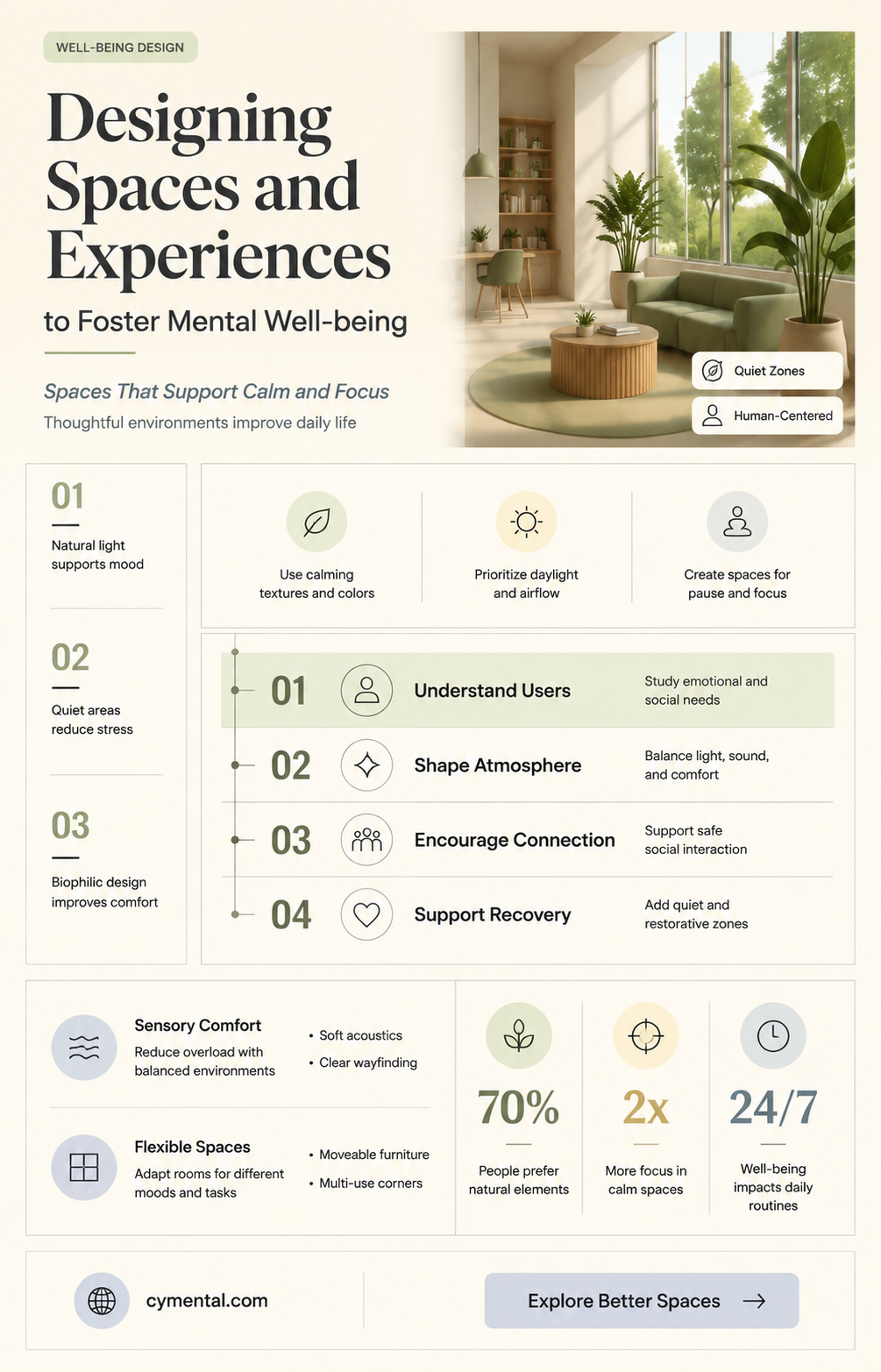
Design plays a pivotal role in addressing mental health challenges by creating environments, products, and experiences that foster well-being, reduce stress, and promote emotional resilience. Thoughtful design can transform spaces into calming sanctuaries, incorporate sensory elements that soothe the mind, and encourage positive behaviors, such as mindfulness or social connection. From the layout of a therapy room to the user interface of a mental health app, design can make mental health resources more accessible, inclusive, and effective. By prioritizing empathy, functionality, and aesthetics, designers can contribute to breaking stigma, enhancing support systems, and ultimately improving the mental health of individuals and communities.
Explore related products


What You'll Learn
- Calming Spaces: Design serene environments to reduce stress and promote relaxation
- Therapeutic Colors: Use hues to influence mood and emotional well-being
- Mindful Technology: Create tech interfaces that minimize anxiety and encourage balance
- Biophilic Design: Incorporate nature elements to enhance mental clarity and peace
- Accessible Layouts: Ensure spaces are inclusive, reducing feelings of isolation or overwhelm

Calming Spaces: Design serene environments to reduce stress and promote relaxation
Stress is an inevitable part of modern life, but its impact on mental health can be mitigated through intentional design. Creating calming spaces isn’t just about aesthetics; it’s about leveraging evidence-based principles to reduce physiological stress responses. For instance, incorporating biophilic design—elements like natural light, indoor plants, and water features—has been shown to lower cortisol levels by 15% in as little as 20 minutes. These environments mimic nature’s calming effects, signaling to the brain that it’s safe to relax.
To design a serene space, start with color psychology. Soft, neutral tones like pale blues, greens, and beiges activate the parasympathetic nervous system, promoting relaxation. Avoid harsh contrasts or vibrant colors, which can subconsciously heighten alertness. Pair this with layered lighting: combine warm, dimmable overhead lights with task lighting and ambient sources like salt lamps or string lights. This flexibility allows users to adjust the environment to their emotional needs, fostering a sense of control and comfort.
Texture and material selection play a critical role in calming design. Incorporate tactile, natural materials like wood, stone, or linen to create a grounding effect. Soft textiles, such as plush rugs or velvet cushions, invite physical interaction and provide sensory comfort. Conversely, avoid cold, hard surfaces that can feel clinical or uninviting. For example, a smooth marble countertop might look sleek but could feel impersonal; pair it with a wooden accent or a textured runner to balance the energy.
Sound is often overlooked but is essential in calming spaces. Excessive noise can elevate stress levels, while strategic acoustic design can create tranquility. Use sound-absorbing materials like curtains, rugs, or acoustic panels to reduce echoes. Incorporate soothing background noise, such as a tabletop water fountain or a white noise machine set to nature sounds. Studies show that exposure to natural sounds can decrease stress by up to 63%, making this a simple yet powerful tool for mental well-being.
Finally, decluttering is non-negotiable in a calming space. A chaotic environment overloads the visual cortex, increasing cognitive fatigue. Implement storage solutions that keep surfaces clear and use minimal decor to maintain a sense of openness. For example, floating shelves or built-in cabinets can hide essentials while preserving clean lines. Pair this with mindful placement: arrange furniture to encourage relaxation, such as a cozy reading nook with a comfortable chair and soft throw blanket. Less is more when designing for serenity.
By combining these elements—biophilic design, color psychology, texture, acoustics, and organization—you can create a space that actively reduces stress and promotes relaxation. It’s not about luxury but about intentionality, crafting an environment that supports mental health through every detail.
Ushering Hope: How Support Systems Aid Mental Health Recovery
You may want to see also
Explore related products


Therapeutic Colors: Use hues to influence mood and emotional well-being
Color is a silent influencer, shaping our emotions and perceptions in subtle yet profound ways. In the realm of mental health, the strategic use of hues can act as a therapeutic tool, fostering calm, energy, or focus depending on the palette chosen. For instance, soft blues and greens, reminiscent of nature, have been shown to reduce stress and anxiety, making them ideal for spaces where relaxation is paramount. Conversely, warm tones like yellows and oranges can stimulate positivity and creativity, though their intensity should be balanced to avoid overstimulation. Understanding this interplay allows designers to craft environments that actively support emotional well-being.
To harness the power of therapeutic colors effectively, consider the purpose of the space and the psychological needs of its occupants. Hospitals and therapy rooms often incorporate pale blues or muted greens to create a soothing atmosphere, while creative studios might use accents of vibrant red or orange to spark inspiration. For home environments, a layered approach works best: use neutral base colors like beige or soft gray, then introduce therapeutic hues through accessories or accent walls. For example, a lavender throw pillow or a sage green rug can subtly infuse a room with calming energy without overwhelming the senses.
One practical tip is to experiment with color in small doses before committing to a full redesign. Paint a single wall, add colored curtains, or incorporate artwork in the desired hue to observe its impact on mood. For children, who are particularly sensitive to color, opt for softer pastels rather than bold primaries to avoid overstimulation. In workspaces, consider the 60-30-10 rule: 60% of the room in a dominant neutral color, 30% in a secondary therapeutic hue, and 10% in an accent color to maintain balance. This approach ensures the space remains functional while promoting mental clarity and emotional stability.
While color therapy is a powerful tool, it’s essential to recognize individual differences in how people respond to hues. Cultural associations, personal experiences, and even neurological factors can influence perception. For instance, red may energize some but trigger anxiety in others. To mitigate this, involve the user in the design process, allowing them to choose colors that resonate personally. Additionally, combine color with other design elements like lighting and texture to enhance its therapeutic effects. Natural light, for example, can amplify the calming properties of blue or the warmth of yellow, creating a more holistic healing environment.
In conclusion, therapeutic colors are not a one-size-fits-all solution but a nuanced tool that, when applied thoughtfully, can significantly impact mental health. By understanding the psychological effects of hues, experimenting with application methods, and tailoring designs to individual needs, we can create spaces that nurture emotional well-being. Whether in a home, workplace, or healthcare setting, the right palette has the potential to transform not just the look of a space, but its feel—and, by extension, the minds of those who inhabit it.
Psychiatrists: Expert Mental Health Support for Healing and Recovery
You may want to see also
Explore related products



Mindful Technology: Create tech interfaces that minimize anxiety and encourage balance
The average person spends nearly 7 hours a day interacting with digital devices, a statistic that underscores the urgent need for tech interfaces designed with mental well-being in mind. Mindful technology isn’t about eliminating screens but reimagining them as tools that foster calm, clarity, and balance. By prioritizing intentional design, we can transform digital experiences from sources of stress into allies for mental health.
Consider the impact of color palettes and typography. Research shows that warm, muted tones like soft blues and greens reduce physiological arousal, while harsh contrasts and bright reds can heighten anxiety. Similarly, serif fonts are perceived as more approachable than stark sans-serifs, subtly influencing user mood. For instance, the meditation app Calm uses a gradient of pastel hues and rounded typefaces to create a soothing visual environment. Designers should audit their interfaces for elements that inadvertently trigger stress, replacing them with choices backed by psychological studies.
Another critical aspect is interaction design. Endless scrolling, autoplay features, and persistent notifications exploit cognitive biases, trapping users in cycles of distraction and urgency. Mindful tech counters this by embedding friction in ways that encourage reflection. For example, Instagram’s "You’re All Caught Up" prompt signals a natural stopping point, while Apple’s Screen Time summaries nudge users toward awareness without judgment. Designers can adopt similar patterns by capping session lengths, delaying non-essential alerts, or introducing micro-pauses (e.g., a 2-second delay before opening a new tab) to disrupt autopilot behavior.
However, mindful design isn’t solely about subtraction—it’s also about addition. Incorporating biometric feedback, such as heart rate variability or facial expression analysis, can enable interfaces to adapt in real time. For instance, a productivity app might dim the screen and suggest a break if it detects signs of fatigue. While this approach raises privacy concerns, opt-in systems that give users control over data sharing can mitigate risks. The key is to use technology’s capabilities to empower, not overwhelm.
Ultimately, creating mindful tech requires a paradigm shift from engagement maximization to well-being optimization. Designers must ask: Does this feature serve the user’s long-term health, or does it exploit their vulnerabilities? By embedding mindfulness into the DNA of digital products—through intentional aesthetics, thoughtful interactions, and adaptive technologies—we can build interfaces that don’t just coexist with life but actively enhance it. The goal isn’t to resist technology but to reshape it into a force for balance.
Psychology's Role in Healing: Can Studying the Mind Aid Mental Health Recovery?
You may want to see also
Explore related products


Biophilic Design: Incorporate nature elements to enhance mental clarity and peace
Human beings have an innate connection to nature, a bond that has been forged over millennia of evolution. This connection, often referred to as biophilia, suggests that we are inherently drawn to natural environments and elements. In the context of design, harnessing this affinity can have profound effects on mental health and well-being. Biophilic design is not merely an aesthetic choice but a strategic approach to creating spaces that nurture the mind and soul.
The Power of Nature's Presence
Imagine a workspace adorned with lush greenery, where natural light floods through large windows, and the gentle sound of a water feature soothes the atmosphere. This is not a luxury but a prescription for improved mental health. Research indicates that incorporating natural elements into indoor spaces can reduce stress, enhance cognitive function, and promote a sense of tranquility. For instance, a study conducted in offices found that employees with access to natural light and views of greenery reported lower stress levels and higher job satisfaction. The simple act of introducing plants, water features, or natural materials like wood and stone can create a calming environment, offering a respite from the pressures of daily life.
Design Strategies for Mental Clarity
Implementing biophilic design principles can be a powerful tool for architects and interior designers aiming to improve mental health outcomes. Here's a practical guide:
- Bring the Outdoors In: Incorporate large windows to maximize natural light and provide views of the outside. If privacy is a concern, consider using sheer curtains or blinds to maintain a connection with nature while ensuring comfort.
- Green Walls and Vertical Gardens: These living walls not only add aesthetic appeal but also improve air quality and create a sense of being surrounded by nature. They are particularly effective in urban settings where access to green spaces is limited.
- Natural Materials: Opt for furniture and decor made from wood, stone, or other natural materials. These elements provide a tactile connection to nature and can be especially beneficial in creating a calming atmosphere in bedrooms or meditation spaces.
- Water Features: The sound and sight of moving water have been shown to induce relaxation. Indoor fountains or aquariums can be excellent additions to waiting areas or home offices, providing a focal point for stress relief.
A Comparative Perspective
In contrast to traditional design approaches that often prioritize functionality over well-being, biophilic design offers a holistic solution. It challenges the notion that mental health support is solely the domain of healthcare professionals. By integrating nature into the built environment, designers can play a pivotal role in preventing and alleviating mental health issues. For example, in healthcare settings, biophilic design elements have been linked to reduced patient stress and improved recovery rates, demonstrating its potential as a complementary therapy.
Practical Implementation and Benefits
The beauty of biophilic design lies in its versatility and accessibility. It can be applied to various settings, from residential homes to corporate offices and public spaces. For instance, in educational institutions, incorporating natural elements has been shown to improve students' concentration and overall well-being. A simple yet effective strategy is to create outdoor learning areas or ensure that classrooms have ample natural light and potted plants. This approach not only benefits students but also provides a more inspiring and healthy environment for teachers.
Incorporating biophilic design is a powerful way to address mental health concerns proactively. By bringing nature into our living and working spaces, we can create environments that foster mental clarity, reduce stress, and promote a sense of peace. This design philosophy encourages a harmonious relationship between humans and their surroundings, offering a simple yet effective strategy to enhance overall well-being. With its potential to improve mental health, biophilic design is not just a trend but a necessary consideration in creating spaces that truly support and nurture their inhabitants.
Spirituality and Mental Health: Exploring Inner Peace for Well-Being
You may want to see also
Explore related products





Accessible Layouts: Ensure spaces are inclusive, reducing feelings of isolation or overwhelm
Physical environments profoundly influence mental states, often in ways we don’t consciously register. A cluttered, chaotic space can heighten anxiety, while a well-organized, open layout fosters calm. For individuals with neurodivergent conditions or sensory sensitivities, the impact is even more pronounced. Accessible layouts aren’t just about mobility—they’re about creating spaces that feel safe, navigable, and welcoming to all. By prioritizing inclusivity in design, we can reduce feelings of isolation and overwhelm, turning physical spaces into tools for mental well-being.
Consider the principles of universal design, which emphasize flexibility and adaptability. Wide doorways, uncluttered pathways, and clear sightlines aren’t just accommodations for wheelchair users; they benefit everyone, from parents pushing strollers to individuals with social anxiety who need unobstructed routes to exits. Incorporate sensory-friendly elements like soft lighting, acoustic panels, and designated quiet zones to cater to those who are easily overstimulated. For example, a workplace with adjustable desks, modular furniture, and varied seating options (soft couches, ergonomic chairs, standing desks) allows individuals to customize their environment to their comfort level, reducing stress and increasing productivity.
Contrast this with traditional layouts that prioritize aesthetics over functionality. Narrow hallways, harsh fluorescent lighting, and open-plan offices without privacy options can exacerbate feelings of claustrophobia or exposure. A 2021 study published in *Environment and Behavior* found that employees in offices with rigid, inflexible layouts reported higher levels of burnout and lower job satisfaction. The takeaway? Accessibility isn’t a niche concern—it’s a foundational element of mental health-conscious design.
To implement accessible layouts effectively, start with a user-centered approach. Engage with diverse groups to understand their needs: conduct surveys, hold focus groups, or invite feedback sessions. For instance, a school redesigning its library might consult students with ADHD, autism, and anxiety disorders to identify triggers (e.g., loud common areas) and solutions (e.g., partitioned study nooks). Use materials and colors mindfully—matte finishes reduce glare, while neutral tones create a soothing backdrop. Incorporate biophilic elements like indoor plants or natural light, which have been shown to reduce stress by up to 15% in some studies.
Finally, remember that accessibility is an ongoing process, not a one-time fix. Regularly audit spaces for barriers, both physical and sensory, and be willing to adapt. A café that introduces a “quiet hour” with dimmed lights and muted music once a week, for example, can become a sanctuary for neurodivergent patrons. By designing with inclusivity at the forefront, we don’t just create spaces—we cultivate environments that affirm dignity, reduce stigma, and nurture mental health for everyone.
Mental Health Workers: Preventing School Shootings Through Early Intervention and Support
You may want to see also
Frequently asked questions
Design can enhance mental health in public spaces by incorporating elements like natural light, greenery, and comfortable seating to create calming environments. Thoughtful layouts that reduce noise and crowding, along with inclusive features like quiet zones or sensory-friendly areas, can promote relaxation and reduce stress for all users.
Yes, interior design can significantly impact mental well-being by creating spaces that feel safe, organized, and personalized. Using soothing colors, maximizing natural light, and minimizing clutter can reduce anxiety. Incorporating plants, comfortable furniture, and areas for relaxation or hobbies can also foster a sense of peace and positivity.
Product design can support mental health by creating tools that encourage mindfulness, reduce stress, or provide emotional comfort. Examples include apps for meditation and mood tracking, weighted blankets for anxiety relief, or ergonomic devices that minimize physical strain. Thoughtful, user-centered design ensures products are accessible and intuitive, promoting ease of use and mental well-being.