Noah Parker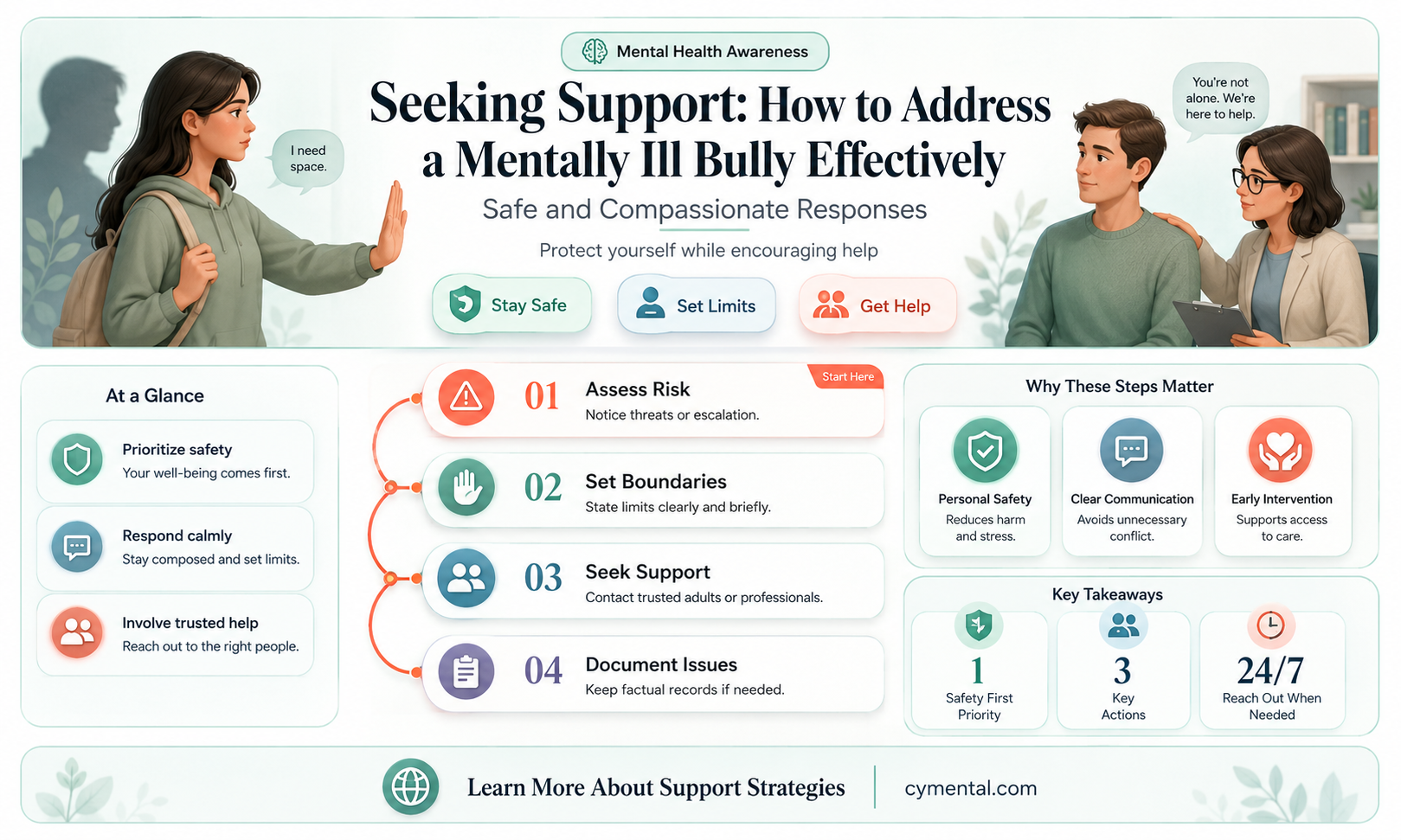
Dealing with a mentally ill bully can be incredibly challenging, as their behavior often stems from underlying psychological struggles rather than malice alone. If you or someone you know is being targeted by such an individual, it’s crucial to seek help that addresses both the bullying behavior and the bully’s mental health needs. Start by documenting incidents and ensuring your safety, then consider involving trusted authorities like school counselors, workplace HR departments, or mental health professionals who can intervene appropriately. Encouraging the bully to seek therapy or treatment for their mental health issues can also be a constructive step, as it may help them manage their emotions and behaviors more effectively. Additionally, seeking support for yourself, whether through counseling or support groups, is essential to process the emotional impact of the bullying and develop strategies to cope.
| Characteristics | Values |
|---|---|
| Recognize the Signs | Aggressive behavior, verbal abuse, intimidation, manipulation, lack of empathy, mood swings, social isolation, substance abuse |
| Prioritize Your Safety | Set firm boundaries, limit contact, avoid triggering situations, have a support system, develop a safety plan |
| Seek Professional Help | Therapists, counselors, psychiatrists, support groups, crisis hotlines (e.g., National Alliance on Mental Illness - NAMI, Crisis Text Line) |
| Encourage Treatment | Gently suggest professional help, offer to accompany them to appointments, provide resources (e.g., mental health organizations, online therapy platforms) |
| Educate Yourself | Learn about their specific mental illness, understand triggers and behaviors, research coping strategies and de-escalation techniques |
| Communicate Effectively | Use "I" statements, avoid blaming or accusing, remain calm and assertive, set clear expectations and consequences |
| Involve Authorities if Necessary | Report severe or dangerous behavior to school administrators, employers, or law enforcement, document incidents and evidence |
| Practice Self-Care | Prioritize your mental and physical well-being, engage in stress-reducing activities, seek support for yourself (e.g., therapy, support groups) |
| Be Patient and Compassionate | Understand that change takes time, avoid enabling harmful behavior, balance empathy with accountability |
| Know Your Limits | Recognize when the situation is beyond your control, prioritize your safety and well-being, seek external help when needed |
Explore related products


What You'll Learn
- Recognizing Mental Health Signs: Learn to identify symptoms of mental illness in bullies to address root causes
- Seeking Professional Support: Consult therapists or counselors for guidance on handling mentally ill bullies effectively
- Setting Boundaries Safely: Establish clear limits while ensuring personal safety and avoiding escalation of conflict
- Support Networks: Engage friends, family, or support groups to cope with emotional stress from bullying
- Reporting and Resources: Use school, workplace, or legal resources to report bullying and seek intervention

Recognizing Mental Health Signs: Learn to identify symptoms of mental illness in bullies to address root causes
Bullies often exhibit behaviors that stem from underlying mental health issues, making it crucial to recognize these signs early. Aggression, manipulation, and a persistent need for control can mask deeper struggles such as anxiety, depression, or trauma. For instance, a bully who constantly humiliates others might be projecting their own feelings of inadequacy or fear of rejection. By identifying these symptoms, you can shift from reacting to their behavior to addressing the root causes, fostering a more compassionate and effective response.
To identify mental health signs in bullies, observe patterns in their behavior and emotional expressions. Look for signs of irritability, mood swings, or social withdrawal, which could indicate depression or bipolar disorder. Pay attention to excessive fear or paranoia, potential markers of anxiety disorders. For younger bullies (ages 10–14), watch for sudden changes in academic performance or peer relationships, as these can signal emerging mental health challenges. Documenting specific incidents and behaviors can help you build a clearer picture and communicate concerns to professionals.
Addressing a mentally ill bully requires a balanced approach of empathy and boundary-setting. Start by creating a safe space for dialogue, avoiding accusatory language. For example, instead of saying, “You’re being mean,” try, “I’ve noticed you seem upset lately—is everything okay?” Encourage professional help by suggesting resources like school counselors, therapists, or mental health hotlines. For adolescents (ages 15–18), involve parents or guardians in the conversation, emphasizing the importance of early intervention. Remember, your role is to support, not diagnose, so focus on guiding them toward appropriate care.
Comparing the bully’s behavior to typical developmental stages can help distinguish between age-appropriate challenges and signs of mental illness. While occasional conflict is normal in teens, persistent aggression or emotional instability is not. For instance, a 13-year-old who frequently threatens peers over minor issues may be expressing unresolved anger tied to trauma or ADHD. By understanding these distinctions, you can advocate for tailored interventions, such as cognitive-behavioral therapy or anger management programs, which address both the behavior and its underlying causes.
Ultimately, recognizing mental health signs in bullies is a proactive step toward breaking cycles of harm. It shifts the focus from punishment to healing, acknowledging that bullies are often victims themselves. By fostering awareness and compassion, you can help create environments where both bullies and their targets receive the support they need. Practical steps include educating yourself on mental health resources, promoting open communication, and collaborating with schools or community organizations to implement preventive measures. This approach not only addresses individual struggles but also contributes to a healthier, more empathetic society.
Physical Pain vs. Mental Anguish: Can One Ease the Other?
You may want to see also
Explore related products


Seeking Professional Support: Consult therapists or counselors for guidance on handling mentally ill bullies effectively
Dealing with a mentally ill bully can be emotionally taxing and complex, requiring more than just personal resilience. Consulting therapists or counselors offers a structured, evidence-based approach to navigate this challenging dynamic. These professionals provide tailored strategies that address both the bully’s mental health needs and your own well-being, ensuring a balanced and compassionate response.
Therapists and counselors act as neutral mediators, helping you understand the underlying causes of the bully’s behavior. Mental illness often manifests as aggression, manipulation, or hostility, and these experts can decode these actions to reveal the root issues—whether it’s untreated anxiety, depression, or personality disorders. For instance, a counselor might explain how a bully’s paranoia fuels their need to control others, shifting your perspective from anger to empathy without excusing harmful behavior.
Practical steps to engage professional support include identifying specialists experienced in dual roles: victim support and mental health advocacy. Start by seeking therapists who specialize in trauma or interpersonal conflict, as they can equip you with coping mechanisms like boundary-setting and de-escalation techniques. For example, a therapist might teach you to respond to verbal attacks with calm, non-confrontational statements like, “I understand you’re upset, but I won’t engage in this conversation until we both feel safe.”
Caution: Avoid attempting to diagnose or treat the bully yourself. While understanding their mental health struggles is valuable, amateur interventions can exacerbate the situation. Instead, focus on protecting your own mental health and letting professionals guide systemic solutions, such as involving school counselors, workplace HR, or legal authorities if necessary.
The takeaway is clear: professional support transforms a reactive stance into a proactive strategy. Therapists not only empower you to handle immediate conflicts but also help you build long-term resilience. By addressing the emotional toll of bullying and providing tools to manage future interactions, they ensure you’re not just surviving but thriving in the face of adversity.
Government Support for Mental Health: Effective Solutions or Missed Opportunities?
You may want to see also
Explore related products



Setting Boundaries Safely: Establish clear limits while ensuring personal safety and avoiding escalation of conflict
Dealing with a mentally ill bully requires a delicate balance between assertiveness and empathy. Setting boundaries is essential, but it must be done in a way that prioritizes your safety and minimizes the risk of triggering further aggression. Start by identifying the specific behaviors that are unacceptable to you. For instance, if the bully frequently invades your personal space, clearly define what constitutes a violation—standing too close, touching without consent, or entering your private areas. This clarity helps you communicate your limits effectively without ambiguity.
Once you’ve identified the problematic behaviors, communicate your boundaries using firm but neutral language. Avoid accusatory tones or emotional reactions, as these can escalate the situation. For example, instead of saying, "You always invade my space and it’s annoying," use a statement like, "I need you to maintain a respectful distance from me at all times." Be concise and specific. If the bully struggles with processing information, consider writing your boundaries down or using visual aids to reinforce your message. Remember, the goal is to assert your limits, not to provoke or engage in a debate.
Safety planning is a critical component of boundary-setting with a mentally ill bully. Always assess the environment before confronting them. Choose a public or neutral space where others are present, as this reduces the likelihood of physical harm. If you feel threatened, have a prearranged signal or code word with a trusted person who can intervene. For instance, a simple text message like "I need you here now" can alert someone to your situation without escalating the bully’s behavior. Additionally, familiarize yourself with local resources, such as crisis hotlines or mental health professionals, who can provide immediate support if needed.
Finally, enforce your boundaries consistently and without exception. Inconsistency sends mixed signals and may encourage the bully to test your limits further. If the behavior continues, document each incident with dates, times, and descriptions. This record can be invaluable if you need to involve authorities or seek legal protection. While it’s important to approach the situation with compassion, your well-being must remain the top priority. By setting clear, enforceable boundaries and preparing for potential risks, you can protect yourself while navigating this challenging dynamic.
Worksheets for Mental Health: Tools for Healing and Self-Discovery
You may want to see also
Explore related products




Support Networks: Engage friends, family, or support groups to cope with emotional stress from bullying
Dealing with a mentally ill bully can leave you feeling isolated and overwhelmed, but you don't have to face it alone. Building a support network is crucial for managing the emotional toll. Start by identifying trusted friends or family members who can offer a listening ear and emotional validation. These individuals can provide a safe space for you to express your feelings without judgment, helping to alleviate the stress and anxiety caused by the bullying.
Consider joining support groups, either in-person or online, specifically tailored for individuals dealing with bullying or mental health challenges. Organizations like the National Alliance on Mental Illness (NAMI) or local community centers often host groups where you can connect with others who share similar experiences. These groups not only offer emotional support but also practical strategies for coping, such as mindfulness techniques or boundary-setting exercises. For example, a weekly support group meeting can serve as a structured outlet to process emotions and gain insights from others who understand your situation.
When engaging your support network, be specific about what you need. If you’re seeking advice, ask for it directly. If you simply need someone to listen, communicate that clearly. For instance, you might say, “I’m feeling really overwhelmed right now and just need to talk—I don’t need solutions, just a listening ear.” This clarity ensures that your support system can respond in a way that’s most helpful to you.
It’s also important to recognize the limitations of your support network. While friends and family can provide emotional backing, they may not always have the tools to address the complexities of mental illness or bullying. In such cases, encourage professional intervention for the bully while focusing on your own well-being. For example, if the bully is a family member, suggest a mental health evaluation or therapy while you prioritize self-care and boundary enforcement.
Finally, maintain regular check-ins with your support network to monitor your emotional health. Set aside time each week to connect with a friend, attend a support group, or journal about your experiences. Consistency is key—small, regular acts of self-care and connection can build resilience over time. Remember, leaning on others isn’t a sign of weakness; it’s a strategic step toward reclaiming your emotional stability in the face of adversity.
Does School Support Mental Health? Exploring the Impact of Education
You may want to see also
Explore related products


Reporting and Resources: Use school, workplace, or legal resources to report bullying and seek intervention
Bullying by someone with mental health issues complicates reporting, but structured resources exist to address both the behavior and its root causes. Schools, workplaces, and legal systems offer frameworks designed to intervene while considering the bully’s condition. For instance, schools often have anti-bullying policies that include mental health assessments, while workplaces may provide Employee Assistance Programs (EAPs) offering counseling for both parties involved. These systems aim to balance accountability with support, ensuring the bully receives help rather than solely punitive measures.
In schools, reporting begins with documenting incidents—dates, times, witnesses, and specific behaviors. Approach a trusted teacher, counselor, or administrator who can escalate the issue to a multidisciplinary team. Many schools have threat assessment teams trained to evaluate risks and devise intervention plans. For younger students (ages 6–12), involve parents or guardians early; for teens (ages 13–18), schools may collaborate with external mental health professionals to provide in-school therapy or referrals. Caution: Avoid confronting the bully directly, as this can escalate tensions or stigmatize their mental health struggles.
Workplaces require a different approach. Start by reviewing your employee handbook for reporting procedures, typically involving HR or a designated compliance officer. Provide detailed written reports, focusing on observable behaviors rather than assumptions about the bully’s mental state. Employers are legally obligated to investigate under laws like Title VII (U.S.) or the Equality Act (UK), but they must also accommodate disabilities, including mental health conditions, under the ADA or similar legislation. Practical tip: Suggest a workplace adjustment plan, such as modified duties or mediation, to address the behavior while supporting the individual’s needs.
Legal resources should be a last resort but are necessary in severe cases. Document everything—emails, texts, witness statements—to build a case if bullying escalates to harassment or assault. In the U.S., consult a lawyer to file a restraining order or pursue charges under state bullying laws. In the UK, use the Public Order Act or Protection from Harassment Act as frameworks. However, legal action often exacerbates mental health issues, so pair it with advocacy for treatment. For example, courts may mandate counseling or anger management programs as part of a resolution, addressing the behavior’s root cause.
The key takeaway is leveraging existing systems to create dual outcomes: stopping the bullying and connecting the individual to mental health support. Schools, workplaces, and legal channels each offer tools tailored to their contexts, but all require clear, factual reporting and an emphasis on constructive intervention. By using these resources strategically, you can protect yourself or others while fostering a compassionate response to the bully’s underlying struggles.
Exploring 5-MeO-DMT's Potential for Mentally Ill Homeless Populations
You may want to see also
Frequently asked questions
Start by consulting a mental health professional, such as a therapist or psychiatrist, who can assess the individual’s condition and recommend appropriate treatment. You can also contact local mental health clinics, community health centers, or organizations specializing in mental health support for guidance.
Approach the situation with empathy and avoid confrontation, as it may escalate the behavior. Encourage the individual to seek help by offering support and resources, such as therapy or support groups. If the behavior poses a risk to others, involve authorities or professionals who can intervene safely.
Yes, many organizations and online platforms offer support for victims of bullying, including those affected by individuals with mental health issues. Groups like the National Alliance on Mental Illness (NAMI) or local counseling centers can provide resources, guidance, and emotional support for victims.