Lucas Bennett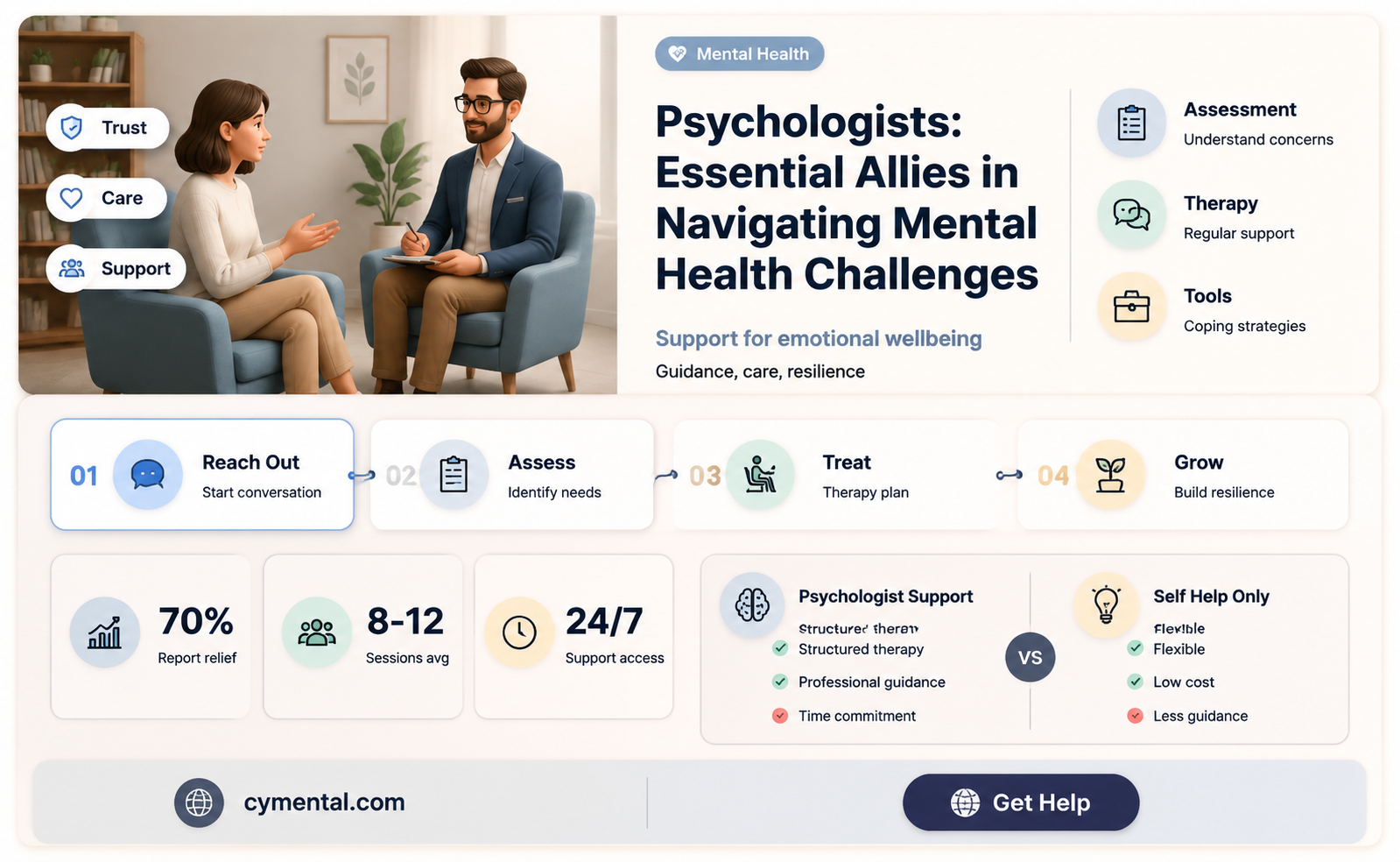
Psychologists play a crucial role in supporting mental health by offering evidence-based therapies, assessments, and interventions tailored to individual needs. Through techniques like cognitive-behavioral therapy (CBT), mindfulness, and psychoeducation, they help individuals understand and manage conditions such as anxiety, depression, and trauma. Psychologists also provide tools to improve coping strategies, enhance emotional resilience, and foster healthier relationships. By creating a safe, non-judgmental space, they empower clients to explore their thoughts, feelings, and behaviors, promoting long-term mental well-being and personal growth. Their expertise bridges the gap between psychological theory and practical solutions, making them invaluable in addressing mental health challenges.
Explore related products

$10.99 $18.99



What You'll Learn
- Therapy Techniques: Psychologists use evidence-based therapies like CBT, DBT, and ACT to treat mental health disorders
- Behavioral Modification: Helps change harmful behaviors and thought patterns through structured interventions and positive reinforcement
- Stress Management: Teaches coping strategies to reduce stress, anxiety, and improve overall emotional resilience
- Trauma Healing: Specialized approaches like EMDR and trauma-focused CBT aid in processing and recovery
- Mindfulness Training: Promotes present-moment awareness to reduce symptoms of depression, anxiety, and emotional distress

Therapy Techniques: Psychologists use evidence-based therapies like CBT, DBT, and ACT to treat mental health disorders
Psychologists employ a range of evidence-based therapies to address mental health disorders, each tailored to specific needs and conditions. Cognitive Behavioral Therapy (CBT) is one of the most widely used approaches, focusing on identifying and changing negative thought patterns and behaviors. For instance, a person with anxiety might work with a psychologist to challenge catastrophic thinking, such as "I will fail completely," by replacing it with more balanced thoughts like "I can handle challenges." CBT is typically delivered in 12 to 20 sessions, making it a structured and time-limited option for those seeking measurable progress.
Dialectical Behavior Therapy (DBT) is another powerful tool, originally designed for individuals with borderline personality disorder but now adapted for conditions like depression, eating disorders, and PTSD. DBT emphasizes mindfulness, emotional regulation, and interpersonal effectiveness. A key component is the distress tolerance skill, which teaches individuals to accept and cope with difficult emotions rather than resorting to harmful behaviors. For example, a patient might practice radical acceptance during a crisis, acknowledging their situation without judgment to reduce emotional suffering. DBT often involves both individual therapy and group skills training, providing a comprehensive support system.
Acceptance and Commitment Therapy (ACT) takes a unique approach by encouraging individuals to accept their thoughts and feelings rather than fighting them. The goal is to clarify personal values and take committed action toward meaningful life goals. For someone struggling with chronic pain, ACT might involve accepting discomfort while focusing on activities that bring fulfillment, such as volunteering or pursuing a hobby. This therapy is particularly effective for conditions like anxiety, depression, and chronic pain, often requiring 8 to 12 sessions to establish a solid foundation in its principles.
While these therapies are distinct, they share a common thread: empowering individuals to take control of their mental health through actionable strategies. CBT targets cognitive distortions, DBT builds emotional resilience, and ACT fosters psychological flexibility. Each therapy is adaptable to different age groups, from adolescents to older adults, and can be integrated with other treatments like medication for enhanced effectiveness. Practical tips for maximizing benefits include setting specific goals, practicing skills between sessions, and maintaining open communication with the psychologist. By leveraging these evidence-based techniques, psychologists provide not just relief but lasting tools for mental well-being.
Boost Your Mood: How Morning Cardio Enhances Mental Health
You may want to see also
Explore related products


$10.88 $15.99


Behavioral Modification: Helps change harmful behaviors and thought patterns through structured interventions and positive reinforcement
Harmful behaviors and thought patterns often feel immutable, but behavioral modification offers a structured pathway to change. This approach, rooted in psychological principles, leverages interventions like cognitive restructuring and positive reinforcement to reshape ingrained habits. For instance, a person struggling with procrastination might work with a psychologist to break tasks into smaller, manageable steps, rewarding completion with a favorite activity. Over time, this rewires the brain to associate productivity with positive outcomes, diminishing avoidance tendencies.
The process begins with identifying target behaviors and their triggers. A psychologist might use tools like self-monitoring logs or functional behavior assessments to pinpoint patterns. For a teenager with anger outbursts, this could involve tracking situations that precede the behavior—perhaps frustration during homework or conflicts with peers. Once triggers are clear, interventions are tailored to replace harmful responses with constructive ones. For example, deep breathing exercises or time-outs might be introduced as immediate alternatives to lashing out.
Positive reinforcement plays a critical role in sustaining change. Unlike punishment, which often breeds resentment, rewards encourage repetition of desired behaviors. A child with ADHD might earn extra screen time for completing homework without distractions. Adults could use self-rewards, like a coffee break after finishing a challenging task. The key is consistency: rewards must be immediate, specific, and meaningful to the individual. Over time, intrinsic motivation often replaces the need for external incentives.
However, behavioral modification isn’t without challenges. Progress can be slow, and setbacks are common. A smoker trying to quit might relapse after weeks of success, feeling discouraged. Here, a psychologist’s role is crucial—they reframe lapses as learning opportunities rather than failures. Techniques like contingency management, where rewards are tied to measurable outcomes (e.g., negative nicotine tests), can enhance accountability. For severe cases, combining behavioral modification with medication or other therapies may be necessary.
In practice, this approach is versatile, applicable across age groups and conditions. A parent might use token economies to encourage chores in a defiant child, while an older adult could employ habit reversal training to manage compulsive behaviors. The common thread is systematic, evidence-based intervention. By focusing on measurable behaviors and reinforcing progress, behavioral modification empowers individuals to reclaim control over their mental health, one step at a time.
Accessing Mental Health Support: Affordable Options for the Uninsured
You may want to see also
Explore related products

$8.5 $19.99


Stress Management: Teaches coping strategies to reduce stress, anxiety, and improve overall emotional resilience
Stress is an inevitable part of life, but its impact on mental health can be mitigated through effective coping strategies. Psychologists play a pivotal role in teaching individuals how to manage stress, reduce anxiety, and build emotional resilience. By employing evidence-based techniques, they empower clients to transform their relationship with stress from a debilitating force into a manageable challenge. One such technique is cognitive-behavioral therapy (CBT), which helps individuals identify and reframe negative thought patterns that exacerbate stress. For instance, a psychologist might guide a client to replace catastrophic thinking ("I’ll never meet this deadline") with realistic self-talk ("I can break this task into smaller steps"). This shift in perspective not only reduces immediate anxiety but also fosters long-term resilience.
Practical strategies taught by psychologists often include mindfulness and relaxation techniques, such as deep breathing exercises or progressive muscle relaxation. For example, a 5-minute diaphragmatic breathing session—inhaling for 4 seconds, holding for 4 seconds, and exhaling for 6 seconds—can activate the body’s relaxation response, lowering cortisol levels. These tools are particularly effective for individuals aged 18–65, as research shows consistent practice can reduce symptoms of anxiety by up to 38%. Psychologists also emphasize the importance of time management and boundary-setting, teaching clients to prioritize tasks and say no to unnecessary commitments. By structuring their day more intentionally, individuals can prevent stress from accumulating in the first place.
A comparative analysis reveals that while medication can alleviate symptoms of anxiety and stress, psychological interventions offer a sustainable, side-effect-free alternative. For instance, a study published in *JAMA Psychiatry* found that CBT was as effective as antidepressants in treating generalized anxiety disorder, with benefits lasting beyond the treatment period. This highlights the value of learning coping strategies as a long-term investment in mental health. Psychologists also tailor their approach to individual needs, whether through biofeedback for stress monitoring or exposure therapy for anxiety-triggering situations, ensuring personalized care.
Finally, the takeaway is clear: stress management is not about eliminating stressors but about building the capacity to navigate them. Psychologists provide the tools and frameworks needed to cultivate emotional resilience, enabling individuals to face challenges with confidence. By integrating these strategies into daily life—whether through mindfulness, cognitive reframing, or boundary-setting—anyone can reduce their stress levels and improve their overall well-being. The key lies in consistent practice and the guidance of a trained professional who can adapt these techniques to fit unique circumstances.
Mental Health Case Managers: Legal Support and Advocacy Explained
You may want to see also
Explore related products



Trauma Healing: Specialized approaches like EMDR and trauma-focused CBT aid in processing and recovery
Trauma casts a long shadow, often disrupting lives years after the initial event. For those grappling with its aftermath, specialized psychological interventions like Eye Movement Desensitization and Reprocessing (EMDR) and Trauma-Focused Cognitive Behavioral Therapy (TF-CBT) offer structured pathways to healing. These approaches are not mere talk therapy; they are evidence-based protocols designed to reprocess traumatic memories, alleviate distress, and restore functioning.
Consider EMDR, a technique that harnesses the brain’s natural ability to heal. During sessions, clients focus on a distressing memory while engaging in bilateral stimulation, such as guided eye movements or tactile cues. This process mimics the rapid eye movement (REM) phase of sleep, believed to facilitate memory reprocessing. A typical EMDR protocol involves 6–12 sessions, each lasting 60–90 minutes. Research shows it can significantly reduce symptoms of PTSD in as few as three months, making it a time-efficient option for those seeking relief.
In contrast, TF-CBT takes a more cognitive-behavioral approach, structured over 12–16 sessions. It’s particularly effective for children and adolescents, though adults benefit too. The therapy progresses through phases: psychoeducation about trauma, skill-building for emotional regulation, gradual exposure to traumatic memories, and cognitive restructuring to challenge distorted beliefs. For instance, a teenager who survived a car accident might learn grounding techniques to manage flashbacks, then gradually recount the event in a safe space, reframing thoughts like “I’m forever unsafe” to “I survived, and I’m learning to cope.”
While both methods target trauma, their mechanisms differ. EMDR focuses on desensitizing the emotional charge of memories, whereas TF-CBT emphasizes cognitive reframing and skill acquisition. Choosing between them depends on individual needs: EMDR may suit those seeking rapid symptom relief, while TF-CBT’s structured format benefits those who thrive on step-by-step guidance.
Practical tips for engaging in these therapies include finding a certified practitioner—EMDR requires specialized training, and TF-CBT is best delivered by therapists experienced in child or adolescent trauma. Between sessions, journaling can help track progress, and grounding exercises (like deep breathing or sensory awareness) can manage triggers. Remember, trauma healing is not linear; setbacks are part of the process. With persistence and the right support, recovery is within reach.
Mental Health Treatment: Boosting Welfare-to-Work Program Success?
You may want to see also
Explore related products


Mindfulness Training: Promotes present-moment awareness to reduce symptoms of depression, anxiety, and emotional distress
Mindfulness training, rooted in ancient contemplative practices, has emerged as a powerful tool in modern psychology for alleviating symptoms of depression, anxiety, and emotional distress. By cultivating present-moment awareness, individuals learn to observe their thoughts and feelings without judgment, breaking the cycle of rumination and reactivity that often fuels mental health struggles. Research, including studies published in *JAMA Internal Medicine*, demonstrates that mindfulness-based interventions can significantly reduce symptoms of anxiety and depression, with effects comparable to those of antidepressant medication in some cases. This approach doesn’t require years of practice; even brief, consistent engagement can yield measurable benefits.
To implement mindfulness training effectively, start with structured practices like mindfulness meditation, body scans, or mindful breathing exercises. For instance, a daily 10-minute session of focused attention on the breath can help anchor the mind in the present. Apps like Headspace or Calm offer guided sessions tailored to beginners, making it accessible for all age groups, from adolescents to older adults. Psychologists often recommend integrating mindfulness into daily routines, such as eating or walking, to reinforce the habit. However, it’s crucial to approach this practice with patience; mindfulness is not about eliminating thoughts but about changing one’s relationship to them.
While mindfulness is widely beneficial, it’s not a one-size-fits-all solution. Some individuals, particularly those with trauma or severe mental health conditions, may find certain practices triggering. Psychologists play a critical role here, tailoring mindfulness techniques to individual needs and ensuring a safe, supportive environment. For example, a psychologist might modify traditional meditation practices for a client with PTSD, focusing instead on grounding techniques that emphasize physical sensations over emotional exploration. This personalized approach maximizes benefits while minimizing risks.
The science behind mindfulness training highlights its impact on the brain. Studies using neuroimaging show that regular practice increases activity in the prefrontal cortex, the region responsible for emotional regulation and decision-making, while reducing activity in the amygdala, which drives stress responses. Over time, this rewiring fosters greater emotional resilience and reduces the intensity of negative emotions. For optimal results, psychologists often recommend a “dose” of 20–30 minutes of mindfulness practice daily, though even shorter sessions can be effective when done consistently.
Incorporating mindfulness into mental health treatment doesn’t replace traditional therapies but complements them, offering a holistic approach to well-being. For instance, when combined with cognitive-behavioral therapy (CBT), mindfulness enhances clients’ ability to observe and challenge negative thought patterns. Practical tips for success include setting a regular practice time, creating a quiet space, and using reminders to stay consistent. By fostering present-moment awareness, mindfulness training empowers individuals to navigate life’s challenges with greater clarity and calm, reducing the burden of depression, anxiety, and emotional distress.
Do Psychologists Truly Heal Minds? Exploring Mental Health Support
You may want to see also
Frequently asked questions
A psychologist can help by providing evidence-based therapies, such as cognitive-behavioral therapy (CBT), to address mental health concerns like anxiety, depression, or trauma. They also offer tools to manage stress, improve coping skills, and enhance emotional well-being.
A: No, psychologists cannot prescribe medication. However, they often work alongside psychiatrists or primary care physicians who can prescribe medication, ensuring a holistic approach to treatment.
A: Psychologists can treat a wide range of issues, including anxiety disorders, depression, PTSD, eating disorders, relationship problems, grief, and personality disorders. They also help with personal growth, self-esteem, and life transitions.
A: The timeline varies depending on the individual and the nature of the issue. Some people notice improvements within a few sessions, while others may require longer-term therapy. Consistency and active participation in the process are key to achieving results.