Lucas Bennett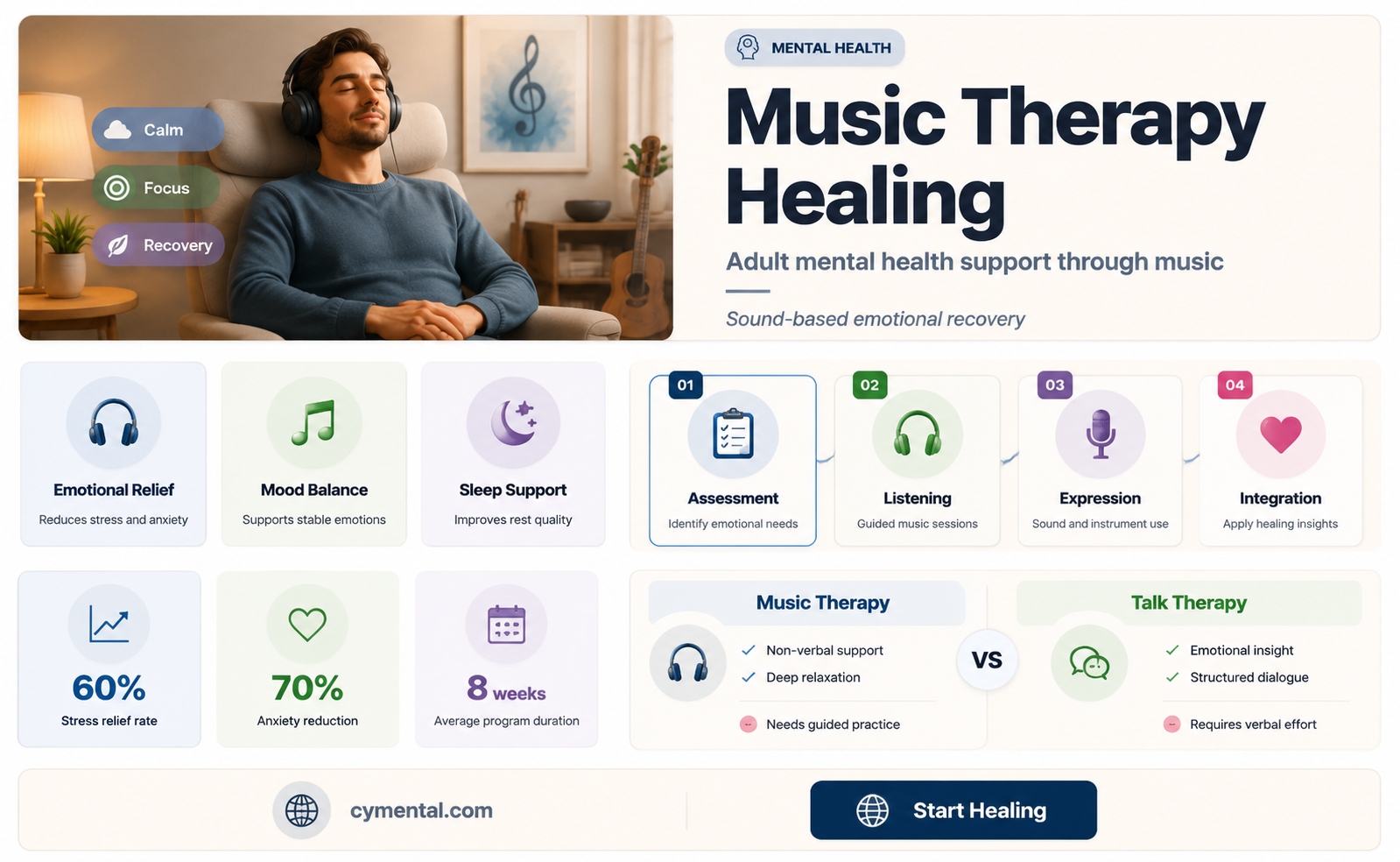
Music therapy offers a unique and effective approach to supporting adults with mental health problems by leveraging the emotional and cognitive power of music. Through structured sessions with trained therapists, individuals can explore and express their feelings, reduce stress, and improve mood in a non-verbal and creative way. Music therapy techniques, such as listening, playing instruments, or composing, can help manage symptoms of anxiety, depression, and trauma by promoting relaxation, enhancing self-awareness, and fostering emotional release. Additionally, it encourages social interaction and communication, which can alleviate feelings of isolation and improve overall well-being. By tailoring interventions to individual needs, music therapy provides a holistic and accessible tool for mental health recovery and resilience.
| Characteristics | Values |
|---|---|
| Stress Reduction | Music therapy can lower cortisol levels, reduce heart rate, and promote relaxation, helping adults manage stress and anxiety. |
| Emotional Expression | Provides a safe outlet for adults to express and process complex emotions, especially when verbal communication is challenging. |
| Mood Enhancement | Listening to or creating music can stimulate the release of dopamine, improving mood and reducing symptoms of depression. |
| Cognitive Improvement | Engages multiple areas of the brain, enhancing cognitive functions like memory, attention, and problem-solving in adults with mental health issues. |
| Social Connection | Group music therapy fosters social interaction, reduces feelings of isolation, and builds a sense of community among participants. |
| Coping Mechanism | Teaches adults healthy coping strategies through music-based activities, helping them manage symptoms of mental health disorders. |
| Self-Awareness | Encourages introspection and self-reflection, aiding adults in understanding their emotions and thought patterns better. |
| Trauma Processing | Music can help adults process traumatic experiences in a non-verbal, less threatening way, supporting trauma recovery. |
| Pain Management | Reduces perceived pain levels and discomfort in adults with chronic pain or mental health conditions by promoting relaxation and distraction. |
| Empowerment | Allows adults to take an active role in their mental health treatment, fostering a sense of control and achievement. |
| Communication Skills | Improves non-verbal and verbal communication skills, particularly beneficial for adults with conditions like schizophrenia or autism. |
| Sleep Improvement | Calming music can improve sleep quality, reducing insomnia and promoting better mental health outcomes. |
| Mindfulness Practice | Incorporates mindfulness techniques through music, helping adults stay present and reduce rumination. |
| Personalized Treatment | Tailored to individual preferences and needs, making it a flexible and inclusive therapeutic approach. |
| Neuroplasticity | Stimulates brain plasticity, aiding in the recovery and adaptation of neural pathways affected by mental health disorders. |
Explore related products


What You'll Learn
- Reducing anxiety through rhythmic patterns and soothing melodies
- Improving mood with personalized playlists and emotional resonance
- Enhancing coping skills via lyric analysis and songwriting
- Promoting relaxation through guided meditation and instrumental music
- Fostering self-expression in structured music improvisation sessions

Reducing anxiety through rhythmic patterns and soothing melodies
Music therapy harnesses the power of rhythmic patterns and soothing melodies to create a calming environment, offering a non-invasive method to reduce anxiety in adults. The repetitive nature of rhythms can synchronize brainwaves, promoting a state of relaxation. For instance, a steady tempo of 60-80 beats per minute mimics the human resting heart rate, encouraging physiological calmness. This synchronization, known as entrainment, helps individuals shift from a heightened state of anxiety to a more balanced emotional state. Incorporating such rhythms into therapy sessions can provide immediate relief, making it a valuable tool for those experiencing acute anxiety episodes.
Soothing melodies, often characterized by minor chords and slower tempos, play a complementary role in anxiety reduction. Research indicates that listening to music with these qualities can lower cortisol levels, the hormone associated with stress. For adults struggling with chronic anxiety, dedicating 20-30 minutes daily to such melodies can create a consistent practice of relaxation. Apps like Calm or Spotify playlists curated for relaxation offer accessible options for integrating this practice into daily routines. Pairing this auditory experience with deep breathing exercises amplifies its effectiveness, as the combination engages both the auditory and somatic senses.
A practical example of this approach is the use of binaural beats, which are rhythmic patterns played at slightly different frequencies in each ear, creating a perception of a third tone. Studies suggest that binaural beats in the alpha (8-14 Hz) or theta (4-8 Hz) range can induce relaxation and reduce anxiety. Adults can incorporate this technique by using headphones during therapy sessions or at home. However, it’s essential to start with shorter sessions (5-10 minutes) to assess tolerance, as some individuals may initially find the experience overwhelming. Over time, gradually increasing the duration can enhance the therapeutic benefits.
While the benefits are clear, it’s crucial to tailor the approach to individual preferences and needs. Not all rhythmic patterns or melodies resonate equally with everyone. Therapists often encourage clients to experiment with different genres, such as classical, ambient, or nature-inspired music, to identify what works best for them. Additionally, combining music therapy with other modalities, like mindfulness or cognitive-behavioral techniques, can provide a more comprehensive approach to anxiety management. This personalized strategy ensures that the therapy remains effective and engaging for adults seeking relief from mental health challenges.
Positive Reinforcement: A Powerful Tool to Combat Mental Illness?
You may want to see also
Explore related products

$29.95 $26.95


Improving mood with personalized playlists and emotional resonance
Music therapy harnesses the power of personalized playlists to improve mood by leveraging emotional resonance—the deep, often subconscious connection between music and our feelings. Unlike generic playlists, tailored selections align with an individual’s emotional landscape, acting as a mirror to their inner state. For instance, a playlist curated to match the tempo and tone of a person’s current mood can serve as a stabilizing force, gradually shifting their emotional trajectory. Research shows that listening to music that resonates emotionally can reduce cortisol levels by up to 25%, offering a measurable physiological benefit. This approach isn’t about distraction but about acknowledgment and transformation, using music as a bridge to emotional clarity.
Creating an effective mood-enhancing playlist requires intentionality. Start by identifying the target emotional state—whether it’s calmness, energy, or solace. For adults with anxiety, slower tempos (60–80 BPM) and minor chords often provide comfort, while those seeking motivation may benefit from upbeat tracks with major chords and lyrics that inspire. Incorporate songs that hold personal significance, as familiarity amplifies emotional resonance. Tools like Spotify’s “Discover Weekly” or Apple Music’s “Replay” can suggest tracks based on listening habits, but manual curation ensures alignment with specific emotional goals. Aim for 30–45 minutes of daily listening, ideally during transitions (e.g., morning routines or evening wind-downs) to maximize impact.
The science behind emotional resonance in music therapy lies in its ability to activate the brain’s reward system. When a song resonates, it triggers the release of dopamine, fostering a sense of pleasure and well-being. For adults with depression, this can counteract anhedonia—the inability to feel joy. A study published in *Music and Medicine* found that participants who listened to personally meaningful music reported a 20% improvement in mood within two weeks. However, caution is necessary; overly intense or melancholic tracks can deepen negative emotions. Balance is key—pairing somber songs with uplifting ones creates a dynamic playlist that reflects emotional complexity without overwhelming the listener.
Practical implementation involves collaboration between the individual and, ideally, a music therapist or mental health professional. Begin by journaling emotions associated with specific songs or genres to identify patterns. For example, a 35-year-old with PTSD might discover that instrumental jazz reduces hypervigilance, while a 50-year-old with chronic stress finds solace in classical piano. Once a playlist is created, monitor its effects over time, adjusting as emotional needs evolve. Apps like Moodtracks or Marato can track mood changes in response to music, providing data-driven insights. Remember, the goal isn’t perfection but progress—a playlist that evolves alongside the listener’s emotional journey.
Incorporating personalized playlists into daily life requires consistency and mindfulness. Designate a quiet space for listening, free from distractions, to deepen the emotional connection. Pair music with activities like journaling, meditation, or gentle stretching to enhance its therapeutic effects. For adults with insomnia, a playlist of lullabies or ambient sounds can signal the brain to prepare for sleep, improving rest quality. While music therapy isn’t a standalone cure, it’s a powerful adjunct to traditional treatments, offering a non-invasive, accessible way to improve mood. By embracing emotional resonance, individuals can turn their playlists into tools for healing, one song at a time.
Religion's Impact on Seeking Mental Health Support: Barriers or Bridges?
You may want to see also
Explore related products






Enhancing coping skills via lyric analysis and songwriting
Music therapy offers a unique avenue for adults with mental health problems to explore and enhance their coping skills through lyric analysis and songwriting. By engaging with lyrics, individuals can uncover personal narratives, express emotions, and develop strategies to manage stress, anxiety, or depression. For instance, analyzing the lyrics of a song like *“Breathe”* by Anna Nalick can help someone identify themes of mindfulness and resilience, translating these into actionable coping mechanisms. This process allows individuals to connect with their emotions in a structured yet creative way, fostering self-awareness and emotional regulation.
To begin, select a song with lyrics that resonate personally or align with current emotional challenges. For example, someone struggling with overwhelm might choose *“Heavy”* by Linkin Park. Write down the lyrics and dissect them line by line, noting emotions, metaphors, and recurring themes. Ask questions like, “What does this line mean to me?” or “How does this reflect my current situation?” This analytical approach helps externalize internal struggles, making them easier to confront. Follow this with journaling or discussion in a therapy session to deepen understanding and apply insights to real-life coping strategies.
Songwriting takes this process a step further by empowering individuals to create their own narratives. Start with a simple structure: verse, chorus, verse. Focus on expressing one specific emotion or experience per song. For instance, a chorus could repeat a mantra like, “I am stronger than I feel,” reinforcing positive self-talk. Use metaphors or imagery to abstractly address painful topics, reducing emotional intensity while still processing them. Even those without musical training can benefit—hum a melody, use a smartphone app for recording, or collaborate with a therapist for guidance. The goal is not perfection but emotional release and skill-building.
Caution should be taken when addressing traumatic experiences through songwriting. If lyrics begin to retraumatize, pause and consult a therapist to reframe the narrative. For example, instead of detailing a traumatic event, focus on post-trauma growth or resilience. Additionally, avoid over-relying on music therapy as a standalone treatment for severe mental health conditions; it should complement, not replace, evidence-based therapies like CBT or medication. For adults aged 18–65, incorporating 2–3 lyric analysis or songwriting sessions per week can yield noticeable improvements in coping skills within 6–8 weeks.
In conclusion, lyric analysis and songwriting in music therapy provide tangible tools for enhancing coping skills. By examining existing lyrics, individuals gain insight into their emotions and learn to reframe challenges. Through songwriting, they actively construct coping strategies, fostering agency and creativity. Practical tips, such as selecting relatable songs, using simple structures, and collaborating with therapists, ensure accessibility and effectiveness. This approach not only addresses mental health struggles but also builds a lasting emotional toolkit for resilience.
Mental Health: When Is Professional Help Necessary for Recovery?
You may want to see also
Explore related products


Promoting relaxation through guided meditation and instrumental music
Stress and anxiety are pervasive in adult life, often exacerbating mental health challenges like depression, PTSD, and insomnia. Guided meditation paired with instrumental music offers a dual-pronged approach to counteract these effects. The spoken word in meditation provides structure, directing focus away from intrusive thoughts, while non-lyrical music engages the parasympathetic nervous system, physiologically slowing heart rate and reducing cortisol levels. This combination creates a synergistic effect, deepening relaxation more effectively than either modality alone.
To implement this technique, begin by selecting instrumental tracks with a tempo of 60–80 beats per minute (BPM), mirroring the resting heart rate. Genres like classical (e.g., Debussy’s *Clair de Lune*), ambient electronic (e.g., Brian Eno’s *Music for Airports*), or nature-inspired compositions work well. Pair this with a guided meditation script that uses repetitive, calming phrases ("Breathe in calm, breathe out tension"). For optimal results, allocate 15–20 minutes daily, ideally during transitions (e.g., before bed or after work). Use noise-canceling headphones to minimize distractions and enhance auditory immersion.
A cautionary note: not all instrumental music is created equal. Avoid tracks with sudden dynamic shifts or dissonant harmonies, as these can induce anxiety rather than alleviate it. Similarly, guided meditations should be delivered in a neutral, unhurried tone to prevent cognitive overload. For adults with trauma histories, start with shorter sessions (5–10 minutes) and gradually increase duration as tolerance builds. Always assess individual responses, as some may find guided meditations too directive, preferring silent music-only sessions.
The evidence supporting this approach is compelling. A 2018 study in the *Journal of Music Therapy* found that adults with generalized anxiety disorder experienced a 25% reduction in symptoms after eight weeks of daily guided meditation with instrumental music. Another study in *Psychosomatic Medicine* noted improved sleep quality and reduced insomnia severity in participants aged 30–60. These findings underscore the accessibility and efficacy of this method, requiring no specialized equipment beyond a smartphone or speaker.
Incorporating this practice into daily routines fosters long-term mental health resilience. For instance, pairing morning sessions with gentle stretching can set a calm tone for the day, while evening sessions can signal the brain to transition into rest mode. Over time, the brain associates the music and meditation cues with relaxation, creating a conditioned response that can be activated during acute stress episodes. This simple yet powerful tool empowers adults to reclaim agency over their mental well-being, one mindful breath at a time.
Supporting Mental Health: Effective Ways to Help a Loved One in Need
You may want to see also
Explore related products


Fostering self-expression in structured music improvisation sessions
Music improvisation, when structured thoughtfully, becomes a powerful tool for fostering self-expression in adults with mental health challenges. Unlike free-form jamming, structured improvisation provides a framework—such as a set key, tempo, or chord progression—that offers safety and direction while still allowing for creativity. This balance enables participants to explore their emotions and thoughts through sound without feeling overwhelmed by limitless possibilities. For instance, a therapist might introduce a simple 4/4 rhythm on a drum, inviting clients to add melodies or harmonies using instruments like pianos or guitars. This approach encourages expression within boundaries, mirroring the way mental health recovery often requires both freedom and structure.
Consider the case of a 35-year-old adult with generalized anxiety disorder who struggles to articulate feelings verbally. In a structured improvisation session, they might start by playing repetitive, tense notes on a keyboard, reflecting their inner turmoil. Over time, as the session evolves, their playing may shift to include softer, more fluid phrases, signaling a release of tension. The therapist, acting as a musical guide, can subtly introduce calming chords or rhythms to encourage this transition, demonstrating how structured improvisation can facilitate emotional processing in real time. This method bypasses the need for verbal communication, making it particularly effective for individuals who find words insufficient or intimidating.
To implement structured improvisation effectively, therapists should follow a few key steps. First, establish a clear musical framework—such as a specific scale or time signature—to provide a sense of safety. Second, encourage participants to start with simple contributions, gradually building complexity as confidence grows. Third, use non-verbal cues, like nods or gestures, to guide the session without interrupting the flow. For example, a therapist might hum a gentle melody to prompt a shift in mood or tap a steady beat to ground the group. These techniques ensure the session remains therapeutic while fostering genuine self-expression.
However, caution must be exercised to avoid over-structuring, which can stifle creativity, or under-structuring, which may trigger anxiety. For instance, introducing too many rules—such as requiring specific instruments or note sequences—can feel restrictive, while providing no guidance at all may leave participants feeling adrift. Therapists should also be mindful of individual comfort levels; some clients may initially resist improvisation, fearing judgment or exposure. In such cases, starting with pre-composed pieces and gradually incorporating improvisational elements can ease the transition.
In conclusion, structured music improvisation sessions offer a unique pathway to self-expression for adults with mental health problems. By blending creativity with boundaries, these sessions enable participants to explore and communicate their emotions in a safe, non-verbal space. When executed thoughtfully, this approach not only fosters personal insight but also builds confidence and connection, making it a valuable addition to any music therapy toolkit. Practical tips, such as starting with simple frameworks and using non-verbal cues, ensure the process remains accessible and effective for diverse populations.
Seeking Mental Health Support: My Journey and Why It Matters
You may want to see also
Frequently asked questions
Music therapy can help reduce anxiety by promoting relaxation through calming melodies, rhythmic patterns, and guided breathing exercises. It also provides a safe outlet for emotional expression, helping individuals process and release pent-up stress.
Yes, music therapy can improve mood by stimulating the release of neurotransmitters like dopamine, which are associated with pleasure and reward. It also encourages engagement and creativity, offering a sense of accomplishment and distraction from negative thoughts.
Music therapy provides a non-verbal way to express and process traumatic experiences, which can be less overwhelming than talking. It helps regulate emotions, build resilience, and create a sense of safety through structured and supportive musical activities.
Absolutely. Music therapy reduces stress by lowering cortisol levels, improving focus, and fostering mindfulness. It also encourages self-reflection and coping strategies, helping individuals better manage their responses to stressful situations.