Caleb Wright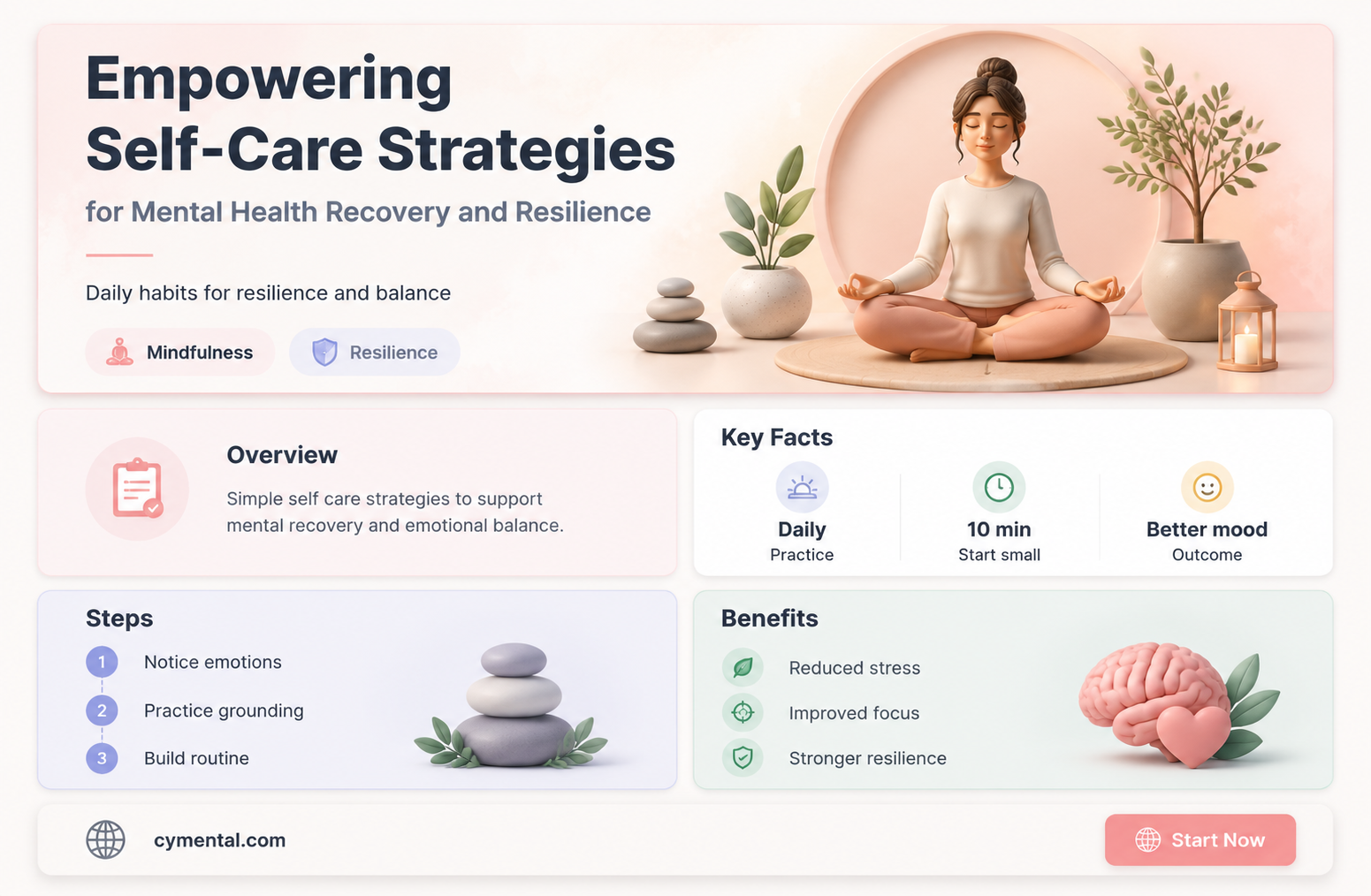
Helping oneself while living with a mental illness requires a multifaceted approach that combines self-awareness, proactive strategies, and a supportive environment. Individuals can start by acknowledging their feelings and symptoms without judgment, fostering a compassionate understanding of their condition. Building a routine that includes regular sleep, balanced nutrition, and physical activity can stabilize mood and energy levels. Engaging in mindfulness, meditation, or journaling can help manage stress and gain clarity. Seeking professional guidance, whether through therapy or medication, is crucial for tailored support. Connecting with trusted friends, family, or support groups provides emotional validation and reduces feelings of isolation. Finally, setting realistic goals and celebrating small victories can build resilience and a sense of accomplishment, empowering individuals to navigate their mental health journey with confidence and hope.
| Characteristics | Values |
|---|---|
| Seek Professional Help | Consult therapists, psychiatrists, or counselors for diagnosis and treatment plans. |
| Build a Support System | Connect with trusted friends, family, or support groups for emotional backing. |
| Practice Self-Care | Prioritize sleep, nutrition, exercise, and relaxation techniques like meditation or yoga. |
| Set Realistic Goals | Break tasks into manageable steps to avoid overwhelm and build confidence. |
| Educate Yourself | Learn about your condition to better understand symptoms and coping strategies. |
| Maintain a Routine | Establish consistent daily habits to provide structure and stability. |
| Limit Stress | Identify and avoid triggers, practice stress management, and set boundaries. |
| Monitor Symptoms | Keep track of mood changes or triggers to recognize patterns and seek help early. |
| Avoid Self-Medication | Refrain from using alcohol, drugs, or other substances to cope with symptoms. |
| Engage in Meaningful Activities | Pursue hobbies, volunteering, or work that provides a sense of purpose and fulfillment. |
| Practice Mindfulness | Focus on the present moment to reduce anxiety and improve emotional regulation. |
| Challenge Negative Thoughts | Use cognitive-behavioral techniques to reframe negative thinking patterns. |
| Stay Connected | Maintain social relationships and avoid isolation, even when feeling overwhelmed. |
| Celebrate Progress | Acknowledge small achievements to boost motivation and self-esteem. |
| Plan for Crises | Develop a crisis plan with emergency contacts, coping strategies, and professional resources. |
| Be Patient | Understand that recovery is a gradual process and setbacks are a normal part of healing. |
Explore related products

$13.93 $14.95

$9.79 $17.99


What You'll Learn
- Practice Self-Care: Prioritize sleep, nutrition, exercise, and relaxation to support mental health and overall well-being
- Seek Professional Help: Consult therapists, psychiatrists, or counselors for guidance, therapy, and medication if needed
- Build a Support Network: Connect with trusted friends, family, or support groups for encouragement and understanding
- Manage Stress: Use mindfulness, meditation, or hobbies to reduce stress and improve emotional balance
- Set Realistic Goals: Break tasks into smaller steps to avoid overwhelm and build confidence gradually

Practice Self-Care: Prioritize sleep, nutrition, exercise, and relaxation to support mental health and overall well-being
Sleep is the cornerstone of mental resilience, yet it’s often the first casualty of stress or illness. Adults require 7–9 hours nightly, but those with mental health conditions may need closer to 9 to counteract the cognitive and emotional toll. Establish a consistent sleep schedule by going to bed and waking up at the same time daily, even on weekends. Create a "wind-down" ritual 60–90 minutes before bed: dim lights, avoid screens, and incorporate calming activities like reading or herbal tea (valerian root or chamomile). If racing thoughts interfere, try a guided sleep meditation or journaling to offload worries. Pro tip: Keep the bedroom cool (60–65°F) and use blackout curtains to optimize melatonin production.
Nutrition fuels not just the body, but the brain’s ability to regulate mood and stress. Prioritize complex carbohydrates (oats, quinoa) for sustained serotonin production, and omega-3 fatty acids (salmon, flaxseeds) to reduce inflammation linked to depression. Aim for 2–3 servings of fatty fish weekly or supplement with 1,000–2,000 mg of fish oil daily. Limit processed sugars and caffeine, which spike cortisol and disrupt emotional stability. Meal prep on low-energy days to ensure consistent nourishment—think pre-chopped veggies, hard-boiled eggs, or overnight oats. Hydration matters too: drink half your body weight in ounces of water daily, adding electrolytes if medication causes dehydration.
Exercise is a natural antidepressant, releasing endorphins and BDNF (brain-derived neurotrophic factor), which repairs neural pathways. Aim for 150 minutes of moderate activity weekly, breaking it into 10–15 minute chunks if fatigue is a barrier. Yoga combines physical movement with mindfulness, reducing anxiety by up to 34% in studies. Strength training twice weekly improves self-esteem, while walking outdoors exposes you to vitamin D, which 40% of adults are deficient in. Caution: Avoid overexertion, as it can trigger stress responses—listen to your body, not societal fitness standards.
Relaxation isn’t indulgence; it’s a biological necessity for stress recovery. Dedicate 10 minutes daily to deep breathing exercises (inhale for 4 counts, hold for 4, exhale for 6) to activate the parasympathetic nervous system. Progressive muscle relaxation—tensing and releasing each muscle group—reduces physical tension tied to anxiety. Incorporate sensory tools like weighted blankets (10% of body weight) or aromatherapy (lavender oil lowers heart rate by 10–20 bpm). Schedule relaxation as non-negotiable as medication—it’s preventive maintenance for emotional overload. Remember: Rest isn’t productivity’s enemy; it’s its enabler.
Breaking the Silence: Why Men Resist Seeking Mental Health Support
You may want to see also
Explore related products

$8.44 $14.99


Seek Professional Help: Consult therapists, psychiatrists, or counselors for guidance, therapy, and medication if needed
Professional help is often the cornerstone of managing mental illness effectively. While self-care strategies like exercise and mindfulness can be beneficial, they are not always sufficient to address the complexities of conditions such as depression, anxiety, or bipolar disorder. Therapists, psychiatrists, and counselors are trained to provide evidence-based interventions tailored to individual needs, offering tools and insights that may not be accessible through self-help alone. For instance, cognitive-behavioral therapy (CBT) has been shown to reduce symptoms of anxiety by up to 50% in some cases, a level of improvement rarely achieved without professional guidance.
The process of seeking professional help begins with recognizing when self-management is no longer enough. Persistent symptoms like prolonged sadness, severe anxiety, or suicidal thoughts are clear indicators that expert intervention is necessary. Once the decision is made, finding the right provider is crucial. Psychiatrists, who are medical doctors, can prescribe medication and diagnose conditions, while therapists and counselors focus on talk therapy. For example, a psychiatrist might prescribe selective serotonin reuptake inhibitors (SSRIs) like fluoxetine (20–60 mg/day) for depression, while a therapist could employ dialectical behavior therapy (DBT) to help manage emotional dysregulation.
Engaging with a professional requires active participation. During sessions, be honest about symptoms, concerns, and progress. Keep a journal to track mood changes, triggers, and medication side effects, as this data can help providers adjust treatment plans. For instance, if a patient notices increased anxiety after starting a new medication, documenting this can prompt a psychiatrist to lower the dosage or switch to an alternative. Additionally, ask questions to ensure understanding—whether about the purpose of a therapy technique or the potential side effects of a medication.
One common barrier to seeking professional help is stigma or fear of judgment. It’s essential to remember that mental health professionals are trained to approach their work with empathy and confidentiality. They are not there to criticize but to support. Another hurdle is cost, but many therapists offer sliding-scale fees, and telehealth platforms have made services more accessible. For those in the U.S., the Mental Health Parity and Addiction Equity Act requires insurers to cover mental health services comparably to physical health services, reducing financial barriers.
Ultimately, professional help is not a sign of weakness but a proactive step toward recovery. It provides a structured approach to managing mental illness, combining scientific expertise with personalized care. Whether through medication, therapy, or a combination of both, working with a professional can offer the clarity, tools, and hope needed to navigate the challenges of mental illness. The journey may not be linear, but with the right support, meaningful progress is possible.
Singing for Mental Health: Unlocking Emotional Well-being Through Music
You may want to see also
Explore related products


$10.88 $15.99


Build a Support Network: Connect with trusted friends, family, or support groups for encouragement and understanding
Human connection is a cornerstone of mental health, yet many individuals struggling with mental illness isolate themselves, fearing judgment or burdening others. This withdrawal can exacerbate symptoms, creating a vicious cycle of loneliness and deterioration. Building a support network—whether through trusted friends, family, or specialized support groups—offers a lifeline, providing not only emotional encouragement but also practical understanding and coping strategies.
Consider the mechanics of support networks: they function as a safety net, catching you when you falter and lifting you when you’re overwhelmed. Start by identifying 2–3 individuals in your life who have consistently demonstrated empathy and reliability. These could be friends who listen without interrupting, family members who offer unconditional love, or even colleagues who share similar experiences. Be intentional in nurturing these relationships; schedule regular check-ins, whether weekly phone calls or monthly coffee dates. For those hesitant to lean on personal connections, support groups—both in-person and online—provide a structured environment to connect with others who understand your struggles firsthand. Organizations like the National Alliance on Mental Illness (NAMI) offer peer-led groups tailored to specific conditions, ensuring relevance and relatability.
However, building a support network isn’t without challenges. Vulnerability can feel risky, and not every interaction will be therapeutic. Set boundaries to protect your energy; if a conversation becomes draining or unsupportive, politely disengage. Similarly, avoid over-relying on any single person—distribute your needs across multiple sources to prevent burnout on their end. For those in early recovery or with severe symptoms, consider involving a mental health professional to guide the process, ensuring interactions remain constructive and safe.
The payoff of a robust support network is profound. Studies show that individuals with strong social connections experience reduced symptoms of anxiety and depression, improved self-esteem, and enhanced resilience during crises. For instance, a 2019 study published in *The Lancet* found that social support was as effective as formal therapy in preventing relapse in individuals with major depressive disorder. Practical tips include joining hobby-based groups to meet like-minded individuals, using apps like Meetup or Bumble BFF to find local gatherings, or even volunteering—helping others often fosters a sense of purpose and reciprocal support.
In essence, a support network is not a luxury but a necessity for mental health. It transforms isolation into community, stigma into understanding, and struggle into shared strength. Begin small, be consistent, and remember: asking for help is not a sign of weakness but a step toward healing.
Fish Oil and Mental Health: Unlocking Potential Benefits for Well-Being
You may want to see also
Explore related products


$9.86 $16.99

$8.99 $16.99

$12.35 $14.99


Manage Stress: Use mindfulness, meditation, or hobbies to reduce stress and improve emotional balance
Stress is an inevitable part of life, but for individuals with mental illness, it can exacerbate symptoms and disrupt emotional equilibrium. Managing stress effectively is not about eliminating it entirely but about cultivating resilience and balance. One powerful approach is integrating mindfulness, meditation, or hobbies into daily routines. These practices act as buffers against stress, offering moments of calm and clarity that can prevent emotional overwhelm. By dedicating even a few minutes each day to these activities, individuals can build a foundation of emotional stability that supports their mental health journey.
Mindfulness, the practice of being fully present in the moment, is a cornerstone of stress management. It involves observing thoughts and feelings without judgment, allowing them to pass like clouds in the sky. For instance, a simple mindfulness exercise is the "5-4-3-2-1" technique: identify five things you can see, four you can touch, three you can hear, two you can smell, and one you can taste. This grounds you in the present, interrupting the cycle of stress. Research suggests that practicing mindfulness for just 10 minutes daily can reduce cortisol levels, the hormone associated with stress, and improve emotional regulation over time.
Meditation takes mindfulness a step further by encouraging a deeper state of relaxation and focus. There are various forms of meditation, such as guided visualization, loving-kindness meditation, or body scan techniques. For beginners, starting with a guided meditation app like Headspace or Calm can be helpful. These apps often offer sessions as short as three minutes, making it accessible even for busy schedules. Consistency is key; meditating daily, even for a brief period, can lead to long-term benefits like reduced anxiety and improved mood. For those with anxiety disorders, pairing meditation with deep breathing exercises—inhaling for four seconds, holding for four, and exhaling for six—can enhance its calming effects.
Hobbies, often overlooked as a stress-management tool, play a vital role in emotional balance by providing an outlet for creativity, enjoyment, and distraction from stressors. Whether it’s painting, gardening, playing an instrument, or cooking, engaging in a hobby shifts focus away from negative thoughts and fosters a sense of accomplishment. For example, journaling allows individuals to process emotions, while physical activities like yoga or hiking release endorphins, the body’s natural stress relievers. The key is to choose an activity that aligns with personal interests and is enjoyable, not another source of pressure. Even 20–30 minutes of hobby time daily can significantly reduce stress levels and improve overall well-being.
While mindfulness, meditation, and hobbies are effective, they are not one-size-fits-all solutions. It’s essential to experiment and find what works best for you. For instance, someone with ADHD might find structured meditation challenging but thrive with dynamic hobbies like dancing or sports. Similarly, individuals with depression may benefit from mindfulness practices that focus on self-compassion rather than intense concentration. Combining these practices with other self-care strategies, such as adequate sleep and social support, amplifies their impact. Ultimately, managing stress through these methods is about reclaiming control over your emotional landscape, one mindful moment or creative endeavor at a time.
Art Therapy: Healing Minds Through Creative Expression and Self-Discovery
You may want to see also
Explore related products


Set Realistic Goals: Break tasks into smaller steps to avoid overwhelm and build confidence gradually
One of the most effective ways to manage mental illness is to set realistic goals, breaking larger tasks into smaller, manageable steps. This approach not only prevents feelings of overwhelm but also fosters a sense of accomplishment, gradually building confidence. For instance, instead of aiming to clean the entire house in one day, a person might start with a single room or even a specific area like the kitchen counter. Completing these smaller tasks provides tangible progress, which can be particularly motivating for individuals struggling with depression or anxiety.
Consider the analogy of climbing a mountain. Attempting to scale it in one go is daunting and often impossible, but dividing the journey into stages makes it achievable. Similarly, mental health recovery is a process, not an event. By setting micro-goals, such as “I’ll spend 10 minutes organizing my desk today,” individuals can avoid the paralysis that comes with perfectionism or fear of failure. This method aligns with cognitive-behavioral therapy (CBT) principles, which emphasize incremental changes to reshape thought patterns and behaviors.
However, breaking tasks into smaller steps requires careful planning. Start by identifying the end goal, then work backward to outline the necessary stages. For example, if the goal is to start exercising regularly, the first step might be to research beginner-friendly workouts for 10 minutes. The next step could be to commit to a 5-minute stretch daily for a week. Gradually increasing the duration or intensity ensures the task remains realistic and sustainable. It’s also crucial to be flexible; if a step feels too challenging, adjust it rather than abandoning the goal entirely.
A common pitfall is underestimating the emotional energy required for certain tasks, especially for those with conditions like ADHD or chronic fatigue. To counter this, pair each step with a self-care activity. For instance, after completing a work assignment, allow yourself a 15-minute break to listen to music or meditate. This balance prevents burnout and reinforces the idea that progress and self-compassion go hand in hand. Additionally, tracking achievements—whether in a journal or through apps—can provide visual proof of growth, further boosting morale.
Ultimately, setting realistic goals and breaking them into smaller steps is a powerful tool for self-empowerment. It transforms overwhelming challenges into actionable tasks, making mental health management feel less like a battle and more like a series of winnable moments. By celebrating small victories, individuals can rebuild confidence and develop resilience, proving that even the most daunting obstacles can be overcome one step at a time.
Social Services and Mental Health: A Path to Healing and Support
You may want to see also
Frequently asked questions
Establishing a consistent daily routine can provide structure and stability, which is crucial for managing mental illness. Start by setting regular times for waking up, meals, work or study, exercise, and sleep. Include activities that promote well-being, such as mindfulness, journaling, or hobbies. Gradually adjust the routine as needed to ensure it’s realistic and sustainable.
Self-care practices vary by individual, but common effective strategies include regular physical activity, healthy eating, adequate sleep, and avoiding excessive alcohol or drugs. Engaging in activities that bring joy, connecting with supportive people, and setting boundaries to reduce stress are also important. Prioritize activities that help you feel grounded and in control.
Managing stress and anxiety involves identifying triggers and developing coping mechanisms. Techniques like deep breathing, progressive muscle relaxation, or meditation can help calm the mind. Keeping a stress journal, practicing time management, and breaking tasks into smaller steps can also reduce overwhelm. Limiting exposure to negative news or social media can further alleviate anxiety.
Seeking professional help is a crucial step, but self-help efforts can complement treatment. Research therapists or mental health resources in your area, and reach out to schedule an appointment. In the meantime, educate yourself about your condition, join support groups, and practice self-compassion. Consistently attending therapy sessions and following treatment plans while incorporating self-care will maximize progress.