Harper Lewis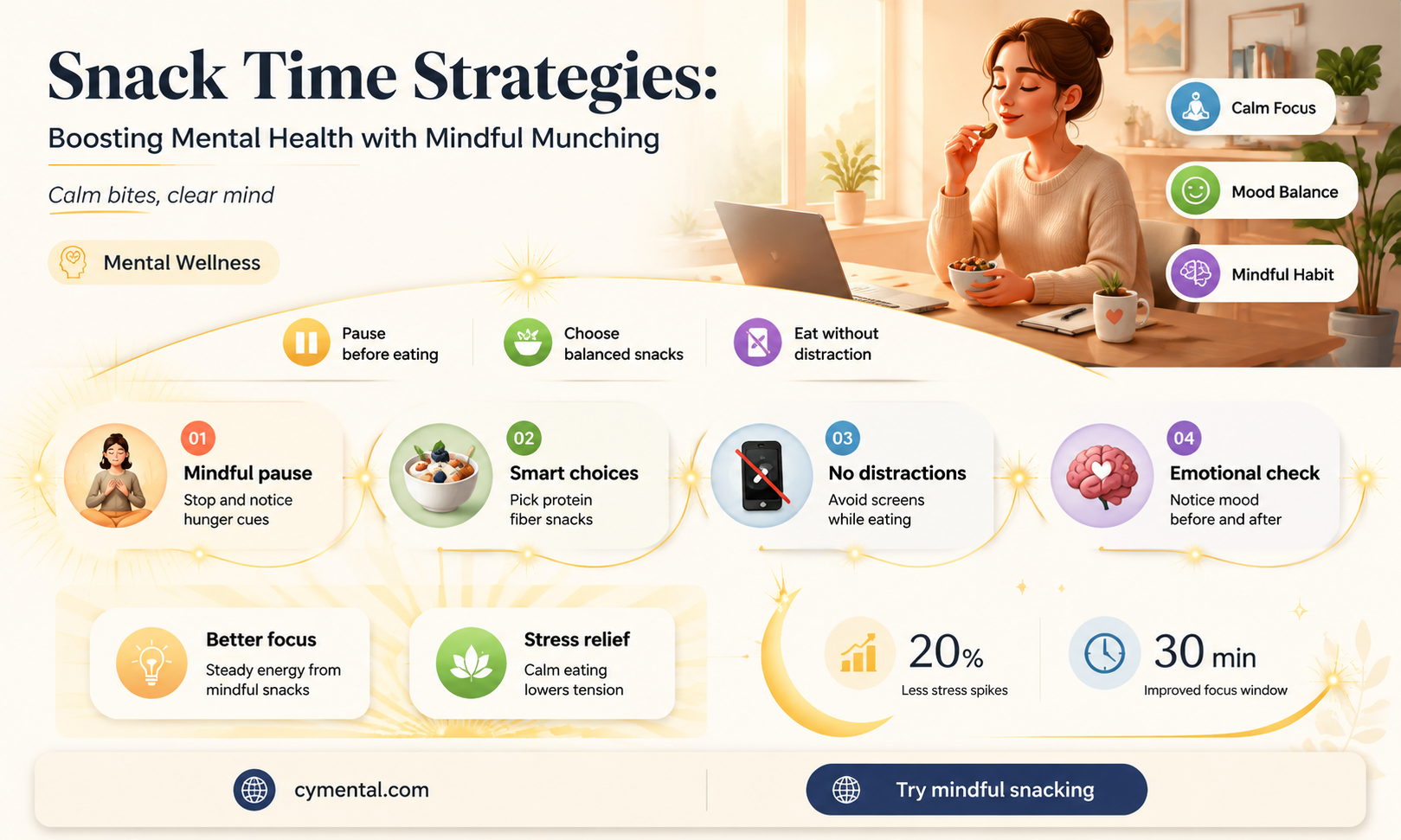
Snack time, often overlooked as a mere break between meals, can play a significant role in supporting mental health by providing an opportunity to nourish both the body and mind. Consuming nutrient-dense snacks, such as fruits, nuts, or yogurt, can stabilize blood sugar levels, which is crucial for maintaining focus and emotional balance. Additionally, the act of taking a mindful break to eat can reduce stress and promote relaxation, allowing individuals to pause and reset amidst a busy day. Incorporating snacks rich in omega-3 fatty acids, antioxidants, and complex carbohydrates can further enhance cognitive function and mood regulation. By viewing snack time as a deliberate self-care practice, individuals can harness its potential to boost mental well-being and foster a healthier relationship with food.
| Characteristics | Values |
|---|---|
| Stabilizes Blood Sugar | Prevents mood swings and irritability by maintaining consistent energy levels. |
| Boosts Brain Function | Nutrient-rich snacks (e.g., nuts, seeds) enhance cognitive function and focus. |
| Reduces Stress | Certain snacks (e.g., dark chocolate, yogurt) contain stress-reducing compounds like magnesium and probiotics. |
| Improves Mood | Snacks with omega-3s (e.g., walnuts, flaxseeds) and complex carbs (e.g., whole grains) increase serotonin levels. |
| Enhances Productivity | Healthy snacks provide sustained energy, improving concentration and task performance. |
| Promotes Mindfulness | Mindful snacking encourages being present, reducing anxiety and improving mental clarity. |
| Supports Emotional Well-being | Comfort foods (in moderation) can evoke positive emotions and reduce feelings of loneliness. |
| Provides Essential Nutrients | Snacks rich in vitamins (e.g., fruits, vegetables) and minerals support overall brain health. |
| Regulates Appetite | Balanced snacks prevent overeating and mood fluctuations caused by hunger. |
| Encourages Social Connection | Sharing snacks with others fosters a sense of community and reduces feelings of isolation. |
Explore related products


What You'll Learn
- Stress Reduction: Snacking on healthy foods can lower cortisol levels, promoting relaxation
- Energy Boost: Nutrient-rich snacks stabilize blood sugar, enhancing focus and mood
- Mindful Eating: Conscious snacking fosters mindfulness, reducing anxiety and improving mental clarity
- Social Connection: Sharing snacks encourages bonding, combating loneliness and boosting emotional well-being
- Mood Enhancement: Foods with omega-3s, magnesium, or dark chocolate elevate serotonin levels

Stress Reduction: Snacking on healthy foods can lower cortisol levels, promoting relaxation
Cortisol, often dubbed the "stress hormone," spikes in response to pressure, anxiety, or fear, triggering the body’s fight-or-flight response. Chronically elevated cortisol levels can lead to fatigue, irritability, and even long-term health issues like heart disease. Enter snack time: strategically choosing nutrient-dense foods can counteract this stress response. For instance, foods rich in magnesium (e.g., almonds, spinach) or omega-3 fatty acids (e.g., walnuts, flaxseeds) have been shown to reduce cortisol production. A 2017 study in the *Journal of Clinical Endocrinology & Metabolism* found that participants who consumed magnesium supplements experienced a significant decrease in cortisol levels compared to a control group. Snacking isn’t just about satisfying hunger—it’s an opportunity to recalibrate your body’s stress response.
To harness the stress-reducing power of snacks, focus on foods that stabilize blood sugar and support adrenal function. Pairing complex carbohydrates (like whole-grain crackers) with protein (like hummus) can prevent blood sugar spikes, which often exacerbate stress. For a quick fix, try a handful of pumpkin seeds—they’re rich in zinc, a mineral that helps regulate cortisol. Herbal teas, while not technically a snack, can complement your munching routine; chamomile, for example, has been linked to reduced cortisol levels in studies. Timing matters too: aim to snack within 30 minutes of feeling stressed to interrupt the cortisol surge. Think of your snack choices as a toolkit—each bite is a step toward calming your nervous system.
Not all snacks are created equal when it comes to stress reduction. Avoid high-sugar or highly processed options, as they can cause blood sugar crashes, amplifying anxiety. Instead, opt for snacks with a low glycemic index, like apple slices with almond butter or a small serving of Greek yogurt with berries. For those who prefer savory options, try a handful of edamame or a few slices of turkey, both of which provide protein and stress-fighting nutrients like tyrosine. Even hydration plays a role: dehydration can elevate cortisol, so pair your snack with a glass of water or herbal tea. Pro tip: prep stress-busting snacks in advance to avoid reaching for less healthy options when tension strikes.
The science behind stress-reducing snacks lies in their ability to nourish the brain and body simultaneously. Dark chocolate (70% cocoa or higher) is a prime example—it contains flavonoids that improve mood and reduce stress hormones. Similarly, fermented foods like kimchi or kefir introduce probiotics that support gut health, which is closely linked to cortisol regulation. For a DIY approach, blend a smoothie with spinach, banana, and a tablespoon of avocado for a magnesium and potassium boost. Remember, consistency is key: incorporating these snacks into your daily routine can create a buffer against chronic stress. By viewing snack time as a form of self-care, you’re not just feeding your body—you’re actively nurturing your mental well-being.
Nature's Healing Power: Boosting Mental Health Through Outdoor Connection
You may want to see also
Explore related products


Energy Boost: Nutrient-rich snacks stabilize blood sugar, enhancing focus and mood
Fluctuating blood sugar levels can wreak havoc on your mental state, leading to irritability, brain fog, and energy crashes. Nutrient-rich snacks act as a buffer, providing a steady stream of fuel for your brain and body. Think of them as a preventative measure against the afternoon slump or the mid-morning mental haze.
Opt for snacks combining complex carbohydrates, protein, and healthy fats. This trio slows digestion, preventing blood sugar spikes and crashes. A handful of almonds (6 grams of protein, 6 grams of healthy fats) paired with a small apple (4 grams of fiber) is a classic example. Aim for snacks around 150-200 calories, ensuring they're substantial enough to tide you over without overloading your system.
The impact on focus and mood is measurable. Studies show that stable blood sugar levels improve cognitive performance, particularly in tasks requiring sustained attention. A 2013 study published in the journal "Appetite" found that participants who consumed a protein-rich snack mid-morning performed better on cognitive tests compared to those who skipped the snack. Similarly, a 2017 study in "Nutritional Neuroscience" linked stable blood sugar levels to reduced feelings of anxiety and improved overall mood.
Imagine tackling a challenging project with clarity and a positive outlook, all thanks to a mindful snack choice.
Incorporating nutrient-rich snacks into your routine doesn't have to be complicated. Keep a stash of pre-portioned options like hard-boiled eggs, Greek yogurt with berries, or homemade energy balls made with oats, nut butter, and dried fruit. For on-the-go convenience, opt for single-serve packs of nuts, cheese sticks, or hummus with veggie sticks. Remember, consistency is key. Aim for a snack every 3-4 hours to maintain stable blood sugar levels throughout the day.
Swimming's Impact: Boosting Mental Health and Well-Being Naturally
You may want to see also
Explore related products




Mindful Eating: Conscious snacking fosters mindfulness, reducing anxiety and improving mental clarity
Snacking mindfully isn’t about restriction—it’s about intention. Instead of absentmindedly reaching for a bag of chips while scrolling through emails, pause. Take a moment to ask yourself: *Am I actually hungry, or am I eating out of boredom, stress, or habit?* This simple act of self-awareness shifts snacking from a mindless habit to a deliberate practice. Research shows that mindful eating activates the prefrontal cortex, the brain’s decision-making center, which can reduce impulsive behaviors often linked to anxiety. By engaging your senses—noting the texture, flavor, and aroma of your snack—you ground yourself in the present moment, interrupting the cycle of worry or rumination.
Consider this practical approach: set aside 5–10 minutes for your snack, free from distractions like screens or work. Sit down, even if it’s just at your desk, and focus solely on the act of eating. Start with a single bite. Chew slowly, counting to 20 if needed. Notice how the food feels in your mouth, the flavors that emerge, and how your body responds. This practice, rooted in mindfulness-based stress reduction (MBSR), has been shown to lower cortisol levels, the hormone associated with stress. A study published in the *Journal of Clinical Psychology* found that participants who practiced mindful eating reported a 25% reduction in anxiety symptoms over six weeks.
Not all snacks are created equal when it comes to fostering mindfulness. Opt for foods that engage multiple senses and require attention to eat. For example, shelling pistachios or peeling a mandarin orange forces you to slow down, turning snacking into a tactile experience. Similarly, dark chocolate (70% cocoa or higher) encourages mindful consumption due to its complex flavors, which can be savored in small portions. Pairing your snack with a glass of water or herbal tea can further enhance the ritual, creating a moment of calm in your day.
One common misconception is that mindful snacking requires elaborate preparation or exotic ingredients. In reality, it’s about quality over quantity. A handful of almonds, a few slices of cucumber with hummus, or a single piece of fruit can serve as effective tools for mindfulness. The key is consistency—aim to practice mindful eating at least once a day, ideally during a snack rather than a full meal, as snacks are often when we’re most prone to mindless consumption. Over time, this habit can rewire your relationship with food, reducing emotional eating and improving mental clarity.
Finally, mindful snacking isn’t just about the act of eating—it’s about reclaiming moments of peace in a chaotic day. By treating snack time as a micro-meditation, you create a buffer against the constant stimuli of modern life. For those prone to anxiety, this practice can act as a grounding technique, similar to deep breathing or progressive muscle relaxation. Start small, be patient with yourself, and remember: the goal isn’t perfection, but presence. In a world that thrives on distraction, mindful snacking offers a simple yet powerful way to reconnect with yourself, one bite at a time.
Supporting Mentally Disabled Adults: Accessing Essential Resources and Assistance
You may want to see also
Explore related products


Social Connection: Sharing snacks encourages bonding, combating loneliness and boosting emotional well-being
Sharing snacks is a simple yet powerful way to foster social connection, a critical component of mental health. When we break bread—or chips, or fruit—with others, we engage in a ritual that transcends the act of eating. It becomes a shared experience, a moment of togetherness that can combat feelings of isolation. Research shows that social interactions, even brief ones, release oxytocin, often called the "bonding hormone," which reduces stress and promotes a sense of belonging. For example, a workplace study found that employees who shared snacks during breaks reported higher levels of camaraderie and job satisfaction compared to those who ate alone. This suggests that something as small as a communal snack bowl can create a ripple effect of positivity in social environments.
To maximize the mental health benefits of snack sharing, consider the context and the people involved. For children, group snack times in schools or playdates can teach them the value of sharing and cooperation, laying the foundation for healthy social skills. Adults, particularly those working remotely or living alone, can benefit from virtual snack sessions with friends or colleagues. Platforms like Zoom or Skype make it easy to recreate the experience of eating together, even when physically apart. For older adults, community centers or senior living facilities can organize snack-sharing events to combat loneliness, a prevalent issue in this demographic. The key is intentionality—make snack time a designated social activity rather than a solitary habit.
Not all snacks are created equal when it comes to fostering connection. Opt for shareable items like a platter of mixed nuts, a bowl of popcorn, or a tray of bite-sized fruits. These encourage a communal experience, as opposed to individually wrapped items that can feel isolating. Additionally, consider cultural or dietary preferences to ensure everyone feels included. For instance, offering gluten-free or vegan options can make the experience more welcoming. Pairing snacks with activities, such as a game or a casual conversation topic, can further enhance bonding. A study published in *Appetite* found that people who shared food while engaging in a shared activity reported greater emotional closeness than those who simply ate together.
While snack sharing is beneficial, it’s important to be mindful of potential pitfalls. Overindulgence can lead to guilt or physical discomfort, which may negate the positive mental health effects. Encourage portion control by using smaller plates or bowls, and balance indulgent treats with healthier options. For those with social anxiety, the idea of sharing snacks in a group setting might feel daunting. Start small—invite one friend for a casual snack date or join a low-pressure group setting. Over time, these interactions can build confidence and reduce anxiety. Finally, remember that the goal is connection, not perfection. Even a messy, imperfect snack session can create lasting memories and strengthen relationships.
Incorporating snack sharing into daily routines can be a practical and enjoyable way to nurture mental health. Whether it’s a family snack time after school, a mid-day break with coworkers, or a virtual catch-up with friends, these moments add up to a sense of belonging and emotional well-being. By choosing the right snacks, being inclusive, and pairing the activity with meaningful interaction, anyone can turn a simple snack into a powerful tool for social connection. After all, as the saying goes, “Food tastes better when shared”—and so does life.
Mindfulness Practices for Enhancing Mental Wellbeing and Reducing Stress
You may want to see also
Explore related products


Mood Enhancement: Foods with omega-3s, magnesium, or dark chocolate elevate serotonin levels
Snack time isn’t just about satisfying hunger—it’s an opportunity to boost your mood through strategic food choices. Certain nutrients, like omega-3 fatty acids, magnesium, and compounds found in dark chocolate, directly influence serotonin production, the neurotransmitter linked to feelings of happiness and well-being. By incorporating these foods into your snacks, you can turn a simple break into a mental health ally.
Consider omega-3s, found in walnuts, flaxseeds, and fatty fish like salmon. These essential fatty acids are building blocks for brain health, reducing inflammation and supporting serotonin function. A handful of walnuts (about 1 ounce) or a tablespoon of ground flaxseeds in yogurt provides a quick, mood-boosting snack. For those who prefer savory options, pairing a quarter cup of smoked salmon with whole-grain crackers delivers both omega-3s and complex carbs, which enhance serotonin absorption. Aim for at least 250–500 mg of omega-3s daily for optimal brain benefits.
Magnesium, often called the "relaxation mineral," plays a critical role in regulating stress and mood. Deficiency can lead to anxiety and depression, making magnesium-rich snacks a smart choice. Almonds, pumpkin seeds, and dark leafy greens like spinach are excellent sources. For instance, 1 ounce of almonds provides 20% of the daily recommended magnesium intake. Pairing a magnesium-rich snack with a small piece of fruit adds natural sugar for energy without spiking blood sugar levels. Adults should aim for 310–420 mg of magnesium daily, depending on age and sex.
Dark chocolate, with its rich flavonoids and small amounts of caffeine, is a dual-action mood enhancer. Flavonoids improve blood flow to the brain, while caffeine provides a gentle energy lift. Opt for chocolate with at least 70% cocoa to maximize benefits and keep portions to 1 ounce to avoid excess sugar. Pair it with a handful of berries for added antioxidants and fiber. This indulgent yet health-conscious snack is particularly effective during afternoon slumps or as a post-meal treat.
The key to leveraging these snacks for mood enhancement lies in consistency and balance. Combining omega-3s, magnesium, and dark chocolate throughout the week ensures a steady supply of serotonin-supporting nutrients. For example, Monday’s snack could be almond butter on whole-grain toast, Tuesday’s a dark chocolate and berry mix, and Wednesday’s a yogurt bowl with flaxseeds and walnuts. By treating snack time as a deliberate act of self-care, you can nourish both body and mind, turning everyday moments into opportunities for mental wellness.
Gender and Mental Health: Who Seeks More Support, Men or Women?
You may want to see also
Frequently asked questions
Snack time can boost mental health by stabilizing blood sugar levels, which helps maintain focus and mood. Nutrient-rich snacks, like those with omega-3s, antioxidants, or magnesium, can reduce stress, anxiety, and improve cognitive function.
Snacks rich in whole grains, healthy fats, protein, and vitamins are ideal. Examples include nuts, seeds, fruits, yogurt, dark chocolate, and vegetables with hummus. These provide sustained energy and support brain health.
Yes, mindful snacking on foods like almonds, bananas, or chamomile tea can help reduce stress and anxiety. These snacks contain magnesium, potassium, and compounds that promote relaxation and calmness.
A snack break provides a moment of pause, allowing you to step away from stressors and practice mindfulness. It can improve focus, reduce burnout, and create a sense of self-care, enhancing overall mental well-being.