Lucas Bennett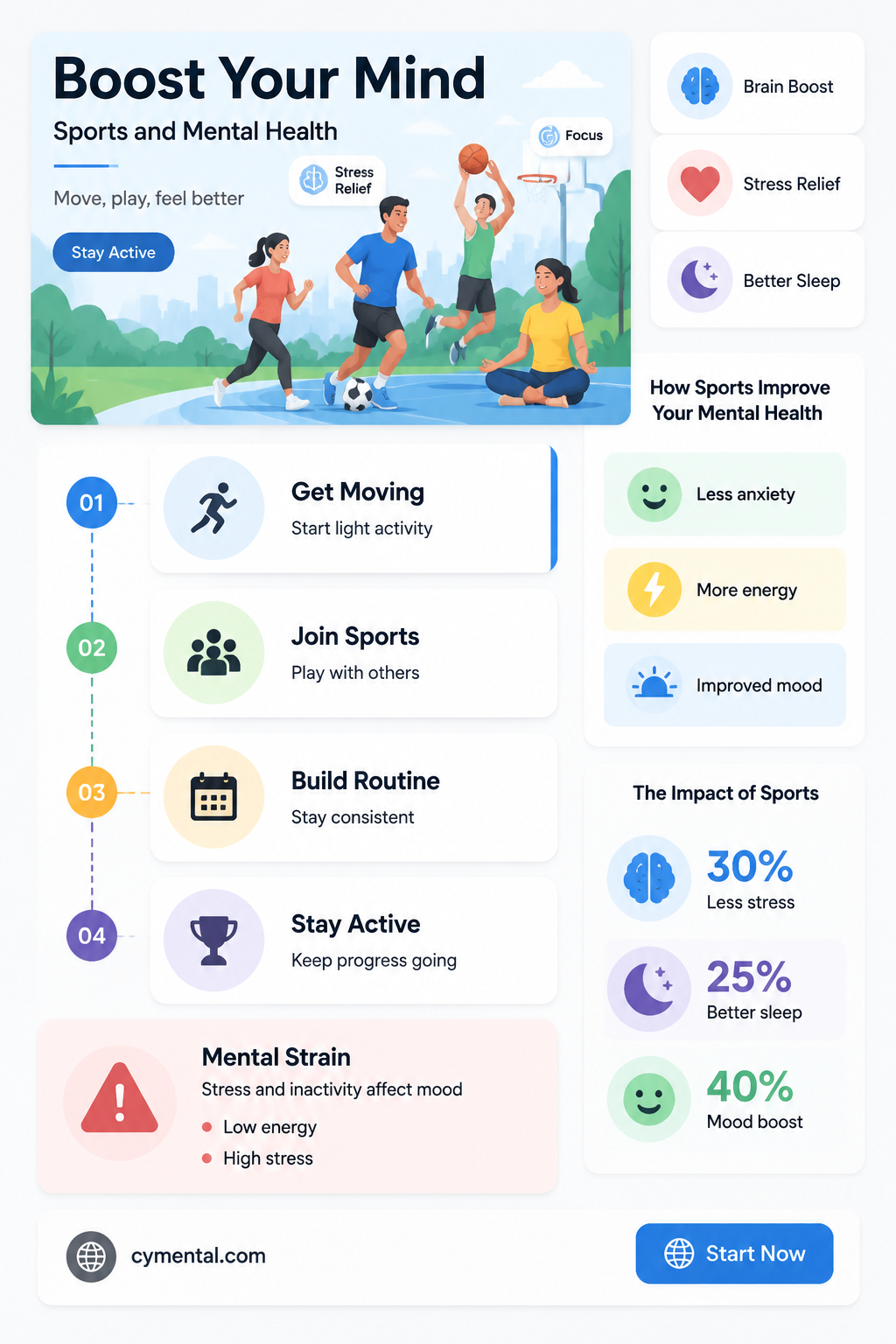
Engaging in sports offers profound mental health benefits that extend far beyond physical fitness. Regular physical activity stimulates the release of endorphins, often referred to as feel-good hormones, which can reduce stress, anxiety, and symptoms of depression. Sports also provide a structured outlet for emotional expression and can foster a sense of accomplishment and self-esteem as individuals set and achieve goals. Additionally, team sports promote social interaction, building camaraderie and a support network that combats feelings of isolation. The discipline and focus required in sports can improve mental resilience, helping individuals cope with challenges both on and off the field. Overall, sports serve as a powerful tool for enhancing mental well-being, offering a holistic approach to a healthier mind.
| Characteristics | Values |
|---|---|
| Stress Relief | Physical activity reduces stress hormones like cortisol and stimulates production of endorphins, which act as natural mood lifters. |
| Improved Mood | Regular exercise can reduce symptoms of depression and anxiety, promoting a sense of well-being and happiness. |
| Enhanced Self-Esteem | Achieving fitness goals or mastering a sport boosts self-confidence and self-worth. |
| Better Sleep | Exercise helps regulate sleep patterns, improving sleep quality and duration, which is crucial for mental health. |
| Cognitive Function | Physical activity enhances memory, attention, and problem-solving skills by increasing blood flow to the brain and promoting neuroplasticity. |
| Social Connection | Team sports or group activities foster social interaction, reducing feelings of loneliness and isolation. |
| Mindfulness | Sports requiring focus and concentration, like yoga or martial arts, promote mindfulness and reduce overthinking. |
| Resilience | Overcoming challenges in sports builds mental toughness and the ability to cope with adversity in life. |
| Reduced Risk of Mental Disorders | Regular physical activity is associated with a lower risk of developing mental health conditions such as depression and anxiety. |
| Emotional Regulation | Exercise helps manage emotions by providing a healthy outlet for frustration, anger, or sadness. |
Explore related products


What You'll Learn
- Stress Relief: Physical activity reduces stress hormones, promoting relaxation and mental clarity
- Mood Boost: Exercise releases endorphins, enhancing mood and reducing symptoms of depression
- Focus Improvement: Sports enhance concentration, discipline, and cognitive function through structured practice
- Social Connection: Team sports foster camaraderie, reducing loneliness and improving emotional well-being
- Confidence Building: Achieving goals in sports boosts self-esteem and mental resilience

Stress Relief: Physical activity reduces stress hormones, promoting relaxation and mental clarity
Stress hormones like cortisol surge in response to life’s pressures, clouding focus and fueling anxiety. Physical activity acts as a natural counterbalance, slashing these levels while triggering the release of endorphins, the body’s feel-good chemicals. A 30-minute brisk walk, for instance, can reduce cortisol by up to 15%, according to a study published in the *Journal of Endocrinology*. This hormonal shift doesn’t just calm the mind—it rewires it, fostering a sense of control and clarity even amid chaos.
Consider this: the rhythm of a steady jog or the precision of a yoga pose demands focus, pulling your attention away from stressors. This mental shift isn’t accidental. Exercise activates the prefrontal cortex, the brain’s decision-making hub, while quieting the amygdala, responsible for fear and anxiety. For adults aged 18–64, the World Health Organization recommends at least 150 minutes of moderate-intensity aerobic activity weekly to reap these benefits. Break it down—20 minutes daily—and you’ve got a practical, science-backed stress-relief strategy.
Not all activities are created equal, though. High-intensity interval training (HIIT) can spike cortisol temporarily, so opt for consistent, moderate efforts like swimming, cycling, or tai chi for sustained stress reduction. Pairing physical activity with mindfulness—focusing on your breath during a run or the stretch of a muscle in Pilates—amplifies relaxation. Even a 10-minute stretch session at your desk can lower cortisol levels, making this approach accessible to all, regardless of fitness level or schedule constraints.
The takeaway? Stress relief through physical activity isn’t about achieving peak performance—it’s about consistency and intentionality. Start small, choose activities you enjoy, and prioritize regularity over intensity. Whether it’s a morning dance session or an evening walk, the goal is to create a ritual that signals to your body and mind: it’s time to let go. In a world where stress is inevitable, movement becomes not just a tool, but a sanctuary.
CoQ10 and Mental Clarity: Can It Reduce Confusion?
You may want to see also
Explore related products





Mood Boost: Exercise releases endorphins, enhancing mood and reducing symptoms of depression
Exercise isn't just about building muscle or shedding pounds. It's a powerful tool for rewiring your brain chemistry. When you engage in physical activity, your body releases endorphins, often referred to as "feel-good" hormones. These natural chemicals act as neurotransmitters, interacting with receptors in your brain to reduce pain perception and trigger positive feelings. Think of them as your body's built-in happiness boosters.
Studies show that even moderate exercise, like a brisk 30-minute walk, can significantly increase endorphin levels. This surge in endorphins can lead to an immediate improvement in mood, leaving you feeling more energized, optimistic, and even euphoric – a phenomenon often called "runner's high."
This endorphin rush isn't just a fleeting feeling. Regular exercise has been proven to be a potent weapon against depression. A study published in the *Archives of Internal Medicine* found that regular exercise can be as effective as medication or therapy in treating mild to moderate depression. The key lies in consistency. Aim for at least 150 minutes of moderate-intensity exercise or 75 minutes of vigorous exercise per week, spread throughout the week. This could be anything from cycling to swimming, dancing to team sports – find an activity you enjoy to make it sustainable.
Remember, while exercise is a powerful tool, it's not a magic bullet. For severe depression, professional help is crucial. However, incorporating regular physical activity into your routine can be a valuable complement to other treatment methods, offering a natural and empowering way to manage your mental well-being.
Gaming for Mental Health: A New Era Under the Presidency
You may want to see also
Explore related products


Focus Improvement: Sports enhance concentration, discipline, and cognitive function through structured practice
Sports demand precision and presence, forcing athletes to tune out distractions and zero-in on the task at hand. Whether it’s a tennis player tracking a fast-moving ball or a gymnast maintaining balance during a routine, these activities train the brain to sustain attention under pressure. Studies show that even 30 minutes of moderate-intensity exercise daily can improve focus by increasing blood flow to the brain and stimulating the release of neurotransmitters like dopamine and norepinephrine, which enhance alertness. For children and adolescents, whose brains are still developing, engaging in structured sports can be particularly beneficial, as it fosters the neural pathways responsible for concentration.
Consider the discipline required in martial arts, where practitioners must memorize complex sequences of movements while maintaining perfect form. This structured practice not only sharpens physical skills but also trains the mind to stay disciplined and focused. Research indicates that individuals who participate in sports with a high cognitive load, such as chessboxing or strategic team sports like soccer, exhibit greater improvements in executive function—the mental processes that enable planning, decision-making, and problem-solving. For adults, incorporating sports into their routine can counteract the mental fatigue caused by sedentary work, offering a structured break that rejuvenates focus.
To harness these benefits, start by choosing a sport that aligns with your interests and fitness level. Beginners might opt for activities like swimming or cycling, which require sustained effort but minimal coordination, while advanced individuals could explore complex sports like rock climbing or basketball. Consistency is key; aim for at least 150 minutes of moderate aerobic activity or 75 minutes of vigorous activity weekly, as recommended by health guidelines. Pair this with mindfulness techniques, such as focusing on your breath during warm-ups or cool-downs, to amplify the cognitive benefits.
However, overtraining can backfire, leading to mental exhaustion and decreased focus. Athletes should balance intense practice with adequate rest, ensuring at least one recovery day per week. For older adults, low-impact sports like tai chi or yoga offer structured practice without the risk of injury, while still improving concentration and cognitive function. By integrating sports into your routine thoughtfully, you can transform focus from a fleeting skill into a lasting habit, enhancing both mental and physical well-being.
Unlocking Potential: How Mental Health Enhances Your Life and Success
You may want to see also
Explore related products


Social Connection: Team sports foster camaraderie, reducing loneliness and improving emotional well-being
Human beings are inherently social creatures, and our mental health thrives on meaningful connections. Team sports provide a unique platform for fostering these connections, offering a sense of belonging and camaraderie that can be difficult to find elsewhere.
Consider the dynamics of a soccer team. Players rely on each other for success, communicating strategies, celebrating victories, and supporting one another through defeats. This shared experience creates a bond that extends beyond the field. Research shows that individuals who participate in team sports report higher levels of social support and lower levels of loneliness compared to those who engage in solo activities.
The benefits of this social connection are tangible. A study published in the *Journal of Sport and Exercise Psychology* found that adolescents who participated in team sports had significantly lower rates of depression and anxiety compared to their non-athletic peers. The structured nature of team practices and games provides a sense of routine and purpose, while the shared goals and challenges foster empathy and understanding.
For those struggling with social anxiety, team sports can be a powerful tool for building confidence and communication skills. The focus on teamwork and shared objectives creates a safe and supportive environment to interact with others.
To maximize the social benefits of team sports, aim for regular participation (at least twice a week) in a sport that aligns with your interests and fitness level. Don’t be afraid to start small – joining a recreational league or local club can be a great way to ease into the team dynamic. Remember, the goal isn’t necessarily to be the best player, but to contribute to the team and enjoy the shared experience.
Boost Your Mental Health: The Role of B Vitamins Explained
You may want to see also
Explore related products


Confidence Building: Achieving goals in sports boosts self-esteem and mental resilience
Achieving goals in sports is a powerful catalyst for building confidence, a trait that extends far beyond the playing field. When an athlete sets a target—whether it’s running a personal best, mastering a new skill, or winning a competition—and successfully reaches it, the brain releases dopamine, a neurotransmitter linked to pleasure and reward. This biochemical response reinforces the behavior, creating a positive feedback loop. For instance, a teenager who trains consistently to improve their free-throw percentage in basketball and sees it rise from 60% to 80% not only gains technical skill but also internalizes the belief that effort yields results. This mental shift is critical, as it translates into other areas of life, fostering a "growth mindset" where challenges are seen as opportunities rather than obstacles.
The process of goal-setting in sports inherently involves breaking larger objectives into smaller, manageable steps. This structured approach teaches individuals to tackle complex tasks methodically, reducing feelings of overwhelm. Consider a runner training for their first 10K race. By setting weekly mileage goals, incorporating strength training, and monitoring nutrition, they build confidence incrementally. Each milestone—running 3 miles without stopping, completing a long run, or shaving seconds off their pace—serves as a tangible reminder of progress. This step-by-step achievement not only boosts self-esteem but also cultivates mental resilience, as setbacks (like injuries or bad performances) become temporary hurdles rather than permanent barriers.
Sports also provide a unique platform for immediate feedback, which is essential for confidence building. Unlike academic or professional goals, where results may take months to materialize, sports offer real-time validation. A gymnast who lands a new vault technique or a swimmer who shaves seconds off their time receives instant proof of their improvement. This quick feedback loop accelerates self-belief, as individuals learn to trust their abilities and adapt to challenges on the spot. Coaches and teammates play a crucial role here, offering constructive criticism and encouragement that further solidifies confidence. For children and adolescents, this dynamic is particularly impactful, as it shapes their self-perception during formative years.
However, it’s important to approach goal-setting in sports with balance. Unrealistic expectations or an overemphasis on outcomes can backfire, leading to anxiety or burnout. For example, a young soccer player pressured to score in every game may develop performance anxiety, undermining their confidence. Instead, goals should be SMART—specific, measurable, achievable, relevant, and time-bound. A practical tip is to focus on process-oriented goals (e.g., improving footwork drills) rather than solely outcome-based ones (e.g., winning a tournament). This shift ensures that confidence is built on consistent effort and skill development, rather than external validation alone.
Ultimately, the mental resilience gained through sports goal-achievement is a transferable skill. Whether it’s a professional athlete recovering from a career-threatening injury or a recreational player balancing training with a demanding job, the ability to set, pursue, and achieve goals in sports equips individuals with tools to navigate life’s challenges. The confidence built on the field or court becomes a mental reservoir, drawing upon past successes to fuel future endeavors. By embracing this process, anyone—regardless of age or skill level—can harness the transformative power of sports to strengthen their self-esteem and resilience.
Finding Support: Where to Get Help for Schizophrenia Treatment
You may want to see also
Frequently asked questions
Sport promotes the release of endorphins, reduces stress hormones like cortisol, and boosts mood, helping to alleviate symptoms of anxiety and depression.
Yes, physical activity in sports helps lower stress levels by providing a healthy outlet for tension and improving overall relaxation.
Absolutely, sports require strategic thinking and quick decision-making, which can sharpen cognitive skills and improve mental clarity.
Team sports foster social connections, build a sense of belonging, and provide emotional support, all of which contribute to better mental health.