Lucas Bennett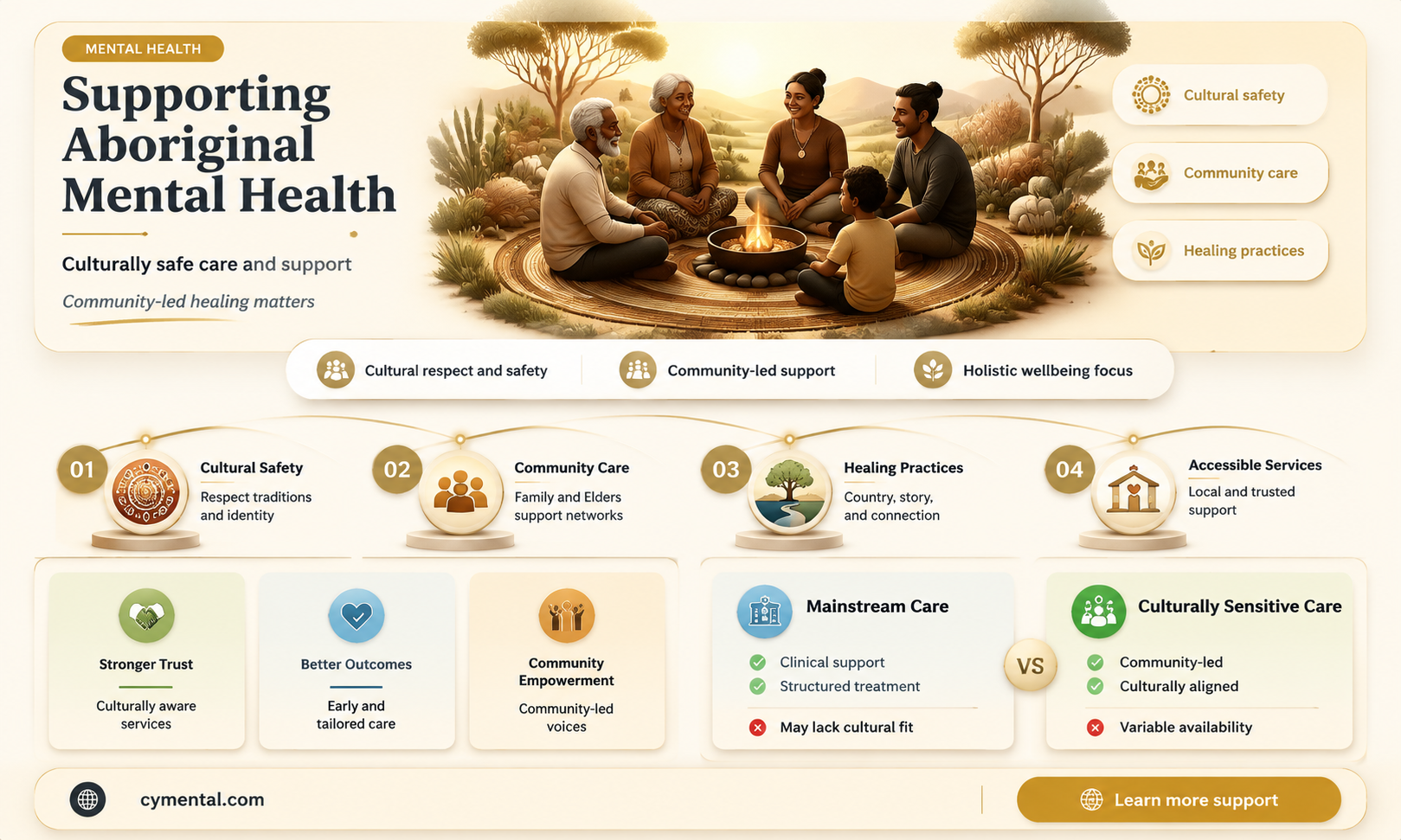
Addressing mental health challenges among Aboriginal people requires a culturally sensitive and holistic approach that acknowledges the profound impact of historical trauma, systemic inequalities, and ongoing discrimination. By prioritizing Indigenous-led solutions, such as integrating traditional healing practices with Western mental health services, we can create more effective and respectful support systems. Strengthening community-based programs, increasing access to culturally competent mental health professionals, and fostering partnerships with Aboriginal leaders are essential steps. Additionally, addressing social determinants of mental health, such as housing, education, and employment, is crucial to creating environments that promote well-being. Ultimately, meaningful change demands a commitment to reconciliation, amplifying Aboriginal voices, and ensuring that mental health initiatives are rooted in cultural understanding and self-determination.
Explore related products


$29.82 $51.99


What You'll Learn
- Cultural Safety Training: Equip mental health professionals with cultural understanding to build trust and respect
- Community-Led Programs: Support Indigenous-led initiatives for culturally relevant mental health services
- Access to Resources: Improve availability of mental health resources in remote and rural areas
- Trauma-Informed Care: Address intergenerational trauma with sensitive, informed therapeutic approaches
- Youth Support Systems: Develop programs tailored to Indigenous youth for early intervention and prevention

Cultural Safety Training: Equip mental health professionals with cultural understanding to build trust and respect
Aboriginal communities in Australia face unique mental health challenges, often exacerbated by historical trauma, systemic inequalities, and cultural misunderstandings. Mental health professionals, despite their expertise, may inadvertently perpetuate harm if they lack cultural understanding. This is where cultural safety training becomes indispensable. By equipping practitioners with the knowledge and skills to navigate Aboriginal cultural contexts, we can foster trust, respect, and more effective care.
Consider the following scenario: A non-Indigenous psychologist uses Western diagnostic frameworks to assess an Aboriginal client, overlooking the role of community, spirituality, and intergenerational trauma in their mental health. Without cultural safety training, the psychologist might misinterpret symptoms or propose interventions that feel alienating. Cultural safety training addresses this gap by teaching professionals to recognize and respect Aboriginal worldviews, communication styles, and healing practices. For instance, training modules often include case studies that highlight how Aboriginal clients may express distress through somatic symptoms rather than direct emotional language, a cultural nuance critical for accurate assessment.
Implementing cultural safety training requires a structured approach. Start with foundational workshops that cover Aboriginal history, including colonization, the Stolen Generations, and their ongoing impacts. Follow this with practical sessions on culturally responsive communication, such as using storytelling as a therapeutic tool or involving family and community in treatment plans. Programs like the *Cultural Respect Framework* in Victoria, Australia, provide templates for integrating these principles into practice. Caution: Avoid tokenistic training. Ensure programs are co-designed with Aboriginal elders and community leaders to ensure authenticity and relevance.
The benefits of cultural safety training extend beyond individual interactions. When mental health professionals demonstrate genuine cultural respect, they contribute to systemic change. Aboriginal clients are more likely to engage with services, adhere to treatment plans, and experience improved outcomes. For example, a study in New South Wales found that culturally safe practices increased service utilization among Aboriginal youth by 30%. This underscores the transformative potential of embedding cultural understanding into mental health care.
In conclusion, cultural safety training is not an optional add-on but a necessity for mental health professionals working with Aboriginal communities. It bridges the gap between clinical expertise and cultural competence, fostering environments where Aboriginal people feel seen, heard, and valued. By prioritizing this training, we move closer to a mental health system that truly serves all Australians.
Can CES Therapy Alleviate Symptoms of Mental Health Disorders?
You may want to see also
Explore related products


Community-Led Programs: Support Indigenous-led initiatives for culturally relevant mental health services
Indigenous communities face unique mental health challenges rooted in historical trauma, systemic inequities, and cultural disconnection. Addressing these requires more than generic solutions—it demands programs designed and led by Indigenous peoples themselves. Community-led initiatives ensure services are culturally relevant, trust-based, and sustainable, fostering healing on Indigenous terms.
Consider the success of the National Native Alcohol and Drug Abuse Program (NNADAP) in Canada. This Indigenous-led initiative empowers First Nations and Inuit communities to develop and deliver substance use programs tailored to their specific needs. By integrating traditional healing practices, such as smudging ceremonies and Elders’ teachings, with evidence-based therapies, NNADAP has achieved higher engagement and better outcomes than non-Indigenous programs. Its model underscores the power of self-determination in mental health care.
Supporting Indigenous-led programs isn’t just about funding—it’s about shifting power dynamics. Non-Indigenous organizations must adopt a “nothing about us without us” approach, ensuring Indigenous voices lead decision-making processes. This includes hiring Indigenous staff, incorporating cultural safety training, and respecting community protocols. For instance, the Indigenous Mental Health and Suicide Prevention Clearing Circle in Australia engages local Elders and knowledge keepers to co-design interventions, ensuring they align with cultural values and community priorities.
Practical steps for allies include advocating for policy changes that prioritize Indigenous-led funding streams, such as Canada’s Distinguished Indigenous Community Program. Additionally, organizations can partner with Indigenous groups to provide resources like training, technology, and infrastructure without usurping control. For example, the First Peoples’ Cultural Council in British Columbia offers grants and tools to communities revitalizing their languages, a critical aspect of mental wellness and cultural identity.
Caution must be taken to avoid tokenism or imposing external timelines. Indigenous-led programs often require flexibility to adapt to community rhythms and priorities. For instance, a healing program might pause during significant cultural events or seasons, reflecting the interconnectedness of mental health and community life. Respecting this pace is essential for long-term success.
In conclusion, community-led programs are not just a strategy—they are a necessity for meaningful mental health support in Indigenous contexts. By centering Indigenous leadership, cultural practices, and self-determination, these initiatives address root causes of mental health disparities while fostering resilience and empowerment. The question isn’t whether to support them, but how to do so effectively and equitably.
Therapy's Transformative Power: How Therapists Support Mental Health Healing
You may want to see also
Explore related products




Access to Resources: Improve availability of mental health resources in remote and rural areas
Remote and rural Aboriginal communities often face significant barriers to accessing mental health services, exacerbating disparities in care. Geographic isolation, limited infrastructure, and a shortage of trained professionals create a perfect storm of unmet needs. For instance, a 2020 report by the Australian Institute of Health and Welfare revealed that only 30% of remote Indigenous Australians had access to a psychologist, compared to 60% in urban areas. This gap underscores the urgent need for targeted solutions to bridge the resource divide.
One practical step is to leverage telehealth services, which can bypass geographical barriers and deliver care directly to remote locations. Telepsychology sessions, for example, can be conducted via video conferencing, allowing individuals to connect with mental health professionals without the need for lengthy travel. However, this approach requires reliable internet connectivity, a challenge in many remote areas. Governments and NGOs must invest in improving digital infrastructure, such as satellite internet, to ensure these services are accessible. Additionally, training local community health workers to facilitate telehealth sessions can enhance cultural sensitivity and trust.
Another strategy is to deploy mobile mental health clinics that travel to remote communities on a regular schedule. These clinics can provide on-site counseling, psychiatric assessments, and group therapy sessions. For example, the *Headspace* program in Australia has successfully implemented mobile units that cater to rural and Indigenous youth, offering services like art therapy and mindfulness workshops. Pairing these clinics with community events or health fairs can increase participation and reduce stigma. It’s crucial, however, to ensure these services are culturally appropriate, incorporating Indigenous practices like storytelling or connection to Country into therapeutic activities.
Finally, fostering partnerships between urban mental health organizations and local Aboriginal leaders can create sustainable solutions. Collaborative efforts can lead to the development of culturally tailored programs that address specific community needs. For instance, a pilot program in Canada trained Indigenous elders to co-facilitate mental health workshops alongside clinical psychologists, blending traditional wisdom with evidence-based practices. Such initiatives not only improve access but also empower communities to take ownership of their mental health resources. By combining innovation, cultural respect, and community involvement, we can begin to dismantle the barriers that prevent remote Aboriginal people from receiving the care they deserve.
Nutrition's Impact: How Eating Better Boosts Mental Health and Well-Being
You may want to see also
Explore related products
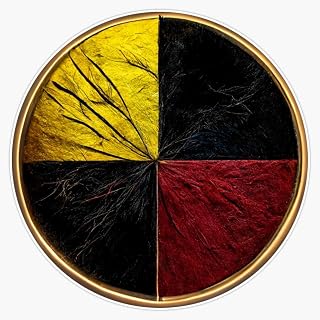


Trauma-Informed Care: Address intergenerational trauma with sensitive, informed therapeutic approaches
Intergenerational trauma among Aboriginal communities is a profound legacy of colonization, dispossession, and systemic oppression. This trauma, passed down through generations, manifests in heightened rates of mental health issues, substance abuse, and social challenges. Trauma-informed care (TIC) offers a framework to address these wounds by recognizing their historical roots and creating safe, culturally responsive therapeutic environments.
A key principle of TIC is understanding the context of trauma before attempting to treat its symptoms. For Aboriginal individuals, this means acknowledging the ongoing impacts of policies like the Stolen Generations, forced assimilation, and land dispossession. Therapists must educate themselves on these histories, not as distant facts but as living forces shaping clients’ experiences. For example, a therapist working with an Aboriginal elder might explore how their childhood removal from family influenced their parenting style and current mental health struggles.
Implementing TIC requires specific, actionable strategies. First, prioritize cultural safety by incorporating Aboriginal practices into therapy sessions. This could include storytelling, art, or connection to Country. Second, adopt a strengths-based approach, focusing on resilience and survival rather than pathology. For instance, instead of framing substance use as a moral failing, explore it as a coping mechanism rooted in trauma, offering alternatives like community healing circles or culturally grounded mindfulness practices. Third, ensure therapists are trained in cultural humility, actively seeking feedback from Aboriginal clients on how to improve their practice.
One practical example of TIC in action is the use of narrative therapy, which empowers clients to rewrite their stories. A therapist might work with a young Aboriginal person to reframe their experiences of racism and exclusion as evidence of systemic injustice, rather than personal inadequacy. Another approach is the integration of traditional healing practices, such as smoking ceremonies or yarning circles, into mental health programs. These methods not only address trauma but also reconnect individuals to their cultural identity, a vital protective factor.
While TIC is promising, it is not without challenges. Therapists must navigate the risk of retraumatization by avoiding intrusive questioning or insensitive interventions. Additionally, systemic barriers like underfunding of Aboriginal health services and a lack of culturally competent providers persist. To overcome these, advocate for policy changes that prioritize Aboriginal-led mental health initiatives and allocate resources to train more Indigenous practitioners.
In conclusion, trauma-informed care for Aboriginal people is both a science and an art. It demands historical awareness, cultural sensitivity, and a commitment to healing that honors the strength and resilience of Aboriginal communities. By centering their voices and experiences, we can begin to address intergenerational trauma in ways that are not only therapeutic but transformative.
Hamsters as Emotional Support: Boosting Mental Health and Well-Being
You may want to see also
Explore related products


Youth Support Systems: Develop programs tailored to Indigenous youth for early intervention and prevention
Indigenous youth face unique mental health challenges, often stemming from intergenerational trauma, systemic barriers, and cultural disconnection. Early intervention and prevention programs tailored to their needs can disrupt these cycles, fostering resilience and well-being. Such initiatives must be culturally responsive, community-driven, and holistic, addressing mental, emotional, and spiritual health.
Step 1: Engage Community Leaders and Elders
Begin by collaborating with Indigenous communities to design programs that honor their traditions and values. Elders and knowledge keepers can guide the integration of cultural practices like storytelling, land-based activities, and ceremonies into therapeutic frameworks. For example, a program for 12–18-year-olds might include weekly sessions where Elders share teachings on resilience through traditional stories, followed by group discussions facilitated by trained Indigenous youth workers.
Step 2: Incorporate Trauma-Informed Practices
Indigenous youth often carry the weight of historical and ongoing trauma. Programs should adopt trauma-informed approaches, ensuring staff are trained to recognize signs of distress and respond with compassion. For instance, a 10-week program could include modules on emotional regulation, using culturally relevant tools like smudging or drumming to help youth process emotions. Avoid confrontational methods; instead, focus on creating safe spaces where youth feel seen and heard.
Caution: Avoid One-Size-Fits-All Solutions
Indigenous communities are diverse, with distinct languages, customs, and needs. A program successful in one community may not translate to another. For example, a land-based healing program in a rural area might not resonate with urban Indigenous youth. Tailor interventions to local contexts, involving youth in program design to ensure relevance and engagement.
Takeaway: Sustainability Through Capacity Building
To ensure long-term impact, invest in training Indigenous youth as peer mentors or mental health advocates. For instance, a 6-month certification program could equip 16–21-year-olds with skills in mental health first aid, cultural facilitation, and conflict resolution. These youth can then lead workshops or support groups, creating a self-sustaining system of care. Pair this with ongoing funding for community-based organizations to maintain program continuity.
By centering culture, addressing trauma, and empowering youth, tailored support systems can become transformative tools for Indigenous youth. These programs not only prevent mental health crises but also nurture a generation capable of reclaiming their strength and identity.
Nourish Your Mind: The Power of Balanced Eating for Mental Health
You may want to see also
Frequently asked questions
Culturally sensitive approaches include incorporating traditional healing practices, such as smudging, storytelling, and connection to land, involving Elders and community leaders, and ensuring services are delivered by Indigenous practitioners or those trained in cultural safety.
Non-Indigenous professionals should educate themselves about Aboriginal cultures, histories, and the impacts of colonization, practice cultural humility, actively listen to clients’ needs, and collaborate with Indigenous communities to ensure care is respectful and relevant.
Community involvement is crucial as it fosters trust, ensures services are culturally appropriate, and strengthens social connections. Programs that engage community members, Elders, and local leaders are more likely to be effective and sustainable.
Services should acknowledge the historical and ongoing impacts of colonization, provide trauma-informed care, and offer programs that focus on healing, resilience, and reconnection to culture and identity.
Resources include culturally specific youth programs, access to Elders and mentors, Indigenous-led counseling services, and initiatives that promote cultural pride, education, and community engagement. Online platforms and helplines tailored for Indigenous youth are also available.