Madison Cole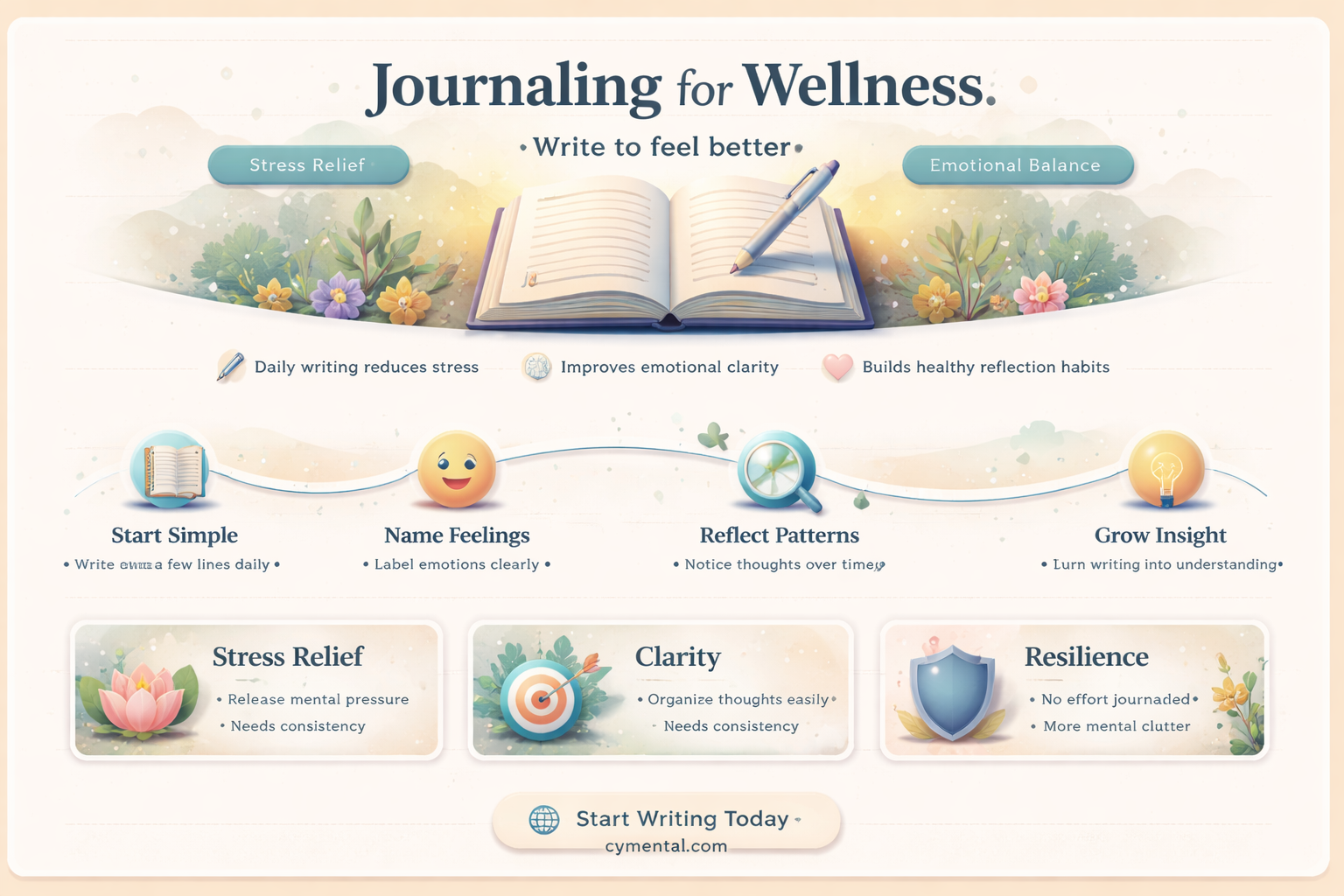
Writing down thoughts and feelings can be a powerful tool for improving mental health and wellness. It serves as a therapeutic outlet, allowing individuals to process emotions, reduce stress, and gain clarity on their experiences. By putting pen to paper, one can externalize internal struggles, making them more manageable and less overwhelming. Journaling, for instance, encourages self-reflection, helping to identify patterns, triggers, and coping mechanisms. Additionally, writing fosters mindfulness, grounding individuals in the present moment and promoting a sense of calm. Whether through structured prompts or free-flowing expression, this practice can enhance emotional regulation, boost self-awareness, and ultimately contribute to a more balanced and resilient mindset.
| Characteristics | Values |
|---|---|
| Stress Reduction | Writing helps clarify thoughts and feelings, reducing the intensity of stressors by organizing them into manageable parts. |
| Emotional Release | It provides a safe outlet for expressing emotions, helping to process and release pent-up feelings. |
| Improved Mood | Regular writing can boost mood by fostering gratitude, positivity, and self-reflection. |
| Enhanced Self-Awareness | Writing encourages introspection, helping individuals understand their thoughts, behaviors, and triggers better. |
| Problem-Solving | It aids in identifying patterns, generating solutions, and gaining new perspectives on challenges. |
| Memory Improvement | Writing down experiences and information reinforces memory retention and recall. |
| Goal Clarity | Journaling helps set, track, and achieve personal goals by providing structure and accountability. |
| Reduced Symptoms of Depression and Anxiety | Studies show that expressive writing can alleviate symptoms of depression and anxiety over time. |
| Better Sleep | Writing before bed can clear the mind, reducing racing thoughts and improving sleep quality. |
| Increased Resilience | Regular writing fosters emotional resilience by helping individuals process and cope with adversity. |
| Creative Outlet | It stimulates creativity and provides a non-judgmental space for self-expression. |
| Mindfulness Practice | Writing can be a form of mindfulness, grounding individuals in the present moment. |
| Improved Communication | Reflecting on thoughts and feelings through writing can enhance verbal communication skills. |
| Sense of Accomplishment | Completing written reflections or journals can boost self-esteem and provide a sense of achievement. |
| Long-Term Mental Health Benefits | Consistent writing habits contribute to sustained mental wellness and emotional regulation. |
Explore related products


$9.79 $17.99


What You'll Learn
- Stress Reduction: Journaling helps clear thoughts, reduces anxiety, and promotes relaxation through emotional release
- Improved Mood: Writing gratitude or positive experiences boosts happiness and fosters a hopeful mindset
- Clarity & Focus: Organizing thoughts on paper enhances problem-solving and decision-making abilities
- Emotional Processing: Writing about feelings aids in understanding and managing emotions effectively
- Trauma Healing: Expressive writing can help process traumatic events and reduce their impact

Stress Reduction: Journaling helps clear thoughts, reduces anxiety, and promotes relaxation through emotional release
Stress accumulates in the mind like static on a radio, distorting clarity and amplifying discomfort. Journaling acts as a tuning dial, allowing you to isolate and examine the frequencies of worry, fear, or overwhelm. By transferring chaotic thoughts from the abstract realm of the mind onto the concrete medium of paper, you create distance from them. This process, often referred to as "cognitive offloading," frees up mental bandwidth, making it easier to identify patterns, challenge irrational beliefs, and regain a sense of control. Studies suggest that even 15–20 minutes of daily expressive writing can significantly reduce perceived stress levels, particularly in individuals prone to rumination.
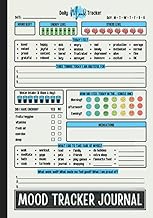
Consider the act of journaling as a form of emotional decluttering. When anxiety spirals, the mind often fixates on worst-case scenarios, magnifying problems while minimizing solutions. Writing forces you to slow down, articulate concerns, and confront them in a structured format. For instance, a simple technique involves dividing a page into three columns: "Problem," "Emotion," and "Possible Action." This framework not only organizes overwhelming feelings but also shifts focus from passive worry to active problem-solving. Over time, this practice trains the brain to approach stressors with greater resilience, reducing the physiological symptoms of anxiety, such as elevated heart rate or muscle tension.
The therapeutic power of journaling lies in its ability to facilitate emotional release without judgment or consequence. Unlike verbal communication, which may be constrained by social expectations or fear of misinterpretation, writing offers a private, unfiltered space to express raw emotions. This catharsis triggers the body’s relaxation response, lowering cortisol levels and promoting a sense of calm. For maximum benefit, combine journaling with mindfulness techniques: write in a quiet space, focus on your breath before beginning, and use sensory details to describe emotions (e.g., "My anxiety feels like a tight knot in my chest"). Such practices deepen the connection between mind and body, enhancing the stress-relieving effects.
While journaling is accessible to all ages, its application varies. Teenagers, for example, may benefit from creative formats like bullet journaling or doodling alongside text to process academic or social pressures. Adults might find structured prompts, such as "What’s one thing I’m grateful for today?" or "What’s a small win I achieved?", particularly grounding. For older adults, reflective writing about past experiences can reduce stress by fostering a sense of meaning and closure. Regardless of age, consistency is key—aim for daily practice, even if only for 10 minutes, to build a habit that strengthens emotional resilience over time.
To maximize journaling’s stress-reducing potential, avoid turning it into a chore. Use tools that feel enjoyable: a favorite pen, a beautifully bound notebook, or even a digital app with calming aesthetics. Experiment with timing—some find morning journaling sets a calm tone for the day, while others prefer evening reflection to unwind. Remember, there’s no right or wrong way to journal; the goal is to create a safe space for emotional release. Over weeks, you may notice not only reduced stress but also improved sleep, heightened self-awareness, and a greater capacity to navigate life’s challenges with clarity and composure.
Dogs as Healers: Boosting Mental Health Through Canine Companionship
You may want to see also
Explore related products


Improved Mood: Writing gratitude or positive experiences boosts happiness and fosters a hopeful mindset
The simple act of putting pen to paper and jotting down moments of gratitude or positive experiences can significantly enhance your mood and overall mental well-being. Research suggests that this practice, often referred to as gratitude journaling, can increase happiness levels by up to 25% over a sustained period. It’s not just about feeling good in the moment; it’s about rewiring your brain to focus on the positive, even when life feels overwhelming. By spending just 10-15 minutes daily writing down three to five things you’re grateful for, you can create a lasting shift in perspective.
Consider this: when you write about positive experiences, you’re not just recalling them—you’re reliving them. This process activates the brain’s reward system, releasing dopamine and serotonin, the neurotransmitters associated with pleasure and well-being. Over time, this practice trains your brain to scan for the good in your life, rather than defaulting to negativity. For instance, writing about a kind gesture from a friend or a beautiful sunset can amplify the emotional impact of that moment, making it a more potent source of joy.
However, it’s important to approach this practice with intention. Simply listing generic items like “family” or “health” may not yield the same benefits as detailing specific, vivid experiences. For example, instead of writing “I’m grateful for my partner,” try “I’m grateful for the way my partner listened to me when I was stressed yesterday, making me feel supported and understood.” This level of specificity deepens the emotional connection and reinforces the positive memory.
For those new to gratitude journaling, start small and be consistent. Set aside a dedicated time each day, such as in the morning to set a positive tone or before bed to reflect on the day’s highlights. Use a notebook or a digital journaling app—whatever feels most accessible. If you’re struggling to identify positive experiences, begin by acknowledging small victories, like completing a task or enjoying a cup of coffee. Over time, this practice can foster a hopeful mindset, making it easier to navigate challenges with resilience and optimism.
Incorporating gratitude writing into your routine isn’t just a feel-good activity—it’s a scientifically backed tool for improving mental health. Studies show that individuals who consistently engage in this practice report higher levels of life satisfaction and reduced symptoms of depression and anxiety. It’s a reminder that happiness often lies not in acquiring more, but in appreciating what already exists. So, grab a pen, reflect on the good, and watch as your mood and outlook begin to transform.
Nourish Your Mind: How Healthy Eating Boosts Mental Well-Being
You may want to see also
Explore related products

$10.88 $15.99

$7.84 $14.99



Clarity & Focus: Organizing thoughts on paper enhances problem-solving and decision-making abilities
The human brain processes thousands of thoughts daily, often leaving us overwhelmed and mentally cluttered. Writing down these thoughts acts as a cognitive offloading mechanism, freeing up mental space and allowing for sharper focus. When you transfer ideas from your mind to paper, you create a structured external record that’s easier to analyze and act upon. This simple act of organization transforms abstract worries or goals into tangible elements, making them less daunting and more manageable.
Consider this practical approach: Dedicate 10 minutes daily to jot down your thoughts in a "brain dump" format. Start with broad concerns or tasks, then break them into smaller, actionable steps. For instance, if you’re stressed about a project deadline, list the tasks required, prioritize them, and assign realistic timeframes. This method not only clarifies what needs to be done but also reduces the mental burden of remembering details. Research shows that such structured writing can decrease anxiety by up to 20%, as it shifts your focus from the problem to the solution.
However, not all writing yields the same results. Avoid vague or emotional rants, which can perpetuate confusion. Instead, use frameworks like the 5 Whys technique (asking "why" repeatedly to uncover root causes) or the Eisenhower Matrix (categorizing tasks by urgency and importance) to guide your writing. For example, if you’re indecisive about a career move, write down the pros and cons, then analyze them objectively. This analytical approach enhances decision-making by removing emotional bias and highlighting logical pathways.
A cautionary note: Over-organizing can backfire. If you spend more time perfecting your notes than addressing the issue, you’ve missed the point. Keep your writing concise and functional. Use bullet points, diagrams, or mind maps to maintain clarity without getting bogged down in detail. For instance, a mind map can visually connect related ideas, helping you see patterns or solutions that weren’t apparent in your initial thoughts.
In conclusion, organizing thoughts on paper is a powerful tool for enhancing clarity and focus. It’s not about creating a masterpiece but about structuring your mental chaos into actionable insights. By incorporating this practice into your routine—even for just 10 minutes daily—you’ll find that problem-solving becomes more intuitive and decision-making more confident. The key lies in consistency and simplicity: write, structure, and act.
Reporting Mental Health Associations: When Help Falls Short, What Next?
You may want to see also
Explore related products


Emotional Processing: Writing about feelings aids in understanding and managing emotions effectively
Writing about your feelings isn't just a cliché from self-help books; it's a scientifically backed method for untangling the complex web of emotions we experience daily. Research shows that expressive writing, particularly about emotional topics, can lead to significant improvements in mental health. A study published in the *Journal of Experimental Psychology* found that participants who wrote about their deepest thoughts and feelings for just 15 minutes a day over four consecutive days experienced better mood and reduced stress levels compared to those who wrote about superficial topics. This simple practice acts as a mental decluttering tool, allowing you to process emotions that might otherwise linger and fester.
Consider this: emotions are like data points, and writing is the algorithm that helps you analyze them. When you put your feelings into words, you externalize them, making them more objective and manageable. For instance, if you’re overwhelmed by anger, writing about the situation can help you identify triggers, patterns, and underlying causes. This process, known as cognitive reframing, shifts your perspective from reactive to reflective. It’s akin to stepping back from a painting to see the full picture rather than focusing on a single brushstroke. By doing so, you gain clarity and control over emotions that might otherwise feel chaotic.
To harness the power of emotional processing through writing, start with a structured approach. Set aside 10–20 minutes daily in a quiet space. Begin by jotting down how you feel without censoring yourself—let the words flow freely. Then, ask yourself probing questions: *Why do I feel this way? What does this emotion tell me about my needs or boundaries?* For example, if you write about feeling anxious, you might uncover that the root cause is unresolved conflict or unmet expectations. This insight is the first step toward addressing the issue rather than merely reacting to it.
However, it’s important to approach this practice with caution. Writing about intensely traumatic or distressing emotions without proper support can sometimes exacerbate feelings of overwhelm. If you find yourself stuck in a loop of negative emotions, consider pairing this practice with professional guidance, such as therapy. Additionally, don’t pressure yourself to write perfectly—grammar, spelling, and coherence are irrelevant here. The goal is emotional release and understanding, not literary merit.
Incorporating this practice into your routine can yield long-term benefits. Over time, you’ll develop a greater emotional vocabulary, making it easier to articulate and address feelings before they escalate. For instance, instead of simply labeling yourself as “stressed,” you might identify feelings of frustration, inadequacy, or fear. This precision allows for more targeted coping strategies. Whether you’re a teenager navigating peer pressure, a professional managing workplace stress, or a retiree processing life transitions, writing about your emotions can be a versatile and accessible tool for emotional wellness. Start small, stay consistent, and let the pen (or keyboard) guide you toward greater self-awareness.
Keto Diet and Mental Clarity: Fact or Fiction?
You may want to see also
Explore related products

$8.33 $19.99

$5.92 $12.99


Trauma Healing: Expressive writing can help process traumatic events and reduce their impact
Traumatic events leave deep imprints, often manifesting as intrusive memories, emotional numbness, or hypervigilance. Expressive writing, a structured practice of articulating thoughts and feelings about these experiences, has emerged as a powerful tool for processing trauma. Research, including studies by James Pennebaker, demonstrates that dedicating 15–20 minutes daily for 3–5 consecutive days to write about traumatic events can significantly reduce symptoms of anxiety, depression, and post-traumatic stress disorder (PTSD). This method encourages individuals to confront and organize fragmented memories, fostering emotional clarity and reducing the event’s psychological grip.
The process is deceptively simple yet profoundly effective. Begin by creating a safe, uninterrupted space where you can write freely without judgment. Use prompts like, “I’m still thinking about what happened because…” or “The most difficult part of this memory is…” to guide your reflection. Avoid censoring yourself; the goal is not to produce polished prose but to externalize the chaos within. For adolescents and adults alike, this practice can help bridge the gap between overwhelming emotions and coherent understanding, making trauma feel less insurmountable.
However, expressive writing is not a one-size-fits-all solution. Individuals with severe PTSD or those lacking a supportive environment may find it retraumatizing. Pairing this practice with professional therapy can provide a safety net, ensuring that emotions stirred up during writing are processed constructively. Additionally, incorporating grounding techniques, such as deep breathing or mindfulness, before and after writing sessions can mitigate distress. Consistency is key—while some notice benefits after just a few sessions, others may require longer engagement to experience relief.
The science behind expressive writing’s efficacy lies in its ability to engage the brain’s left hemisphere, associated with analytical thinking, while simultaneously allowing the right hemisphere, linked to emotions, to process the trauma. This dual engagement helps integrate the experience into a coherent narrative, reducing its emotional charge. For instance, a study published in *Psychological Science* found that participants who engaged in expressive writing showed decreased activity in the amygdala, the brain’s fear center, when recalling traumatic events.
In practice, expressive writing is not about reliving trauma but about reclaiming agency over its narrative. By transforming amorphous pain into words, individuals often discover insights about their resilience or identify patterns that contribute to healing. For example, a survivor of childhood abuse might realize through writing that their hypervigilance stems from a protective instinct, reframing it as a strength rather than a flaw. This shift in perspective can be transformative, paving the way for emotional recovery.
To maximize its benefits, combine expressive writing with other wellness practices. Journaling alongside meditation, exercise, or creative activities can amplify its effects. For those hesitant to start, begin with small, manageable entries and gradually increase depth. Remember, the goal is not to “fix” the trauma but to create space for healing. As one practitioner aptly noted, “Writing doesn’t erase the past, but it can rewrite the future.”
Sunlight and Mental Health: Unlocking Nature's Mood-Boosting Benefits
You may want to see also
Frequently asked questions
Writing down thoughts and feelings helps clarify emotions, reduces mental clutter, and provides an outlet for stress and anxiety. It allows you to process experiences, gain perspective, and identify patterns in your thoughts or behaviors, promoting self-awareness and emotional regulation.
Yes, journaling can reduce symptoms of anxiety and depression by helping you express and release pent-up emotions. It also encourages mindfulness, fosters gratitude, and provides a safe space to explore and challenge negative thought patterns.
Consistency is key, but there’s no one-size-fits-all answer. Even writing for 10–15 minutes a day can yield benefits. Start with a frequency that feels manageable, whether daily, a few times a week, or whenever you feel overwhelmed.
Write about whatever feels meaningful to you. This could include your emotions, daily experiences, goals, gratitude, or challenges. Prompts like "What’s on my mind?" or "What am I grateful for today?" can help guide your writing if you’re unsure where to start.