Ava Ramirez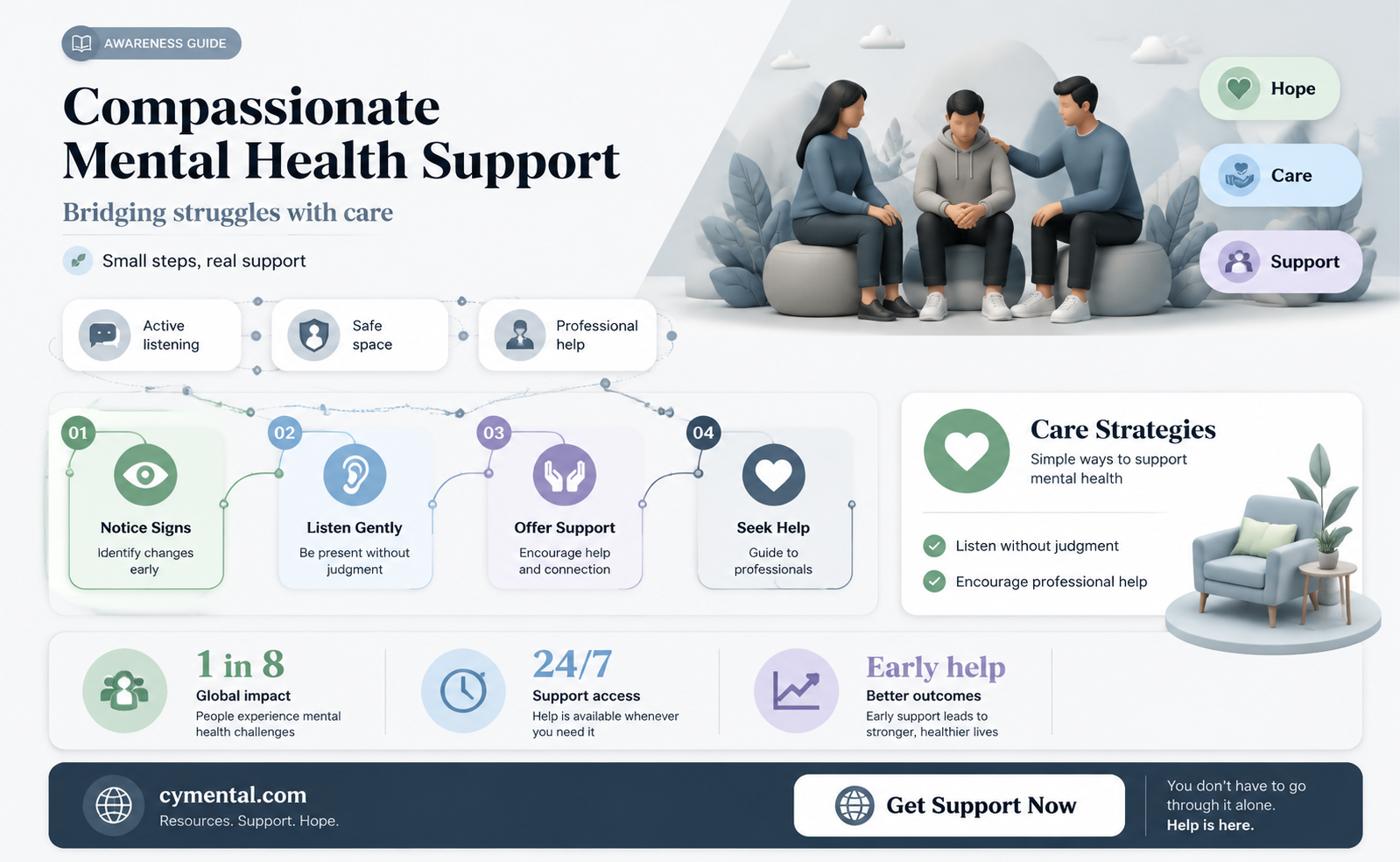
Addressing the needs of the mentally ill requires a compassionate and multifaceted approach that begins with raising awareness and reducing stigma. By fostering open conversations about mental health, we can encourage individuals to seek help without fear of judgment. Communities, healthcare providers, and policymakers must collaborate to ensure accessible and affordable mental health services, including therapy, medication, and support groups. Outreach programs, such as mobile clinics and peer support networks, can bridge gaps for those in underserved areas or facing barriers to care. Additionally, educating the public on recognizing signs of mental distress and providing resources for intervention can empower everyone to play a role in supporting those in need. Ultimately, creating a supportive environment where mental health is prioritized is essential to helping individuals lead fulfilling lives.
Explore related products


What You'll Learn
- Community Awareness Campaigns: Educate public on mental health, reduce stigma, and promote early intervention through workshops and media
- Accessible Mental Health Services: Expand affordable therapy, counseling, and psychiatric care in underserved areas and online platforms
- Peer Support Programs: Train individuals with lived experience to provide empathy, guidance, and encouragement to those struggling
- Crisis Intervention Hotlines: Offer 24/7 support via phone, text, or chat for immediate assistance during mental health emergencies
- Workplace Mental Health Initiatives: Implement policies, training, and resources to support employee well-being and reduce burnout

Community Awareness Campaigns: Educate public on mental health, reduce stigma, and promote early intervention through workshops and media
Mental health stigma thrives in silence, perpetuating misconceptions and delaying crucial support. Community awareness campaigns shatter this silence by amplifying accurate information, humanizing struggles, and normalizing conversations. Imagine a local workshop where a recovered individual shares their journey, followed by a Q&A session with a mental health professional. This combination of personal narrative and expert insight fosters empathy, challenges stereotypes, and equips attendees with actionable knowledge.
Media plays a pivotal role in shaping public perception. Campaigns leveraging social media platforms, local radio, and community newsletters can disseminate vital information about warning signs, available resources, and the importance of early intervention. A series of short videos featuring diverse individuals sharing their experiences with anxiety, depression, or other conditions, coupled with captions like "It's okay to not be okay" and helpline numbers, can reach a wide audience and encourage help-seeking behavior.
Effective campaigns don't just inform; they engage. Interactive workshops incorporating role-playing scenarios, myth-busting quizzes, and group discussions actively involve participants, fostering deeper understanding and retention. For instance, a workshop titled "Beyond the Smile: Recognizing Hidden Struggles" could challenge participants to identify signs of distress in fictional case studies, followed by a discussion on appropriate ways to offer support. Tailoring workshops to specific demographics, such as youth, seniors, or cultural communities, ensures relevance and impact.
While workshops and media are powerful tools, their success hinges on careful planning and execution. Campaigns must be culturally sensitive, avoiding generic messaging that may alienate certain groups. Collaborating with local mental health organizations, community leaders, and individuals with lived experience ensures authenticity and credibility. Measuring impact through surveys, attendance data, and helpline call volume allows for continuous improvement and demonstrates the campaign's effectiveness to funders and stakeholders.
Ultimately, community awareness campaigns are not a one-time solution but a sustained effort to cultivate a culture of compassion and understanding. By consistently educating the public, challenging stigma, and promoting early intervention, these campaigns pave the way for a society where mental health is prioritized, support is readily available, and no one suffers in silence.
Ushering Hope: How Support Systems Aid Mental Health Recovery
You may want to see also
Explore related products


Accessible Mental Health Services: Expand affordable therapy, counseling, and psychiatric care in underserved areas and online platforms
Mental health services remain out of reach for millions due to geographic, financial, and logistical barriers. Rural communities, for instance, often lack even a single licensed therapist within a 50-mile radius, forcing individuals to travel hours or forgo care entirely. Urban areas fare little better, with long waitlists and high costs excluding low-income residents. Expanding affordable therapy, counseling, and psychiatric care into underserved areas—both physically and virtually—is not just a moral imperative but a practical solution to a growing crisis.
One effective strategy is to incentivize mental health professionals to practice in underserved regions through loan forgiveness programs, tax breaks, or salary supplements. For example, the National Health Service Corps in the U.S. offers up to $50,000 in loan repayment for clinicians committing to work in Health Professional Shortage Areas (HPSAs). Pairing such initiatives with telehealth platforms can amplify their impact. A 2021 study found that telepsychiatry reduced no-show rates by 40% in rural clinics, demonstrating its potential to bridge the accessibility gap. However, this approach requires robust broadband infrastructure, a challenge in many rural areas that policymakers must address concurrently.
Online platforms offer another avenue to democratize mental health care, but their effectiveness hinges on thoughtful design and regulation. Apps like BetterHelp and Talkspace have made therapy more accessible, but concerns about data privacy, therapist qualifications, and the lack of in-person connection persist. To maximize their utility, these platforms should integrate evidence-based practices, such as cognitive-behavioral therapy (CBT), and offer tiered pricing models to ensure affordability. For instance, a sliding-scale fee structure based on income could make therapy accessible to those earning as little as $20,000 annually. Additionally, incorporating AI-driven tools for mood tracking and personalized recommendations can enhance user engagement without replacing human interaction.
A comparative analysis of successful models reveals the importance of community-based solutions. In India, the MANAS program trains non-specialist health workers to deliver mental health care in rural areas, reducing treatment gaps by 60%. Similarly, the UK’s Improving Access to Psychological Therapies (IAPT) program has provided over 5 million therapy sessions since 2008, with 50% of patients recovering from depression or anxiety. These initiatives underscore the value of integrating mental health services into primary care settings and leveraging local resources. By combining such models with digital innovation, we can create a hybrid system that meets diverse needs.
Ultimately, expanding accessible mental health services requires a multi-pronged approach: policy changes to incentivize professionals, technological solutions to overcome geographic barriers, and community-driven initiatives to build trust and sustainability. The goal is not just to increase the number of providers but to ensure that care is affordable, culturally competent, and tailored to individual needs. For example, offering therapy sessions in multiple languages or incorporating culturally relevant therapeutic techniques can improve outcomes for marginalized communities. With strategic investment and collaboration, we can transform mental health care from a privilege into a universal right.
Are Mental Institutions Truly Helpful? Exploring Their Impact and Effectiveness
You may want to see also
Explore related products





Peer Support Programs: Train individuals with lived experience to provide empathy, guidance, and encouragement to those struggling
Peer support programs leverage the power of shared experience to foster healing and resilience in mental health. By training individuals who have navigated their own mental health challenges, these programs create a unique support system that blends empathy, practical guidance, and hope. Unlike traditional therapy, peer support is rooted in mutual understanding rather than clinical expertise, making it accessible and relatable for those who may feel alienated by formal mental health services.
Consider the structure of a successful peer support program. Training should focus on active listening, boundary-setting, and crisis de-escalation techniques. For instance, peers might learn to use reflective statements like, “It sounds like you’re feeling overwhelmed—how can I support you right now?” rather than offering unsolicited advice. Programs often pair peers with individuals based on shared experiences, such as anxiety disorders or trauma, to enhance connection. For example, a peer who has recovered from severe depression can provide actionable strategies, like breaking tasks into smaller steps or using mood-tracking apps, alongside emotional encouragement.
One of the most compelling aspects of peer support is its ability to combat stigma. When someone struggling with mental illness sees another person who has not only survived but thrived, it challenges the narrative of hopelessness. A study by the National Alliance on Mental Illness (NAMI) found that individuals in peer support programs reported a 50% increase in feelings of empowerment and a 30% reduction in hospitalization rates over six months. This highlights the program’s dual role: providing immediate relief while fostering long-term recovery.
However, implementing peer support programs requires careful consideration. Peers must receive ongoing supervision to prevent burnout and ensure they do not take on the emotional burden of their peers. Additionally, programs should clarify the scope of a peer’s role—they are not therapists or case managers but rather companions on the journey to recovery. For instance, a peer might accompany someone to their first therapy session to reduce anxiety but would not diagnose or prescribe treatment.
In practice, peer support can take various forms: one-on-one mentoring, group sessions, or even digital platforms where peers connect anonymously. For younger populations, such as teens and young adults, peer support integrated into school or community settings can be particularly effective. For example, a high school might train senior students to lead weekly check-in groups, providing a safe space for peers to discuss stress, anxiety, or other challenges. The key is to create a culture of openness and mutual respect, where lived experience is valued as a source of strength rather than shame.
By embedding peer support into mental health frameworks, we not only extend the reach of care but also humanize the recovery process. It’s a reminder that healing is not a solitary journey—it’s a collective effort, powered by the resilience of those who have walked the path before.
Supporting Your Wife: Navigating Mental Health Conversations and Care Options
You may want to see also
Explore related products




Crisis Intervention Hotlines: Offer 24/7 support via phone, text, or chat for immediate assistance during mental health emergencies
In moments of acute mental distress, every second counts. Crisis intervention hotlines serve as a lifeline, offering immediate, confidential support to individuals grappling with suicidal thoughts, panic attacks, or overwhelming emotional turmoil. These services, accessible via phone, text, or chat, are staffed by trained professionals who provide empathetic listening, de-escalation techniques, and actionable guidance. For instance, the National Suicide Prevention Lifeline (988 in the U.S.) connects callers to counselors who assess risk, offer coping strategies, and, if necessary, dispatch emergency services. This real-time intervention can mean the difference between life and death.
Consider the mechanics of these hotlines: they are designed to be low-barrier, ensuring anyone with a phone or internet access can reach out. Text and chat options cater to those who may feel uncomfortable speaking aloud or are in situations where privacy is limited. For example, the Crisis Text Line (text HOME to 741741) allows users to communicate silently, making it ideal for individuals in public spaces or abusive environments. These platforms also collect anonymized data to identify trends, such as spikes in anxiety during holidays or exam periods, enabling targeted outreach campaigns.
However, the effectiveness of crisis hotlines hinges on public awareness and trust. Many individuals in distress hesitate to call, fearing judgment or believing their problems "aren't serious enough." Campaigns like the "Seize the Awkward" initiative tackle this stigma by normalizing conversations about mental health and promoting hotlines as a proactive resource, not a last resort. Schools, workplaces, and community centers can play a pivotal role by prominently displaying hotline numbers and educating people on when and how to use them.
Despite their value, hotlines are not a panacea. They are a critical first step, not a substitute for long-term care. Counselors often help callers create safety plans, connect with local mental health providers, or schedule follow-up appointments. For instance, a person experiencing a psychotic episode might be guided through grounding exercises while emergency contacts are notified. This bridge between crisis and ongoing support underscores the importance of integrating hotlines into a broader mental health ecosystem.
To maximize their impact, hotlines must continually adapt to evolving needs. This includes training staff in culturally competent care, offering multilingual services, and incorporating digital tools like AI-assisted triage for high-volume periods. For example, the Trevor Project’s chat service for LGBTQ+ youth uses AI to prioritize urgent messages while ensuring human oversight. By combining accessibility, empathy, and innovation, crisis intervention hotlines remain a vital tool in the fight against mental health emergencies.
Church and Mental Health: Exploring the Impact of Faith Communities
You may want to see also
Explore related products


$8.99 $19.99



Workplace Mental Health Initiatives: Implement policies, training, and resources to support employee well-being and reduce burnout
Workplace stress and burnout are significant contributors to mental health issues, with the World Health Organization estimating that depression and anxiety disorders cost the global economy $1 trillion annually in lost productivity. To combat this, organizations must prioritize employee well-being through targeted initiatives. A comprehensive approach involves implementing policies that foster a healthy work-life balance, such as flexible scheduling, remote work options, and mandatory time-off policies. For instance, companies like Microsoft Japan reported a 40% increase in productivity after introducing a 4-day workweek, demonstrating that reduced hours can lead to higher efficiency and improved mental health.
Training is another critical component. Managers and employees alike should undergo mental health first aid training to recognize signs of distress and provide appropriate support. Programs like Mental Health First Aid (MHFA) offer 8-hour courses that teach participants how to identify risk factors, offer initial help, and guide individuals toward professional resources. Additionally, incorporating resilience-building workshops can equip employees with tools to manage stress. Techniques such as mindfulness, cognitive-behavioral strategies, and time management should be integrated into these sessions, with regular follow-ups to reinforce learning.
Resources must be accessible and diverse to meet varying needs. Employee Assistance Programs (EAPs) offering confidential counseling services are a staple, but companies should also consider digital platforms like Calm or Headspace for on-demand mental health support. Physical resources, such as quiet rooms or wellness centers, can provide spaces for relaxation and reflection. For example, Google’s on-site wellness centers offer yoga classes, massage therapy, and mental health consultations, setting a benchmark for holistic employee care.
However, implementing these initiatives requires careful consideration of potential pitfalls. Policies must be consistently enforced to avoid creating a culture of favoritism or inequity. Training should be mandatory for leadership to ensure accountability, and resources should be regularly evaluated for effectiveness through employee feedback. Companies must also guard against tokenism by ensuring initiatives are well-funded and integrated into the organizational culture, not just superficial add-ons.
Ultimately, workplace mental health initiatives are an investment in both employees and the organization’s long-term success. By combining robust policies, targeted training, and accessible resources, companies can create environments that not only reduce burnout but also foster resilience and productivity. The key lies in treating mental health as a priority, not an afterthought, and embedding these practices into the fabric of daily operations.
Mental Stimulation and Dementia: Unlocking Cognitive Resilience and Brain Health
You may want to see also
Frequently asked questions
Approach them with empathy and respect. Use open-ended questions like, "How are you feeling lately?" or "Is there anything you’d like to talk about?" Avoid judgmental language and let them know you’re there to listen without pushing for details.
Offer to help with daily tasks, such as grocery shopping or transportation to appointments. Educate yourself about their condition to better understand their challenges. Encourage them to seek professional help and connect them with local mental health resources.
Research local mental health organizations or crisis hotlines that accept volunteers. You can also donate to reputable organizations, participate in awareness campaigns, or advocate for mental health policies in your community.