Harper Lewis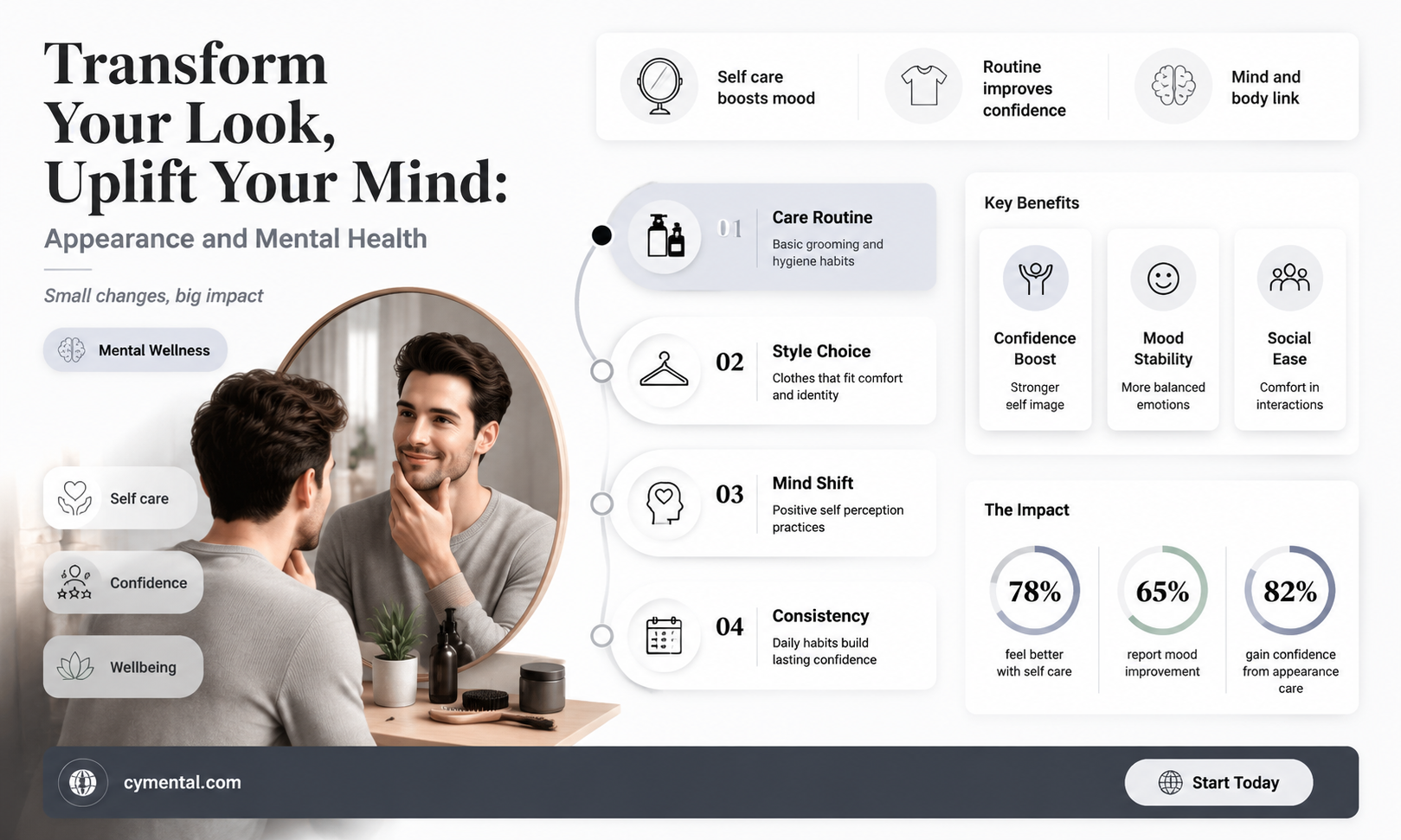
Changing one's appearance can have a profound impact on mental health, serving as a powerful tool for self-expression, confidence-building, and emotional healing. Whether through a new hairstyle, updated wardrobe, or even more significant transformations like tattoos or cosmetic procedures, altering one’s external look often reflects and reinforces internal shifts. It can provide a sense of control and agency, especially during times of transition or struggle, allowing individuals to align their outward identity with how they feel inside. Additionally, positive changes in appearance can boost self-esteem, improve social interactions, and foster a renewed sense of purpose, ultimately contributing to a healthier and more positive mindset.
Explore related products


What You'll Learn

Boosting self-esteem through style changes
A well-chosen outfit can be a powerful tool for self-expression and a catalyst for positive change in one's mental well-being. The act of curating a personal style is an art that allows individuals to communicate their identity, boost confidence, and even challenge societal norms. This is particularly evident when exploring the concept of boosting self-esteem through style transformations.
The Psychology of Style and Self-Perception
Our clothing choices are not merely superficial; they significantly impact how we perceive ourselves and how others perceive us. Research suggests that wearing certain outfits can influence our psychological processes, a phenomenon known as 'enclothed cognition.' For instance, donning a tailored suit might make one feel more authoritative and confident, while a colorful, playful ensemble could encourage a more creative and carefree mindset. This concept is particularly relevant when considering the impact of style on self-esteem. By intentionally selecting garments that align with our desired self-image, we can effectively shape our mood and overall mental state.
A Transformative Journey: Style Makeovers and Self-Esteem
Imagine a young adult struggling with self-confidence due to body image issues. A style intervention could be a powerful tool for self-acceptance and empowerment. Here's a step-by-step approach:
- Identify Style Icons: Encourage the individual to find celebrities or public figures with similar body types who exude confidence and have a unique sense of style. This helps in setting a visual goal and understanding the potential of personal style.
- Wardrobe Cururation: Assist in curating a wardrobe that flatters their body shape and reflects their personality. This might involve a shopping trip with a stylist or a trusted friend, focusing on pieces that make them feel comfortable and confident.
- Experimentation and Feedback: Style is a form of self-expression, so encourage experimentation. Suggest trying different looks and seeking feedback from supportive peers. This process allows for self-discovery and the development of a unique style signature.
- Consistency and Self-Care: Building self-esteem is a journey. Emphasize the importance of consistently dressing in a way that makes them feel good. This daily act of self-care can significantly impact their overall mental health and self-perception.
The Power of Community and Support
Style transformations can be even more effective when coupled with community support. Group activities like clothing swaps, styling workshops, or even online forums can provide a sense of belonging and encouragement. These communities offer a safe space to share experiences, exchange tips, and celebrate each other's style evolution, fostering a positive environment for self-esteem growth.
In the realm of mental health, the impact of style changes should not be underestimated. It is a tangible, accessible way for individuals to take control of their self-perception and, in turn, their overall well-being. By understanding the psychology behind it and implementing practical steps, one can effectively boost self-esteem and embrace a more confident, authentic self. This approach not only changes how one looks but also how one feels, thinks, and interacts with the world.
Suicidal Individuals: Are They Receiving Adequate Mental Health Support?
You may want to see also
Explore related products

$13.29 $16.99


Physical transformation fostering confidence and self-worth
A simple change in appearance can act as a catalyst for profound internal shifts, particularly in how we perceive ourselves. When individuals intentionally alter their physical presentation—whether through a new hairstyle, updated wardrobe, or even more significant modifications like weight loss or cosmetic procedures—they often report feeling more confident and worthy. This transformation isn’t merely skin-deep; it’s a tangible way to assert control over one’s identity, especially during periods of transition or self-doubt. For instance, a study published in the *Journal of Experimental Social Psychology* found that participants who wore a superhero-like lab coat felt more confident and performed better on tasks, illustrating how external changes can trigger internal empowerment.
Consider the process of adopting a new fitness routine. For adults aged 25–40, dedicating 30–45 minutes daily to strength training or cardio not only reshapes the body but also reinforces discipline and self-efficacy. As muscles tone and endurance improves, individuals often experience a surge in self-worth, feeling capable of tackling challenges beyond the gym. Pairing this with a mindful approach to nutrition—such as increasing protein intake to 1.2–1.6 grams per kilogram of body weight—amplifies results, creating a cycle of achievement and pride. The key is consistency; even small, measurable progress fosters a sense of accomplishment that translates into other areas of life.
For those seeking less time-intensive changes, something as straightforward as updating one’s wardrobe can yield significant psychological benefits. A 2012 study in the *Journal of Experimental Social Psychology* coined the term “enclothed cognition,” demonstrating that what we wear directly impacts our psychological state. For example, dressing in structured, tailored pieces can make individuals feel more authoritative, while incorporating colors like red or yellow can boost energy and optimism. Practical tips include investing in versatile, well-fitted staples and experimenting with accessories to reflect personal style. Even a single statement piece, like a bold blazer or unique pair of shoes, can serve as a daily reminder of one’s individuality and value.
However, it’s crucial to approach physical transformation with caution, ensuring it aligns with intrinsic values rather than external pressures. For instance, while cosmetic procedures can enhance confidence, they should be pursued for personal reasons, not to conform to societal ideals. A 2019 study in *Body Image* found that individuals who underwent procedures for self-improvement reported higher satisfaction compared to those motivated by external validation. To safeguard mental health, set clear intentions before making changes, and regularly assess whether the transformation feels authentic. Combining physical changes with practices like journaling or therapy can further deepen self-awareness, ensuring the external shift supports genuine internal growth.
Ultimately, physical transformation is a tool—one that, when wielded thoughtfully, can rebuild confidence and self-worth from the ground up. Whether through fitness, fashion, or more significant alterations, the act of reshaping one’s appearance becomes a declaration of self-value. By focusing on intentional, meaningful changes, individuals can harness the power of their external selves to illuminate their inner strength, proving that sometimes, the most profound shifts begin with what’s visible.
Eliminating Stress: A Key to Enhancing Mental Health and Well-being
You may want to see also
Explore related products


Grooming rituals as therapeutic self-care practices
Grooming rituals, often dismissed as superficial, can be powerful tools for mental health. The act of caring for one’s appearance—whether through skincare, hairstyling, or shaving—engages the senses and fosters mindfulness. For instance, the rhythmic motion of brushing hair or the tactile experience of applying moisturizer can ground individuals in the present moment, reducing anxiety. These rituals create a sense of control in a chaotic world, offering small, achievable tasks that yield immediate results. A 2020 study published in *Body Image* found that participants who engaged in grooming activities reported lower stress levels and improved mood, highlighting the therapeutic potential of these practices.
Consider the transformative power of a skincare routine. Dedicating 10–15 minutes daily to cleanse, exfoliate, and moisturize not only improves skin health but also provides a structured pause in the day. For those struggling with depression, this routine can serve as a gentle reminder of self-worth. Dermatologists recommend starting with a simple regimen: cleanser, hyaluronic acid serum, and sunscreen. Over time, the ritual becomes a form of self-compassion, reinforcing the idea that one’s needs matter. For older adults, skincare can also combat age-related insecurities, as consistent care visibly improves skin texture and tone.
Haircare, too, can be a therapeutic practice. Styling or trimming hair allows for creative expression and can boost confidence. A 2019 survey by the International Journal of Trichology revealed that 78% of respondents felt more confident after a haircut. For those experiencing hair loss, adopting a scalp-care routine—such as massaging with rosemary oil (shown to stimulate growth in a 2015 study)—can provide a sense of agency. Even the act of brushing hair 50–100 strokes nightly, a practice rooted in Ayurvedic traditions, promotes relaxation and improves circulation.
However, it’s crucial to avoid over-reliance on grooming as a sole coping mechanism. While these rituals can enhance mental well-being, they should complement, not replace, professional support. For example, individuals with body dysmorphic disorder (BDD) may find grooming rituals triggering, as they can exacerbate fixation on perceived flaws. In such cases, consulting a therapist is essential. For others, setting boundaries—like limiting mirror time to 5 minutes during skincare—can prevent obsession and keep the practice healthy.
Incorporating grooming rituals into self-care doesn’t require elaborate routines or expensive products. Start small: choose one activity, like shaving with intention or painting nails a favorite color. The goal is to cultivate mindfulness and self-appreciation. For teenagers, a 5-minute lip care routine using natural balms can teach early self-care habits. For busy professionals, a 2-minute beard oil massage can double as a stress-relief technique. By reframing grooming as a form of self-respect, these practices become more than aesthetic—they become acts of emotional nourishment.
Deleting Social Media: A Path to Improved Mental Well-being?
You may want to see also
Explore related products

$20.19 $24.95


New looks reducing social anxiety and stress
A fresh haircut or a new outfit can do more than turn heads—it can rewire your brain’s response to social situations. Studies in psychology suggest that altering your appearance can activate the brain’s reward system, releasing dopamine, which counteracts stress hormones like cortisol. For individuals with social anxiety, this small shift can create a psychological buffer, making interactions feel less threatening. For instance, a 2019 study published in *Body Image* found that participants who changed their appearance reported feeling more confident and less self-conscious in social settings. This isn’t just about vanity; it’s about leveraging external changes to foster internal resilience.
Consider the act of adopting a new look as a form of self-expression that doubles as a coping mechanism. For someone who struggles with social anxiety, wearing a statement piece of jewelry or a bold color can serve as a conversation starter, shifting the focus from internal worries to external engagement. This strategy, often referred to as “armor dressing,” can reduce the mental load of social interactions by providing a sense of control and preparedness. For example, a teenager with anxiety might find that wearing a favorite band t-shirt makes them feel more grounded and approachable, easing the pressure of fitting in.
However, the effectiveness of this approach hinges on intentionality. Randomly changing your appearance without aligning it to your personality or comfort level can backfire, amplifying self-doubt. The key is to choose changes that resonate with your identity, not trends. Start small: swap a neutral palette for a single pop of color, or try a hairstyle that frames your face differently. For adults over 30, subtle changes like updating eyewear or incorporating accessories can provide a confidence boost without feeling forced. The goal is to feel authentic, not performative.
One practical tip is to use appearance changes as a ritual before stressful social events. For instance, applying a signature scent or wearing a specific item of clothing can act as a psychological cue, signaling to your brain that you’re prepared and in control. This technique, borrowed from behavioral therapy, can reduce anticipatory anxiety by creating a sense of familiarity in unfamiliar situations. Pair this with deep breathing exercises for maximum effect—inhale for four seconds, hold for four, exhale for six, repeating until your heart rate stabilizes.
While changing your appearance isn’t a cure-all for social anxiety, it’s a tangible, low-stakes way to experiment with self-improvement. The takeaway? Your external presentation isn’t just a reflection of who you are—it’s a tool for shaping how you feel. By strategically altering your look, you can create a positive feedback loop: increased confidence leads to better social experiences, which further bolsters self-esteem. It’s a small step with potentially significant returns, offering a sense of agency in the face of anxiety.
Ginseng's Potential Role in Supporting Mental Health and Wellness
You may want to see also
Explore related products


Appearance changes symbolizing personal growth and renewal
Changing your appearance can be a powerful act of self-expression, but it’s also a deeply symbolic gesture of personal growth and renewal. Think of it as a physical manifestation of internal transformation—a way to align your outer self with the person you’ve become or aspire to be. Whether it’s a dramatic haircut, a shift in wardrobe, or even a tattoo, these changes often mark significant life transitions, such as overcoming adversity, embracing a new mindset, or stepping into a more authentic version of yourself. For instance, someone who sheds their corporate attire for a more casual, creative style might be signaling a shift from a rigid, rule-bound life to one of freedom and self-expression.
To harness this symbolism effectively, start by identifying the specific aspect of growth you want to embody. Are you emerging from a period of grief, celebrating a newfound confidence, or reclaiming your identity after a major life change? For example, a woman who dyes her hair a bold color after a divorce might be declaring her independence and readiness for a fresh start. Pair your appearance change with intentional rituals to deepen its meaning—write a letter to your past self, create a vision board, or share your transformation story with a trusted friend. This dual approach ensures the change isn’t just superficial but a holistic acknowledgment of your journey.
However, not all appearance changes carry the same weight, and it’s crucial to distinguish between transformative shifts and impulsive decisions. A study in the *Journal of Consumer Psychology* found that meaningful changes are often deliberate and tied to personal narratives, while impulsive ones may lack lasting impact. For instance, a tattoo commemorating a milestone carries more symbolic power than a trend-driven purchase. To ensure your change resonates, ask yourself: *Does this reflect who I am becoming, or am I merely reacting to external pressures?* If the answer leans toward the former, proceed with intention; if not, pause and reflect.
Finally, embrace the process as an ongoing dialogue between your inner and outer self. Personal growth isn’t linear, and neither should your appearance be static. For example, someone in their 20s might experiment with edgy styles as they explore their identity, while a 40-year-old might opt for timeless, refined looks that reflect their hard-earned wisdom. The key is to let your appearance evolve in tandem with your life stages, using it as a tool to celebrate progress, honor struggles, and signal to the world—and yourself—that you’re moving forward. After all, renewal isn’t a destination; it’s a practice, and your appearance can be its most visible, empowering testament.
Coconut Oil and Mental Health: Exploring Potential Benefits and Science
You may want to see also
Frequently asked questions
Changing your appearance can boost self-confidence, reduce anxiety, and improve self-esteem by helping you feel more aligned with your identity or ideal self. It can also serve as a form of self-care and empowerment.
Yes, for some people, changing their appearance can provide a sense of control and positivity, which may alleviate symptoms of depression or anxiety. It can act as a catalyst for broader lifestyle changes and improved mental well-being.
Absolutely. Even small changes can have a significant psychological impact by boosting mood, increasing confidence, and providing a fresh perspective. It’s often the little things that spark positive change.
It can be, as long as it’s done in a positive and intentional way. For example, a new look can symbolize a fresh start or healing. However, it’s important to address underlying issues with therapy or other professional support.
Yes, when changes reflect your true identity or values, they can enhance self-acceptance and reduce feelings of dissonance. This alignment often leads to improved mental health and a stronger sense of self.