Lucas Bennett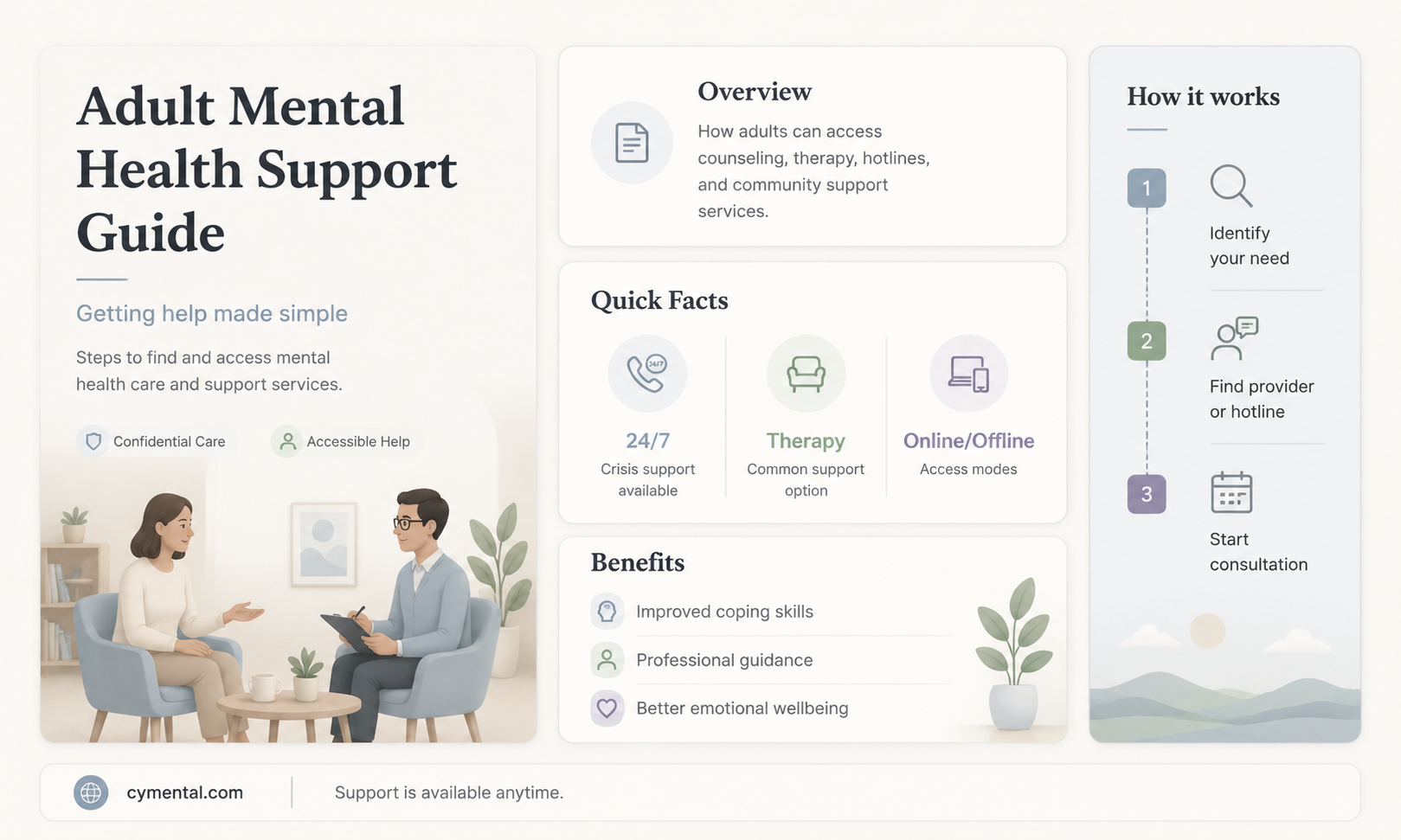
Seeking mental health support as an adult is a crucial step toward overall well-being, yet many individuals face barriers such as stigma, lack of awareness, or uncertainty about available resources. The first step often involves recognizing the signs of mental health struggles, which can range from persistent sadness and anxiety to changes in behavior or difficulty functioning daily. Adults can begin by consulting a primary care physician for an initial assessment, who may then refer them to a mental health professional like a therapist, psychologist, or psychiatrist. Additionally, community mental health centers, online therapy platforms, and support groups offer accessible options for those seeking help. Insurance coverage, financial assistance programs, and sliding-scale fees can also make treatment more affordable. Encouraging open conversations about mental health and reducing societal stigma are essential in empowering adults to take proactive steps toward healing and recovery.
Explore related products


What You'll Learn

Recognizing signs of mental distress in adults
Adults experiencing mental distress often exhibit subtle yet significant changes in behavior, mood, and physical health. For instance, a once-social colleague might start isolating themselves, declining invitations to team lunches or after-work gatherings. This withdrawal could signal depression or anxiety, conditions that affect over 264 million people globally, according to the World Health Organization. Recognizing such shifts early is crucial, as untreated mental health issues can escalate into more severe problems, including chronic illness or impaired functioning.
To identify mental distress, observe patterns rather than isolated incidents. Persistent irritability, for example, might manifest as frequent arguments at home or snapping at coworkers over minor issues. Sleep disturbances—either insomnia or oversleeping—are another red flag, with studies showing that 75% of adults with depression report significant sleep problems. Physical symptoms like unexplained headaches, stomachaches, or fatigue often accompany mental distress, as the mind-body connection is deeply intertwined. Keep a mental or written log of these changes to determine if they persist beyond typical stress responses.
When approaching an adult you suspect is struggling, use empathy and specificity. Instead of a vague "Are you okay?" try, "I’ve noticed you’ve been missing meetings lately—is there something going on?" This shows you’ve observed concrete behaviors without assuming the cause. Avoid minimizing their experience with phrases like "Just stay positive" or "It could be worse." Instead, offer actionable support, such as, "I’d like to help. Would it be useful if I researched local therapists or support groups for you?" Practical assistance often feels less overwhelming than open-ended emotional support.
Comparing mental distress to physical illness can help normalize the conversation. Just as someone with a broken leg needs medical attention, an individual with persistent mental health symptoms requires professional intervention. Encourage them to start with a primary care physician, who can rule out underlying medical causes and provide a referral to a mental health specialist. For immediate support, suggest hotlines like the National Alliance on Mental Illness (NAMI) Helpline (1-800-950-NAMI) or Crisis Text Line (text HOME to 741741), which offer 24/7 assistance. Early intervention significantly improves outcomes, reducing the risk of long-term complications.
Finally, educate yourself on age-specific challenges. Adults aged 25–44 are most likely to experience anxiety disorders, while those over 55 may face increased isolation or grief. Tailoring your approach to their life stage demonstrates understanding. For older adults, for instance, suggest senior-friendly resources like AARP’s mental health guides or local community centers offering peer support groups. By combining observation, empathy, and practical steps, you can play a vital role in helping adults access the mental health care they need.
Capturing Calm: How Photography Boosts Mental Health and Well-Being
You may want to see also
Explore related products


Finding local mental health professionals or therapists
Locating a qualified therapist or mental health professional in your area can feel overwhelming, but numerous resources streamline the process. Start by leveraging online directories specifically designed for this purpose. Websites like Psychology Today, GoodTherapy, and the Anxiety and Depression Association of America offer searchable databases where you can filter by location, specialization, insurance acceptance, and even therapeutic approach. These platforms often include detailed profiles, allowing you to assess a therapist’s experience, credentials, and treatment philosophy before reaching out.
Another effective strategy is to tap into your existing network. Primary care physicians, local hospitals, or community health centers frequently have referral lists of trusted mental health providers. Additionally, friends, family, or colleagues who’ve sought therapy may offer personal recommendations, providing valuable insights into a therapist’s style and effectiveness. If you’re part of a specific community—such as LGBTQ+, veterans, or religious groups—seek out organizations that cater to those demographics, as they often maintain directories of culturally competent professionals.
Once you’ve identified potential candidates, take the initiative to contact them directly. Many therapists offer brief consultations (often free) to discuss your needs and determine if they’re a good fit. Prepare questions in advance: Ask about their approach to treatment, areas of expertise, and whether they accept your insurance. If cost is a concern, inquire about sliding scale fees or payment plans. Remember, finding the right therapist is a personal process; don’t hesitate to meet with several before committing to one.
For those in rural or underserved areas, telehealth platforms like BetterHelp, Talkspace, or Amwell can bridge the gap. These services connect you with licensed professionals via video, phone, or messaging, offering flexibility and accessibility. While virtual therapy may not suit everyone, it’s a viable option for individuals with limited local resources or transportation challenges. Always verify that the provider is licensed to practice in your state to ensure compliance with regulations.
Finally, consider reaching out to local universities with psychology or counseling programs. Many offer low-cost clinics staffed by graduate students under the supervision of licensed professionals. These clinics provide quality care at reduced rates, making mental health services more accessible to those on a budget. By combining these strategies, you can navigate the process systematically, increasing your chances of finding a therapist who meets your unique needs and supports your journey toward mental well-being.
Probiotics and Mental Health: Exploring the Gut-Brain Connection for Wellness
You may want to see also
Explore related products





Accessing affordable or free mental health resources
Mental health care doesn’t have to break the bank. Community health centers, funded by federal grants, offer sliding-scale fees based on income, making therapy and medication management accessible to low-income adults. For example, a single adult earning below $15,000 annually might pay as little as $20 per session, while someone earning $30,000 could pay $50. These centers often integrate mental health services with primary care, ensuring holistic treatment. To locate one, visit the Health Resources & Services Administration (HRSA) website and enter your ZIP code.
Online platforms like 7 Cups and BetterHelp provide free or low-cost counseling, though quality varies. Nonprofit organizations such as the National Alliance on Mental Illness (NAMI) offer free peer support groups, while apps like Calm and Headspace occasionally provide free subscriptions for students or through employer partnerships. However, these options are best for mild to moderate symptoms; severe cases require in-person care. Always verify a platform’s credentials—look for licensed therapists and encrypted communication to protect privacy.
For those in crisis, the 988 Suicide & Crisis Lifeline offers free, 24/7 support via call, text, or chat. Many states also have local hotlines tailored to specific populations, such as veterans or LGBTQ+ individuals. Additionally, universities often provide free counseling services to alumni or community members, though availability may be limited. Churches and religious organizations sometimes offer free counseling, though it may include spiritual elements. These resources act as immediate lifelines while you seek long-term care.
Pharmaceutical assistance programs, like Pfizer’s RxPathways or NeedyMeds, provide free or discounted psychiatric medications for eligible adults. For instance, a 30-day supply of generic fluoxetine (Prozac) might cost $4 through a discount program versus $20-$50 without insurance. Pairing these programs with telehealth services, which often cost $60-$90 per session, can create an affordable treatment plan. Always consult a healthcare provider to ensure medication safety and efficacy.
Finally, leverage workplace benefits—many employers offer free Employee Assistance Programs (EAPs) that include 3-5 counseling sessions per issue. Some insurance plans cover mental health care at no cost if provided by in-network providers. If uninsured, apply for Medicaid or CHIP, which cover mental health services in most states. Proactively researching these options ensures you don’t overlook hidden resources. Remember, affordability doesn’t mean compromising quality—many free or low-cost options are staffed by licensed professionals committed to helping adults thrive.
Social Media's Impact: Breaking Mental Health Stigma or Amplifying Struggles?
You may want to see also
Explore related products


$12.14 $19.99



Encouraging adults to seek help without stigma
Adults often delay seeking mental health support due to fear of judgment, a reluctance rooted in societal misconceptions that equate therapy with weakness. This stigma persists despite data showing that 1 in 5 adults experiences mental illness annually. To dismantle this barrier, start by normalizing conversations about mental health in everyday settings. Share personal experiences or anecdotes about seeking help, framing it as a routine part of self-care, like visiting a doctor for physical ailments. For instance, saying, "I started therapy last month to manage stress, and it’s been incredibly helpful," models openness and reduces shame.
Language plays a pivotal role in encouraging help-seeking behavior. Avoid terms like "crazy" or "broken," which reinforce negative stereotypes. Instead, use neutral, empowering phrases such as "reaching out for support" or "prioritizing emotional well-being." Employers and community leaders can contribute by implementing policies that treat mental health days as valid sick leave and offering workshops on stress management. For example, a company might host a webinar titled "Thriving Under Pressure" rather than "Dealing with Mental Health Issues," which subtly reduces stigma by focusing on resilience.
Practical steps can make the process of seeking help less daunting. Provide clear, actionable resources, such as a list of affordable therapy platforms (e.g., BetterHelp, Open Path Collective) or local community mental health centers. For adults aged 65 and older, who may face unique barriers like mobility issues or technological unfamiliarity, suggest telehealth options or senior-specific programs. Pair these resources with a simple script for initiating conversations, like, "I’ve been feeling overwhelmed lately and think talking to someone could help. Can you recommend a therapist?"
Finally, address the stigma head-on by challenging its underlying assumptions. Highlight research demonstrating that therapy and medication are as legitimate for mental health as insulin is for diabetes. Share success stories of individuals who have thrived after seeking help, emphasizing that vulnerability is a strength, not a flaw. For instance, a campaign featuring diverse adults saying, "I asked for help, and it changed my life," can shift perceptions and inspire action. By reframing mental health care as a proactive choice rather than a last resort, we can create an environment where adults feel empowered to seek support without fear.
Gym Benefits Beyond Physique: Boosting Mental Health and Well-Being
You may want to see also
Explore related products


Supporting adults during their mental health treatment journey
Adults seeking mental health support often face the challenge of navigating a complex system of resources, from therapy to medication, while managing daily responsibilities. One critical aspect of their journey is the presence of a supportive network that understands the nuances of mental health treatment. Unlike physical ailments, mental health issues are frequently invisible, making it harder for others to recognize the need for ongoing support. For instance, a person with depression might appear functional at work but struggle with overwhelming fatigue or intrusive thoughts at home. Recognizing this duality is the first step in providing meaningful assistance.
Practical support begins with education. Caregivers, friends, or family members should familiarize themselves with the specific condition the individual is facing, whether it’s anxiety, bipolar disorder, or PTSD. For example, understanding that someone with generalized anxiety disorder might need reminders to take prescribed medication (such as 10–20 mg of Lexapro daily) or encouragement to attend weekly cognitive-behavioral therapy sessions can make a significant difference. Equally important is learning to recognize signs of relapse or worsening symptoms, such as increased irritability or withdrawal, which may require immediate intervention.
Another key element is fostering an environment of patience and flexibility. Mental health treatment is rarely linear; setbacks are common, and progress can be slow. For adults balancing work, family, and treatment, this can be particularly frustrating. Employers, for instance, can support employees by offering accommodations like adjusted deadlines or remote work options during intensive treatment phases. Similarly, family members can help by sharing household responsibilities or simply providing a listening ear without judgment. Small, consistent acts of understanding can alleviate the pressure individuals feel to "recover quickly."
Finally, encouraging self-care and autonomy is vital. Adults in treatment often grapple with feelings of dependency or loss of control. Supporting them means empowering their decisions, whether it’s choosing a therapist who specializes in trauma-informed care or experimenting with mindfulness techniques like journaling or yoga. Providing resources, such as a list of local support groups or apps like Calm or Headspace, can also help them take ownership of their recovery. The goal is not to manage their journey for them but to equip them with tools and reassurance as they navigate it themselves.
In essence, supporting adults during their mental health treatment journey requires a blend of knowledge, adaptability, and empathy. By educating oneself, offering practical assistance, and fostering independence, caregivers can create a foundation that sustains individuals through the highs and lows of recovery. This approach not only aids in managing symptoms but also reinforces the message that they are not alone in their struggle.
Mental Imagery: Accelerating Recovery and Performance for Injured Athletes
You may want to see also
Frequently asked questions
Start by contacting your primary care physician for a referral, or use online resources like the Psychology Today therapist directory, which allows you to filter by location, specialization, and insurance.
Adults can seek help from psychiatrists (medical doctors who can prescribe medication), psychologists (PhD or PsyD holders who provide therapy), licensed clinical social workers (LCSWs), licensed professional counselors (LPCs), and marriage and family therapists (MFTs).
Look for community mental health centers, sliding-scale clinics, or non-profit organizations that offer low-cost or free services. Additionally, some therapists offer reduced fees for clients without insurance.
Approach the conversation with empathy and understanding, expressing concern without judgment. Share resources or offer to accompany them to an appointment. Sometimes, starting with a primary care doctor can be a less intimidating first step.
Yes, call 911 or the National Suicide Prevention Lifeline at 988 for immediate assistance. You can also take the person to the nearest emergency room for urgent evaluation and support.