Lucas Bennett
Aromatherapy, the practice of using essential oils extracted from plants to promote physical and emotional well-being, has gained recognition as a complementary therapy for mental health. By inhaling or applying these oils, individuals can stimulate the olfactory system, which is closely linked to the brain’s limbic system—the area responsible for emotions, memories, and stress responses. Essential oils like lavender, chamomile, and bergamot are known for their calming and anxiolytic properties, helping to reduce anxiety and improve sleep quality. Others, such as peppermint and rosemary, can enhance focus and energy levels, combating symptoms of depression and fatigue. While not a standalone treatment, aromatherapy can complement traditional therapies by providing a natural, non-invasive way to manage stress, mood disorders, and emotional imbalances, fostering a sense of relaxation and overall mental clarity.
| Characteristics | Values |
|---|---|
| Stress Reduction | Aromatherapy, particularly with lavender and chamomile, activates the parasympathetic nervous system, reducing cortisol levels and promoting relaxation. |
| Anxiety Relief | Essential oils like bergamot and ylang-ylang have been shown to decrease anxiety symptoms by modulating neurotransmitters such as serotonin and dopamine. |
| Mood Enhancement | Citrus oils (e.g., orange, lemon) and peppermint stimulate the release of endorphins, improving mood and reducing symptoms of depression. |
| Improved Sleep Quality | Lavender and sandalwood oils enhance sleep by increasing slow-wave sleep and reducing sleep latency, benefiting those with insomnia or sleep disorders. |
| Cognitive Function Support | Rosemary and eucalyptus oils improve focus, memory, and mental clarity by enhancing cerebral blood flow and reducing mental fatigue. |
| Emotional Regulation | Floral oils like rose and jasmine help balance emotions by interacting with the limbic system, which controls emotional responses. |
| Reduction of Symptoms in PTSD | Aromatherapy, especially with frankincense and vetiver, has been used adjunctively to reduce hyperarousal and flashbacks in individuals with PTSD. |
| Pain Management | Oils like peppermint and clary sage have analgesic properties, reducing physical pain, which indirectly alleviates associated mental stress and anxiety. |
| Anti-Inflammatory Effects | Certain oils (e.g., tea tree, lavender) reduce systemic inflammation, which is linked to improved mental health outcomes, including reduced depressive symptoms. |
| Neuroprotective Properties | Oils rich in antioxidants, such as frankincense, protect neurons from oxidative stress, potentially slowing cognitive decline and supporting mental health in aging populations. |
| Holistic Well-being | Aromatherapy complements traditional therapies by addressing physical, emotional, and mental health through sensory stimulation and natural remedies. |
| Accessibility and Ease of Use | Essential oils are widely available and can be used through diffusion, topical application, or inhalation, making them a convenient tool for self-care and mental health management. |
| Evidence-Based Support | Studies, including randomized controlled trials, have demonstrated the efficacy of aromatherapy in reducing symptoms of anxiety, depression, and stress, though further research is needed for standardization. |
Explore related products

$24.95


What You'll Learn
- Stress Reduction: Essential oils like lavender reduce cortisol levels, promoting relaxation and easing anxiety symptoms
- Mood Enhancement: Citrus oils (e.g., orange) boost serotonin, improving mood and reducing depression symptoms naturally
- Sleep Improvement: Chamomile and sandalwood oils aid insomnia, enhancing sleep quality and mental well-being
- Anxiety Relief: Bergamot and ylang-ylang oils calm the nervous system, reducing panic and tension
- Focus & Clarity: Peppermint and rosemary oils enhance cognitive function, improving concentration and mental clarity

Stress Reduction: Essential oils like lavender reduce cortisol levels, promoting relaxation and easing anxiety symptoms
Aromatherapy, particularly the use of essential oils like lavender, has been shown to significantly reduce cortisol levels, the body's primary stress hormone. This reduction is crucial for promoting relaxation and alleviating anxiety symptoms, making it a valuable tool in mental health management. Studies have demonstrated that inhaling lavender oil can decrease cortisol concentrations by up to 30% in as little as 5 minutes, offering almost immediate relief from stress-induced tension. For optimal results, diffuse 3–5 drops of lavender oil in a quiet space or dilute 2–3 drops in a carrier oil for a soothing massage, focusing on pressure points like the temples, wrists, and neck.
The mechanism behind lavender’s effectiveness lies in its interaction with the limbic system, the brain’s emotional control center. When inhaled, its compounds, such as linalool and linalyl acetate, bind to receptors in the brain, triggering a calming response. This process not only lowers cortisol but also increases serotonin and dopamine levels, neurotransmitters associated with mood regulation. For individuals aged 18 and older, incorporating lavender oil into a nightly routine—such as adding 2 drops to a warm bath or applying it to a pillow—can enhance sleep quality, further reducing stress over time. However, it’s essential to avoid direct skin application without dilution to prevent irritation.
While lavender is a standout, other essential oils like chamomile, ylang-ylang, and bergamot also contribute to stress reduction. Chamomile, for instance, contains apigenin, a compound with sedative properties that complements lavender’s effects. Combining 2 drops of lavender with 1 drop of chamomile in a diffuser can create a synergistic blend ideal for evening use. For workplace stress, a portable inhaler with 5–10 drops of lavender oil can provide discreet, on-the-go relief. Consistency is key; regular use, such as twice daily for 2–3 weeks, maximizes the therapeutic benefits.
Despite its benefits, aromatherapy should not replace professional mental health treatment but rather serve as a complementary practice. Pregnant individuals, children under 6, and those with respiratory conditions should consult a healthcare provider before use, as essential oils can pose risks in certain populations. Additionally, quality matters—opt for 100% pure, therapeutic-grade oils to ensure efficacy and safety. By integrating lavender and other stress-reducing oils into daily routines, individuals can create a holistic approach to managing anxiety and fostering mental well-being.
Sento's Soothing Embrace: Exploring Japan's Public Baths for Mental Wellness
You may want to see also
Explore related products


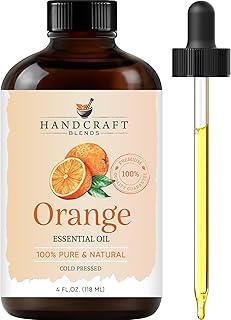
Mood Enhancement: Citrus oils (e.g., orange) boost serotonin, improving mood and reducing depression symptoms naturally
Citrus oils, such as orange, lemon, and grapefruit, are renowned for their uplifting and energizing properties, making them a popular choice in aromatherapy for mood enhancement. The science behind their effectiveness lies in their ability to influence serotonin levels, a neurotransmitter crucial for regulating mood, happiness, and overall well-being. When inhaled, the volatile compounds in these oils interact with the olfactory system, which is directly connected to the brain’s limbic system—the emotional control center. This interaction triggers the release of serotonin, offering a natural and non-invasive way to combat symptoms of depression and anxiety.
To harness the mood-boosting benefits of citrus oils, consider incorporating them into your daily routine through diffusion, topical application, or inhalation. For diffusion, add 3–5 drops of orange oil to a diffuser and run it for 15–30 minutes in the morning or during times of stress. This method allows the aroma to permeate your space, creating a positive and invigorating atmosphere. Alternatively, dilute 2–3 drops of citrus oil in a carrier oil (like coconut or jojoba) and apply it to pulse points, such as wrists or temples, for a quick mood lift throughout the day. For a simpler approach, inhale directly from the bottle for a few seconds to experience immediate effects.
While citrus oils are generally safe for most age groups, it’s essential to exercise caution with topical use, especially for children or individuals with sensitive skin. Always perform a patch test before full application and avoid sun exposure for up to 12 hours after use, as citrus oils can increase photosensitivity. Pregnant or nursing women should consult a healthcare professional before using essential oils. Additionally, consistency is key—regular use over time can yield more noticeable improvements in mood and mental clarity.
Comparatively, citrus oils stand out in aromatherapy for their accessibility and versatility. Unlike some essential oils that require specific blending or dilution ratios, citrus oils are mild and can be used in various forms without extensive preparation. Their affordability and widespread availability make them an excellent starting point for anyone exploring aromatherapy as a mental health tool. Moreover, their refreshing scent appeals to a broad audience, making them a go-to option for both personal use and shared environments like offices or homes.
Incorporating citrus oils into your mental health toolkit can be a simple yet powerful step toward natural mood enhancement. By understanding their serotonin-boosting properties and practical applications, you can effectively reduce symptoms of depression and anxiety while fostering a sense of positivity and vitality. Whether you’re new to aromatherapy or a seasoned enthusiast, the vibrant energy of citrus oils offers a tangible way to brighten your emotional landscape.
Exploring Alcohol's Role in Mental Health: Benefits or Risks?
You may want to see also
Explore related products


Sleep Improvement: Chamomile and sandalwood oils aid insomnia, enhancing sleep quality and mental well-being
Aromatherapy, the practice of using essential oils to promote physical and mental well-being, has gained traction as a complementary therapy for various health concerns, including sleep disorders. Among the myriad of essential oils, chamomile and sandalwood stand out for their potent sleep-enhancing properties. These oils not only address insomnia but also contribute to overall mental well-being by fostering a sense of calm and relaxation.
The Science Behind Chamomile and Sandalwood
Chamomile oil, derived from the flowers of the *Matricaria chamomilla* plant, contains apigenin, a compound known to bind to certain receptors in the brain that promote sleepiness and reduce insomnia. Sandalwood oil, extracted from the heartwood of *Santalum album*, contains alpha-santalol and beta-santalol, which have been shown to reduce anxiety and improve sleep quality. Studies suggest that inhaling these oils can lower cortisol levels, the stress hormone, thereby creating an optimal environment for restful sleep. For instance, a 2017 study published in *Evidence-Based Complementary and Alternative Medicine* found that participants who inhaled sandalwood oil experienced deeper sleep cycles compared to a control group.
Practical Application for Sleep Improvement
To harness the benefits of chamomile and sandalwood oils, consider incorporating them into your bedtime routine. Start by diffusing 3–5 drops of each oil in a diffuser 30 minutes before sleep. Alternatively, dilute 2–3 drops of each oil in a carrier oil (like coconut or jojoba) and apply it to pulse points, such as the wrists or temples. For a soothing bath, add 5–7 drops of chamomile and sandalwood oils to warm water. For those aged 12 and above, these methods are generally safe, but it’s advisable to consult a healthcare provider for personalized advice, especially for pregnant individuals or those with allergies.
Comparative Benefits and Precautions
While both chamomile and sandalwood oils are effective for sleep improvement, they offer distinct advantages. Chamomile is particularly gentle, making it ideal for individuals with sensitive skin or those new to aromatherapy. Sandalwood, on the other hand, has a grounding effect, making it suitable for those who struggle with racing thoughts before bed. However, overuse of sandalwood oil can lead to skin irritation, so moderation is key. Additionally, chamomile should be avoided by those allergic to plants in the Asteraceae family. Always perform a patch test before topical application to ensure compatibility.
The Broader Impact on Mental Well-being
Improved sleep quality doesn’t just benefit physical health; it’s a cornerstone of mental well-being. Chronic insomnia is linked to heightened anxiety, depression, and cognitive impairment. By addressing sleep disturbances, chamomile and sandalwood oils indirectly support emotional resilience and mental clarity. Incorporating these oils into a holistic self-care routine can create a ripple effect, enhancing mood, focus, and overall quality of life. For maximum efficacy, pair aromatherapy with other sleep hygiene practices, such as maintaining a consistent sleep schedule and limiting screen time before bed.
In essence, chamomile and sandalwood oils are not just remedies for insomnia but powerful tools for nurturing mental health. Their natural, non-invasive approach makes them accessible and appealing for those seeking to improve their sleep and, by extension, their overall well-being. With consistent use and mindful application, these oils can transform your nights and brighten your days.
Exercise and Mental Health: Unlocking the Mind-Body Connection
You may want to see also
Explore related products



Anxiety Relief: Bergamot and ylang-ylang oils calm the nervous system, reducing panic and tension
Aromatherapy, with its roots in ancient practices, has emerged as a complementary approach to managing mental health, particularly anxiety. Among the myriad of essential oils, bergamot and ylang-ylang stand out for their calming effects on the nervous system. These oils, when used correctly, can significantly reduce feelings of panic and tension, offering a natural and holistic way to alleviate anxiety.
Bergamot oil, derived from the peel of the bergamot orange, is renowned for its citrusy aroma and anxiolytic properties. Studies suggest that inhaling bergamot oil can lower cortisol levels, the body’s primary stress hormone, promoting relaxation. To harness its benefits, add 3-5 drops of bergamot oil to a diffuser or dilute it in a carrier oil (1-2 drops per teaspoon) for topical application on pulse points. For best results, use it during moments of heightened stress or as part of a nightly routine to encourage calmness before sleep. Avoid direct sunlight after topical use, as bergamot can cause photosensitivity.
Ylang-ylang oil, extracted from the flowers of the Cananga tree, complements bergamot with its floral scent and sedative qualities. Research indicates that ylang-ylang can lower blood pressure and heart rate, physiological markers of anxiety. A practical method is to blend 2 drops of ylang-ylang with 2 drops of bergamot in a diffuser for a synergistic effect. Alternatively, add 1 drop of ylang-ylang to a warm bath to create a soothing environment. Caution should be exercised with ylang-ylang, as excessive use may lead to headaches or nausea—start with small amounts and monitor your body’s response.
Combining these oils enhances their individual benefits, creating a potent remedy for anxiety. For instance, a 2015 study published in the *Journal of Alternative and Complementary Medicine* found that participants who inhaled a blend of bergamot and ylang-ylang experienced significant reductions in anxiety levels compared to a control group. To create your own blend, mix 3 drops of bergamot and 2 drops of ylang-ylang with 1 ounce of jojoba oil for a massage blend or diffuser use. This combination is particularly effective for adults aged 18-65, though pregnant women and children should consult a healthcare provider before use.
Incorporating bergamot and ylang-ylang into your self-care routine requires consistency and mindfulness. Start with short sessions—5-10 minutes of inhalation or topical application—and gradually increase as needed. Pair aromatherapy with deep breathing exercises for enhanced results. While these oils are not a replacement for professional treatment, they offer a gentle, accessible tool for managing anxiety. By calming the nervous system, they pave the way for greater emotional balance and resilience.
Army Chaplains: Mental Health Allies in Military Service?
You may want to see also
Explore related products


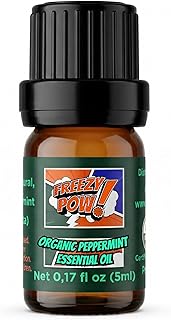
Focus & Clarity: Peppermint and rosemary oils enhance cognitive function, improving concentration and mental clarity
Aromatherapy, with its roots in ancient practices, has emerged as a complementary approach to support mental health. Among its myriad benefits, the enhancement of focus and clarity stands out, particularly through the use of peppermint and rosemary essential oils. These oils are not just fragrant additions to a room; they are potent tools that can significantly impact cognitive function.
Peppermint oil, with its crisp, invigorating scent, is known to stimulate the mind and improve concentration. A study published in the *International Journal of Neuroscience* found that inhaling peppermint oil increased alertness and cognitive performance. To harness its benefits, add 2–3 drops of peppermint oil to a diffuser or dilute 1 drop in a teaspoon of carrier oil (like coconut or jojoba) and apply to pulse points. For optimal results, use it during tasks requiring sustained attention, such as studying or working on complex projects. However, avoid overuse, as excessive exposure can lead to headaches or overwhelm the senses.
Rosemary oil, on the other hand, is celebrated for its memory-enhancing properties. Research from the *Therapeutic Advances in Psychopharmacology* journal highlights that rosemary oil can improve speed and accuracy in cognitive tasks. Its woody, herbal aroma is particularly effective during moments of mental fatigue. To incorporate rosemary oil, add 3–4 drops to a diffuser or create a study-time blend by mixing 2 drops of rosemary with 2 drops of peppermint in 20ml of carrier oil. Apply this blend to your temples or wrists before engaging in mentally demanding activities. Note that rosemary oil should be used cautiously by pregnant individuals and those with high blood pressure.
The synergy of peppermint and rosemary oils creates a powerful combination for mental clarity. For a quick focus boost, try a steam inhalation: add 1 drop of each oil to a bowl of hot water, cover your head with a towel, and inhale deeply for 2–3 minutes. This method is particularly effective for immediate clarity during moments of brain fog. Alternatively, create a workspace mist by combining 10 drops of peppermint, 10 drops of rosemary, and 100ml of distilled water in a spray bottle. Spritz lightly around your work area to maintain a sharp, focused environment.
While aromatherapy is not a substitute for professional mental health treatment, it offers a natural, accessible way to support cognitive function. Consistency is key—regular use of these oils can create a routine that primes your mind for focus and clarity. Experiment with different application methods to find what works best for you, and always prioritize high-quality, pure essential oils for maximum efficacy. By integrating peppermint and rosemary into your daily routine, you can unlock a sharper, more concentrated mindset.
Supporting Mental Health: Practical Ways to Help Loved Ones Heal
You may want to see also
Frequently asked questions
Aromatherapy uses essential oils from plants to stimulate smell receptors in the nose, which send messages to the brain's limbic system, the area responsible for emotions. Oils like lavender, chamomile, and bergamot are known to promote relaxation, reduce cortisol levels, and alleviate symptoms of stress and anxiety.
Yes, certain essential oils like citrus (e.g., orange, lemon) and peppermint have uplifting properties that can enhance mood and reduce feelings of sadness. These oils stimulate the release of neurotransmitters like serotonin, which play a key role in regulating mood and combating depression.
Aromatherapy can improve sleep quality by promoting relaxation and reducing anxiety. Oils such as lavender, cedarwood, and sandalwood are commonly used to calm the mind and body, making it easier to fall asleep and stay asleep. Consistent use can help regulate sleep patterns over time.
Yes, essential oils like rosemary, peppermint, and eucalyptus are known to enhance concentration and mental clarity. These oils stimulate the brain and improve cognitive function, making them ideal for tasks requiring focus or during periods of mental fatigue.