Noah Parker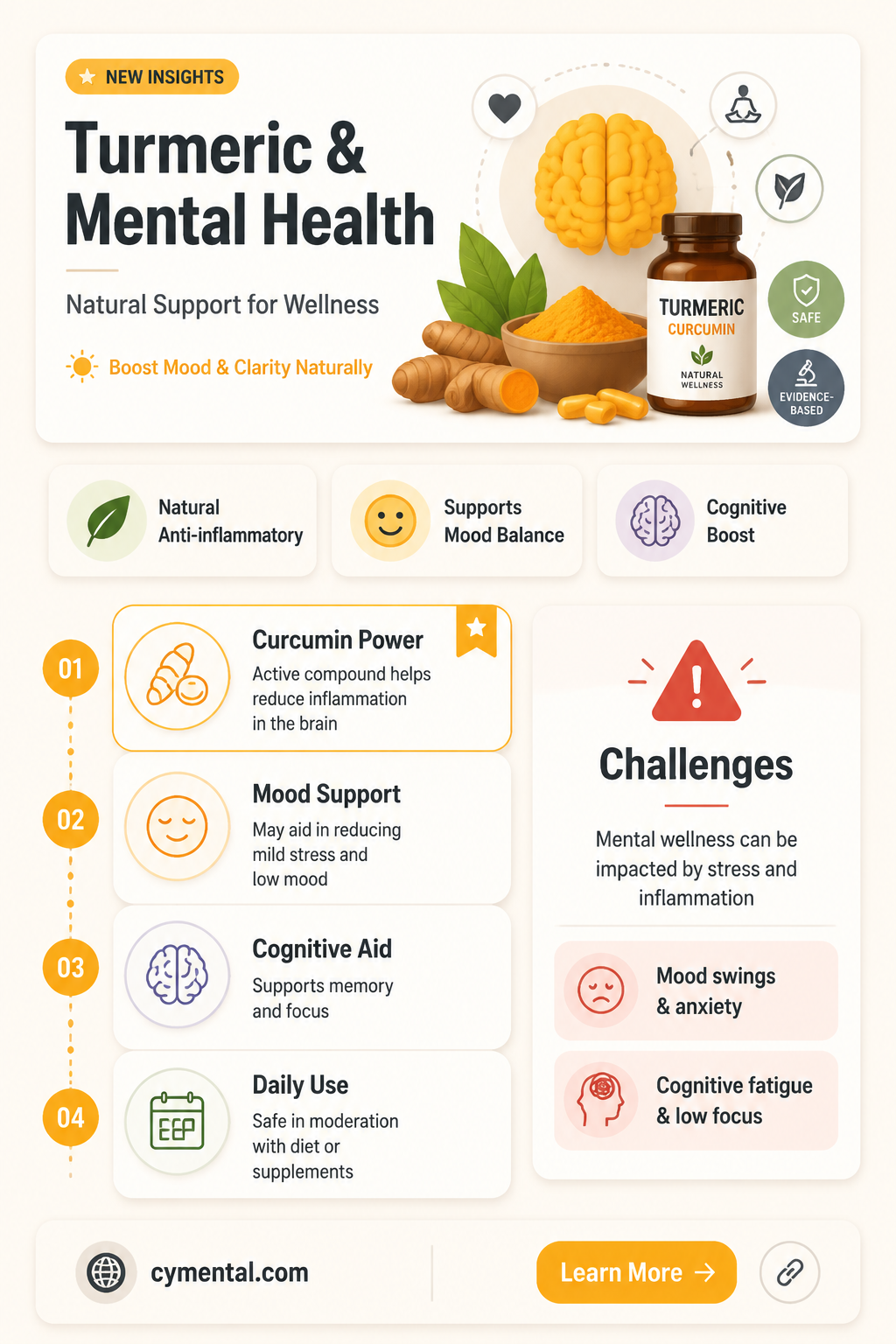
Turmeric, a vibrant spice commonly used in traditional medicine and cuisine, has gained attention in recent years for its potential therapeutic effects on mental health. Rich in curcumin, its active compound, turmeric is believed to possess anti-inflammatory and antioxidant properties that may alleviate symptoms of mental illnesses such as depression, anxiety, and cognitive disorders. While preliminary studies suggest curcumin could modulate neurotransmitters, reduce oxidative stress, and combat neuroinflammation, more rigorous research is needed to fully understand its efficacy and mechanisms. As interest grows, exploring turmeric’s role in mental health offers a promising avenue for complementary treatments, though it should not replace conventional therapies without professional guidance.
| Characteristics | Values |
|---|---|
| Anti-inflammatory Properties | Turmeric contains curcumin, which has potent anti-inflammatory effects. Chronic inflammation is linked to mental health disorders like depression and anxiety, and curcumin may help reduce inflammation. |
| Antioxidant Effects | Curcumin acts as a powerful antioxidant, neutralizing free radicals that contribute to oxidative stress, a factor in mental health conditions such as depression and neurodegenerative diseases. |
| Neuroprotective Effects | Curcumin may promote neurogenesis (growth of new neurons) and protect brain cells from damage, potentially benefiting conditions like depression, anxiety, and cognitive decline. |
| Serotonin and Dopamine Modulation | Curcumin has been shown to increase levels of serotonin and dopamine, neurotransmitters that play a key role in mood regulation, potentially alleviating symptoms of depression and anxiety. |
| Anti-Anxiety Effects | Studies suggest curcumin may reduce anxiety-like behaviors in animal models, though human research is limited. |
| Antidepressant Potential | Some clinical trials indicate curcumin may enhance the effectiveness of antidepressant medications or act as a standalone adjunctive therapy for depression. |
| Cognitive Benefits | Curcumin may improve memory and attention, potentially benefiting conditions like Alzheimer's disease and age-related cognitive decline. |
| Limitations | Poor bioavailability of curcumin limits its effectiveness; supplementation often requires high doses or formulations like piperine to enhance absorption. |
| Research Status | While preclinical and some clinical studies are promising, larger, long-term human trials are needed to confirm turmeric's efficacy in treating mental illness. |
| Safety Profile | Generally considered safe in moderate doses, but high doses may cause gastrointestinal issues or interact with medications. |
| Complementary Role | Turmeric is not a replacement for conventional mental health treatments but may serve as a complementary therapy when used alongside standard care. |
Explore related products
![NatureWise Curcumin Turmeric 2250mg - 95% Curcuminoids & BioPerine Black Pepper Extract for Advanced Absorption - Daily Joint and Immune Health Support - Vegan, Non-GMO, 180 Count[60-Day Supply]](https://m.media-amazon.com/images/I/714UFxWRUFL._AC_UL320_.jpg)


![NatureWise Curcumin Turmeric 2250mg - 95% Curcuminoids & BioPerine Black Pepper Extract for Advanced Absorption - Daily Joint and Immune Health Support - Vegan, Non-GMO, 90 Count[30-Day Supply]](https://m.media-amazon.com/images/I/713IN+G+7nL._AC_UL320_.jpg)

What You'll Learn

Turmeric's anti-inflammatory effects on depression symptoms
Chronic inflammation is increasingly recognized as a contributing factor to depression, and turmeric’s active compound, curcumin, has demonstrated potent anti-inflammatory properties in numerous studies. Research suggests that curcumin modulates cytokine production, reduces oxidative stress, and inhibits inflammatory pathways like NF-κB, which are often overactive in individuals with depressive disorders. For instance, a 2017 meta-analysis published in the *Journal of Affective Disorders* found that curcumin supplementation significantly reduced depressive symptoms in patients with major depressive disorder (MDD), particularly when used as an adjunct to conventional antidepressants. This evidence positions turmeric as a promising natural intervention for addressing the inflammatory underpinnings of depression.
To harness turmeric’s anti-inflammatory benefits for depression, dosage and bioavailability are critical. Curcumin is poorly absorbed on its own, so pairing it with black pepper (which contains piperine) can enhance absorption by up to 2,000%. A typical therapeutic dose ranges from 500 to 2,000 mg of curcumin daily, divided into two or three doses. For those incorporating turmeric into their diet, aim for 1–3 teaspoons of turmeric powder daily, combined with a pinch of black pepper. However, individuals on blood-thinning medications or with gallbladder issues should consult a healthcare provider before starting supplementation, as turmeric can exacerbate these conditions.
Comparing turmeric to traditional antidepressants highlights its unique advantages and limitations. Unlike selective serotonin reuptake inhibitors (SSRIs), which primarily target neurotransmitter imbalances, curcumin addresses the inflammatory and oxidative components of depression, offering a complementary approach. However, its effects are generally milder and may take longer to manifest—often 4–8 weeks of consistent use. For mild to moderate depression, turmeric may serve as a standalone intervention, but for severe cases, it is best used in conjunction with conventional treatments. Its minimal side effects and holistic benefits make it an appealing option for those seeking natural alternatives.
Practical tips for integrating turmeric into a mental health regimen include incorporating it into daily meals, such as adding it to smoothies, curries, or golden milk (a warm beverage made with turmeric, milk, and spices). For those preferring supplements, look for formulations containing piperine or liposomal curcumin for improved absorption. Monitoring symptoms over time and keeping a journal can help track progress and determine the effectiveness of turmeric as part of a broader depression management plan. While not a cure-all, turmeric’s anti-inflammatory effects offer a valuable tool in the multifaceted approach to alleviating depression symptoms.
Reflexology and Mental Health: Unlocking Natural Stress Relief and Wellness
You may want to see also
Explore related products


Curcumin's role in reducing anxiety and stress
Curcumin, the active compound in turmeric, has garnered attention for its potential to alleviate symptoms of anxiety and stress, conditions that affect millions globally. Research suggests that curcumin’s anti-inflammatory and antioxidant properties may play a pivotal role in modulating brain chemistry, particularly by influencing neurotransmitters like serotonin and dopamine. Studies on animal models have shown that curcumin can reduce anxiety-like behaviors, while preliminary human trials indicate improvements in mood and stress resilience. For instance, a 2015 study published in *Phytotherapy Research* found that participants taking 500 mg of curcumin daily reported significantly lower stress levels compared to a placebo group.
To harness curcumin’s anxiolytic effects, consider incorporating it into your routine with mindful dosing. A typical daily dosage ranges from 500 to 2,000 mg, often divided into two or three servings. However, curcumin’s bioavailability is notoriously low, so pairing it with black pepper (which contains piperine) can enhance absorption by up to 2,000%. Alternatively, opt for supplements formulated with bioavailable curcumin, such as those using liposomal or phospholipid complexes. For those new to curcumin, start with a lower dose to assess tolerance and gradually increase as needed.
While curcumin shows promise, it’s not a standalone solution for anxiety or stress. Its efficacy is often maximized when combined with lifestyle changes such as regular exercise, adequate sleep, and mindfulness practices. For example, integrating curcumin into a morning smoothie alongside a 10-minute meditation session could synergistically support mental well-being. It’s also crucial to consult a healthcare provider, especially if you’re taking medications, as curcumin may interact with blood thinners or certain antidepressants.
Comparatively, curcumin stands out from conventional anxiety treatments due to its minimal side effects and multifaceted benefits. Unlike benzodiazepines, which carry risks of dependency, curcumin offers a natural alternative with additional anti-inflammatory and cognitive-enhancing properties. However, it’s important to manage expectations—curcumin is not an immediate remedy but rather a long-term ally in managing stress and anxiety. Consistent use over several weeks is often required to observe noticeable effects.
Incorporating curcumin into your mental health toolkit can be both practical and empowering. For a simple DIY approach, try adding 1–2 teaspoons of turmeric powder to warm milk (golden milk) with a pinch of black pepper and honey. This soothing beverage can be a calming ritual before bed, aiding relaxation. For those preferring convenience, capsules or liquid extracts are readily available. Regardless of the method, curcumin’s role in reducing anxiety and stress underscores its potential as a complementary strategy in holistic mental health care.
Brain Scans and Mental Health: Unlocking Diagnostic Potential for Illnesses
You may want to see also
Explore related products


Impact of turmeric on cognitive function and memory
Turmeric, a golden spice revered in traditional medicine, has emerged as a subject of scientific interest for its potential to enhance cognitive function and memory. Its active compound, curcumin, is believed to cross the blood-brain barrier, influencing neural pathways and reducing inflammation—a key factor in cognitive decline. Studies suggest that regular consumption of turmeric may improve attention, processing speed, and working memory, particularly in older adults. For instance, a 2018 randomized controlled trial found that participants aged 50–80 who took 90 mg of curcumin twice daily for 12 months showed significant memory improvements compared to a placebo group.
To harness turmeric’s cognitive benefits, consider incorporating it into your daily routine. Start with 500–1,000 mg of curcumin supplements daily, paired with black pepper to enhance absorption. Alternatively, add 1–2 teaspoons of turmeric powder to meals like curries, smoothies, or golden milk. For those over 60, combining turmeric with a balanced diet rich in omega-3 fatty acids and antioxidants may amplify its effects. However, consult a healthcare provider before starting any new supplement, especially if you’re on medication or have pre-existing conditions.
While turmeric shows promise, its impact on cognitive function is not a one-size-fits-all solution. Individual responses vary based on factors like age, genetics, and overall health. For example, younger adults may experience milder cognitive enhancements compared to older individuals with age-related memory decline. Additionally, turmeric’s anti-inflammatory properties may indirectly support brain health by reducing oxidative stress, a contributor to neurodegenerative diseases like Alzheimer’s. Pairing turmeric with lifestyle changes—such as regular exercise, adequate sleep, and mental stimulation—can maximize its cognitive benefits.
A cautionary note: excessive turmeric intake may cause gastrointestinal discomfort or interact with blood-thinning medications. Stick to recommended dosages and monitor your body’s response. For those seeking natural ways to support brain health, turmeric offers a practical, evidence-backed option. Its dual role in enhancing memory and protecting neural function makes it a valuable addition to any cognitive wellness strategy. Whether through supplements or culinary use, turmeric’s potential to sharpen the mind is worth exploring—one golden spoonful at a time.
Supporting Your Adult Son’s Mental Health: Practical Steps for Parents
You may want to see also
Explore related products



Turmeric's potential in managing bipolar disorder symptoms
Turmeric, a golden spice revered in traditional medicine, has garnered attention for its potential in managing mental health conditions, including bipolar disorder. Bipolar disorder, characterized by extreme mood swings, poses significant challenges for those affected. Emerging research suggests that curcumin, the active compound in turmeric, may offer therapeutic benefits by modulating neurotransmitters and reducing inflammation, both of which play a role in bipolar disorder. While studies are still in their early stages, the findings are promising, offering a glimmer of hope for complementary treatment options.
One of the key mechanisms by which curcumin may aid in bipolar disorder is its anti-inflammatory properties. Chronic inflammation is increasingly recognized as a contributing factor to mood disorders, including bipolar disorder. Curcumin has been shown to inhibit inflammatory pathways, potentially alleviating symptoms associated with manic and depressive episodes. For instance, a 2019 study published in the *Journal of Affective Disorders* found that adjunctive curcumin treatment led to significant improvements in depressive symptoms among bipolar patients. However, it’s crucial to note that these findings are preliminary, and larger, long-term studies are needed to confirm these effects.
Incorporating turmeric into a bipolar disorder management plan requires careful consideration. While turmeric is generally safe in culinary amounts, therapeutic doses of curcumin supplements typically range from 500 to 2,000 mg per day, divided into two or three doses. It’s essential to consult a healthcare provider before starting any supplement regimen, especially for individuals taking medications like mood stabilizers or antipsychotics, as curcumin may interact with these drugs. Additionally, bioavailability is a concern, as curcumin is poorly absorbed on its own. Pairing it with black pepper, which contains piperine, can enhance absorption by up to 2,000%.
Comparatively, turmeric’s potential in bipolar disorder management stands out when juxtaposed with conventional treatments. Unlike pharmaceutical options, which often come with side effects such as weight gain or cognitive dulling, curcumin is well-tolerated and has a favorable safety profile. However, it’s not a replacement for established therapies but rather a potential adjunctive approach. For example, combining curcumin with cognitive-behavioral therapy (CBT) or medication could offer a more holistic treatment strategy, addressing both biological and psychological aspects of the disorder.
Practically, integrating turmeric into daily life can be simple yet impactful. For those hesitant to take supplements, incorporating turmeric into meals—such as in curries, smoothies, or golden milk—can be a gentle starting point. For a more targeted approach, high-quality curcumin supplements with added piperine are widely available. Monitoring symptoms and maintaining open communication with a healthcare provider is essential to assess effectiveness and adjust the approach as needed. While turmeric’s role in bipolar disorder management is still evolving, its potential as a natural, low-risk intervention makes it a compelling area of exploration for both patients and clinicians.
CBD and Mental Health: Exploring Its Potential Benefits and Effects
You may want to see also
Explore related products

![NatureWise Extra Strength Turmeric Curcumin 1000mg with Hydro-Soluble Technology for Ultra Absorption - 400mg Curcuminoids for Immune Support - Vegan, Non-GMO, 60 Capsules[30-Day Supply]](https://m.media-amazon.com/images/I/71If-8T54KL._AC_UL320_.jpg)



Curcumin's neuroprotective properties for schizophrenia treatment support
Curcumin, the active compound in turmeric, has garnered attention for its potential neuroprotective properties, particularly in the context of schizophrenia treatment. Schizophrenia, a complex mental disorder characterized by hallucinations, delusions, and cognitive impairments, often involves oxidative stress, neuroinflammation, and neurodegeneration. Emerging research suggests that curcumin’s antioxidant, anti-inflammatory, and neuroprotective effects may offer adjunctive support in managing these symptoms. Studies indicate that curcumin can modulate neurotransmitter pathways, reduce inflammation, and enhance brain-derived neurotrophic factor (BDNF) levels, which are often deficient in schizophrenia patients.
To harness curcumin’s benefits, dosage is critical. Clinical trials have explored doses ranging from 1,000 to 2,000 mg per day, often in divided doses to improve bioavailability. However, curcumin’s poor absorption necessitates pairing it with black pepper extract (piperine), which increases its bioavailability by up to 2,000%. For schizophrenia patients, combining curcumin with standard antipsychotic medications under medical supervision may enhance symptom management while minimizing side effects. It’s essential to consult a healthcare provider before starting supplementation, especially for individuals on other medications, as curcumin can interact with blood thinners and certain drugs.
A comparative analysis of curcumin’s role in schizophrenia treatment reveals its potential to address underlying biological mechanisms rather than merely alleviating symptoms. Unlike traditional antipsychotics, which primarily target dopamine pathways, curcumin acts on multiple fronts, including reducing oxidative stress and neuroinflammation. For instance, a 2015 study published in *Clinical Psychopharmacology and Neuroscience* found that adjunctive curcumin treatment significantly improved positive and negative symptoms in schizophrenia patients compared to placebo. This suggests that curcumin could complement existing therapies, offering a more holistic approach to treatment.
Practical tips for incorporating curcumin into a schizophrenia management plan include starting with a low dose (500 mg daily) and gradually increasing to assess tolerance. Consuming curcumin with fatty meals can also enhance absorption, as it is fat-soluble. Additionally, while turmeric can be used in cooking, achieving therapeutic doses through diet alone is impractical, making supplementation necessary. Patients should monitor their symptoms and report any changes to their healthcare provider, as individual responses to curcumin can vary.
In conclusion, curcumin’s neuroprotective properties present a promising avenue for schizophrenia treatment support. Its ability to address oxidative stress, inflammation, and neurodegeneration aligns with the multifaceted nature of the disorder. While not a standalone cure, curcumin, when used judiciously and in conjunction with conventional therapies, may improve outcomes and quality of life for schizophrenia patients. Further research is needed to establish optimal dosing and long-term efficacy, but current evidence supports its potential as a valuable adjunctive treatment.
Do Mental Hospitals Help: Exploring Effectiveness and Patient Outcomes
You may want to see also
Frequently asked questions
Turmeric contains curcumin, which has shown potential in reducing symptoms of depression by modulating neurotransmitters like serotonin and dopamine. However, more research is needed to establish its effectiveness as a standalone treatment.
Some studies suggest that curcumin in turmeric may have anxiolytic (anxiety-reducing) effects by influencing brain chemicals and reducing inflammation. It may complement traditional treatments but should not replace them.
Curcumin’s anti-inflammatory and antioxidant properties may help protect brain health and slow cognitive decline. While promising, current evidence is limited, and further research is required.
There is limited research on turmeric’s effects specifically on bipolar disorder. While its anti-inflammatory properties might offer some benefits, it should not be used as a primary treatment without medical guidance.
No, turmeric should not replace prescribed medications for mental illness. It may offer complementary benefits, but its effects are not as potent or consistent as established treatments. Always consult a healthcare professional before making changes to your treatment plan.


![NatureWise Turmeric Curcumin + Ginger 2400 mg - Ultra High Curcuminoids 2100 mg - Turmeric Extract + Ginger - Extra Strength & Absorption - Vegan, Non-GMO - 90 Count[30-Day Supply]](https://m.media-amazon.com/images/I/71LENtot6wL._AC_UL320_.jpg)