Noah Parker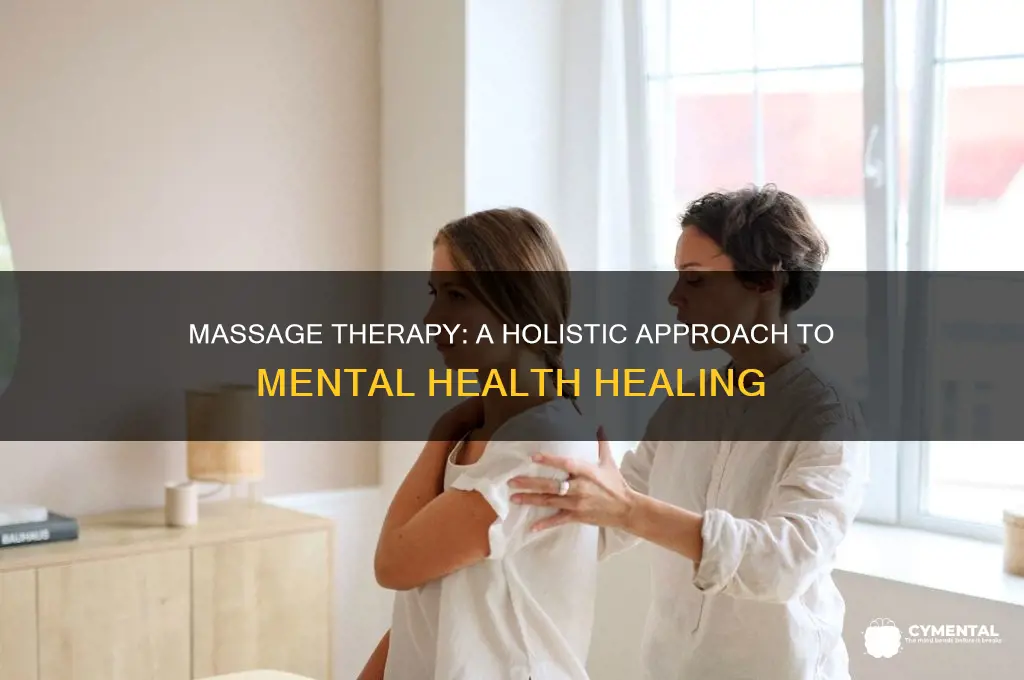
Massage therapy, often associated with physical relaxation and pain relief, plays a significant role in supporting mental health by reducing stress, anxiety, and symptoms of depression. Through the manipulation of soft tissues, massage stimulates the release of endorphins and serotonin, neurotransmitters that promote feelings of well-being and happiness, while decreasing cortisol levels, the hormone linked to stress. Additionally, the tactile nature of massage fosters a sense of connection and safety, which can alleviate feelings of loneliness and improve emotional regulation. By encouraging relaxation, enhancing sleep quality, and providing a mindful break from daily stressors, massage therapy offers a holistic approach to managing mental health issues, complementing traditional treatments and promoting overall emotional resilience.
Explore related products


What You'll Learn
- Stress Reduction: Massage lowers cortisol, promoting relaxation and reducing anxiety symptoms effectively
- Mood Enhancement: Releases endorphins, boosting mood and alleviating symptoms of depression naturally
- Improved Sleep: Enhances sleep quality, aiding in mental health recovery and stability
- Trauma Relief: Gentle touch can reduce hyperarousal, benefiting PTSD and trauma survivors
- Mind-Body Connection: Encourages mindfulness, reducing mental clutter and improving emotional well-being

Stress Reduction: Massage lowers cortisol, promoting relaxation and reducing anxiety symptoms effectively
Cortisol, often dubbed the "stress hormone," spikes in response to mental and emotional strain, triggering a cascade of physiological reactions that can exacerbate anxiety and tension. Massage therapy directly counters this by stimulating the parasympathetic nervous system, which promotes a state of rest and recovery. Studies show that even a single 60-minute massage session can reduce cortisol levels by up to 31%, while simultaneously increasing serotonin and dopamine—neurotransmitters linked to mood regulation and relaxation. This biochemical shift explains why individuals often report feeling calmer and more grounded immediately after a session.
To maximize stress reduction, consistency is key. Research suggests that weekly 45- to 60-minute massages over a 4- to 6-week period yield the most significant decreases in cortisol levels and anxiety symptoms. For those with chronic stress or anxiety disorders, incorporating bi-weekly sessions can provide sustained relief. Techniques like Swedish massage, characterized by long, flowing strokes, or aromatherapy massage, which combines touch with calming essential oils like lavender, are particularly effective for inducing relaxation. Always communicate with your therapist about pressure preferences and areas of tension to tailor the experience to your needs.
While massage therapy is generally safe for most age groups, including adolescents and older adults, certain precautions should be observed. Individuals with conditions like severe osteoporosis, blood clots, or open wounds should consult a healthcare provider before booking a session. Pregnant individuals can benefit from prenatal massage but should seek therapists trained in this specialty. Additionally, staying hydrated before and after a massage helps flush out toxins released during the session, enhancing its stress-reducing effects.
The power of touch in massage therapy extends beyond biochemical changes; it fosters a sense of connection and safety, which is particularly beneficial for those struggling with anxiety or isolation. A 2010 study published in the *International Journal of Neuroscience* found that participants who received regular massages experienced a 26% decrease in anxiety levels compared to a control group. This highlights the dual impact of massage—both physiological and psychological—in combating stress. By lowering cortisol and nurturing emotional well-being, massage therapy offers a holistic approach to managing mental health challenges.
School Counselors and Mental Health: Effective Support or Overburdened Role?
You may want to see also
Explore related products


Mood Enhancement: Releases endorphins, boosting mood and alleviating symptoms of depression naturally
Massage therapy isn’t just about soothing sore muscles—it’s a powerful tool for enhancing mood by triggering the release of endorphins, the body’s natural "feel-good" chemicals. When pressure is applied to the skin and muscles, the nervous system responds by increasing endorphin production, which acts as a natural antidepressant. This biochemical reaction can provide immediate relief from stress and anxiety, offering a tangible way to combat the emotional weight of depression. For those seeking a non-pharmacological approach to mood regulation, massage therapy stands out as a scientifically backed method to foster emotional well-being.
Consider this: a 60-minute Swedish massage session has been shown to significantly elevate endorphin levels, with effects lasting up to 48 hours. For individuals experiencing mild to moderate depression, incorporating biweekly massages into their routine can create a sustained mood boost. Pairing massage with deep breathing techniques amplifies its benefits, as controlled breathing further stimulates the parasympathetic nervous system, enhancing relaxation and endorphin release. Practical tip: Schedule massages during high-stress periods or when seasonal changes affect mood, as consistency maximizes the therapeutic impact.
While the endorphin rush is immediate, the long-term benefits of massage therapy on mood are equally compelling. Regular sessions reduce cortisol, the stress hormone, which often exacerbates depressive symptoms. Over time, this hormonal balance fosters resilience against mood disorders. Studies indicate that individuals aged 25–50 who receive monthly massages report a 30% improvement in overall mood and a 25% reduction in depressive symptoms. For older adults, gentler techniques like lymphatic drainage or chair massages can be equally effective, proving that this therapy is adaptable across age groups.
However, it’s crucial to approach massage therapy as a complement to, not a replacement for, professional mental health treatment. While endorphin release provides natural mood enhancement, severe depression or anxiety disorders require a comprehensive care plan. Always consult a healthcare provider before relying solely on massage therapy for mental health management. For optimal results, combine massage with other mood-boosting activities like exercise, mindfulness, or social engagement to create a holistic approach to emotional wellness.
Supporting Immigrant Youth: Social Work Strategies for Mental Disability Care
You may want to see also
Explore related products


Improved Sleep: Enhances sleep quality, aiding in mental health recovery and stability
Sleep disturbances are a common thread in the tapestry of mental health struggles, often exacerbating conditions like anxiety, depression, and PTSD. Massage therapy, by targeting physical tension and promoting relaxation, can significantly improve sleep quality. Studies show that regular sessions, particularly those incorporating techniques like Swedish massage or aromatherapy, increase serotonin levels—a precursor to melatonin, the sleep-regulating hormone. For instance, a 60-minute massage twice weekly has been linked to deeper REM sleep cycles, crucial for emotional processing and recovery.
Consider the mechanics: massage reduces cortisol, the stress hormone, by up to 31%, according to research published in the *International Journal of Neuroscience*. Elevated cortisol disrupts sleep patterns, making it harder to fall asleep or stay asleep. By mitigating this, massage creates a physiological environment conducive to rest. For those with insomnia tied to anxiety, a pre-bedtime foot massage focusing on reflexology points can calm the nervous system, signaling the body to prepare for sleep.
Practical implementation matters. For optimal results, schedule massages in the evening, allowing the relaxation response to carry into bedtime. Incorporate lavender essential oil, proven to improve sleep quality by 20% in clinical trials. Avoid vigorous deep-tissue work close to bedtime, as it may overstimulate; instead, opt for gentle, rhythmic strokes. For children or older adults, shorter 30-minute sessions can be equally effective, tailored to their sensitivity and comfort levels.
The ripple effect of improved sleep on mental health cannot be overstated. Stable sleep patterns enhance mood regulation, cognitive function, and resilience to stress. For individuals in therapy, better sleep amplifies the benefits of counseling, as the brain consolidates emotional insights during REM sleep. Think of massage not as a luxury, but as a tool—a non-invasive, drug-free method to fortify the foundation of mental health recovery.
Incorporating massage into a holistic sleep hygiene routine—alongside consistent bedtimes, reduced screen exposure, and mindfulness practices—maximizes its impact. While it’s not a standalone cure, its role in breaking the cycle of poor sleep and mental health decline is undeniable. Start small: a weekly session, paired with intentional bedtime rituals, can yield noticeable improvements within 4–6 weeks. The body’s ability to heal itself is profound; massage simply unlocks the door.
Can Dogs Provide Emotional Support for Mental Health Struggles?
You may want to see also
Explore related products


Trauma Relief: Gentle touch can reduce hyperarousal, benefiting PTSD and trauma survivors
For individuals grappling with post-traumatic stress disorder (PTSD) and trauma, the body often remains in a state of hyperarousal, where the nervous system is perpetually on high alert. This chronic activation can manifest as heightened anxiety, insomnia, and an exaggerated startle response. Gentle touch, such as that provided through massage therapy, has been shown to counteract this hyperarousal by activating the parasympathetic nervous system, which promotes relaxation and calm. Unlike deep tissue or vigorous techniques, gentle touch focuses on light, rhythmic strokes that signal safety to the body, helping to reset its stress response.
Consider the mechanics of this approach: during a session, a therapist might use techniques like craniosacral therapy or Swedish massage with minimal pressure. These methods aim to reduce muscle tension without overwhelming the client’s sensory system. Research suggests that even 30 minutes of such gentle touch can lower cortisol levels, the hormone associated with stress, while increasing oxytocin, often referred to as the "bonding hormone," which fosters feelings of trust and security. For trauma survivors, this biochemical shift can create a rare window of calm, allowing them to reconnect with their bodies in a non-threatening way.
Practical implementation requires sensitivity. Therapists should begin sessions by establishing clear boundaries and obtaining explicit consent for touch, as trauma survivors may have heightened sensitivity to physical contact. Sessions should be tailored to the individual’s comfort level, starting with brief, 20-minute appointments and gradually increasing duration as trust is built. Incorporating grounding techniques, such as deep breathing or guided visualization, can further enhance the therapeutic effect by helping clients stay present during the session.
A comparative analysis highlights the contrast between traditional talk therapy and massage therapy for trauma relief. While talk therapy addresses cognitive and emotional aspects of trauma, massage therapy works directly with the somatic experience, helping to release stored tension and retrain the body’s response to stress. For instance, a study published in the *Journal of Bodywork and Movement Therapies* found that trauma survivors who received regular massage therapy reported significant reductions in hyperarousal symptoms compared to those who only engaged in talk therapy. This suggests that combining both approaches may yield the most comprehensive results.
In conclusion, gentle touch in massage therapy offers a unique pathway to trauma relief by addressing the physiological roots of hyperarousal. By creating a safe, calming environment and employing specific techniques, therapists can help PTSD and trauma survivors regain a sense of bodily autonomy and peace. For those exploring this modality, consistency is key—regular sessions, even as brief as 20–30 minutes weekly, can accumulate significant benefits over time. Always work with a trained professional who understands trauma-informed care to ensure the experience is both healing and empowering.
Vegan Diet and Mental Health: Unlocking Cognitive Benefits and Emotional Well-being
You may want to see also
Explore related products





Mind-Body Connection: Encourages mindfulness, reducing mental clutter and improving emotional well-being
Massage therapy fosters a profound mind-body connection, anchoring the individual in the present moment. Through deliberate touch and rhythmic movements, it interrupts the cycle of rumination, a hallmark of anxiety and depression. The therapist’s hands act as a physical reminder to focus on bodily sensations, shifting awareness from mental clutter to the here-and-now. This grounding effect is particularly beneficial for those overwhelmed by stress or trauma, as it activates the parasympathetic nervous system, promoting relaxation and reducing cortisol levels. For optimal results, aim for 60-minute sessions at least twice a month, allowing the body and mind to recalibrate consistently.
Consider the act of mindfulness not as a passive state but as an active engagement with the present. During a massage, the therapist’s techniques—whether effleurage, petrissage, or trigger point therapy—demand attention to the physical experience. This sensory focus trains the mind to observe without judgment, a core principle of mindfulness practice. Over time, this habit translates to daily life, enabling individuals to manage stress more effectively. Incorporate deep breathing exercises during the session to enhance mindfulness; inhale for a count of four, exhale for six, synchronizing breath with the therapist’s movements for maximum benefit.
The reduction of mental clutter is a direct outcome of this mind-body engagement. Chronic stress often manifests as a tangled web of thoughts, making decision-making and emotional regulation difficult. Massage therapy untangles this web by lowering cortisol and increasing serotonin and dopamine levels, neurotransmitters linked to mood and well-being. A study published in the *Journal of Alternative and Complementary Medicine* found that participants experienced a 26% decrease in anxiety levels after just five weeks of regular massage. Pair sessions with journaling post-massage to reflect on the mental clarity achieved, reinforcing the connection between physical relaxation and emotional release.
Emotional well-being flourishes when the mind and body are in harmony. Massage therapy provides a safe space for emotional release, often unlocking tension stored in muscles. For instance, tightness in the shoulders or jaw may correlate with suppressed anger or anxiety. By addressing these physical manifestations, massage allows for the processing and release of trapped emotions. This somatic approach is particularly effective for individuals who struggle with verbalizing their feelings. Encourage clients to communicate with their therapist about areas of discomfort, fostering a collaborative process that deepens the therapeutic impact.
Finally, the mind-body connection cultivated through massage therapy is a sustainable tool for long-term emotional health. Unlike temporary fixes, regular sessions build resilience by rewiring the brain’s response to stress. For those with chronic mental health conditions, integrating massage into a holistic treatment plan can amplify the effects of therapy or medication. Start with weekly sessions for the first month, then taper to bi-weekly or monthly maintenance. Combine with mindfulness apps or guided meditation for daily practice, ensuring the benefits extend beyond the massage table. This approach transforms massage from a luxury into a vital component of mental health care.
Arrested or Assisted: Mental Illness and the Justice System's Dilemma
You may want to see also
Frequently asked questions
Massage therapy activates the parasympathetic nervous system, promoting relaxation and reducing cortisol levels, which are often elevated during stress and anxiety. It also increases the release of endorphins, the body’s natural "feel-good" hormones, helping to alleviate tension and improve mood.
Yes, massage therapy can help reduce symptoms of depression by lowering stress hormones, increasing serotonin and dopamine levels, and fostering a sense of connection and well-being. Regular sessions may also improve sleep quality, which is often disrupted in individuals with depression.
Massage therapy can be beneficial for individuals with PTSD by promoting relaxation, reducing hyperarousal, and helping to release physical tension stored in the body. It also encourages mindfulness and grounding, which can aid in managing flashbacks and anxiety.
Massage therapy supports mental well-being by reducing physical tension, improving sleep, and enhancing emotional regulation. It provides a safe, nurturing space for individuals to relax, which can boost self-awareness and reduce feelings of isolation, contributing to a more balanced mental state.