Harper Lewis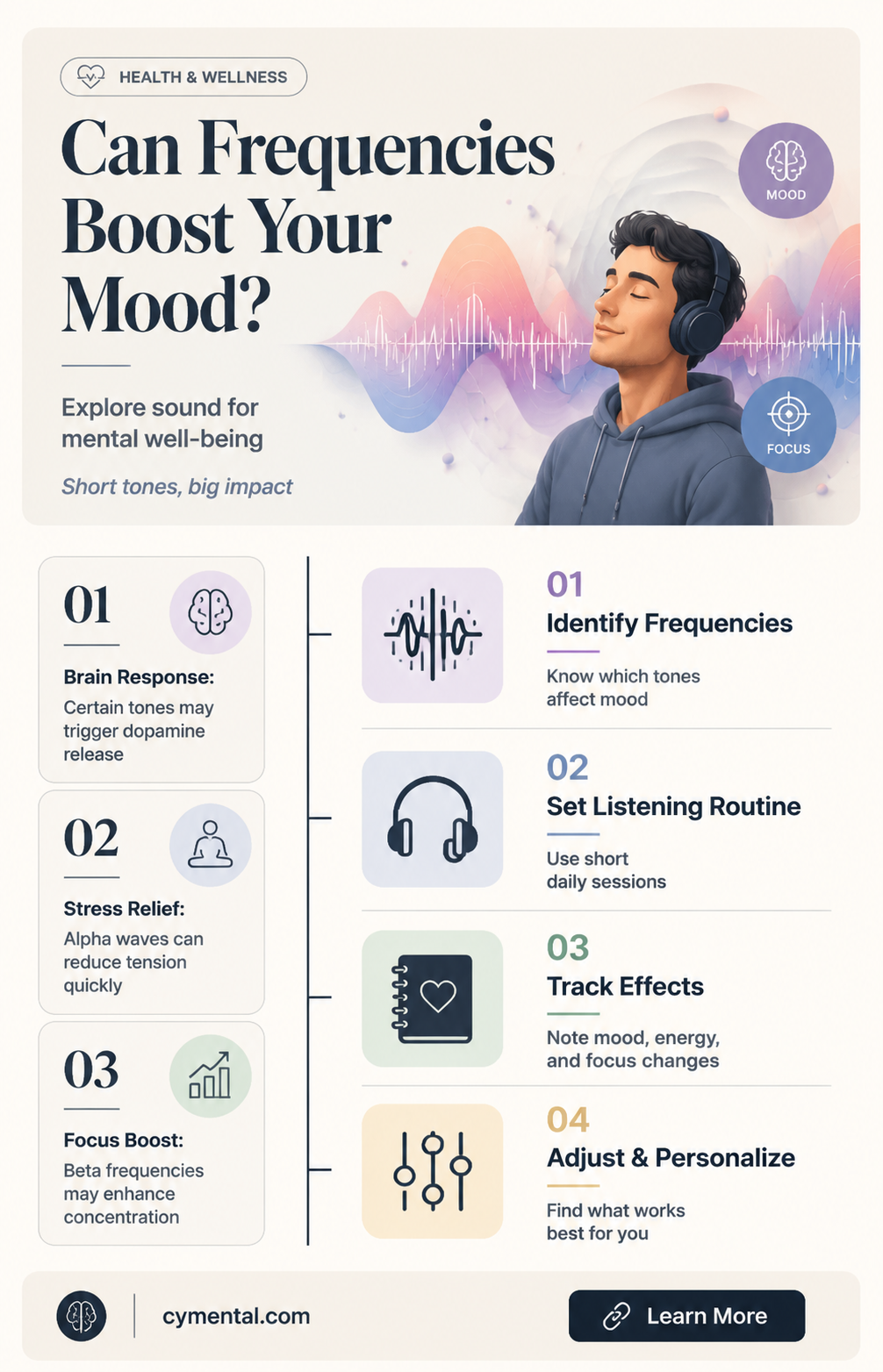
The idea that certain frequencies can influence mental attitude has gained traction in recent years, fueled by claims that specific sound waves, often referred to as binaural beats or isochronic tones, can enhance focus, reduce stress, or even elevate mood. Proponents argue that these frequencies work by synchronizing brainwaves to desired states, such as alpha waves for relaxation or gamma waves for heightened awareness. While anecdotal evidence and some studies suggest potential benefits, the scientific community remains divided, with critics pointing to methodological flaws and the placebo effect as possible explanations for reported improvements. As interest in sound therapy and neurotechnology grows, further research is needed to determine whether these frequencies genuinely impact mental attitude or if their effects are more psychological than physiological.
| Characteristics | Values |
|---|---|
| Effectiveness | Mixed evidence; some studies show positive effects on mood, focus, and stress reduction, while others find no significant impact. |
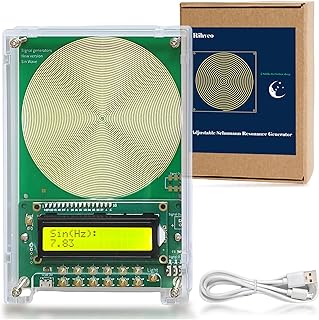
| Frequencies Studied | Binaural beats (e.g., alpha, theta, delta waves), isochronic tones, solfeggio frequencies (e.g., 528 Hz), and Schumann resonance (7.83 Hz). |
| Mechanisms | Believed to influence brainwave patterns, promote relaxation, and synchronize brain hemispheres, though scientific consensus is limited. |
| Applications | Used for meditation, stress relief, sleep improvement, and cognitive enhancement. |
| Scientific Consensus | Limited peer-reviewed research; anecdotal evidence is common, but placebo effects cannot be ruled out. |
| Individual Variability | Effects vary widely among individuals; personal sensitivity to frequencies plays a role. |
| Safety | Generally considered safe, but excessive use or high volumes may cause discomfort or headaches. |
| Popularity | Widely used in wellness apps, YouTube videos, and alternative therapies despite inconclusive scientific backing. |
| Criticism | Lack of standardized research methods and potential overreliance on anecdotal claims. |
| Future Research | Ongoing studies exploring neurophysiological effects and optimal frequency ranges for specific mental states. |
Explore related products



What You'll Learn
- Brainwave Entrainment Basics: How external frequencies sync with brainwaves to alter mental states
- Binaural Beats Effect: Using two tones to induce relaxation, focus, or meditation
- Solfeggio Frequencies: Ancient tones claimed to heal emotional and mental imbalances
- Sound Therapy Studies: Research on frequencies reducing anxiety, depression, and stress
- Placebo vs. Science: Separating proven benefits from psychological suggestion in frequency therapy

Brainwave Entrainment Basics: How external frequencies sync with brainwaves to alter mental states
The human brain operates on a symphony of electrical impulses, generating distinct frequencies known as brainwaves. These waves correspond to different states of consciousness, from deep sleep (delta waves, 0.5–4 Hz) to heightened focus (beta waves, 12–30 Hz). Brainwave entrainment leverages this natural rhythm by using external frequencies to synchronize brainwaves, potentially altering mental states. For instance, listening to a 10 Hz binaural beat can guide the brain into an alpha state (8–12 Hz), associated with relaxation and creativity. This technique, backed by studies like those in *Clinical Neurophysiology*, suggests that entrainment can influence mood, focus, and even stress levels.
To practice brainwave entrainment, start with a quiet environment and a comfortable position. Use headphones to listen to binaural beats, isochronic tones, or monaural beats, which deliver precise frequencies to the brain. For example, a 40-minute session at 7 Hz can promote deep meditation, while 15 Hz may enhance concentration. Consistency is key—daily sessions of 20–30 minutes yield better results than sporadic use. Caution: Avoid entrainment if you have epilepsy or a history of seizures, as rapid frequency changes can trigger adverse reactions.
Comparing entrainment methods reveals their unique strengths. Binaural beats require headphones and work by delivering slightly different frequencies to each ear, which the brain perceives as a third tone. Isochronic tones, on the other hand, use evenly spaced pulses and are effective without headphones. Monaural beats combine frequencies into a single tone, making them accessible but less precise. Each method has its niche: binaural beats for deep relaxation, isochronic tones for focus, and monaural beats for general use.
The science behind entrainment lies in neural plasticity—the brain’s ability to adapt to stimuli. When exposed to external frequencies, the brain’s dominant wave pattern shifts to match, a phenomenon called frequency following response (FFR). For instance, a 2016 study in *Frontiers in Systems Neuroscience* demonstrated that gamma frequency stimulation (40 Hz) improved cognitive function in older adults. Practical tip: Pair entrainment with activities like journaling or mindfulness to amplify its effects. While not a cure-all, brainwave entrainment offers a non-invasive tool to explore and influence mental states.
Incorporating brainwave entrainment into daily routines requires awareness of individual needs. For students, beta frequencies (15–20 Hz) during study sessions can enhance focus. For insomniacs, delta frequencies (0.5–4 Hz) before bed may improve sleep quality. Apps like Brain.fm and Insight Timer provide tailored programs, often with guided instructions. However, results vary—what works for one person may not work for another. Start with low-intensity sessions and gradually increase duration and frequency. With patience and experimentation, brainwave entrainment can become a valuable ally in managing mental attitude.
Gaming's Surprising Benefits: Boosting Mental Health and Well-Being
You may want to see also
Explore related products


Binaural Beats Effect: Using two tones to induce relaxation, focus, or meditation
The human brain is an orchestra of electrical impulses, and binaural beats claim to conduct this symphony for specific mental states. By delivering slightly different frequencies to each ear through headphones, the brain perceives a third, "binaural" frequency—the mathematical difference between the two tones. For example, a 300 Hz tone in one ear and a 310 Hz tone in the other creates a 10 Hz binaural beat, associated with alpha waves and relaxation. This phenomenon, discovered in 1839 by Heinrich Wilhelm Dove, has since been explored for its potential to influence brainwave patterns and, consequently, mental states.
To harness the binaural beats effect, follow these steps: choose a frequency aligned with your goal (e.g., 4-8 Hz for meditation, 12-15 Hz for focus), use high-quality headphones to ensure each ear receives the correct tone, and listen for at least 15-30 minutes in a quiet environment. Consistency is key; regular sessions may yield more noticeable results. Caution: avoid using binaural beats while driving or operating machinery, as they can induce deep relaxation or altered states. Also, individuals with epilepsy or seizures should consult a healthcare professional before use.
While anecdotal evidence abounds, scientific research on binaural beats is mixed. Some studies suggest they can enhance focus, reduce anxiety, and improve sleep, but results are often modest and vary widely among individuals. A 2016 study in the *Journal of Alternative and Complementary Medicine* found that binaural beats at 6 Hz significantly reduced anxiety levels in participants. However, critics argue that the placebo effect or relaxation from listening to soothing tones may play a role. To maximize potential benefits, combine binaural beats with mindfulness practices or guided meditation for a synergistic effect.
The appeal of binaural beats lies in their simplicity and accessibility. Unlike meditation or therapy, which require active engagement, binaural beats are passive—you simply listen. This makes them an attractive tool for busy individuals seeking quick mental resets. For instance, a 15-minute session with 12 Hz beats during a work break can help restore focus and clarity. Pairing binaural beats with activities like journaling or deep breathing can amplify their impact, creating a holistic approach to mental well-being.
In conclusion, while binaural beats aren’t a magic bullet, they offer a fascinating and low-risk way to explore the connection between sound and mental states. Whether you’re seeking relaxation, focus, or deeper meditation, experimenting with these frequencies can provide valuable insights into your brain’s responsiveness. Start with short sessions, track your experiences, and adjust frequencies to find what works best for you. As with any tool, the key is consistent, mindful use—let the tones guide you, but let your intentions lead the way.
Mental Health Attitudes: Impact on Help-Seeking Behavior and Service Utilization
You may want to see also
Explore related products


Solfeggio Frequencies: Ancient tones claimed to heal emotional and mental imbalances
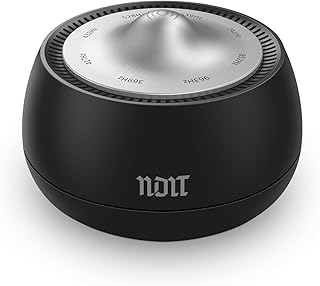
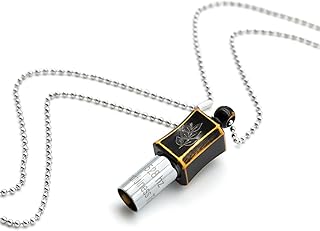
The concept of Solfeggio frequencies traces back to ancient Gregorian chants, where specific tones were believed to possess spiritual and healing properties. These frequencies, measured in Hertz (Hz), are said to resonate with the body’s natural energy centers, promoting emotional and mental balance. Among the most cited are 396 Hz (liberating guilt and fear), 528 Hz (repairing DNA and fostering positivity), and 963 Hz (awakening intuition and spiritual connection). While rooted in historical practices, their modern resurgence is fueled by claims that listening to these tones can alleviate stress, anxiety, and even depression.
To incorporate Solfeggio frequencies into your routine, start with short, focused sessions. For instance, 15–20 minutes of 528 Hz in the morning can set a positive tone for the day, while 396 Hz before bedtime may help release negative emotions. Use headphones for a more immersive experience, and pair the tones with meditation, deep breathing, or journaling to amplify their effects. Apps and online platforms offer guided sessions, but ensure the audio quality is clear to avoid distortion. Experiment with different frequencies to identify which resonates most with your needs.
Critics argue that the benefits of Solfeggio frequencies are placebo-driven, lacking robust scientific validation. However, anecdotal evidence and small-scale studies suggest they can induce relaxation and improve mood. For example, a 2018 study published in the *Journal of Alternative and Complementary Medicine* found that participants exposed to 528 Hz reported reduced anxiety levels. While not a substitute for professional mental health treatment, these frequencies can serve as a complementary tool for emotional well-being.
Practical tips include creating a dedicated listening space free from distractions, combining frequencies with activities like yoga or nature walks, and tracking your mood changes over time. For children or sensitive individuals, start with lower volumes and shorter durations. Avoid over-reliance on these tones; instead, integrate them as part of a holistic self-care regimen. Whether you’re a skeptic or a believer, exploring Solfeggio frequencies offers a unique, low-risk way to experiment with sound’s potential to heal the mind.
Can Dogs Provide Emotional Support for Mental Health Struggles?
You may want to see also
Explore related products


Sound Therapy Studies: Research on frequencies reducing anxiety, depression, and stress
The hum of a tuning fork, the rhythmic pulse of binaural beats, or the resonant drone of a singing bowl – these aren't just sounds, they're tools being wielded in a growing field of research exploring the impact of specific frequencies on mental health. Studies suggest that certain sound frequencies can act as a non-invasive, drug-free intervention for anxiety, depression, and stress, offering a potential symphony of relief for those seeking alternative therapies.
"Sound Therapy Studies: Research on frequencies reducing anxiety, depression, and stress"
One promising area of research focuses on binaural beats. These are created when two slightly different frequencies are played into each ear, causing the brain to perceive a third, phantom frequency. Studies have shown that binaural beats in the alpha (8-12 Hz) and theta (4-8 Hz) ranges, associated with relaxation and meditation, can significantly reduce anxiety levels. A 2016 study published in the *Journal of Alternative and Complementary Medicine* found that participants who listened to binaural beats for just 20 minutes experienced a notable decrease in anxiety compared to a control group.
Imagine a busy professional, overwhelmed by deadlines, finding solace in a 20-minute binaural beat session during their lunch break, emerging calmer and more focused to tackle the afternoon's challenges.
Another approach utilizes the resonant frequencies of singing bowls, often tuned to the Schumann Resonance (7.83 Hz), a frequency naturally occurring in the Earth's electromagnetic field. Proponents believe this frequency promotes a sense of grounding and well-being. While scientific research on singing bowls is still emerging, anecdotal evidence and small-scale studies suggest they can induce a meditative state, reduce stress hormones, and improve mood.
It's important to note that sound therapy is not a one-size-fits-all solution. Individual responses to specific frequencies can vary. Factors like personal preference, the severity of symptoms, and the underlying cause of the mental health issue all play a role.
For those interested in exploring sound therapy, starting with guided meditations incorporating binaural beats or seeking out sound baths with experienced practitioners can be a good first step. Remember, consistency is key; regular sessions, even short ones, may yield more noticeable benefits. As with any complementary therapy, consulting with a healthcare professional is advisable, especially if you have any underlying medical conditions.
Boost Mental Health, Shed Pounds: The Mind-Body Weight Loss Connection
You may want to see also
Explore related products


Placebo vs. Science: Separating proven benefits from psychological suggestion in frequency therapy
The allure of frequency therapy lies in its promise: a non-invasive, often passive way to enhance mental well-being. Advocates claim that specific sound frequencies, like 432 Hz for relaxation or 528 Hz for transformation, can alleviate anxiety, improve focus, and even elevate mood. Yet, the line between scientifically validated benefits and the placebo effect remains blurred. To discern the truth, we must examine the mechanisms at play and the evidence supporting them.
Consider binaural beats, a popular form of frequency therapy where two slightly different frequencies are played into each ear, creating a perceived third tone in the brain. Studies suggest that delta waves (0.5–4 Hz) may promote deep sleep, while gamma waves (30–100 Hz) could enhance cognitive function. However, many of these findings are preliminary, often relying on self-reported improvements rather than objective measures. For instance, a 2016 study in *Frontiers in Psychology* found that binaural beats improved attention in some participants, but the effect size was modest and inconsistent across age groups. This raises the question: are these benefits real, or do they stem from the expectation of improvement?
The placebo effect complicates this analysis. When individuals believe a treatment will work, their brains often release endorphins or other neurochemicals, creating a tangible sense of relief. In frequency therapy, the ritualistic nature of listening to specific sounds—often paired with calming visuals or guided meditations—can amplify this psychological response. For example, a 2019 study in *PLOS One* found that participants reported reduced stress after listening to 528 Hz, but the absence of a control group made it impossible to rule out placebo. To separate science from suggestion, researchers must employ double-blind, randomized trials, comparing frequency therapy to inert sounds or silence.
Practical application of frequency therapy requires caution. If you’re experimenting with binaural beats, start with sessions of 10–15 minutes, using headphones to ensure the frequencies reach each ear correctly. Avoid frequencies above 30 Hz if you’re sensitive to overstimulation, as they may induce headaches or discomfort. Pairing frequency therapy with mindfulness practices, such as deep breathing, can enhance its perceived benefits, but remember: consistency is key. Daily exposure over several weeks may yield more noticeable results than sporadic use.
Ultimately, the debate between placebo and science in frequency therapy highlights a broader truth: the mind’s power to influence perception. While certain frequencies may have subtle physiological effects, their impact on mental attitude often hinges on belief. Until more rigorous research emerges, approach frequency therapy as a complementary tool rather than a standalone solution. Combine it with evidence-based practices like cognitive-behavioral therapy or meditation for a holistic approach to mental well-being. After all, whether through science or suggestion, the goal remains the same: fostering a healthier, more balanced mind.
Creatine's Surprising Role in Boosting Mental Health and Well-Being
You may want to see also
Frequently asked questions
Yes, certain frequencies, such as binaural beats or isochronic tones, are believed to influence brainwave patterns, potentially promoting relaxation, focus, or mood enhancement. However, scientific evidence is mixed, and individual responses vary.
Frequencies in the alpha (8–12 Hz) and theta (4–8 Hz) ranges are often associated with relaxation and stress reduction, while gamma waves (30–100 Hz) are linked to improved mood and cognitive function.
Frequencies can synchronize brainwaves through a process called entrainment, potentially shifting mental states. For example, alpha waves may induce calmness, while beta waves (12–30 Hz) can enhance alertness and focus.
While generally safe, overuse or improper use of frequency tools may lead to headaches, dizziness, or discomfort. It’s important to use them in moderation and consult a professional if you have underlying health conditions.