Ava Ramirez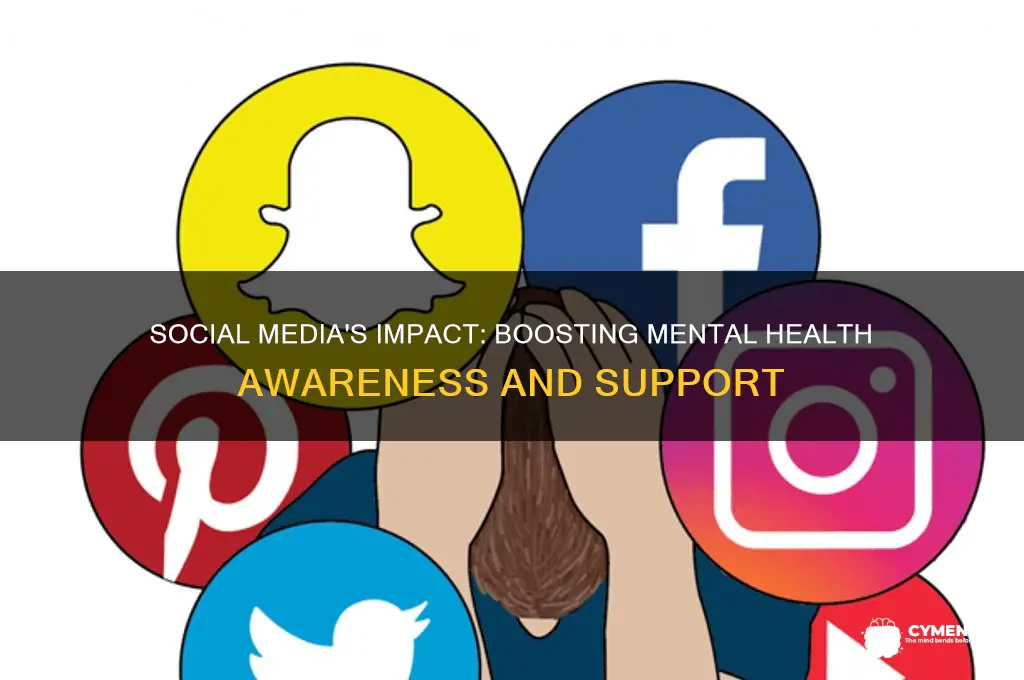
Social media has become a double-edged sword in the realm of mental health, offering both challenges and opportunities for support and awareness. On one hand, platforms like Instagram, Twitter, and TikTok have created spaces where individuals can share their experiences with mental health struggles, fostering a sense of community and reducing stigma. Campaigns and hashtags have amplified conversations around anxiety, depression, and self-care, encouraging open dialogue and empathy. Additionally, mental health professionals and organizations utilize these platforms to disseminate valuable resources, coping strategies, and crisis helplines, making information more accessible than ever. However, the curated nature of social media can also contribute to feelings of inadequacy, comparison, and isolation, highlighting the need for mindful usage and balanced engagement. Ultimately, when used intentionally, social media can serve as a powerful tool for promoting mental well-being and connecting individuals to the support they need.
Explore related products


What You'll Learn
- Increased Awareness: Campaigns and discussions on mental health issues reach wider audiences, reducing stigma
- Support Communities: Online groups provide safe spaces for sharing experiences and emotional support
- Access to Resources: Platforms share mental health tools, hotlines, and professional services easily
- Self-Expression: Creative outlets like art, writing, and videos help users process emotions
- Real-Time Support: Instant messaging and live chats offer immediate help during crises

Increased Awareness: Campaigns and discussions on mental health issues reach wider audiences, reducing stigma
Social media platforms have become powerful tools for amplifying mental health awareness, transforming the way we approach and discuss these issues. One of the most significant impacts is the ability to reach and engage vast audiences, fostering a sense of community and understanding. For instance, the #MentalHealthAwarenessWeek campaign on Twitter saw over 2 million tweets in 2022, with users sharing personal stories, resources, and support, creating a global conversation. This kind of visibility is crucial in normalizing discussions around mental health and encouraging individuals to seek help without fear of judgment.
The power of storytelling on social media cannot be overstated. Personal narratives shared via Instagram reels or TikTok videos have the potential to go viral, reaching millions overnight. These platforms allow individuals to document their mental health journeys, offering a raw and authentic perspective. For example, a TikTok user's video series about their experience with anxiety and depression gained over 10 million views, with thousands of comments from people feeling seen and understood. This kind of peer-to-peer connection can be incredibly validating and may encourage viewers to seek professional help or support.
However, it's essential to approach this strategy with caution. While increased awareness is beneficial, the potential for misinformation is high. Not all content creators are mental health professionals, and personal experiences, though powerful, may not be universally applicable. To ensure the accuracy of information, many platforms now collaborate with mental health organizations to verify content. For instance, Instagram's partnership with the National Alliance on Mental Illness (NAMI) provides users with access to expert-backed resources when searching for mental health-related hashtags.
To maximize the positive impact of social media campaigns, here are some practical steps:
- Collaborate with Influencers: Engage influencers or content creators with a strong following to share their mental health stories. Their reach can significantly amplify the message, but ensure they are well-briefed and sensitive to the topic.
- Use Hashtags Strategically: Create unique, campaign-specific hashtags to unify the conversation and make it easily discoverable. This also allows for better tracking of engagement and reach.
- Provide Actionable Resources: Alongside awareness, offer practical help. Share contact details of mental health hotlines, links to professional organizations, or even simple self-care tips that users can implement immediately.
- Encourage Engagement: Foster a two-way conversation by responding to comments and messages. This creates a sense of community and shows that the campaign is not just a one-off post but an ongoing commitment to the cause.
In summary, social media's role in increasing mental health awareness is a double-edged sword. While it has the power to reduce stigma and encourage open dialogue, it must be navigated carefully to ensure accuracy and sensitivity. By combining personal narratives with expert-backed information and strategic campaign planning, we can harness the full potential of these platforms to create a more informed and supportive global community. This approach not only helps reduce the stigma but also provides a safety net of resources for those who need it.
Turmeric's Potential Role in Supporting Mental Health and Wellness
You may want to see also
Explore related products


Support Communities: Online groups provide safe spaces for sharing experiences and emotional support
Social media platforms have become fertile ground for support communities, offering individuals a sense of belonging and understanding that can be hard to find offline. These online groups, often centered around specific mental health conditions or experiences, provide a unique space where members can share their stories, struggles, and triumphs without fear of judgment. For instance, Reddit's r/Anxiety and Facebook groups dedicated to depression are bustling hubs where thousands seek and offer solace daily. This phenomenon highlights a critical aspect of mental health support: the power of shared experience.
Consider the mechanics of these communities. They operate on principles of anonymity, accessibility, and immediacy. Unlike traditional support groups, which may require physical attendance and often come with waiting lists, online communities are available 24/7. A teenager grappling with panic attacks at 2 a.m. can find someone who understands their experience in real-time. This instant connectivity can be a lifeline during moments of crisis. However, it’s essential to navigate these spaces mindfully. Not all advice is professional, and emotional dumping without boundaries can be counterproductive. Moderators play a crucial role here, ensuring discussions remain supportive and respectful.
The benefits of these communities extend beyond emotional relief. They serve as educational resources, where members share coping strategies, recommend therapists, and debunk myths about mental health. For example, a study published in the *Journal of Medical Internet Research* found that participants in online mental health forums reported improved self-management skills and reduced feelings of isolation. Yet, it’s important to balance online support with offline care. While these groups can complement therapy, they should not replace professional treatment. Think of them as a supplement, not a substitute.
To maximize the benefits of online support communities, follow these practical steps: first, choose groups with active moderation and clear guidelines. Second, engage authentically but protect your privacy—avoid sharing identifiable details. Third, take breaks if the discussions become overwhelming. Finally, use these spaces as a stepping stone to seek professional help when needed. For instance, if a member consistently shares suicidal thoughts, fellow group members should encourage them to contact a crisis hotline or therapist.
In conclusion, online support communities are a testament to the transformative potential of social media in mental health care. They democratize access to emotional support, foster a culture of empathy, and provide practical tools for managing mental health challenges. However, their effectiveness hinges on mindful participation and integration with traditional care systems. By leveraging these communities wisely, individuals can find not just solace, but a pathway to healing.
Do School Mental Health Services Truly Support Student Well-being?
You may want to see also
Explore related products


Access to Resources: Platforms share mental health tools, hotlines, and professional services easily
Social media platforms have become vital gateways to mental health resources, offering users immediate access to tools, hotlines, and professional services that were once difficult to find. For instance, Instagram and TikTok frequently feature stories and posts with crisis hotline numbers, such as the National Suicide Prevention Lifeline (988 in the U.S.), ensuring users in distress can quickly connect to help. These platforms also host mental health organizations like NAMI (National Alliance on Mental Illness) and The Trevor Project, which share actionable resources directly in users’ feeds. This visibility reduces barriers to seeking help, especially for younger demographics who spend significant time online.
Consider the practical steps to leverage these resources effectively. First, follow verified mental health accounts on platforms like Twitter or Facebook to receive regular updates on tools like meditation apps, therapy directories, and self-assessment quizzes. Second, save or bookmark posts containing emergency contacts or coping strategies for quick reference during moments of need. For example, Calm and Headspace, popular mindfulness apps, often partner with influencers to offer free trials or discounted subscriptions, making professional-grade tools accessible to a broader audience. Third, engage with community-driven hashtags like #MentalHealthMatters or #TherapyWorks to discover peer-recommended resources and personal testimonials that can guide your journey.
While the accessibility of these resources is transformative, it’s crucial to approach them with discernment. Not all shared tools or services are evidence-based, and some may lack professional oversight. For instance, while a viral TikTok video might recommend a breathing exercise, it’s essential to verify its effectiveness through credible sources. Similarly, online therapy platforms promoted on social media should be evaluated for licensed practitioners and data privacy standards. The takeaway? Use social media as a starting point, but cross-reference resources with trusted institutions like the American Psychological Association or local health departments to ensure reliability.
The comparative advantage of social media in resource dissemination lies in its ability to reach underserved populations. Traditional mental health campaigns often struggle to engage marginalized communities, but platforms like Instagram and YouTube bridge this gap by featuring diverse voices and culturally relevant content. For example, accounts like @TherapyforBlackGirls address specific mental health challenges faced by Black women, offering both emotional validation and practical resources. This inclusivity ensures that mental health support is not one-size-fits-all but tailored to the unique needs of different groups, fostering a more equitable approach to care.
Finally, the impact of these shared resources extends beyond individual users, influencing societal attitudes toward mental health. By normalizing conversations around therapy, self-care, and crisis intervention, social media platforms contribute to reducing stigma. For instance, celebrities and influencers openly sharing their therapy experiences or promoting mental health hotlines encourage followers to prioritize their well-being. This cultural shift, amplified by the viral nature of social media, creates a ripple effect, making it easier for future generations to seek help without fear of judgment. In this way, social media doesn’t just provide resources—it reshapes the narrative around mental health itself.
ECT and Mental Clarity: Unlocking Focus and Cognitive Benefits
You may want to see also
Explore related products


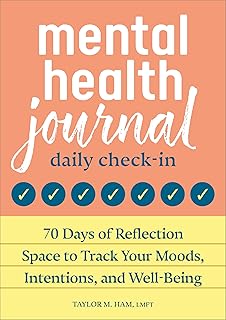

Self-Expression: Creative outlets like art, writing, and videos help users process emotions
Social media platforms have become digital canvases where individuals paint their emotions, thoughts, and experiences. For many, these spaces offer a unique opportunity to engage in self-expression through creative outlets like art, writing, and video content. This form of expression is not merely about sharing; it’s a therapeutic process that helps users process complex emotions, find clarity, and connect with others who resonate with their experiences.
Consider the act of creating and sharing a piece of art on Instagram. Whether it’s a sketch, digital painting, or photography, the process of translating emotions into visual form can be deeply cathartic. Research suggests that engaging in artistic activities reduces cortisol levels, the body’s primary stress hormone. For instance, a 2020 study published in *Art Therapy: Journal of the American Art Therapy Association* found that participants who engaged in art-making reported lower stress levels and improved mood. Social media amplifies this benefit by providing an audience, turning a private act of self-expression into a communal experience. Comments, likes, and shares often validate the creator’s emotions, fostering a sense of belonging and understanding.
Writing, another powerful tool for emotional processing, thrives on platforms like Twitter, Medium, and personal blogs. Crafting a tweet thread about personal struggles or drafting a long-form essay allows users to structure their thoughts and make sense of their experiences. For example, a teenager grappling with anxiety might write a series of tweets about their journey, only to find others replying with similar stories or words of encouragement. This interaction not only normalizes their feelings but also provides a sense of relief, knowing they’re not alone. Writing prompts, such as “Describe a moment that changed you” or “What does resilience mean to you?”, can serve as starting points for those unsure where to begin.
Video content, particularly on platforms like TikTok and YouTube, offers a dynamic medium for self-expression. Creating a video diary, a dance routine, or a short film allows users to embody their emotions physically and visually. For instance, a user might choreograph a dance to express grief or joy, turning abstract feelings into tangible movements. Practical tips for beginners include starting with short, unedited clips and experimenting with different formats like vlogs, lip-syncs, or storytelling. The immediacy of video feedback—through views, comments, and shares—provides real-time validation, reinforcing the therapeutic benefits of the creative process.
However, it’s crucial to approach self-expression on social media mindfully. While these platforms offer opportunities for healing, they can also amplify insecurities if users become overly reliant on external validation. Setting boundaries, such as limiting screen time or curating a supportive audience, ensures that the focus remains on personal growth rather than approval. Additionally, combining online self-expression with offline practices like journaling or therapy can deepen its therapeutic impact.
In essence, social media’s role in fostering self-expression through creative outlets is a double-edged sword—one that, when wielded thoughtfully, can transform emotional turmoil into art, connection, and healing. By leveraging these tools intentionally, users can turn their feeds into spaces of reflection, resilience, and renewal.
Breaking the Silence: Why Men Resist Seeking Mental Health Support
You may want to see also
Explore related products


$9.79 $17.99


Real-Time Support: Instant messaging and live chats offer immediate help during crises
In moments of crisis, every second counts. Instant messaging and live chats on social media platforms have emerged as lifelines, offering real-time support when traditional resources may be out of reach. Unlike helplines with limited hours, these digital tools provide immediate access to trained volunteers, peers, or mental health professionals, ensuring that no one faces their darkest moments alone.
Consider this scenario: a teenager experiencing a panic attack at 2 a.m. Instead of waiting until morning to seek help, they can open a messaging app and connect with a crisis counselor within minutes. Platforms like Crisis Text Line and 7 Cups leverage this immediacy, pairing individuals with trained listeners who provide empathetic, non-judgmental support. For instance, Crisis Text Line reports that 60% of texters feel significantly better after a single conversation, highlighting the power of real-time intervention.
However, real-time support isn’t without its limitations. While instant messaging can de-escalate crises, it’s not a substitute for long-term therapy or medical treatment. Users must be cautious about sharing sensitive information with unverified peers and should prioritize platforms that ensure confidentiality and professional oversight. Additionally, reliance on digital tools can sometimes delay seeking in-person care, a risk that must be mitigated through clear guidance and follow-up resources.
To maximize the benefits of real-time support, follow these practical steps: first, save trusted crisis chat numbers or app links on your phone for quick access. Second, familiarize yourself with the platform’s guidelines and the qualifications of its responders. Third, use these tools as a bridge to more comprehensive care, not as a standalone solution. For parents or caregivers, encourage open conversations about digital mental health resources and ensure young users know how to access them safely.
In a world where mental health crises can strike at any hour, instant messaging and live chats fill a critical gap. They offer a sense of immediacy, anonymity, and accessibility that traditional methods often lack. While not a panacea, these tools are a testament to how social media can transform lives by providing a listening ear exactly when it’s needed most.
Gaming's Surprising Mental Health Benefits: Stress Relief, Focus, and Connection
You may want to see also
Frequently asked questions
Social media has played a crucial role in raising awareness about mental health by providing platforms for individuals, organizations, and influencers to share stories, resources, and campaigns. Hashtags like #MentalHealthAwareness and #EndTheStigma have helped normalize conversations, reduce stigma, and educate the public about mental health challenges.
Yes, social media offers access to online communities, support groups, and mental health professionals who provide encouragement, advice, and resources. Platforms like Facebook, Reddit, and Instagram host groups where individuals can share experiences, seek help, and feel less isolated.
Social media connects users to a wealth of mental health resources, including helplines, therapy apps, and educational content. Many organizations and mental health professionals use platforms to share articles, videos, and tools that promote mental well-being and self-care.
Yes, social media has contributed to reducing stigma by amplifying voices of those with mental health struggles and fostering open dialogue. Campaigns, personal stories, and celebrity endorsements have encouraged empathy and understanding, making it easier for people to seek help without fear of judgment.