Lucas Bennett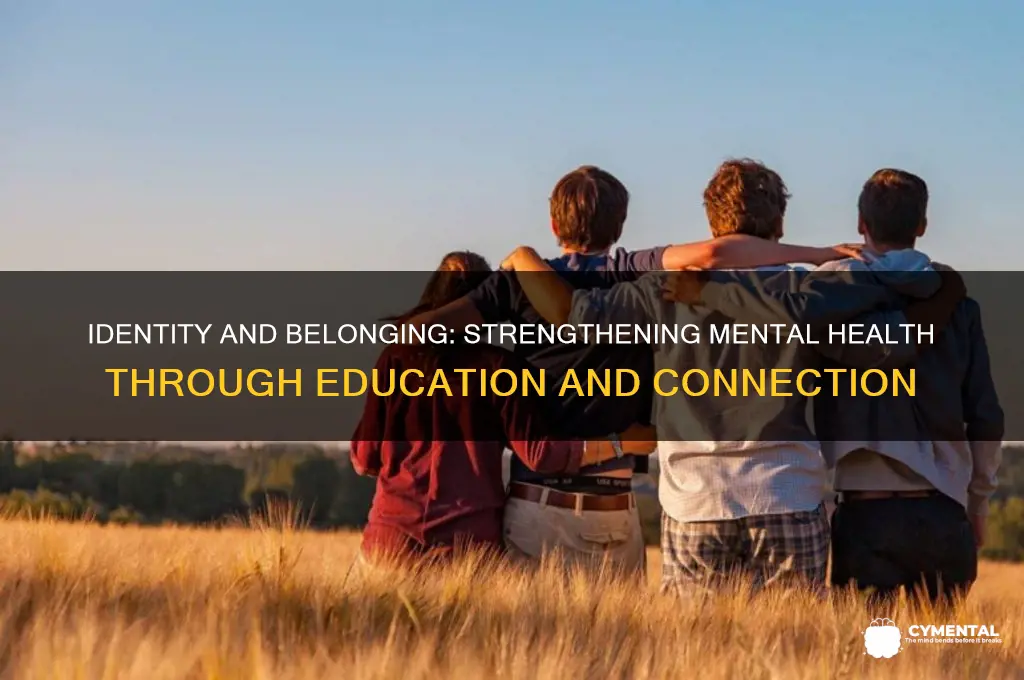
Identity and belonging are fundamental aspects of human experience, deeply intertwined with mental health and well-being. When individuals have a strong sense of self and feel connected to their communities, they are better equipped to navigate life’s challenges and build resilience. In the context of mental health education, understanding how identity shapes one’s perception of self and the world, and how belonging fosters emotional support and validation, is crucial. By integrating these concepts into educational frameworks, educators can create inclusive environments that promote self-acceptance, empathy, and a sense of purpose. This approach not only enhances mental health literacy but also empowers individuals to thrive by fostering a deeper understanding of their place in the world and their relationships with others.
Explore related products





What You'll Learn
- Social Connections: Building relationships fosters a sense of belonging, reducing loneliness and improving mental well-being
- Cultural Identity: Embracing cultural roots enhances self-esteem and resilience against mental health challenges
- Community Support: Belonging to supportive groups provides emotional safety and access to resources
- Self-Acceptance: Identity awareness promotes self-compassion, reducing anxiety and depression risks
- Purpose & Meaning: A strong identity and belonging create a sense of purpose, boosting mental health

Social Connections: Building relationships fosters a sense of belonging, reducing loneliness and improving mental well-being
Human beings are inherently social creatures, and our mental health thrives when we cultivate meaningful connections with others. Research consistently shows that individuals with strong social support networks experience lower levels of stress, anxiety, and depression. Conversely, loneliness has been linked to increased risk of mental health issues, highlighting the critical role of social connections in fostering well-being.
A study published in the *Journal of Health and Social Behavior* found that individuals who reported feeling lonely had a 26% increased risk of premature death, emphasizing the profound impact of social isolation on both physical and mental health.
Building and maintaining relationships requires intentional effort. Start by identifying individuals with shared interests or values. Join clubs, volunteer groups, or online communities centered around your passions. Initiate conversations, actively listen, and show genuine interest in others. Remember, quality trumps quantity. Focus on cultivating a few deep, meaningful connections rather than accumulating a large number of superficial acquaintances.
Consider the "three-hour rule" suggested by psychologist Robert Waldinger: aim for at least three hours of meaningful social interaction per week. This could involve a deep conversation with a friend, a shared activity with family, or participating in a group event.
While technology can facilitate connections, it's crucial to prioritize face-to-face interactions. Virtual communication lacks the nuances of nonverbal cues and physical touch, which are essential for building intimacy and trust. Schedule regular in-person meetings, engage in shared activities, and create opportunities for meaningful conversations. For adolescents and young adults, who are particularly vulnerable to loneliness, schools and communities can play a vital role by fostering a sense of belonging through mentorship programs, peer support groups, and inclusive extracurricular activities.
A study by the American Psychological Association found that adolescents who participated in school-based social skills training programs reported significant reductions in loneliness and improved overall well-being.
Building strong social connections is a lifelong process that requires vulnerability, empathy, and commitment. By prioritizing meaningful relationships, we invest in our mental health and create a support system that buffers against life's challenges. Remember, reaching out for help is a sign of strength, not weakness. If you're struggling with loneliness or mental health concerns, don't hesitate to seek support from a trusted friend, family member, or mental health professional.
IQ Tests and Mental Health: Diagnostic Tool or Misleading Measure?
You may want to see also
Explore related products


Cultural Identity: Embracing cultural roots enhances self-esteem and resilience against mental health challenges
Cultural identity serves as a cornerstone for mental well-being, offering individuals a sense of purpose and belonging rooted in their heritage. Research shows that adolescents who actively engage with their cultural traditions report higher self-esteem and lower rates of anxiety and depression. For instance, a study published in the *Journal of Youth and Adolescence* found that Latino youth who participated in cultural practices like Día de los Muertos experienced greater emotional resilience compared to those who did not. This connection to cultural roots provides a framework for understanding one’s place in the world, fostering a positive self-image that buffers against mental health challenges.
To harness the benefits of cultural identity, educators and parents can incorporate specific strategies into daily life. Encourage young people to explore their heritage through storytelling, cooking traditional meals, or learning ancestral languages. For example, a 14-year-old struggling with identity issues might benefit from interviewing a grandparent about family history, turning the experience into a school project or personal journal. Schools can also integrate cultural education into curricula by celebrating diverse holidays or inviting community elders to share traditions. These activities not only strengthen cultural ties but also provide a sense of continuity and pride.
However, embracing cultural identity is not without its challenges. In multicultural societies, individuals may face pressure to assimilate, leading to feelings of alienation from both their heritage and the dominant culture. A 2019 study in *Cultural Diversity and Ethnic Minority Psychology* highlighted that biracial individuals often experience identity confusion, which can exacerbate mental health issues. To mitigate this, create safe spaces for open dialogue about cultural duality. For instance, a school club focused on multicultural identity can help students navigate their unique experiences, fostering acceptance and resilience.
The takeaway is clear: cultural identity is a powerful tool for mental health education, but it requires intentional nurturing. By embedding cultural practices into personal and educational environments, individuals can build a robust sense of self that withstands adversity. Start small—attend a local cultural festival, read literature by authors from your heritage, or volunteer in community heritage projects. These actions, though seemingly minor, accumulate into a profound sense of belonging that fortifies mental resilience. In a world that often pressures conformity, reclaiming one’s cultural roots is not just an act of self-discovery but a strategy for mental wellness.
Pedal to Peace: Biking's Surprising Mental Health Benefits
You may want to see also
Explore related products


$13.95 $22.95



Community Support: Belonging to supportive groups provides emotional safety and access to resources
Belonging to supportive communities acts as a buffer against the isolating effects of mental health struggles. Research shows that individuals with strong social connections report lower levels of anxiety and depression. This isn't merely about having people around; it's about feeling understood, accepted, and valued within a group. Supportive communities provide a sense of emotional safety, allowing individuals to express vulnerabilities without fear of judgment. This safe space fosters self-acceptance and encourages help-seeking behaviors, crucial steps in managing mental health.
Imagine a teenager struggling with body image issues. Within a supportive peer group focused on body positivity, they find acceptance and encouragement, counteracting the negative messages bombarding them from social media and societal pressures. This sense of belonging can be a powerful antidote to the self-doubt and isolation often accompanying such struggles.
Supportive groups don't just offer emotional solace; they provide tangible resources. Members can share coping mechanisms, recommend therapists, or simply offer practical help during difficult times. For instance, a community garden project not only fosters social connections but also provides access to fresh produce, promoting both physical and mental well-being. Think of a new mother experiencing postpartum depression. A local parenting group can offer not only empathy and understanding but also practical advice on childcare, sleep schedules, and accessing professional support services.
This dual benefit of emotional safety and resource access makes community support a vital component of mental health education.
Building and maintaining supportive communities requires intentionality. It involves actively seeking out groups aligned with one's interests or experiences, whether through local meetups, online forums, or support groups. It's important to remember that not every group will be a perfect fit. Don't be discouraged if the first attempt doesn't feel right. Keep exploring until you find a community where you feel genuinely accepted and supported. Consistency is key; regular participation strengthens bonds and deepens the sense of belonging.
By fostering a sense of belonging and providing access to resources, supportive communities become powerful tools for promoting mental well-being. They offer a safe haven, a source of strength, and a network of support, reminding us that we are not alone in our struggles.
Kicking Stigma: Football's Powerful Impact on Mental Health and Wellness
You may want to see also
Explore related products


Self-Acceptance: Identity awareness promotes self-compassion, reducing anxiety and depression risks
Understanding one's identity is a powerful tool for fostering self-acceptance, a critical component in the battle against anxiety and depression. Research in educational psychology highlights that individuals who engage in identity exploration and self-reflection tend to develop a more compassionate attitude towards themselves. This process involves recognizing and embracing all aspects of oneself, including strengths, weaknesses, and unique characteristics, which can significantly impact mental well-being. For instance, a study among adolescents found that those who participated in identity-focused workshops reported higher levels of self-acceptance and lower symptoms of anxiety and depression over a 6-month period.
The Power of Self-Compassion
Self-compassion is a key mechanism through which identity awareness exerts its positive influence on mental health. It encourages individuals to treat themselves with kindness and understanding, especially during moments of perceived inadequacy or failure. This internalized support system can be particularly beneficial for students facing academic pressures or social challenges. A practical strategy to cultivate self-compassion is through mindfulness exercises, such as guided meditations focusing on self-acceptance. For example, a simple 10-minute daily practice of mindful self-compassion has been shown to reduce stress and improve emotional resilience in young adults.
A Comparative Perspective
In contrast to self-criticism, which often fuels negative thought patterns, self-acceptance encourages a more balanced and realistic self-view. This shift in perspective can be particularly impactful for individuals from marginalized communities, who may face additional societal pressures and stereotypes. Educational programs that incorporate identity-safe spaces allow students to explore and celebrate their unique identities, fostering a sense of belonging and self-worth. For instance, a comparative study between two high schools revealed that the institution with an identity-focused curriculum had significantly lower rates of depression and anxiety among its students, especially within minority groups.
Practical Steps for Educators and Individuals
- Encourage Journaling: Writing prompts that explore personal values, strengths, and aspirations can help individuals uncover and appreciate their unique identities.
- Facilitate Group Discussions: Creating safe environments for students to share their experiences and perspectives fosters a sense of community and acceptance.
- Integrate Cultural Education: Teaching about diverse cultures and identities promotes empathy and reduces stigma, benefiting both personal and collective mental health.
- Practice Mindful Self-Reflection: Regularly setting aside time for self-reflection and mindfulness can help individuals stay connected to their authentic selves, reducing the risk of anxiety and depression.
Incorporating identity awareness into mental health education is a proactive strategy to combat anxiety and depression. By promoting self-acceptance and compassion, individuals can build resilience and a positive self-image. This approach not only benefits personal well-being but also contributes to a more inclusive and supportive educational environment. As educators and mental health advocates, embracing and teaching these principles can lead to significant, lasting improvements in the lives of students and individuals alike.
Mental Therapy: A Powerful Tool to Overcome Depression and Heal
You may want to see also
Explore related products



Purpose & Meaning: A strong identity and belonging create a sense of purpose, boosting mental health
A sense of purpose is a cornerstone of mental well-being, and it often stems from a deep understanding of one's identity and a feeling of belonging. When individuals recognize their unique place in the world and connect with like-minded communities, they gain a clearer direction in life. This purpose acts as a protective factor against mental health challenges, providing resilience in the face of adversity. Research shows that individuals with a strong sense of purpose are less likely to experience depression and anxiety, highlighting the profound impact of identity and belonging on mental health.
Consider the educational setting, where fostering a sense of purpose can be transformative. For adolescents, who are in a critical phase of identity formation, schools can play a pivotal role. Implementing programs that encourage self-discovery, such as mentorship schemes or identity-focused workshops, can help students articulate their values and aspirations. For instance, a study on high school students found that those who participated in a year-long identity development program reported higher levels of life satisfaction and lower rates of self-reported depressive symptoms compared to their peers. This suggests that structured interventions can significantly enhance mental health by strengthening identity and purpose.
However, creating a sense of purpose is not a one-size-fits-all endeavor. It requires a nuanced approach that considers individual differences and cultural contexts. For example, Indigenous communities often emphasize collective identity and intergenerational belonging, which can be integrated into educational curricula to foster purpose. In contrast, urban youth might find purpose through community service projects that address local issues, aligning their identity with tangible contributions to society. Educators and mental health professionals must tailor their strategies to resonate with diverse populations, ensuring that everyone has the opportunity to develop a meaningful sense of purpose.
Practical steps can be taken to cultivate purpose through identity and belonging. Encourage students to engage in reflective practices, such as journaling or group discussions, to explore their values and goals. Provide opportunities for them to connect with mentors or role models who embody similar identities or aspirations. Additionally, creating safe spaces for students to share their experiences and support one another can reinforce a sense of belonging. For younger children, aged 8–12, activities like storytelling or art projects that celebrate cultural heritage can lay the foundation for a strong identity. By integrating these practices into educational environments, we can empower individuals to find purpose and, in turn, bolster their mental health.
Ultimately, the connection between identity, belonging, and purpose is a powerful lever for improving mental health. By prioritizing these elements in educational settings, we not only address immediate well-being but also equip individuals with tools for lifelong resilience. The key lies in recognizing the intrinsic link between who we are, where we belong, and why we matter—a trifecta that can transform lives.
Belonging and Mental Health: How Connection Impacts Well-Being
You may want to see also
Frequently asked questions
A strong sense of identity provides individuals with clarity about who they are, their values, and their purpose. This self-awareness fosters self-esteem, resilience, and emotional stability, reducing feelings of confusion or inadequacy. When individuals understand and accept their identity, they are better equipped to navigate challenges and maintain mental well-being.
Belonging to a community or group creates a sense of connection, support, and validation. It reduces feelings of loneliness and isolation, which are significant risk factors for mental health issues like depression and anxiety. Belonging also provides a safety net, encouraging individuals to seek help when needed and fostering a sense of security.
Educators can create inclusive environments that celebrate diversity, encourage self-expression, and foster peer connections. Incorporating lessons on self-identity, cultural awareness, and empathy helps students understand themselves and others. Group activities, mentorship programs, and open discussions about mental health also promote a sense of belonging and emotional support.
Addressing identity and belonging in mental health education equips individuals with lifelong skills for self-acceptance, empathy, and resilience. It reduces stigma around mental health, encourages help-seeking behaviors, and fosters healthier relationships. Over time, this approach contributes to lower rates of mental health disorders and promotes overall well-being in individuals and communities.