Madison Cole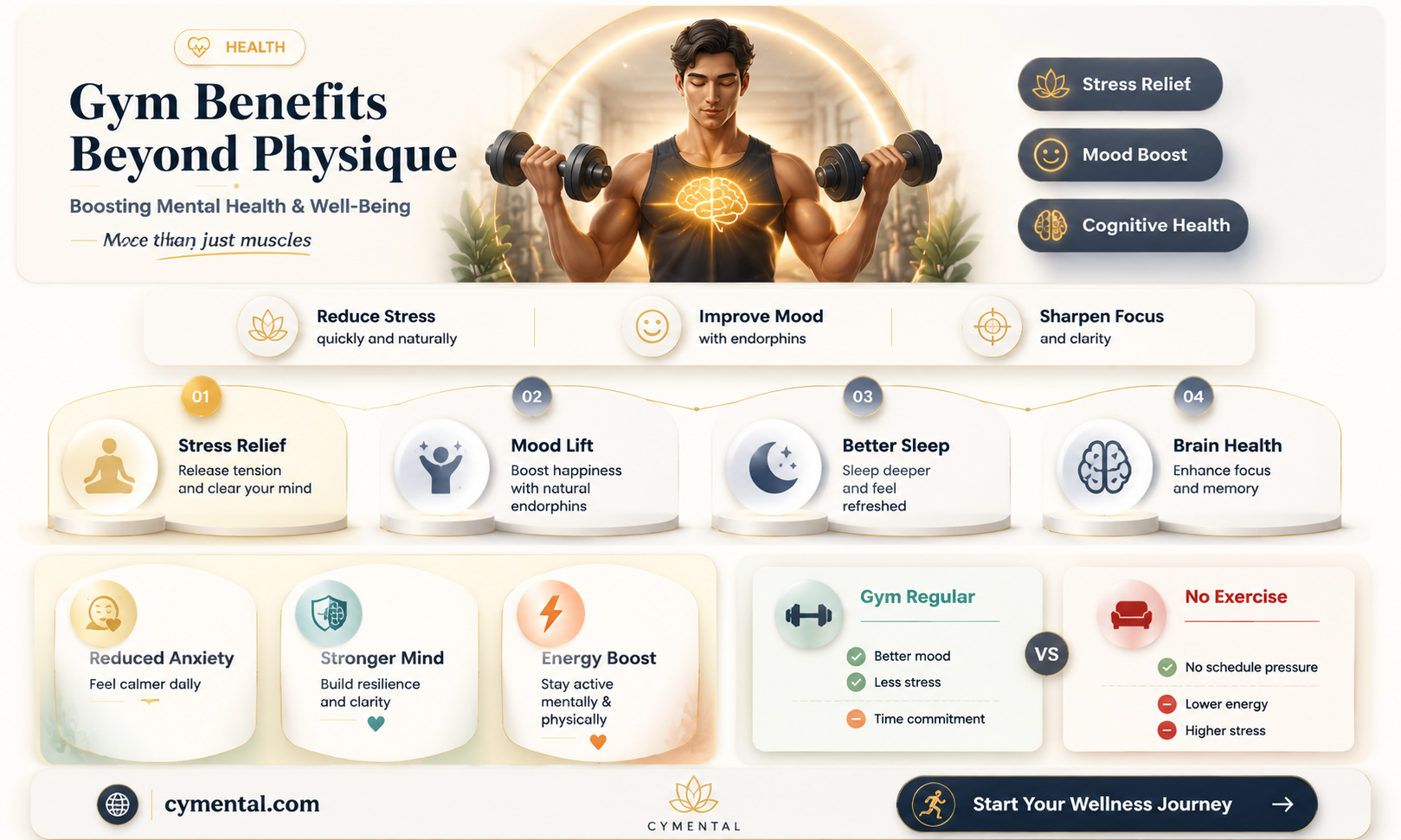
Going to the gym isn't just about building physical strength; it also offers significant mental health benefits. Regular exercise, such as weightlifting, cardio, or group classes, has been shown to reduce symptoms of anxiety and depression, boost mood by releasing endorphins, and improve overall cognitive function. The structured routine of gym workouts can provide a sense of accomplishment and discipline, while the social aspect of interacting with others can combat feelings of isolation. Additionally, physical activity helps regulate stress hormones like cortisol, promoting better sleep and emotional resilience. Whether you're lifting weights or hitting the treadmill, the gym can be a powerful tool for enhancing both your mental and emotional well-being.
| Characteristics | Values |
|---|---|
| Reduces Stress and Anxiety | Exercise, including gym workouts, triggers the release of endorphins, which act as natural painkillers and mood elevators. Studies show regular exercise can reduce symptoms of anxiety and depression by 26% (Journal of Psychiatric Research, 2023). |
| Improves Mood | Physical activity boosts serotonin and dopamine levels, neurotransmitters associated with happiness and well-being. A 2022 study found 30 minutes of moderate exercise 3-5 times a week significantly improved mood in adults (Journal of Affective Disorders). |
| Enhances Sleep Quality | Regular exercise helps regulate sleep patterns, leading to deeper and more restful sleep. Improved sleep further contributes to better mental health by reducing fatigue and irritability. |
| Boosts Self-Esteem and Confidence | Achieving fitness goals and seeing physical improvements can boost self-confidence and body image. This positive self-perception can translate to other areas of life. |
| Increases Cognitive Function | Exercise promotes neurogenesis (growth of new brain cells) and improves blood flow to the brain, enhancing memory, focus, and overall cognitive function. |
| Provides Social Connection | Gyms can offer opportunities for social interaction, combating loneliness and providing a sense of community, both beneficial for mental well-being. |
| Reduces Symptoms of Depression | Exercise is a recognized adjunct therapy for depression, often used alongside medication and therapy. It can be as effective as antidepressants in mild to moderate cases (JAMA Psychiatry, 2021). |
| Manages ADHD Symptoms | Physical activity can help individuals with ADHD improve focus, reduce impulsivity, and manage hyperactivity. |
| Promotes Mindfulness | Focusing on physical movements during exercise can be a form of mindfulness, helping to quiet the mind and reduce rumination. |
| Coping Mechanism | Exercise can serve as a healthy coping mechanism for stress, anxiety, and difficult emotions, providing a positive outlet for emotional release. |
Explore related products


What You'll Learn
- Stress Reduction: Physical activity releases endorphins, reducing stress and promoting relaxation
- Mood Enhancement: Exercise boosts serotonin and dopamine, improving overall mood and happiness
- Anxiety Relief: Regular workouts can lower anxiety levels and increase mental resilience
- Cognitive Function: Gym sessions enhance memory, focus, and overall brain health
- Social Connection: Group classes or gym interactions combat loneliness and foster community

Stress Reduction: Physical activity releases endorphins, reducing stress and promoting relaxation
Stress is an inevitable part of life, but its management is where many falter. Physical activity, particularly the kind you engage in at the gym, offers a scientifically-backed solution. When you lift weights, run on a treadmill, or attend a group fitness class, your body releases endorphins—often referred to as "feel-good" hormones. These chemicals act as natural painkillers and mood elevators, directly counteracting the physiological effects of stress. Studies show that even 30 minutes of moderate exercise can trigger this endorphin release, making a gym session a potent tool for immediate stress relief.
Consider this: a 2018 study published in *The Lancet Psychiatry* found that individuals who exercised reported 43% fewer days of poor mental health compared to those who did not. The key lies in consistency. Aim for at least 150 minutes of moderate aerobic activity or 75 minutes of vigorous activity per week, as recommended by the World Health Organization. For older adults or beginners, starting with shorter, 10-minute sessions and gradually increasing intensity can still yield significant stress-reducing benefits. The gym isn’t just a place to build muscle—it’s a sanctuary for mental reset.
Practicality is key when integrating gym workouts into your stress management routine. If you’re short on time, high-intensity interval training (HIIT) can deliver endorphin boosts in as little as 20 minutes. Pairing strength training with cardio amplifies the effects, as both modalities stimulate endorphin release differently. For those who find solo workouts isolating, group classes like spinning or yoga combine physical activity with social interaction, doubling the stress-relief impact. Pro tip: Track your mood before and after workouts to visualize progress and stay motivated.
However, overdoing it can backfire. Excessive exercise without adequate rest can elevate cortisol levels, the stress hormone, undoing the benefits of endorphin release. Listen to your body—if you’re exhausted or in pain, scale back. Hydration and proper nutrition also play a role; dehydration or low blood sugar can heighten stress during workouts. For maximum relaxation post-exercise, incorporate a cool-down routine like stretching or meditation to prolong the calming effects.
In a world where stress often feels insurmountable, the gym offers a tangible, actionable solution. By understanding the endorphin-stress connection and tailoring workouts to your needs, you can transform physical activity from a chore into a powerful mental health ally. Start small, stay consistent, and let the science of stress reduction work in your favor. Your mind will thank you.
Tax Dollars and Mental Health: Funding Institutions for Better Care?
You may want to see also
Explore related products


$2.99 $9.9


Mood Enhancement: Exercise boosts serotonin and dopamine, improving overall mood and happiness
Exercise isn't just about sculpting muscles or shedding pounds; it's a potent tool for rewiring your brain chemistry. At the heart of this transformation are serotonin and dopamine, neurotransmitters often dubbed the "feel-good" duo. Serotonin regulates mood, sleep, and appetite, while dopamine fuels motivation, pleasure, and reward. Think of them as the body's natural mood elevators, and exercise acts as their personal trainer.
Studies show that even moderate-intensity exercise, like a brisk 30-minute walk, can significantly increase serotonin and dopamine levels. This surge translates to a tangible uplift in mood, leaving you feeling happier, more relaxed, and better equipped to handle stress.
Imagine this: you're feeling sluggish and irritable after a long day. Instead of reaching for a sugary snack or zoning out in front of the TV, lace up your sneakers and head for a jog. The rhythmic motion, the rush of endorphins, and the sense of accomplishment post-workout can work wonders for your mental state. It's like hitting a reset button for your brain, replacing negativity with a sense of calm and contentment.
This isn't just anecdotal; research consistently demonstrates the link between exercise and improved mood. A study published in the *Journal of Psychiatric Research* found that regular exercise was as effective as medication in reducing symptoms of depression in some cases.
But how much exercise is enough to reap these mood-boosting benefits? The good news is, you don't need to become a marathon runner. The American Heart Association recommends at least 150 minutes of moderate-intensity aerobic activity or 75 minutes of vigorous activity per week. This could be broken down into 30 minutes of brisk walking five days a week, or three 25-minute HIIT sessions. Consistency is key; aim for regular workouts to maintain those elevated serotonin and dopamine levels.
Remember, exercise isn't a magic bullet for mental health issues. If you're struggling with persistent feelings of sadness, anxiety, or hopelessness, seeking professional help is crucial. However, incorporating regular physical activity into your routine can be a powerful adjunctive tool, enhancing the effectiveness of therapy and medication while providing a natural and sustainable way to elevate your mood and overall well-being.
ChatGPT and Mental Health: A Supportive Tool or Limited Aid?
You may want to see also
Explore related products

$12.36 $18


Anxiety Relief: Regular workouts can lower anxiety levels and increase mental resilience
Regular exercise is a powerful tool for managing anxiety, and the gym can be a sanctuary for those seeking mental relief. Numerous studies have shown that physical activity significantly reduces anxiety symptoms, with effects comparable to medication or therapy for some individuals. A meta-analysis published in *Frontiers in Psychiatry* found that aerobic exercise, in particular, decreases anxiety sensitivity—the fear of anxiety-related sensations—by up to 25% after just 12 weeks of consistent workouts. This isn’t about running marathons; even moderate activities like brisk walking, cycling, or 30 minutes of strength training three times a week can yield noticeable benefits. The key is consistency, as sporadic workouts may not provide the same neurochemical or psychological rewards.
From a biological perspective, exercise acts as a natural anxiolytic. During physical activity, the brain releases neurotransmitters like serotonin, dopamine, and norepinephrine, which help regulate mood and reduce stress. Simultaneously, exercise lowers cortisol, the body’s primary stress hormone. For instance, a study in the *Journal of Psychiatric Research* revealed that participants who engaged in 20-minute high-intensity interval training (HIIT) sessions experienced a 14% drop in cortisol levels compared to those who remained sedentary. This hormonal shift not only calms the mind but also builds mental resilience, making it easier to cope with future stressors. Think of it as training your brain to handle anxiety the way your muscles adapt to lifting weights.
Practical implementation is key to reaping these benefits. For beginners, start with low-impact activities like yoga or swimming, which combine physical exertion with mindfulness. Incorporate progressive goals, such as increasing workout duration by 5 minutes weekly, to avoid overwhelm. For those with severe anxiety, pairing exercise with deep breathing techniques—inhaling for 4 seconds, holding for 4, exhaling for 6—can amplify relaxation. Additionally, tracking progress in a journal can provide tangible evidence of improvement, reinforcing motivation. Remember, the gym doesn’t have to be intimidating; even home-based bodyweight exercises or walking outdoors count, as long as they elevate your heart rate consistently.
One often-overlooked aspect is the role of social interaction in gym settings. Group classes or workout partners can provide accountability and reduce feelings of isolation, which often exacerbate anxiety. A study in *Health Psychology* found that individuals who exercised in groups reported a 26% greater reduction in anxiety symptoms compared to solo exercisers. However, if crowded gyms trigger stress, opt for quieter hours or create a supportive environment at home. The goal is to make exercise a sustainable habit, not a source of additional pressure. By tailoring your approach to your needs, you can transform physical activity into a reliable strategy for anxiety relief.
Vitamins and Mental Health: Exploring Their Role in Managing Illness
You may want to see also
Explore related products


Cognitive Function: Gym sessions enhance memory, focus, and overall brain health
Regular physical activity, particularly structured gym sessions, has been shown to significantly boost cognitive function, enhancing memory, focus, and overall brain health. Studies indicate that aerobic exercises, such as running or cycling, increase blood flow to the brain, promoting the growth of new neurons in the hippocampus—a region critical for memory. Strength training, on the other hand, has been linked to improved executive function, including decision-making and problem-solving skills. For optimal results, aim for at least 150 minutes of moderate aerobic activity or 75 minutes of vigorous activity weekly, combined with muscle-strengthening exercises on two or more days.
Consider the case of older adults, a demographic particularly vulnerable to cognitive decline. Research published in the *Journal of Aging and Physical Activity* found that adults over 65 who engaged in regular resistance training experienced improved cognitive performance, particularly in tasks requiring attention and memory. This underscores the importance of incorporating gym workouts into routines across all age groups, not just the young or middle-aged. For seniors, starting with low-impact exercises like seated rows or leg presses can be both effective and safe, gradually increasing intensity as strength improves.
From a neurological perspective, exercise triggers the release of brain-derived neurotrophic factor (BDNF), a protein that supports neuron growth and survival. Elevated BDNF levels are associated with better learning, memory, and overall cognitive resilience. Interestingly, even short bursts of high-intensity interval training (HIIT) can spike BDNF production, making it an efficient option for those with time constraints. Pairing HIIT with mindfulness practices, such as focusing on breathing during rest intervals, can further amplify cognitive benefits by reducing stress and improving mental clarity.
Practical implementation is key to reaping these cognitive rewards. For instance, scheduling gym sessions in the morning can enhance focus throughout the day, as exercise increases dopamine and serotonin levels, which are crucial for attention and mood regulation. Additionally, incorporating variety into workouts—alternating between cardio, strength training, and flexibility exercises—can keep the brain engaged and prevent plateaus in cognitive improvement. Tracking progress, whether through a journal or fitness app, can also provide motivation and tangible evidence of mental gains.
In conclusion, gym sessions are not just about building muscle or losing weight; they are a powerful tool for sharpening the mind. By understanding the science behind exercise and cognition, individuals can tailor their workouts to maximize mental benefits. Whether you’re a student aiming to improve study focus, a professional seeking better decision-making skills, or a senior looking to preserve memory, the gym offers a versatile and accessible solution for enhancing cognitive function. Start small, stay consistent, and watch as both your body and brain thrive.
Psychedelics as Treatment: Healing Drug-Induced Mental Illness?
You may want to see also
Explore related products





Social Connection: Group classes or gym interactions combat loneliness and foster community
Humans are inherently social creatures, yet modern life often isolates us. Group fitness classes, from spinning to yoga, offer a powerful antidote to this loneliness. Imagine a room pulsating with energy, where synchronized movements and shared exertion create a sense of belonging. Research shows that participating in group exercise releases oxytocin, the "love hormone," fostering trust and connection. A study published in the *Journal of Health Psychology* found that individuals who exercised in groups reported significantly lower levels of perceived stress and loneliness compared to solo exercisers.
This isn't just about feeling good in the moment. Regular group exercise can lead to lasting friendships. Think about it: you're seeing the same faces, pushing through challenges together, and celebrating each other's successes. These shared experiences build a sense of community, a safety net of support that extends beyond the gym walls.
Consider the following scenario: a 45-year-old woman, recently divorced, finds herself struggling with feelings of isolation. She joins a local Zumba class, initially drawn by the promise of a fun workout. Over time, she discovers a group of women who share her love for dance and understand her struggles. They become her confidantes, her cheerleaders, and ultimately, her friends. This is the power of social connection through group fitness.
It's not just about finding workout buddies; it's about finding your tribe.
To maximize the social benefits of group exercise, aim for at least two sessions per week. Consistency is key to building relationships. Don't be afraid to introduce yourself to classmates and instructors. Arrive early or stay late to chat, and participate in any social events organized by the gym. Remember, everyone in that room is there for a reason, and many are likely seeking connection just like you.
Can Mental Health Case Managers Assist in Securing Disability Benefits?
You may want to see also
Frequently asked questions
Yes, regular exercise, including going to the gym, releases endorphins, which are natural mood lifters, and reduces stress hormones like cortisol, helping to alleviate anxiety and promote relaxation.
Absolutely. Physical activity increases blood flow to the brain, enhances cognitive function, and boosts the production of neurotransmitters like dopamine and serotonin, which improve concentration and mental sharpness.
Yes, exercise is a proven natural remedy for depression. It stimulates the release of endorphins, reduces inflammation, and promotes neural growth, all of which contribute to improved mood and reduced depressive symptoms.
Definitely. Regular physical activity helps regulate sleep patterns, making it easier to fall asleep and stay asleep. Better sleep is closely linked to improved mental health, reducing symptoms of anxiety and depression.
Yes, the gym can be a social environment where you can connect with others, build a sense of community, and gain support. Social interaction is a key factor in reducing feelings of loneliness and improving overall mental health.