Ava Ramirez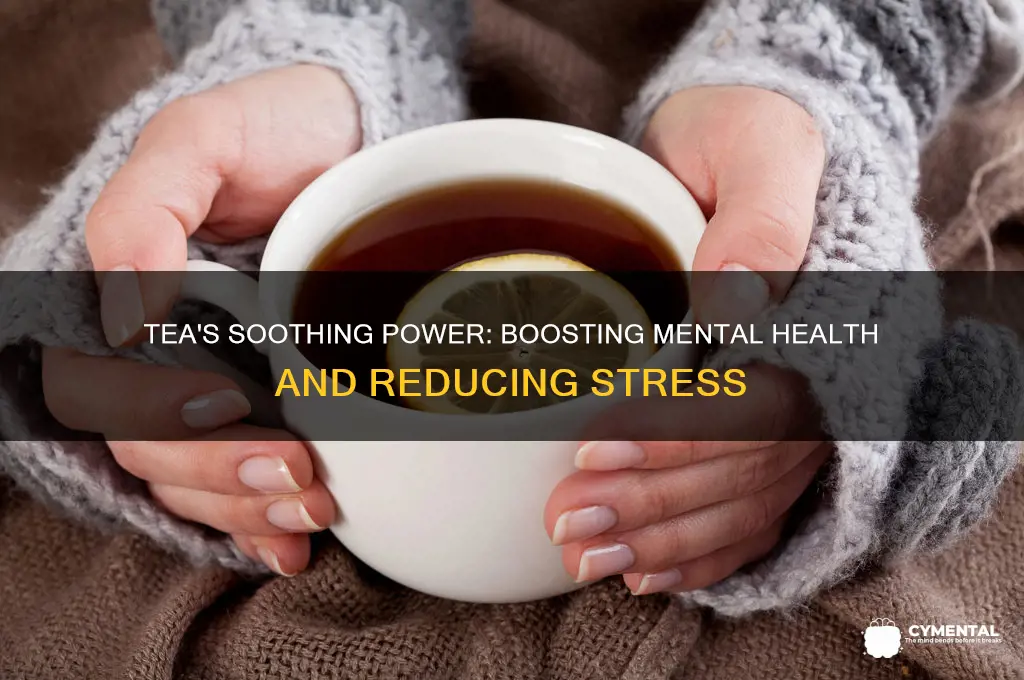
Tea, a beloved beverage enjoyed worldwide, offers more than just a comforting ritual; it plays a significant role in supporting mental health. Rich in antioxidants and compounds like L-theanine, tea promotes relaxation and reduces stress by increasing alpha wave activity in the brain, which induces a calm, alert state. Certain teas, such as green tea, contain caffeine in moderation, providing a gentle energy boost without the jittery side effects of coffee. Herbal teas like chamomile and lavender are known for their soothing properties, aiding in anxiety reduction and better sleep. Additionally, the act of brewing and sipping tea can be a mindful practice, encouraging moments of pause and self-care in a fast-paced world. By combining physiological benefits with the therapeutic nature of the ritual, tea becomes a simple yet powerful tool for nurturing mental well-being.
| Characteristics | Values |
|---|---|
| Stress Reduction | Tea, especially green tea, contains L-theanine, an amino acid that promotes relaxation and reduces stress by increasing alpha wave activity in the brain. |
| Anxiety Relief | L-theanine in tea helps reduce symptoms of anxiety by modulating neurotransmitters like GABA, serotonin, and dopamine, promoting a sense of calm. |
| Improved Mood | The combination of L-theanine and caffeine in tea can enhance mood, increase alertness, and improve overall cognitive function without the jittery effects of coffee. |
| Cognitive Enhancement | Regular tea consumption, particularly green and black tea, is linked to improved memory, attention, and problem-solving skills due to antioxidants like catechins and flavonoids. |
| Depression Management | Some studies suggest that the polyphenols in tea may have antidepressant effects by reducing inflammation and oxidative stress in the brain. |
| Sleep Quality | Herbal teas like chamomile and lavender contain apigenin, a compound that binds to GABA receptors, promoting relaxation and better sleep. |
| Mindfulness Practice | The ritual of preparing and sipping tea can encourage mindfulness, helping individuals stay present and reduce mental clutter. |
| Hydration | Staying hydrated with tea supports overall brain function, as dehydration can negatively impact mood, concentration, and cognitive performance. |
| Social Connection | Sharing tea with others can foster social bonding and reduce feelings of loneliness, positively impacting mental well-being. |
| Antioxidant Protection | Tea is rich in antioxidants that protect the brain from oxidative stress, potentially lowering the risk of neurodegenerative diseases like Alzheimer's. |
Explore related products



What You'll Learn
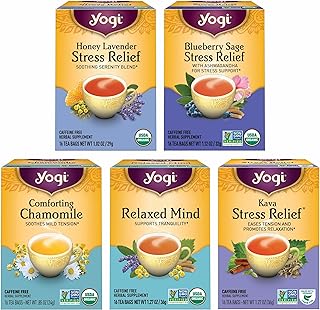
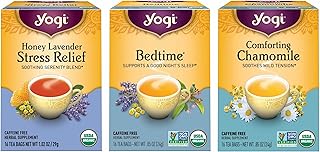
- Reduces Stress: Tea contains L-theanine, promoting relaxation and lowering cortisol levels, easing anxiety
- Boosts Mood: Amino acids in tea increase dopamine and serotonin, enhancing overall well-being
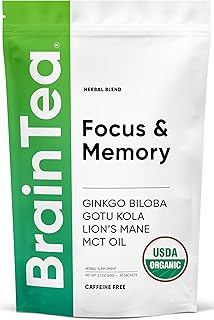
- Improves Focus: Caffeine and L-theanine combination in tea enhance concentration and mental clarity
- Alleviates Depression: Regular tea consumption may reduce symptoms of depression by calming the mind
- Encourages Mindfulness: The ritual of brewing and sipping tea fosters mindfulness and presence

Reduces Stress: Tea contains L-theanine, promoting relaxation and lowering cortisol levels, easing anxiety
Tea, particularly varieties like green, black, and oolong, contains an amino acid called L-theanine, which acts as a natural stress reliever. When consumed, L-theanine crosses the blood-brain barrier and increases alpha wave activity in the brain, promoting a state of calm alertness. This process contrasts with the effects of caffeine, which can sometimes heighten anxiety. For instance, a cup of green tea typically contains 20–30 mg of L-theanine, enough to induce relaxation without drowsiness. Incorporating tea into your daily routine, especially during high-stress periods, can serve as a simple yet effective tool to manage tension.
To maximize the stress-reducing benefits of tea, consider timing and preparation. Drinking tea in the morning or early afternoon allows you to harness its calming effects without interfering with sleep. Avoid adding excessive sugar, as it can counteract the natural benefits. Instead, opt for a slice of lemon or a drizzle of honey to enhance flavor. For those seeking a more concentrated dose of L-theanine, matcha green tea is an excellent choice, as it contains the entire tea leaf, providing up to 40 mg of L-theanine per serving. Pairing tea with mindfulness practices, such as deep breathing or meditation, can amplify its stress-relieving properties.
Comparing tea to other stress-relief methods highlights its accessibility and versatility. Unlike prescription medications or supplements, tea is a natural, affordable option with minimal side effects. It also offers a sensory experience—the warmth of the cup, the aroma of the brew, and the ritual of preparation—that engages multiple senses, further enhancing relaxation. Studies have shown that individuals who incorporate tea into their daily habits report lower cortisol levels, the hormone associated with stress, compared to non-tea drinkers. This makes tea a practical choice for anyone looking to manage anxiety without significant lifestyle changes.
For optimal results, aim to consume 2–3 cups of tea daily, spaced throughout the day to maintain consistent L-theanine levels. Herbal teas like chamomile or lavender can complement traditional teas, as they contain additional compounds that promote relaxation. However, be mindful of caffeine content, especially in black and green teas, as excessive intake can negate the calming effects. Pregnant or nursing individuals should consult a healthcare provider before increasing tea consumption. By integrating tea strategically into your routine, you can harness its stress-reducing properties to foster a calmer, more balanced mental state.
Viome and Mental Health: Can Gut Testing Improve Your Well-Being?
You may want to see also
Explore related products




Boosts Mood: Amino acids in tea increase dopamine and serotonin, enhancing overall well-being
Tea, a beverage steeped in tradition, offers more than just a comforting ritual—it’s a natural mood enhancer. At the heart of this benefit are amino acids like L-theanine, found abundantly in green, black, and white teas. L-theanine works by crossing the blood-brain barrier and increasing dopamine and serotonin levels, neurotransmitters crucial for regulating mood, pleasure, and overall well-being. A single cup of tea contains approximately 20–30 mg of L-theanine, with studies suggesting that consuming 2–3 cups daily can provide noticeable mood-boosting effects. This makes tea a simple yet effective addition to your daily routine for emotional balance.
Consider the science behind this phenomenon. Dopamine and serotonin are often referred to as the "feel-good" chemicals, and their deficiency is linked to mood disorders like depression and anxiety. L-theanine not only elevates these neurotransmitters but also promotes alpha wave activity in the brain, inducing a state of calm alertness. Unlike caffeine, which can cause jitters, L-theanine works synergistically with tea’s natural caffeine content to provide sustained energy without the crash. For optimal results, pair your tea consumption with mindfulness practices, such as sipping slowly and focusing on the sensory experience, to amplify its mood-enhancing effects.
Practicality is key when incorporating tea into your mental health regimen. For adults, starting with 2 cups of green tea daily is a good baseline, as it contains higher L-theanine levels compared to black tea. If you’re sensitive to caffeine, opt for decaffeinated versions or herbal teas like chamomile, which also support relaxation. For teens and older adults, moderation is essential—stick to 1–2 cups daily to avoid potential side effects like insomnia. Pairing tea with a balanced diet rich in omega-3 fatty acids and vitamin D can further enhance its mood-boosting properties, creating a holistic approach to mental well-being.
A comparative analysis reveals tea’s edge over other mood-enhancing beverages. While coffee provides a quick energy spike, its high caffeine content can lead to anxiety and restlessness. Herbal supplements, though effective, often lack the ritualistic and sensory benefits of tea. Tea’s unique combination of L-theanine, moderate caffeine, and antioxidants offers a balanced solution for mood enhancement. For instance, a study published in the *Journal of Clinical Psychiatry* found that participants who consumed L-theanine-rich tea reported reduced stress levels and improved mood compared to those who did not. This underscores tea’s role as a natural, accessible tool for mental health support.
Incorporating tea into your routine doesn’t require drastic changes—small, consistent steps yield the best results. Start by replacing one daily beverage with a cup of tea, gradually increasing to 2–3 cups as tolerated. Experiment with different varieties to find what suits your taste and needs. For added benefits, combine tea with activities like journaling or meditation to create a calming ritual. Remember, while tea is a powerful ally for mood enhancement, it’s not a substitute for professional mental health care. Use it as a complementary practice to support your overall well-being.
Animals as Healers: Their Role in Improving Mental Health
You may want to see also
Explore related products

$13.75 $15


Improves Focus: Caffeine and L-theanine combination in tea enhance concentration and mental clarity
Tea, particularly varieties like green and black tea, contains a unique combination of caffeine and L-theanine that synergistically enhances focus and mental clarity. Caffeine, a well-known stimulant, increases alertness by blocking adenosine receptors in the brain, while L-theanine, an amino acid, promotes relaxation without drowsiness by boosting alpha wave activity. Together, they create a state of calm, sustained attention—ideal for tasks requiring prolonged concentration. For instance, a study published in *Nutritional Neuroscience* found that participants who consumed a combination of 40 mg of caffeine and 97 mg of L-theanine experienced improved performance on attention-switching tasks compared to those who took caffeine alone.
To harness this benefit, consider the timing and dosage of your tea consumption. A cup of green tea typically contains 20–45 mg of caffeine and 20–30 mg of L-theanine, making it an optimal choice for mid-morning or early afternoon when focus tends to wane. For those sensitive to caffeine, matcha green tea offers a higher L-theanine content, providing a smoother, jitter-free boost. Pairing tea with a light snack containing healthy fats, like nuts or avocado, can further stabilize energy levels and prolong the focus-enhancing effects. Avoid adding sugar, as it can lead to energy crashes that counteract the benefits.
Comparatively, coffee, which contains caffeine without L-theanine, often results in a sharper spike in alertness followed by a crash. Tea’s balanced approach makes it a superior choice for sustained mental clarity, especially for students, professionals, or anyone engaged in mentally demanding activities. For older adults, moderate tea consumption may also support cognitive function, as L-theanine has been linked to improved working memory in studies involving participants over 65. However, individual tolerance varies, so start with one cup daily and adjust based on your response.
Practical tips for maximizing tea’s focus-enhancing properties include brewing tea for 3–5 minutes to extract optimal L-theanine and caffeine levels. Opt for loose-leaf tea over tea bags for higher quality and potency. If you’re preparing for a high-stakes task, such as an exam or presentation, consume your tea 30–45 minutes beforehand to allow the compounds to take effect. For those who prefer variety, black tea or oolong tea can be excellent alternatives, though their caffeine content is slightly higher, typically ranging from 40–70 mg per cup. Always listen to your body—if you experience restlessness or insomnia, reduce your intake or switch to herbal teas with L-theanine, like certain blends containing green tea extract.
Incorporating tea into your routine isn’t just about drinking a beverage; it’s a strategic choice to optimize mental performance. By understanding the science behind caffeine and L-theanine, you can tailor your tea consumption to meet specific focus needs. Whether you’re tackling a workday, studying for an exam, or simply seeking mental clarity, tea offers a natural, effective solution. Start small, experiment with different types, and make tea a mindful part of your daily ritual for enhanced concentration and productivity.
Empowering Recovery: How Human Service Professionals Support Mental Health
You may want to see also
Explore related products


Alleviates Depression: Regular tea consumption may reduce symptoms of depression by calming the mind
Tea, particularly varieties rich in L-theanine like green, black, and oolong, has been shown to promote alpha wave activity in the brain, inducing a state of calm alertness. This biochemical process directly counters the hyperarousal often associated with depression, offering a natural way to soothe the mind without sedation. For individuals experiencing mild to moderate depressive symptoms, incorporating 2–3 cups of these teas daily may provide a gentle, consistent support system. Pairing this habit with mindful practices, such as savoring the aroma and warmth of the tea, can amplify its calming effects, creating a ritual that anchors moments of tranquility in a chaotic day.
Consider the case of a 35-year-old professional who replaced their afternoon coffee with a cup of green tea. Over six weeks, they reported reduced feelings of overwhelm and improved mood stability, attributing the change to the tea’s ability to smooth out emotional peaks and valleys. This anecdotal evidence aligns with studies suggesting that L-theanine, found in tea, modulates neurotransmitters like serotonin and dopamine, which play critical roles in mood regulation. While not a replacement for therapy or medication, this simple dietary adjustment can serve as a complementary tool in managing depression, particularly for those seeking non-pharmacological interventions.
However, it’s essential to approach tea as part of a holistic strategy rather than a standalone solution. For instance, combining tea consumption with regular physical activity, adequate sleep, and social connection can enhance its mental health benefits. Avoid excessive intake, as more than 4–5 cups daily may lead to caffeine-related anxiety or disrupted sleep, potentially exacerbating depressive symptoms. Herbal teas like chamomile or lavender, which are caffeine-free, can be excellent evening alternatives to maintain the calming routine without interfering with rest.
For those new to tea, start with small steps: experiment with different varieties to find one that resonates with your taste and needs. Incorporate tea into a daily routine, such as during a morning pause or as a midday reset. Track your mood over time to observe subtle shifts, as the effects of tea are often cumulative rather than immediate. Remember, while tea can be a powerful ally in alleviating depression, it works best when integrated into a broader self-care framework tailored to individual needs and preferences.
Exercise and Mental Health: Boosting Mood, Reducing Stress, and Enhancing Well-being
You may want to see also
Explore related products



Encourages Mindfulness: The ritual of brewing and sipping tea fosters mindfulness and presence
The simple act of preparing and drinking tea can be a powerful tool for cultivating mindfulness, offering a moment of calm and presence in our often chaotic lives. This ancient practice, rooted in various cultures, provides a sensory experience that grounds us in the here and now.
A Mindful Ritual:
Imagine the process: you carefully select your tea leaves or bags, perhaps opting for a soothing chamomile or an invigorating green tea. The act of boiling water becomes a meditation in itself, as you focus on the task at hand. As the water heats, you're drawn to the present, anticipating the aroma and flavor to come. This ritualistic preparation is a form of mindfulness practice, encouraging you to slow down and engage your senses.
Engaging the Senses:
Brewing tea is a multi-sensory experience. The sound of water pouring, the sight of steam rising, and the aroma filling the air all contribute to a mindful moment. As you inhale the fragrant steam, you're not just preparing a beverage; you're creating a sensory journey. This engagement of the senses is a powerful way to anchor yourself in the present, a core principle of mindfulness. For instance, research suggests that the act of smelling and tasting tea can stimulate the brain's reward system, promoting a sense of pleasure and relaxation.
Sipping Mindfully:
Now, take that first sip. Feel the warmth of the cup in your hands, notice the flavors dancing on your palate, and observe the subtle changes in taste as the tea cools. Mindful tea drinking is about savoring each moment, each sip. It's a practice in being present, where the focus is on the sensory experience rather than rushing through a task. This mindful approach to tea can be particularly beneficial for those seeking stress relief. A study published in the *Journal of Psychopharmacology* found that participants who engaged in a tea-drinking ritual reported lower stress levels and improved mood.
Practical Tips for Tea Mindfulness:
- Create a Tea Ceremony: Dedicate a few minutes each day to a personal tea ceremony. Choose a quiet space, select your tea mindfully, and focus on the process.
- Varietea is Key: Experiment with different types of tea to keep the experience engaging. From herbal infusions to oolong and pu-erh, each offers a unique sensory journey.
- Time it Right: Aim for a 5-10 minute tea break, especially during stressful periods. This short pause can provide a much-needed mental reset.
- Combine with Meditation: After brewing, take a moment to meditate on the aroma before sipping. This enhances the mindfulness practice, allowing you to fully appreciate the tea's qualities.
Incorporating tea into your daily routine as a mindfulness practice can be a simple yet effective way to improve your mental well-being. It's a reminder that sometimes, the most powerful tools for self-care are the simplest ones. So, the next time you brew a cup, remember, it's not just tea—it's a mindful experience waiting to unfold.
Healing Hooves: Building Trust Through Equine Therapy for Mental Health
You may want to see also
Frequently asked questions
Tea, particularly varieties like green tea, chamomile, and lavender, contains compounds such as L-theanine, an amino acid that promotes relaxation and reduces stress by increasing alpha wave activity in the brain, leading to a calm and focused state.
Yes, certain teas like green tea and matcha are rich in antioxidants and L-theanine, which can boost serotonin and dopamine levels in the brain, enhancing mood and potentially alleviating symptoms of depression.
Absolutely. Teas like green tea and black tea contain caffeine and L-theanine, which work together to improve attention, memory, and overall cognitive performance without the jittery side effects of high-caffeine beverages.
Herbal teas like chamomile and valerian root have natural sedative properties that promote relaxation and improve sleep quality. Better sleep is crucial for mental health, as poor sleep is linked to increased anxiety, depression, and cognitive impairment.
Yes, teas like matcha (used in traditional tea ceremonies) and herbal blends like rooibos or lemon balm are often incorporated into mindfulness routines. The act of preparing and sipping tea can be meditative, fostering relaxation and mental clarity.