Ava Ramirez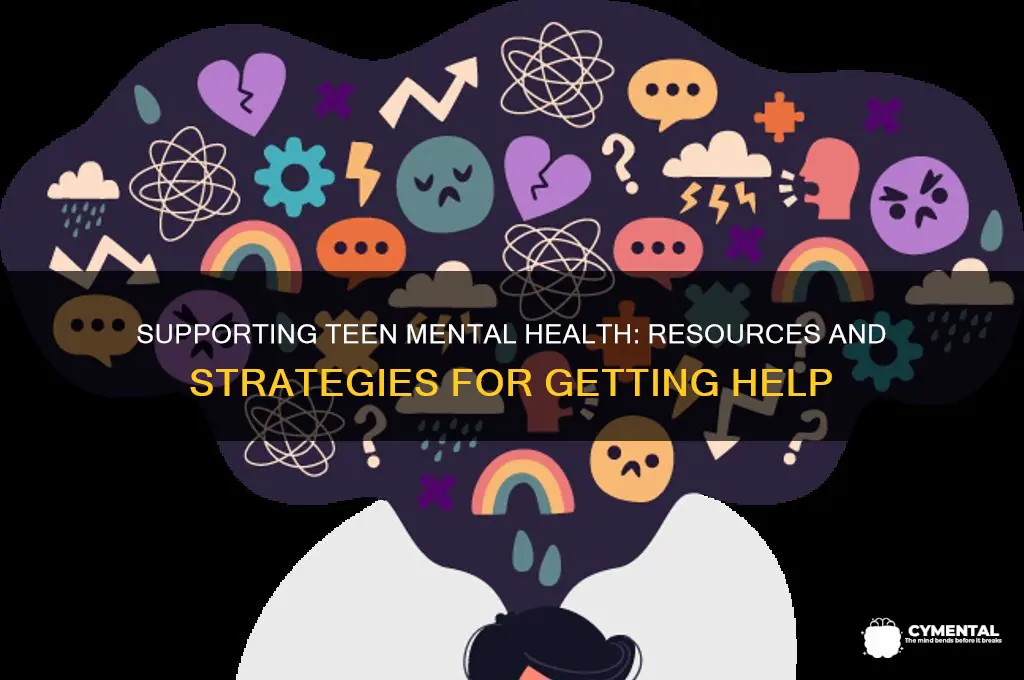
Navigating the challenges of adolescence can be overwhelming, and many teens struggle with mental health issues such as anxiety, depression, or stress. Recognizing the importance of seeking help is the first step toward healing and growth. Fortunately, there are numerous resources available, including school counselors, mental health professionals, and support hotlines, designed specifically to assist teens. Additionally, peer support groups, online therapy platforms, and trusted adults like parents or teachers can provide valuable guidance. Encouraging open conversations about mental health and reducing stigma are crucial in ensuring teens feel safe and supported as they take steps to prioritize their well-being.
Explore related products

$7.97 $18.99




What You'll Learn
- Recognizing Warning Signs: Learn common mental health red flags in teens to seek timely support
- Finding a Therapist: Tips for locating qualified mental health professionals tailored to teen needs
- School Resources: Utilizing counselors, support groups, and wellness programs available in educational settings
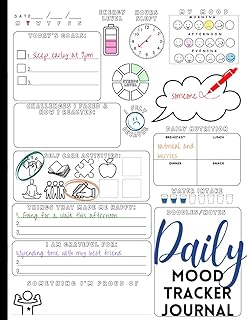
- Online Support Tools: Accessing apps, hotlines, and virtual therapy platforms for immediate assistance
- Talking to Parents: Strategies for teens to communicate mental health struggles effectively with caregivers

Recognizing Warning Signs: Learn common mental health red flags in teens to seek timely support
Teens experiencing mental health struggles often exhibit subtle yet significant changes in behavior, mood, and daily functioning. Recognizing these red flags early can be the difference between timely intervention and a deepening crisis. Common warning signs include persistent sadness or irritability lasting more than two weeks, sudden changes in academic performance, or withdrawal from social activities they once enjoyed. Physical symptoms like unexplained headaches, stomachaches, or changes in sleep patterns can also signal underlying emotional distress. Parents, educators, and peers should remain vigilant, as teens may not always articulate their struggles openly.
Analyzing these signs requires a nuanced approach, as some behaviors may overlap with typical adolescent development. For instance, mood swings are common during puberty, but when they interfere with relationships or schoolwork, it’s a cause for concern. Similarly, while teens often seek more privacy, complete isolation or refusal to engage with family and friends may indicate deeper issues. Tracking the frequency, intensity, and duration of these behaviors provides a clearer picture. For example, occasional sleeplessness is normal, but consistent insomnia paired with fatigue warrants attention.
To effectively support teens, caregivers should adopt a proactive yet non-confrontational stance. Start by initiating open conversations, using phrases like, “I’ve noticed you seem more tired lately—is everything okay?” rather than accusatory questions. Encourage professional help by normalizing therapy or counseling, emphasizing it as a tool for self-improvement rather than a sign of weakness. Practical steps include researching local mental health resources, such as school counselors, telehealth platforms, or community organizations like the National Alliance on Mental Illness (NAMI), which offer age-appropriate support.
Comparing the effectiveness of early intervention versus delayed action highlights the urgency of recognizing warning signs. Studies show that teens who receive mental health support within the first six months of symptom onset have significantly better outcomes than those who wait. For example, untreated anxiety can evolve into chronic conditions like generalized anxiety disorder, while early therapy or medication can mitigate its impact. Similarly, addressing suicidal ideation immediately through crisis hotlines (e.g., the 988 Suicide & Crisis Lifeline) can be life-saving.
In conclusion, recognizing mental health red flags in teens demands attentiveness, empathy, and action. By understanding specific behaviors, differentiating them from typical adolescent changes, and responding with appropriate resources, caregivers can play a pivotal role in a teen’s recovery. Timely support not only alleviates immediate suffering but also equips teens with coping strategies for long-term resilience. The goal is not to diagnose but to create a safe space for teens to seek help without fear of judgment or stigma.
Sleep's Mental Health Benefits: Boost Mood, Focus, and Resilience Naturally
You may want to see also
Explore related products

$13.48 $15.97

$9.59 $16.99


Finding a Therapist: Tips for locating qualified mental health professionals tailored to teen needs
Teens often struggle to find therapists who truly "get" them—someone who understands their unique challenges, from academic pressure to social media stress. The first step is recognizing that not all mental health professionals are created equal. A therapist who specializes in teen issues can make a world of difference, offering strategies tailored to adolescent brains and lifestyles. But how do you locate one? Start by asking the right questions and knowing where to look.
Step 1: Identify Your Needs and Preferences. Before diving into a search, reflect on what matters most. Do you prefer a therapist who focuses on anxiety, depression, or trauma? Would you feel more comfortable with someone of a specific gender or cultural background? Some therapists use creative methods like art or music therapy, which can be particularly engaging for teens. Write down your priorities—this will narrow your search and ensure you find someone aligned with your goals.
Step 2: Leverage Trusted Resources. School counselors, pediatricians, and local mental health organizations are goldmines for referrals. Websites like Psychology Today and GoodTherapy allow you to filter by specialty, age group, and location. Insurance providers often have directories of covered professionals, though don’t let this limit you—some therapists offer sliding-scale fees for uninsured clients. Peer recommendations can also be valuable; ask friends or family members who’ve had positive therapy experiences.
Step 3: Vet Credentials and Expertise. Not all therapists are licensed equally. Look for credentials like Licensed Clinical Social Worker (LCSW), Licensed Professional Counselor (LPC), or Psychologist (PhD/PsyD). Verify their license through your state’s board to ensure they’re in good standing. A therapist’s bio should highlight experience with teens—if it’s vague or absent, move on. Don’t hesitate to ask about their training, approach, and success stories during an initial consultation.
Caution: Red Flags to Watch For. Avoid therapists who dismiss your concerns, pressure you into uncomfortable topics, or lack clear boundaries. If they’re unresponsive or fail to return calls, it’s a sign of unprofessionalism. Trust your instincts—if something feels off, it probably is. Similarly, be wary of overly generic advice or a one-size-fits-all approach; effective therapy should feel personalized.
Collagen and Mental Health: Unraveling the Mind-Body Connection
You may want to see also
Explore related products





School Resources: Utilizing counselors, support groups, and wellness programs available in educational settings
Schools often serve as a central hub for teen mental health support, offering resources that are both accessible and tailored to students’ needs. One of the most immediate and effective resources is the school counselor. These professionals are trained to address a range of issues, from academic stress to more severe mental health concerns. Teens can schedule one-on-one sessions to discuss personal challenges, develop coping strategies, or simply gain perspective on their emotions. For instance, a counselor might help a student manage test anxiety through mindfulness techniques or refer them to external specialists if the issue requires more intensive care. The key is to normalize these conversations—counselors are not just for “serious problems” but for any situation where a teen feels overwhelmed or uncertain.
Beyond individual counseling, support groups within schools provide a sense of community and shared experience. These groups often focus on specific themes, such as grief, anxiety, or LGBTQ+ identity, allowing teens to connect with peers facing similar struggles. For example, a grief support group might meet weekly during lunch periods, offering a safe space to express emotions and learn from others’ coping mechanisms. Participation in these groups can reduce feelings of isolation and foster resilience. Schools may also partner with local mental health organizations to facilitate these sessions, ensuring they are led by qualified professionals. Teens should check their school’s website or bulletin boards for group schedules or speak directly with a counselor to join.
Wellness programs in schools take a proactive approach to mental health, teaching skills that prevent issues before they escalate. These programs often include workshops on stress management, emotional regulation, and healthy habits like sleep hygiene and nutrition. For instance, a mindfulness program might incorporate 10-minute guided meditations into homeroom periods twice a week, helping students build a daily practice. Some schools even integrate physical activities, like yoga or team sports, into their wellness initiatives to highlight the mind-body connection. Teens can maximize these programs by attending consistently and applying the skills learned in their daily lives. Parents and guardians can also reinforce these practices at home, creating a supportive environment.
While school resources are invaluable, teens should be aware of potential limitations. Counselors may have high caseloads, limiting the frequency of sessions, and support groups might not align with every student’s schedule or comfort level. Additionally, wellness programs vary widely in scope and quality depending on the school’s funding and priorities. To navigate these challenges, teens should advocate for themselves by communicating their needs clearly and exploring supplementary resources, such as online therapy platforms or community workshops. Schools are a starting point, not the only solution, and teens should feel empowered to seek help wherever they find it most effective.
Seeking Support: Mental Health Treatment Access and Utilization Trends
You may want to see also
Explore related products



Online Support Tools: Accessing apps, hotlines, and virtual therapy platforms for immediate assistance
Teens today have unprecedented access to digital tools that can provide immediate mental health support. From apps designed to track moods and teach coping skills, to hotlines offering real-time crisis intervention, these resources are just a tap or call away. Virtual therapy platforms further bridge the gap, connecting teens with licensed professionals from the comfort of their own space. This accessibility is particularly crucial for those who may face barriers like stigma, transportation, or lack of local resources.
Consider apps like Calm or Headspace, which offer guided meditations, sleep stories, and mindfulness exercises tailored for young users. These tools can help teens manage stress, anxiety, and insomnia, often with just 10 minutes of daily use. For more immediate crises, hotlines such as Teen Line (800-852-8336) or Crisis Text Line (text HOME to 741741) provide confidential, judgment-free support from trained peers or professionals. These services are available 24/7, ensuring help is always within reach. Virtual therapy platforms like BetterHelp or Talkspace offer flexibility, allowing teens to connect with therapists via text, video, or voice calls, often at a lower cost than traditional therapy.
While these tools are powerful, they’re not one-size-fits-all. Apps may lack personalization, and hotlines, though immediate, don’t replace long-term care. Virtual therapy, while convenient, requires a stable internet connection and may feel less intimate for some. Teens should experiment with different tools to find what works best for them, and remember that combining these resources—like using an app for daily management and a hotline for emergencies—can create a robust support system.
To maximize effectiveness, teens should set realistic goals when using these tools. For instance, committing to a 5-minute daily meditation on an app can build consistency. When using hotlines, it’s helpful to jot down key concerns beforehand to make the most of the conversation. For virtual therapy, creating a quiet, private space for sessions can enhance focus and comfort. Parents and caregivers can also play a role by encouraging open conversations about these tools and helping teens navigate them safely.
In conclusion, online support tools offer teens a flexible, immediate way to address mental health challenges. By understanding their strengths and limitations, teens can leverage these resources effectively, fostering resilience and well-being in an increasingly digital world.
Nurturing Minds: How Childcare Enhances Cognitive and Emotional Growth
You may want to see also
Explore related products


Talking to Parents: Strategies for teens to communicate mental health struggles effectively with caregivers
Teens often hesitate to talk to their parents about mental health struggles, fearing judgment, misunderstanding, or conflict. Yet, caregivers can be powerful allies in accessing support. The key lies in framing the conversation to foster understanding and collaboration. Start by choosing a calm, private moment when both parties are receptive. Avoid accusatory language or ultimatums; instead, use "I" statements to express feelings and experiences. For example, say, "I’ve been feeling really overwhelmed lately, and I think I need some help," rather than, "You never understand what I’m going through." This approach minimizes defensiveness and invites empathy.
One effective strategy is to educate parents about mental health before diving into personal struggles. Share credible resources like articles, videos, or infographics from organizations such as the National Alliance on Mental Illness (NAMI) or the Child Mind Institute. This groundwork helps parents recognize the validity of mental health issues and reduces stigma. For instance, explaining that anxiety disorders affect 32% of teens aged 13–18 can normalize the conversation and make it less personal. Pairing this with a specific example, like, "I think I might be experiencing something similar," bridges the gap between general knowledge and personal need.
If direct conversation feels daunting, consider writing a letter or using a third party, like a trusted teacher or school counselor, to mediate. Written communication allows for clarity and reflection, giving parents time to process without the pressure of an immediate response. Alternatively, involving a neutral party can create a safe space for dialogue. For example, a counselor might say, "Many teens feel this way, and it’s important to address it early," which validates the teen’s experience and encourages parental cooperation. This method is particularly useful when past attempts have led to misunderstandings.
Finally, set realistic expectations and prepare for varied reactions. Parents may initially feel shocked, guilty, or unsure how to help. Reassure them that their support, not perfection, is what matters. Suggest actionable steps, like scheduling a doctor’s appointment or researching local therapists together. For instance, propose, "Can we look up therapists who specialize in teen anxiety this weekend?" This shifts the focus from emotion to problem-solving, making the conversation productive. Remember, the goal is to open a dialogue, not resolve everything at once. Small, consistent efforts build trust and pave the way for ongoing support.
Kratom and Mental Health: Exploring Its Potential Benefits and Risks
You may want to see also
Frequently asked questions
Teens can ask their parents, school counselors, or primary care doctors for referrals. Online resources like Psychology Today or local mental health clinics also offer directories of licensed professionals.
Many schools, community centers, and nonprofits offer free or low-cost mental health services. Teens can also explore telehealth platforms or government-funded programs like Medicaid.
Teens can start by expressing their feelings honestly and explaining how they’ve been struggling. Using "I" statements (e.g., "I’ve been feeling overwhelmed") can help avoid blame and encourage understanding.
Yes, teens can call or text crisis hotlines like the National Suicide Prevention Lifeline (988) or Crisis Text Line (text HOME to 741741). Online forums and apps like 7 Cups also offer anonymous support.
In an emergency, teens should call 911 or the National Suicide Prevention Lifeline (988). They can also reach out to a trusted adult, school counselor, or mental health professional immediately.