Harper Lewis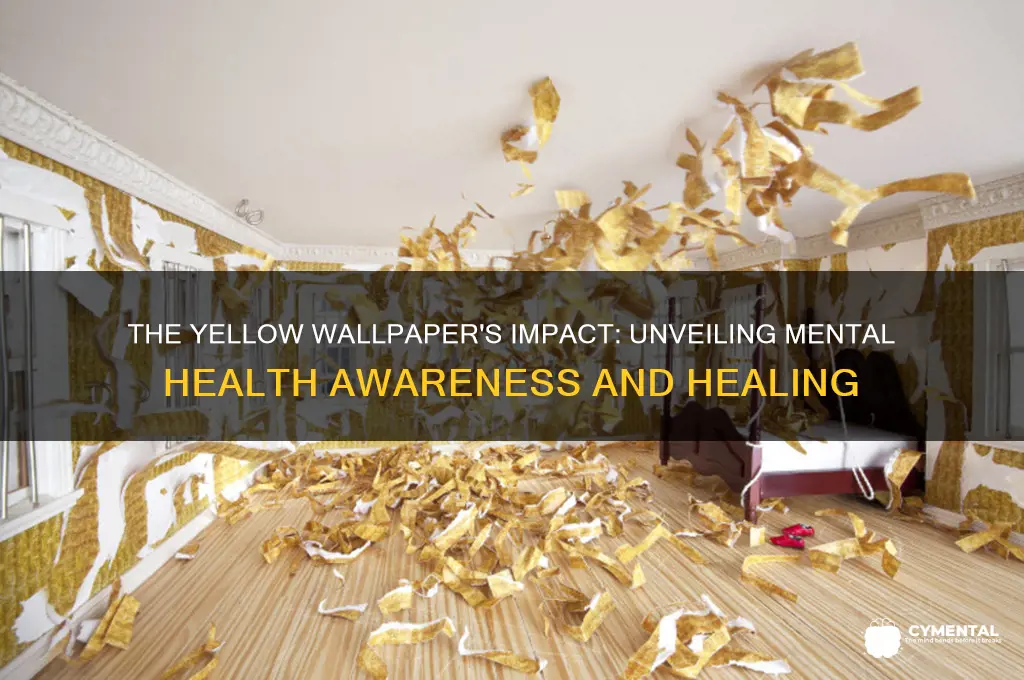
The Yellow Wallpaper, a seminal work by Charlotte Perkins Gilman, has profoundly influenced the understanding and portrayal of mental illness, particularly postpartum depression and the effects of isolation. Through its vivid depiction of a woman’s descent into madness under the oppressive constraints of the rest cure, the story sheds light on the harmful medical and societal practices of the late 19th century. By giving voice to the silenced experiences of women struggling with mental health, Gilman’s narrative has become a powerful tool for raising awareness and fostering empathy. Its enduring relevance lies in its ability to critique patriarchal systems that dismiss or exacerbate mental illness, while also inspiring conversations about the importance of autonomy, creativity, and supportive care in recovery. Today, The Yellow Wallpaper is not only a literary masterpiece but also a catalyst for advocating for mental health reform and destigmatizing psychological struggles.
| Characteristics | Values |
|---|---|
| Raised Awareness | The story has brought attention to the mistreatment of women with mental illness in the 19th century, particularly the use of the "rest cure," which often exacerbated symptoms. |
| Sparked Conversations | It has encouraged discussions about mental health, postpartum depression, and the importance of proper treatment, helping to reduce stigma. |
| Influenced Literature and Art | The narrative has inspired numerous adaptations, analyses, and creative works, keeping the dialogue about mental health alive across generations. |
| Educational Tool | Widely used in academic settings to teach about mental health history, gender roles, and the impact of isolation on psychological well-being. |
| Empowerment of Women | Highlights the struggles of women in patriarchal societies, empowering readers to advocate for their mental health and challenge oppressive systems. |
| Psychological Insight | Provides a deep exploration of the protagonist's descent into madness, offering insights into the effects of gaslighting, neglect, and lack of autonomy. |
| Advocacy for Reform | Historically, it contributed to the critique of medical practices and spurred reforms in mental health care, emphasizing patient-centered approaches. |
| Cultural Impact | Remains a landmark text in feminist and mental health literature, influencing policy, research, and public perception of mental illness. |
| Personal Resonance | Many readers find the story relatable, validating their own experiences with mental health struggles and encouraging them to seek help. |
| Historical Context | Serves as a historical document, illustrating the evolution of mental health treatment and societal attitudes toward women's mental health. |
Explore related products





What You'll Learn

Raised awareness about postpartum depression
Postpartum depression, a condition affecting approximately 1 in 7 women, often remains shrouded in silence and stigma. Charlotte Perkins Gilman’s *The Yellow Wallpaper* has played a pivotal role in bringing this issue to light, though written long before the term was clinically defined. The protagonist’s descent into madness, triggered by the oppressive "rest cure" prescribed after childbirth, mirrors the isolation and despair many new mothers experience. By depicting her mental unraveling in vivid, first-person detail, Gilman inadvertently created a narrative that resonates with the struggles of postpartum depression, prompting readers to recognize and empathize with its symptoms.
Consider the steps to recognizing postpartum depression, inspired by the themes in *The Yellow Wallpaper*. First, observe persistent feelings of sadness, hopelessness, or irritability lasting more than two weeks. Second, note physical symptoms like exhaustion, changes in appetite, or difficulty bonding with the baby. Third, assess whether the individual feels trapped or disconnected, much like the narrator in her room with the oppressive wallpaper. Practical tips include encouraging open conversations, offering support without judgment, and urging professional help. The story serves as a cautionary tale, highlighting the dangers of dismissing these symptoms as mere "baby blues."
Comparatively, while modern treatments for postpartum depression include therapy, medication, and support groups, *The Yellow Wallpaper* underscores the importance of addressing environmental and societal factors. The narrator’s confinement and lack of agency reflect the isolation many new mothers face, often exacerbated by societal expectations to "just cope." Gilman’s work challenges readers to question these norms, advocating for a more compassionate and proactive approach to maternal mental health. For instance, creating safe spaces for mothers to share their experiences can mitigate the sense of isolation depicted in the story.
Descriptively, the yellow wallpaper itself becomes a metaphor for the unseen pressures and internal turmoil of postpartum depression. Its "sickly sulfur tint" and "strange, creeping pattern" mirror the intrusive thoughts and overwhelming anxiety that can consume new mothers. Gilman’s use of imagery forces readers to confront the discomfort of mental illness, making it impossible to ignore. This vivid portrayal has inspired countless discussions, artworks, and advocacy efforts, cementing the story’s role in raising awareness about postpartum depression.
In conclusion, *The Yellow Wallpaper* remains a powerful tool in the fight against postpartum depression, offering both a historical perspective and a call to action. By dissecting the narrator’s experience, we gain insights into the symptoms, causes, and consequences of this condition. The story encourages us to listen, understand, and act, ensuring that no mother suffers in silence as Gilman’s protagonist did. Its enduring relevance lies in its ability to humanize a condition often misunderstood, fostering empathy and driving change.
Bilingual Brains: Can Language Learning Aid Mental Health Disorders?
You may want to see also
Explore related products



Highlighted isolation’s impact on mental health
Isolation, as depicted in Charlotte Perkins Gilman's *The Yellow Wallpaper*, serves as a stark reminder of how physical confinement can exacerbate mental distress. The protagonist’s forced seclusion in a room with barred windows and a locked door mirrors the restrictive environments often imposed on individuals with mental illness historically—and, in some cases, still today. This extreme isolation strips away social interaction, a fundamental human need, and accelerates her descent into psychosis. Modern research corroborates this: prolonged loneliness can increase cortisol levels, the stress hormone, by up to 25%, heightening anxiety and depression. The story’s vivid portrayal of this dynamic has become a cautionary tale, prompting advocates to challenge isolation-based treatments and push for therapies that prioritize human connection.
To counteract the toxic effects of isolation, mental health professionals now emphasize the importance of structured social engagement. For instance, group therapy sessions, peer support programs, and even digital communities can mitigate feelings of alienation. A practical tip for individuals experiencing isolation is to allocate 30 minutes daily for meaningful interaction, whether through a phone call, video chat, or in-person meeting. Caregivers should also monitor for signs of withdrawal, such as decreased communication or loss of interest in previously enjoyed activities, as these may indicate worsening mental health. By recognizing isolation as a risk factor, as *The Yellow Wallpaper* so vividly illustrates, interventions can be tailored to restore social bonds and foster recovery.
Comparatively, while isolation in *The Yellow Wallpaper* is imposed externally, many individuals today experience self-imposed isolation due to stigma or fear of judgment. This voluntary withdrawal can be just as damaging, as it deprives individuals of the support systems necessary for emotional regulation. The narrative’s enduring relevance lies in its ability to spark conversations about the invisible chains of societal expectations and self-stigma. For example, young adults aged 18–25 are particularly vulnerable to self-isolation, with studies showing that 60% report feeling lonely despite being digitally connected. Encouraging open dialogue and normalizing mental health discussions can dismantle these barriers, much like Gilman’s story challenged the patriarchal medical practices of her time.
Finally, the story’s impact extends to policy and practice, inspiring reforms in mental health care. The depiction of isolation as a form of torture has influenced the development of patient-centered approaches, such as the Recovery Model, which emphasizes autonomy, dignity, and community integration. Hospitals and treatment facilities are increasingly adopting open-door policies, art therapy programs, and family involvement to combat the dehumanizing effects of isolation. For those supporting someone in recovery, creating a “safe space” at home—free from judgment and rich in empathy—can mirror these institutional changes. By learning from *The Yellow Wallpaper*, we can transform environments that once stifled mental health into spaces that nurture healing and connection.
Social Media's Impact: Boosting Mental Health Awareness and Support
You may want to see also
Explore related products


Inspired discussions on women’s mental health
The publication of *The Yellow Wallpaper* in 1892 sparked conversations about women’s mental health that continue to resonate today. Charlotte Perkins Gilman’s semi-autobiographical short story exposed the harmful effects of the "rest cure," a treatment prescribed to women in the 19th century for "hysteria" and other vaguely defined ailments. This cure, which involved forced bed rest, isolation, and intellectual deprivation, mirrored the protagonist’s descent into madness. By giving voice to the silenced experiences of women, Gilman’s work became a catalyst for reevaluating how society understands and addresses female mental health.
Consider the story’s impact on modern therapeutic practices. Today, mental health professionals emphasize the importance of patient agency, active participation in treatment, and holistic approaches that consider social and environmental factors. *The Yellow Wallpaper* serves as a cautionary tale, reminding practitioners to avoid paternalistic treatments that dismiss women’s experiences. For instance, cognitive-behavioral therapy (CBT) and mindfulness-based interventions now prioritize empowering individuals to manage their symptoms, a stark contrast to the passive, restrictive nature of the rest cure. Women seeking mental health support should advocate for treatments that align with their needs, asking providers about evidence-based practices and their potential side effects.
The story also highlights the intersection of gender and mental health stigma. Gilman’s narrator is dismissed by her husband and physician, who invalidate her feelings and label her as "nervous." This dynamic persists today, as women are often misdiagnosed or undertreated due to biases in medical research and practice. For example, women are twice as likely as men to be diagnosed with depression, yet their symptoms are frequently attributed to hormonal fluctuations rather than underlying psychological issues. To combat this, women can document their symptoms, seek second opinions, and engage with support groups that validate their experiences. Online platforms like the National Alliance on Mental Illness (NAMI) offer resources tailored to women’s mental health challenges.
Finally, *The Yellow Wallpaper* inspires creative expression as a tool for healing. The narrator’s obsession with the wallpaper becomes a metaphor for her unraveling mind, yet it also serves as a form of resistance. Similarly, art therapy, journaling, and storytelling are now recognized as effective ways for women to process trauma and reclaim their narratives. A 2020 study published in *The Arts in Psychotherapy* found that women who engaged in creative writing reported reduced symptoms of anxiety and depression. Practical tips include setting aside 15–20 minutes daily for journaling, joining local or virtual writing groups, or using prompts like "What does my mental health feel like today?" to explore emotions. By embracing creativity, women can transform their struggles into sources of strength, much like Gilman did through her writing.
Employment and Mental Health: How Work Impacts Your Well-Being
You may want to see also
Explore related products


Exposed dangers of the rest cure treatment
The rest cure, a treatment popularized in the late 19th century, promised relief for women suffering from nervous exhaustion, a condition often diagnosed at the time. Prescribed by physicians like Dr. Silas Weir Mitchell, it involved strict bed rest, a high-calorie diet, and isolation from mental stimulation. Charlotte Perkins Gilman’s *The Yellow Wallpaper* exposes its devastating effects through the protagonist’s descent into madness, a narrative that has since become a cautionary tale. By illustrating the psychological toll of enforced passivity, the story highlights how a treatment intended to heal instead exacerbated mental distress.
Consider the regimen itself: patients were confined to bed for weeks, forbidden from reading, writing, or engaging in any activity deemed intellectually taxing. For women already marginalized by societal expectations, this isolation became a breeding ground for anxiety and despair. Gilman’s narrator, stripped of her creative outlets, fixates on the oppressive yellow wallpaper, a symbol of her deteriorating mental state. This depiction serves as a stark reminder that mental health cannot be addressed solely through physical confinement. Instead, it requires active engagement and autonomy, elements the rest cure systematically eradicated.
The rest cure’s dangers extend beyond its immediate effects. By pathologizing women’s responses to societal constraints, it reinforced harmful gender norms. Women were often diagnosed with "hysteria" or "neurasthenia" for exhibiting symptoms like fatigue or irritability, conditions attributed to their supposedly delicate nature. *The Yellow Wallpaper* challenges this narrative by linking the narrator’s breakdown to her treatment, not her inherent weakness. It underscores the need for therapies that address root causes—such as lack of agency or systemic oppression—rather than silencing symptoms through forced inaction.
To avoid modern equivalents of the rest cure, mental health practitioners must prioritize patient autonomy and holistic care. For instance, instead of prescribing prolonged inactivity, encourage structured rest combined with therapeutic activities like journaling or gentle exercise. For individuals experiencing anxiety or depression, cognitive-behavioral therapy (CBT) or mindfulness practices offer evidence-based alternatives. Always assess treatments for their potential to empower, not stifle, the individual’s voice and agency.
In retrospect, *The Yellow Wallpaper* serves as both a historical critique and a contemporary guide. It reminds us that mental health interventions must respect the complexity of human experience, avoiding one-size-fits-all approaches like the rest cure. By exposing its dangers, Gilman’s work has spurred a reevaluation of treatment paradigms, advocating for methods that nurture rather than suppress the mind. This legacy continues to shape discussions on mental health, ensuring that the mistakes of the past inform a more compassionate and effective future.
Empowering Minds: How Society Can Support Mental Health Recovery
You may want to see also
Explore related products


Encouraged empathy for mental illness sufferers
The vivid portrayal of a woman's descent into madness in "The Yellow Wallpaper" serves as a powerful catalyst for empathy. By immersing readers in the protagonist's distorted reality, the story forces them to confront the terrifying experience of mental illness from the inside. This first-person perspective shatters stereotypes and humanizes a condition often misunderstood and feared.
Imagine being trapped, not by physical bars, but by the patterns on your wallpaper, seeing faces and figures where others see only design. This sensory overload, this distortion of reality, is a glimpse into the world of psychosis, a world Charlotte Perkins Gilman masterfully recreates.
This empathetic bridge is crucial. It challenges the reader's preconceived notions, replacing judgment with understanding. The story doesn't offer easy answers or tidy resolutions. Instead, it leaves readers with a haunting image of a woman consumed by her own mind, a reminder that mental illness is not a choice, a weakness, or a moral failing, but a complex and often devastating condition.
This raw portrayal has had a tangible impact. Countless readers, upon encountering "The Yellow Wallpaper," report a newfound compassion for those struggling with mental health issues. The story acts as a mirror, reflecting the fragility of the human mind and the importance of treating mental illness with the same urgency and compassion as physical ailments.
To truly empathize, we must move beyond passive understanding. "The Yellow Wallpaper" prompts us to actively question our own attitudes and behaviors. Do we perpetuate stigma through our language or actions? Do we offer support or turn away in discomfort? The story encourages us to become allies, to advocate for better mental health care, and to create a society where those suffering feel seen, heard, and valued.
New-R: Innovative Tools to Enhance Mental Health and Well-being
You may want to see also
Frequently asked questions
"The Yellow Wallpaper" highlights the harmful effects of isolation and patriarchal medical practices on mental health, sparking conversations about the importance of understanding and empathy in treating mental illness.
The story has been instrumental in shedding light on postpartum depression by depicting a woman’s descent into madness due to restrictive treatment, encouraging recognition of maternal mental health struggles.
By critiquing the "rest cure" and other oppressive treatments, the story has contributed to the development of more compassionate and patient-centered approaches to mental health care.
Yes, the story is often used in educational settings to discuss the historical and societal factors contributing to mental illness, fostering greater awareness and reducing stigma.