Ava Ramirez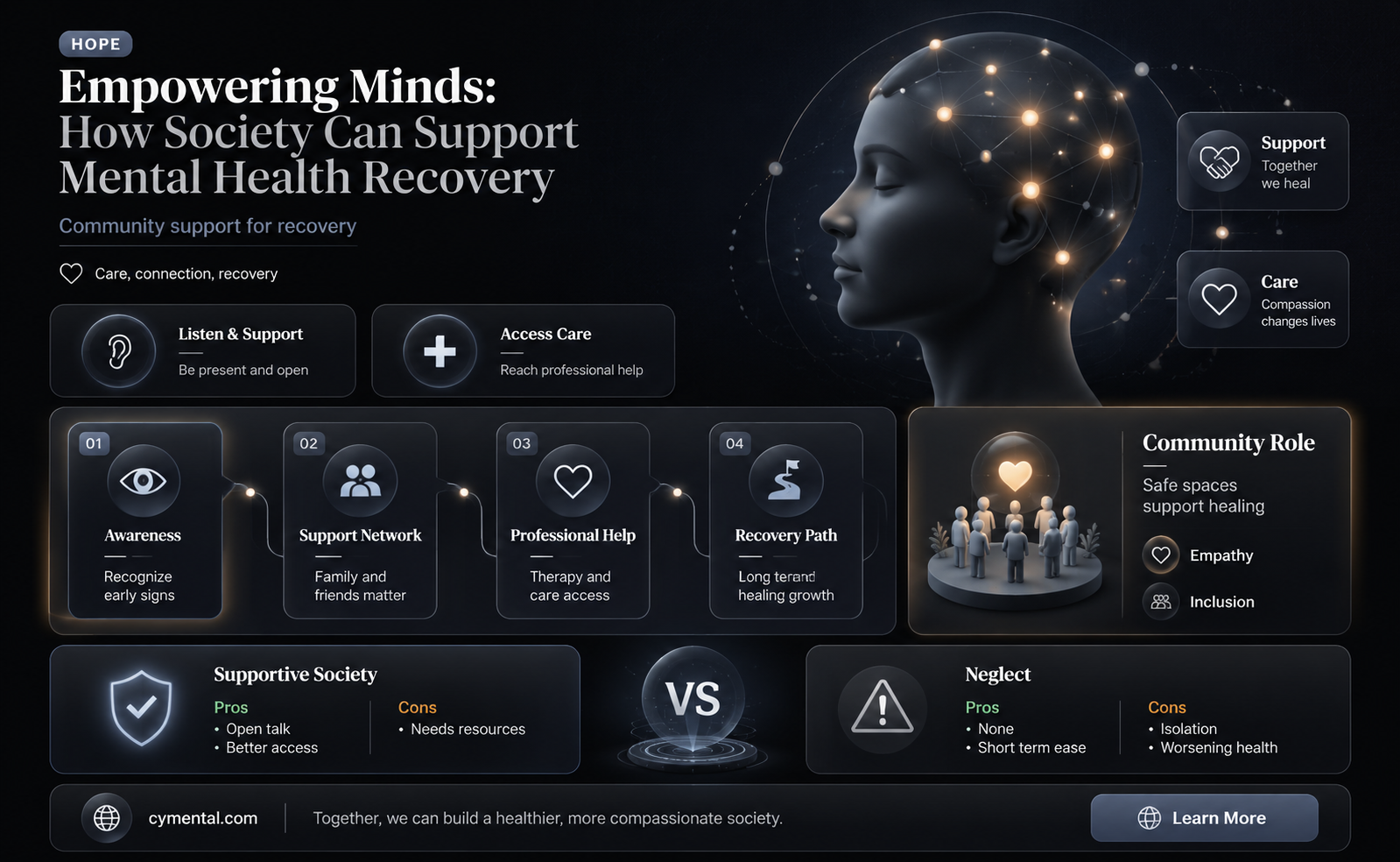
Addressing the needs of the mentally ill requires a collective effort from society, as mental health is a critical component of overall well-being. By fostering a supportive environment, society can significantly reduce stigma, improve access to resources, and promote early intervention. This includes raising awareness through education, encouraging open conversations about mental health, and implementing policies that ensure affordable and accessible mental health care. Communities can also play a vital role by offering peer support, creating safe spaces, and integrating mental health services into primary care. Ultimately, a compassionate and informed society can empower individuals struggling with mental illness to seek help, recover, and lead fulfilling lives.
Explore related products


What You'll Learn
- Increase access to affordable mental health services and reduce barriers to care
- Promote mental health education to reduce stigma and foster understanding
- Provide stable housing and employment opportunities for those with mental illness
- Develop community support networks and peer-led initiatives for ongoing assistance
- Advocate for policies prioritizing mental health funding and research

Increase access to affordable mental health services and reduce barriers to care
Mental health services remain out of reach for millions due to prohibitive costs and systemic obstacles. In the United States, nearly 60% of adults with a mental illness did not receive treatment in the past year, often citing expense as the primary barrier. Globally, the situation is equally dire, with low-income countries dedicating less than 1% of their health budgets to mental health. Addressing this disparity requires a multi-faceted approach that prioritizes affordability, accessibility, and inclusivity.
Step 1: Implement Sliding-Scale Fee Structures
Mental health providers can adopt sliding-scale fees based on income, ensuring that therapy, medication, and counseling are affordable for all. For instance, a single session might cost $20 for someone earning below $30,000 annually, while a higher-income individual pays the full $150. Governments can incentivize this model by offering tax breaks to providers who serve a certain percentage of low-income clients. Additionally, telehealth platforms can reduce overhead costs, allowing providers to offer lower rates without sacrificing quality.
Caution: Avoid Overburdening Providers
While sliding-scale models are effective, they can strain providers financially if not balanced with full-paying clients. To mitigate this, clinics could cap the number of reduced-fee slots or partner with nonprofits to subsidize costs. For example, a community health center in Portland, Oregon, uses a mix of grants and donations to fund 30% of its sliding-scale services, ensuring sustainability.
Step 2: Integrate Mental Health into Primary Care
Embedding mental health services within primary care settings can reduce stigma and increase access. A study in the *Journal of the American Medical Association* found that integrated care models improved treatment rates by 40% among underserved populations. Training primary care physicians to screen for mental health issues and provide basic interventions, such as prescribing antidepressants or referring to therapists, can bridge gaps in care. For children and adolescents, school-based health clinics can offer counseling and psychiatric services, reaching students who might otherwise go untreated.
Comparative Analysis: Lessons from Other Systems
Countries like the United Kingdom and Canada offer valuable lessons in reducing barriers to care. The UK’s Improving Access to Psychological Therapies (IAPT) program provides free, evidence-based therapies for common mental health conditions, with over 1 million people accessing services annually. In Canada, provinces like Ontario have expanded telehealth coverage, allowing residents to consult psychiatrists and psychologists remotely at no cost. These models demonstrate the effectiveness of government-funded initiatives in scaling access.
Takeaway: Policy and Community Action Are Key
Increasing access to affordable mental health services requires both policy changes and grassroots efforts. Governments must invest in public mental health infrastructure, while communities can advocate for local solutions, such as peer support groups or crisis hotlines. Employers can also play a role by offering mental health benefits and fostering workplace cultures that prioritize well-being. By combining these strategies, society can dismantle barriers to care and ensure that mental health services are available to everyone, regardless of income or location.
Unwind and Thrive: How Hobbies Boost Mental Health Naturally
You may want to see also
Explore related products


Promote mental health education to reduce stigma and foster understanding
Mental health stigma thrives on ignorance, and ignorance breeds fear. To dismantle this harmful cycle, society must prioritize mental health education from an early age. Integrate age-appropriate lessons into school curricula, starting with basic emotional vocabulary in elementary school and progressing to more complex topics like anxiety disorders and depression in high school. This normalization of mental health conversations equips young people with the language to express their own struggles and the empathy to understand those of others.
Imagine a teenager recognizing the signs of depression in a friend because they learned about it in health class. This knowledge could be the catalyst for a life-saving conversation.
Simply talking about mental health isn't enough. Effective education requires a multi-faceted approach. Utilize diverse mediums like interactive workshops, peer-led discussions, and digital platforms to engage different learning styles. Incorporate personal narratives and real-life examples to humanize mental illness and challenge stereotypes. For instance, inviting individuals with lived experience to share their stories can be incredibly powerful in breaking down barriers and fostering compassion. Remember, the goal is not just to inform, but to inspire action and encourage help-seeking behaviors.
Think of it as planting seeds of understanding that will grow into a more supportive and inclusive community.
While schools play a crucial role, mental health education shouldn't be confined to the classroom. Workplace training programs can equip employees with the skills to recognize distress in colleagues and provide appropriate support. Public awareness campaigns can target specific demographics, addressing cultural nuances and language barriers. Even social media platforms can be harnessed to disseminate accurate information and challenge harmful misconceptions. By creating a pervasive culture of mental health literacy, we can ensure that no one feels alone in their struggles.
Investing in mental health education is not just a moral imperative, it's a sound economic decision. Studies show that stigma-related barriers to treatment cost societies billions annually in lost productivity and increased healthcare expenditures. By reducing stigma and promoting early intervention, we can significantly improve individual well-being and create a more resilient, productive society. Remember, knowledge is power. Empowering individuals with the understanding and tools to support themselves and others is the cornerstone of a truly mentally healthy community.
Supporting Your Son’s Mental Health: Practical Steps for Parents
You may want to see also
Explore related products





Provide stable housing and employment opportunities for those with mental illness
Stable housing is a cornerstone of mental health recovery, yet it remains elusive for many. Without a secure place to live, individuals with mental illness often face heightened stress, reduced access to care, and increased risk of hospitalization. Housing instability exacerbates symptoms, creating a cycle of crisis and vulnerability. Society must prioritize initiatives like Housing First programs, which provide immediate access to permanent housing without preconditions like sobriety or treatment compliance. These programs have proven effective in reducing homelessness and improving mental health outcomes, particularly for those with severe conditions like schizophrenia or bipolar disorder.
Employment, too, plays a critical role in mental health stability. Work offers structure, purpose, and financial independence, all of which contribute to self-esteem and symptom management. However, stigma and lack of accommodations often bar individuals with mental illness from the workforce. Supported employment programs, such as Individual Placement and Support (IPS), address this by offering personalized job coaching, workplace accommodations, and ongoing support. Unlike traditional vocational programs, IPS focuses on competitive jobs in integrated settings, aligning with the individual’s interests and strengths. Studies show that IPS participants achieve higher employment rates and longer job tenure than those in conventional programs.
Combining stable housing and employment opportunities creates a synergistic effect. Housing provides the foundation for stability, while employment fosters a sense of belonging and self-worth. For example, in cities like Helsinki, Finland, the Housing First model has been paired with employment initiatives, resulting in significant reductions in homelessness and improved mental health. Such integrated approaches require collaboration between housing authorities, employers, and mental health providers to ensure seamless support.
However, implementation is not without challenges. Funding remains a barrier, as does employer reluctance to hire individuals with mental illness. Policymakers must allocate resources to subsidize housing and incentivize businesses to participate in supported employment programs. Public awareness campaigns can also combat stigma, highlighting the value of diverse workforces and the resilience of individuals with mental illness. Practical steps include offering tax incentives for hiring, training employers in mental health literacy, and creating peer support networks in workplaces.
In conclusion, providing stable housing and employment opportunities is not just a moral imperative but a practical strategy for improving mental health outcomes. By investing in proven models like Housing First and IPS, society can break the cycle of instability and empower individuals to thrive. The benefits extend beyond the individual, fostering stronger, more inclusive communities. The question is not whether we can afford these initiatives, but whether we can afford to ignore them.
Mental Health Awareness: Impact on Well-Being and Societal Support
You may want to see also
Explore related products



Develop community support networks and peer-led initiatives for ongoing assistance
Social isolation exacerbates mental health struggles, yet traditional support systems often fail to provide consistent, relatable assistance. Community support networks and peer-led initiatives fill this gap by fostering connection, understanding, and ongoing aid. These programs leverage shared experiences, creating environments where individuals feel seen, heard, and supported by those who truly "get it."
For instance, peer-led groups like Hearing Voices Network bring together individuals experiencing auditory hallucinations, offering a space to share coping strategies and reduce stigma. Similarly, the Warm Line model provides non-crisis emotional support via phone or text, staffed by peers who have lived experience with mental health challenges. These initiatives demonstrate the power of horizontal support, where assistance flows not from authority figures but from equals who have walked similar paths.
Building such networks requires intentionality. Start by identifying local needs through community surveys or focus groups. Partner with existing organizations, such as libraries or community centers, to secure physical or virtual meeting spaces. Train peer leaders in active listening, boundary-setting, and crisis de-escalation, ensuring they can provide safe, effective support. For example, the Peer Specialist Certification program in New York equips individuals with lived experience to offer professional-level assistance while earning a living wage. Funding can come from grants, donations, or partnerships with mental health agencies, but sustainability often relies on volunteer commitment and low-cost models.
Cautions must be considered. Peer-led initiatives are not therapy substitutes and should not handle acute crises. Clear guidelines should outline when to refer participants to professional services. Additionally, burnout among peer leaders is a risk; regular supervision, self-care training, and limited session hours (e.g., 2–3 hours per shift) are essential. For youth-focused programs, ensure all leaders pass background checks and adhere to age-appropriate communication protocols.
The impact of these networks is profound. A study on peer-run respite centers found participants experienced reduced hospitalizations and increased feelings of empowerment. In rural areas, where mental health resources are scarce, community-led initiatives like the Vermont Peer Network provide lifelines through online forums and in-person meetups. By centering lived experience, these programs not only offer practical assistance but also challenge societal misconceptions about mental illness, fostering a culture of empathy and collective responsibility.
Moving Out: A Mental Health Boost or Added Stress?
You may want to see also
Explore related products



Advocate for policies prioritizing mental health funding and research
Mental health challenges affect one in four people globally, yet funding for research and treatment lags far behind physical health. This disparity perpetuates stigma, limits access to care, and stifens innovation in therapies and interventions. Advocating for policies that prioritize mental health funding and research is not just a moral imperative—it’s a strategic investment in societal well-being. Increased resources can lead to earlier interventions, more effective treatments, and reduced economic burdens from untreated conditions.
To effectively advocate for these policies, start by understanding the current landscape. Research how much of your country’s health budget is allocated to mental health—often, it’s less than 2%. Compare this to the prevalence of mental illness and its societal costs, such as lost productivity and increased healthcare utilization. Armed with data, engage with policymakers through letters, meetings, or public forums. Highlight success stories, like Finland’s 30% reduction in suicide rates after implementing a national mental health strategy, to illustrate the impact of targeted funding.
Next, mobilize communities to amplify your message. Organize awareness campaigns, leveraging social media and local events to educate the public about the importance of mental health research. Encourage individuals to share their stories, as personal narratives humanize the issue and build empathy. Collaborate with mental health organizations to create advocacy toolkits, providing actionable steps for supporters, such as contacting legislators or signing petitions. Grassroots movements can shift public opinion and pressure governments to act.
However, advocacy must be paired with accountability. Push for transparency in how funds are allocated and spent. Advocate for metrics-driven approaches, such as tracking the number of new mental health professionals trained or the accessibility of evidence-based treatments. For example, Canada’s Mental Health Commission uses key performance indicators to evaluate the success of its programs, ensuring resources are used effectively. This scrutiny ensures that increased funding translates into tangible improvements in care.
Finally, recognize that advocacy is a long-term commitment. Mental health has historically been underfunded and stigmatized, so systemic change requires persistence. Celebrate small victories, like the inclusion of mental health in national health plans, while continuing to push for broader reforms. By prioritizing mental health funding and research, society can move toward a future where mental illness is treated with the same urgency and resources as physical ailments, fostering healthier, more resilient communities.
Can ERs Provide Mental Health Support in Crisis Situations?
You may want to see also
Frequently asked questions
Society can reduce stigma by promoting education and awareness about mental health, encouraging open conversations, and challenging stereotypes through media and public campaigns.
Communities can provide safe spaces, peer support groups, and accessible mental health resources, while fostering inclusivity and understanding to ensure individuals feel supported and valued.
Policymakers can allocate more funding to mental health services, implement policies that ensure affordable and accessible care, and prioritize mental health as a public health priority.