Caleb Wright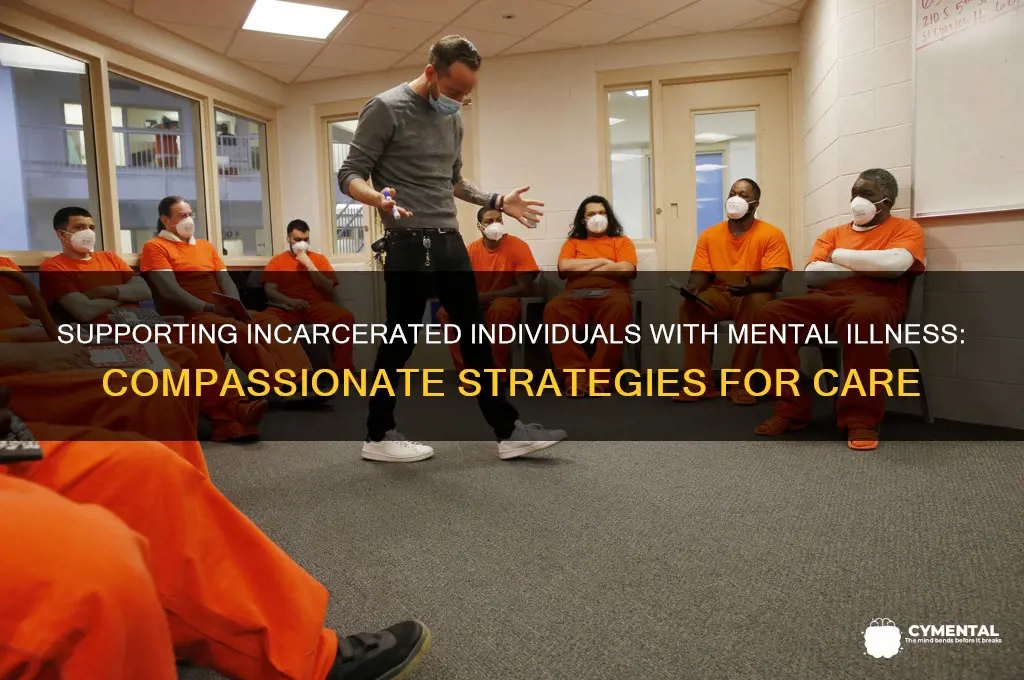
Helping a mentally ill person in jail requires a compassionate, informed, and multi-faceted approach that addresses their unique challenges within the confines of the correctional system. Mental illness in jails is a pressing issue, as individuals often face exacerbated symptoms due to the stressful environment, lack of adequate resources, and limited access to specialized care. To effectively support these individuals, it is crucial to advocate for improved mental health services within correctional facilities, including regular screenings, access to therapy, and medication management. Additionally, training correctional staff to recognize and respond to mental health crises with empathy and de-escalation techniques can significantly reduce harm. Community involvement, such as partnerships with mental health organizations and reentry programs, can also provide continuity of care and support during and after incarceration. Ultimately, addressing the needs of mentally ill individuals in jail not only improves their well-being but also contributes to safer communities and a more just criminal justice system.
Explore related products


What You'll Learn
- Provide Access to Mental Health Professionals: Ensure regular visits with psychiatrists, psychologists, and counselors for proper treatment
- Create Supportive Environments: Design calm, safe spaces within jails to reduce stress and triggers
- Train Correctional Staff: Educate staff on mental health awareness and de-escalation techniques
- Offer Therapy and Programs: Implement group therapy, art therapy, and skill-building programs for rehabilitation
- Monitor and Advocate: Regularly assess mental health needs and advocate for humane treatment and resources

Provide Access to Mental Health Professionals: Ensure regular visits with psychiatrists, psychologists, and counselors for proper treatment
Incarcerated individuals with mental illness often face exacerbated symptoms due to the stressful and isolating environment of jails. Providing consistent access to mental health professionals is not just a moral imperative but a practical necessity. Regular visits with psychiatrists, psychologists, and counselors can stabilize conditions, reduce self-harm risks, and improve overall well-being. Without such intervention, untreated mental health issues can lead to behavioral incidents, prolonged incarceration, or even tragedy.
Consider the logistics of implementation. Jails must establish partnerships with local mental health providers or hire in-house professionals to ensure weekly or bi-weekly sessions. Psychiatrists should conduct initial assessments to diagnose conditions and prescribe medication, if necessary. For example, a person with schizophrenia might require monthly adjustments to their antipsychotic dosage, monitored closely to avoid side effects. Psychologists and counselors, on the other hand, can provide therapy sessions focused on coping strategies, trauma processing, or anger management. These roles are complementary, not interchangeable, and their coordinated efforts are critical for holistic care.
A common challenge is resistance from inmates, who may distrust authority figures or feel stigmatized by seeking help. To address this, jails should create a confidential and non-judgmental environment. Professionals should use trauma-informed approaches, acknowledging past experiences that may have led to incarceration. For instance, a counselor might start sessions by saying, "I know trust can be hard here, but I’m here to listen, not to judge." Additionally, offering incentives like reduced restrictions or access to privileges can encourage participation without coercion.
Compare this approach to the status quo in many facilities, where mental health care is sporadic or crisis-driven. In such settings, individuals only receive attention after a breakdown, leading to reactive rather than preventive care. By contrast, regular access to professionals fosters a proactive model, identifying issues before they escalate. For example, a counselor might notice early signs of depression in an inmate and intervene with cognitive-behavioral therapy, preventing suicidal ideation. This not only benefits the individual but also reduces the burden on correctional staff and resources.
In conclusion, ensuring regular visits with mental health professionals is a cornerstone of humane and effective care for incarcerated individuals. It requires investment in staffing, training, and infrastructure, but the returns—in terms of safety, rehabilitation, and justice—are immeasurable. Jails that prioritize this approach not only fulfill a legal obligation but also contribute to breaking the cycle of recidivism often fueled by untreated mental illness.
Green Tea's Impact on Mental Health: Benefits and Scientific Insights
You may want to see also
Explore related products



Create Supportive Environments: Design calm, safe spaces within jails to reduce stress and triggers
The stark, sterile environment of a jail cell can exacerbate mental health struggles, amplifying anxiety, paranoia, and despair. For individuals already grappling with conditions like schizophrenia, bipolar disorder, or severe depression, the harsh lighting, loud noises, and lack of privacy can become triggers, fueling agitation and self-harm.
Imagine a space designed not for punishment, but for de-escalation. Soft, neutral colors like pale blue or green replace institutional beige, proven to lower blood pressure and promote calm. Natural light filters through frosted windows, reducing the disorienting effects of fluorescent lighting. Acoustic panels absorb echoes, minimizing the jarring clangs and shouts that can overwhelm sensitive minds.
This isn't mere aesthetic improvement; it's evidence-based design. Studies show that sensory-reduced environments significantly decrease agitation in psychiatric patients. Incorporating elements like weighted blankets, comfortable seating, and access to quiet, private areas can provide a sense of control and safety, crucial for individuals experiencing psychosis or severe anxiety.
Implementing such changes requires a shift in perspective. It demands viewing jails not solely as punitive institutions, but as temporary homes for vulnerable individuals. While resource allocation is a challenge, even small modifications – like replacing harsh lighting with warmer tones or creating designated quiet zones – can yield measurable improvements in inmate behavior and mental well-being.
Boost Your Mind: The Mental Health Benefits of Sports
You may want to see also
Explore related products





Train Correctional Staff: Educate staff on mental health awareness and de-escalation techniques
Correctional staff often serve as the first and most consistent point of contact for incarcerated individuals with mental illness. Their ability to recognize and respond appropriately can mean the difference between escalation and de-escalation, harm and healing. Yet, many officers receive minimal training in mental health awareness, leaving them ill-equipped to handle crises effectively. This gap not only jeopardizes the safety of both staff and inmates but also perpetuates cycles of trauma and recidivism.
To address this, comprehensive training programs must prioritize mental health literacy. Staff should learn to identify common symptoms of mental illness, such as psychosis, depression, or anxiety, and understand how these conditions manifest in a correctional setting. For instance, a person experiencing a psychotic episode may exhibit paranoia or disorganized speech, behaviors that, without context, might be misinterpreted as defiance. Training should include case studies and role-playing scenarios to simulate real-world situations, ensuring officers can differentiate between deliberate noncompliance and symptoms of illness.
De-escalation techniques are equally critical. Officers must be trained in verbal and nonverbal strategies to calm agitated individuals, such as maintaining a calm tone, using open body language, and avoiding confrontational phrases like "calm down" or "stop it." Techniques like active listening, validation, and offering choices can empower officers to defuse tension without resorting to force. For example, instead of demanding compliance, an officer might say, "I see you’re upset. Can you tell me what’s going on?" This approach acknowledges the person’s distress while establishing a dialogue.
However, training alone is insufficient without ongoing support and accountability. Correctional facilities should implement regular refresher courses and provide access to mental health professionals who can offer guidance during crises. Additionally, staff should be encouraged to reflect on their responses and learn from both successes and failures. Peer support groups can foster a culture of empathy and collaboration, reducing the stigma surrounding mental health within the workforce.
Ultimately, investing in staff training is not just a moral imperative but a practical one. By equipping officers with the knowledge and skills to handle mental health crises, facilities can reduce incidents of violence, improve inmate well-being, and create safer environments for all. This approach aligns with broader criminal justice reform efforts, recognizing that incarceration should not exacerbate mental illness but rather provide opportunities for recovery and rehabilitation.
DHS Assistance: Navigating Disability Benefits for Mental Health Disorders
You may want to see also
Explore related products


Offer Therapy and Programs: Implement group therapy, art therapy, and skill-building programs for rehabilitation
Mental health issues in correctional facilities are often exacerbated by isolation, lack of purpose, and limited access to care. Offering structured therapy and programs can address these gaps, fostering rehabilitation and reducing recidivism. Group therapy, for instance, provides a sense of community and shared understanding, allowing participants to process their experiences collectively. Sessions should ideally occur twice weekly, with groups capped at 10–12 individuals to ensure personalized attention. Facilitators must be trained in trauma-informed care to navigate the complex needs of this population.
Art therapy serves as a nonverbal outlet for emotional expression, particularly for those who struggle to articulate their feelings. Incorporating materials like clay, paint, or markers, sessions can last 60–90 minutes and should be offered at least once a week. For example, a study in a California prison found that inmates who participated in art therapy reported reduced anxiety and improved coping skills. To maximize impact, pair art therapy with reflective discussions led by a mental health professional, helping participants connect their creations to underlying emotions.
Skill-building programs, such as vocational training or anger management, equip individuals with tools for reintegration into society. Vocational programs should focus on high-demand skills like carpentry or coding, with certifications upon completion. Anger management courses, on the other hand, should incorporate cognitive-behavioral techniques and last 8–12 weeks, meeting twice weekly. These programs not only address immediate behavioral issues but also instill a sense of accomplishment and future direction.
Implementing these therapies and programs requires collaboration between correctional staff, mental health professionals, and community organizations. Funding can be secured through grants or partnerships with nonprofits specializing in prison reform. Regular evaluation of program efficacy is essential; track metrics like behavioral incidents, medication adherence, and post-release employment rates. By treating incarceration as an opportunity for healing rather than solely punishment, these initiatives can transform lives and break cycles of criminality.
Collagen and Mental Health: Unraveling the Mind-Body Connection
You may want to see also
Explore related products


Monitor and Advocate: Regularly assess mental health needs and advocate for humane treatment and resources
Incarcerated individuals with mental illness often face a dual crisis: the challenges of their condition compounded by an environment ill-equipped to address their needs. Regular monitoring and advocacy become lifelines, ensuring their humanity isn't lost within the system.
Step 1: Establish a Baseline and Track Changes
Begin by documenting the individual’s mental health status upon intake. Use standardized tools like the Brief Jail Mental Health Screen (BJMHS) to identify immediate needs. For example, a 30-year-old with schizophrenia may present with disorganized speech and paranoia. Record baseline symptoms, medication adherence (if applicable), and triggers. Weekly check-ins are critical; look for red flags such as sudden agitation, self-harm attempts, or withdrawal. A 2021 study found that inmates with bipolar disorder showed a 40% decline in stability without consistent monitoring.
Step 2: Advocate for Evidence-Based Interventions
Jails often lack resources, but advocacy can bridge gaps. Push for access to psychiatric evaluations within 72 hours of intake, as delays worsen outcomes. For instance, a detainee with severe depression may require a combination of fluoxetine (20–60 mg/day) and cognitive-behavioral therapy (CBT). If the facility lacks an on-site psychiatrist, demand telepsychiatry services, which have shown a 35% reduction in self-harm incidents in pilot programs.
Step 3: Humanize the System Through Collaboration
Engage correctional staff as allies. Train officers to recognize de-escalation techniques, such as using calm tones and avoiding physical restraint during psychotic episodes. For a 25-year-old with PTSD, a trigger-avoidance plan—like dimming lights during panic attacks—can prevent crises. Collaborate with local mental health organizations to provide peer support groups, which have been shown to reduce recidivism by 22%.
Cautions and Ethical Considerations
Avoid over-medicalization. Not every behavioral issue stems from mental illness; trauma or systemic issues may play a role. For example, a detainee’s aggression might reflect fear of solitary confinement rather than a psychotic break. Additionally, be wary of forced medication, which raises ethical concerns unless court-ordered and clinically justified.
Monitoring and advocating for mentally ill inmates isn’t a one-time task but a sustained commitment. By combining clinical vigilance with systemic pressure, you can transform a punitive environment into one that fosters recovery. Remember: every assessment, every intervention, and every voice raised in advocacy moves the needle toward justice and humanity.
Boost Your Mood: The Mental Benefits of Healthy Eating Habits
You may want to see also
Frequently asked questions
Supporting a mentally ill person in jail involves advocating for their rights, ensuring they receive proper mental health care, and maintaining regular communication. Contact the jail’s mental health services to inquire about available resources and treatment plans. Encourage family involvement and legal representation to ensure their needs are addressed.
If you suspect inadequate care, document specific concerns and contact the jail’s administration or mental health department. You can also reach out to local advocacy organizations or legal aid services to file a complaint or seek assistance. Ensure the individual has access to an attorney who can advocate on their behalf.
Assist them in creating a re-entry plan that includes access to mental health services, housing, and employment support. Connect them with community-based organizations that specialize in helping formerly incarcerated individuals with mental illness. Ensure they have necessary medications, appointments scheduled, and a support system in place.
Many jails offer mental health services, including counseling, medication management, and crisis intervention. Additionally, external resources like the National Alliance on Mental Illness (NAMI) and local legal aid organizations can provide support. Advocate for the individual to be connected to these resources both during incarceration and upon release.