Ava Ramirez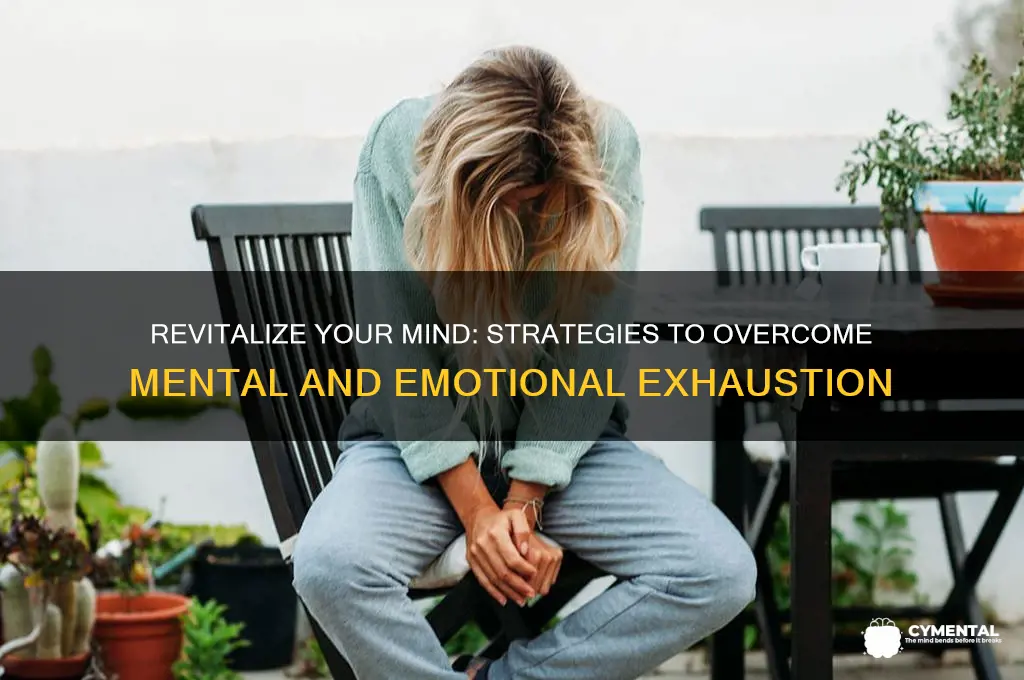
Mental and emotional exhaustion, often stemming from prolonged stress, overwhelming responsibilities, or a lack of self-care, can leave individuals feeling drained, disconnected, and unable to cope with daily challenges. Recognizing the signs—such as persistent fatigue, irritability, reduced productivity, and a sense of hopelessness—is the first step toward addressing this pervasive issue. To combat mental and emotional exhaustion, it’s essential to prioritize self-care practices like adequate sleep, regular exercise, and mindfulness techniques, while also setting healthy boundaries to manage workload and personal commitments. Seeking support from friends, family, or professionals can provide valuable perspective and relief, while incorporating activities that bring joy and purpose can help restore emotional balance and resilience. By taking proactive steps to nurture both the mind and spirit, individuals can gradually recover from exhaustion and build a foundation for long-term well-being.
Explore related products


What You'll Learn
- Prioritize Rest: Schedule downtime, ensure adequate sleep, and practice relaxation techniques to recharge effectively
- Set Boundaries: Learn to say no, limit overcommitments, and protect personal time for self-care
- Mindfulness Practices: Use meditation, deep breathing, or journaling to reduce stress and stay present
- Seek Support: Talk to trusted friends, family, or professionals for emotional relief and guidance
- Healthy Habits: Maintain a balanced diet, exercise regularly, and avoid excessive caffeine or alcohol

Prioritize Rest: Schedule downtime, ensure adequate sleep, and practice relaxation techniques to recharge effectively
Rest is not a luxury; it’s a biological necessity, yet it’s often the first casualty in our overbooked lives. The human body requires 7–9 hours of sleep per night for adults, according to the National Sleep Foundation, to repair tissues, consolidate memories, and regulate emotions. When mental and emotional exhaustion set in, prioritizing rest isn’t just about feeling refreshed—it’s about restoring the brain’s ability to cope with stress. Without adequate sleep, cortisol levels spike, exacerbating fatigue and impairing decision-making. Scheduling downtime isn’t laziness; it’s a strategic act of self-preservation.
To effectively recharge, treat rest as a non-negotiable appointment. Block off 30–60 minutes daily for downtime, whether it’s a walk, meditation, or simply sitting in silence. Use tools like calendar apps to enforce these boundaries, ensuring they’re as sacred as work meetings. For sleep, establish a routine: dim lights 1 hour before bed, avoid screens, and keep the bedroom cool (60–67°F). If falling asleep is difficult, try progressive muscle relaxation—tense and release each muscle group starting from the toes upward. Consistency is key; irregular sleep patterns disrupt your circadian rhythm, deepening exhaustion.
Relaxation techniques aren’t one-size-fits-all. Mindfulness meditation, for instance, reduces activity in the amygdala, the brain’s stress center, but it may feel tedious to some. Alternatives include deep breathing exercises (inhale for 4 seconds, hold for 4, exhale for 6) or guided imagery apps like Calm or Headspace. For those who prefer movement, yoga or tai chi combines physical activity with mental focus, lowering cortisol levels by up to 25% in regular practitioners. Experiment to find what works for you—rest should feel restorative, not forced.
A common pitfall is mistaking passive activities (scrolling social media, watching TV) for genuine rest. These often increase mental load rather than alleviating it. Instead, opt for activities that disconnect you from stressors. For example, reading a physical book (not a screen) or journaling can clear mental clutter. If you’re unsure where to start, begin with a 5-minute body scan: lie down, close your eyes, and mentally check in with each part of your body, releasing tension as you go. Small, intentional practices compound over time, rebuilding resilience against exhaustion.
Ultimately, prioritizing rest is an act of self-respect, not selfishness. It’s acknowledging that your capacity to give—whether at work, in relationships, or to yourself—depends on your ability to recharge. Start small: commit to one change today, like setting a sleep alarm or scheduling a 15-minute break. Over time, these habits create a buffer against burnout, proving that rest isn’t the absence of productivity—it’s the foundation of it.
Navigating Mental Health Support: Strategies for Accessing Help During Lockdown
You may want to see also
Explore related products


Set Boundaries: Learn to say no, limit overcommitments, and protect personal time for self-care
Saying yes to every request, whether at work, in social circles, or within family obligations, can lead to a dangerous accumulation of stress and emotional drain. The inability to decline commitments often stems from a fear of disappointing others or a misplaced sense of duty. However, this pattern is unsustainable and directly contributes to mental and emotional exhaustion. Recognizing this, the first step in setting boundaries is identifying your limits and understanding that saying no is not a sign of weakness but a necessary act of self-preservation.
To effectively limit overcommitments, start by evaluating your current responsibilities. Create a list of all ongoing tasks and obligations, then categorize them based on priority and personal value. Eliminate or delegate tasks that are non-essential or drain your energy disproportionately. For instance, if volunteering at three different organizations leaves you with no time for rest, consider reducing your involvement to one or two. Be deliberate in your choices, focusing on activities that align with your values and long-term goals.
Protecting personal time for self-care requires intentional scheduling. Treat self-care as a non-negotiable appointment, just as you would a work meeting or doctor’s visit. Block out specific hours in your calendar for activities that recharge you—whether it’s reading, exercising, meditating, or simply resting. Communicate these boundaries clearly to others; for example, inform colleagues that you are unavailable after 6 p.m. or let friends know you need weekends for personal rejuvenation. Consistency in enforcing these boundaries reinforces their importance and helps others respect your limits.
Learning to say no is a skill that improves with practice. Start small by declining low-stakes requests, such as a non-essential social invitation or a minor task at work. Use assertive but polite language, such as, “I appreciate the offer, but I’m focusing on other priorities right now.” Avoid over-explaining or apologizing excessively, as this can undermine your decision. Over time, this practice builds confidence in setting larger boundaries, such as declining significant projects or commitments that conflict with your well-being.
Finally, remember that setting boundaries is not selfish—it is essential for maintaining mental and emotional health. By saying no, limiting overcommitments, and safeguarding personal time, you create space for recovery and growth. This proactive approach not only prevents exhaustion but also fosters a healthier, more balanced lifestyle. Start today by identifying one boundary you can set and commit to upholding it, no matter how small. Your well-being depends on it.
Supporting Children with Mentally Ill Mothers: A Compassionate Guide
You may want to see also
Explore related products


Mindfulness Practices: Use meditation, deep breathing, or journaling to reduce stress and stay present
Mental and emotional exhaustion often stems from an overactive mind fixated on past regrets or future worries. Mindfulness practices like meditation, deep breathing, and journaling anchor you in the present, breaking the cycle of rumination. By training your attention to focus on the here and now, you interrupt the mental patterns that fuel exhaustion, creating space for calm and clarity.
Meditation, a cornerstone of mindfulness, involves observing your thoughts without judgment. Start with just 5 minutes daily, sitting comfortably and focusing on your breath. When your mind wanders (which it will), gently bring your attention back to the sensation of air moving in and out of your body. Apps like Headspace or Calm offer guided meditations tailored to stress reduction, making it accessible even for beginners. Consistency is key; aim to meditate at the same time each day to build a habit.
Deep breathing exercises are a quick and powerful tool to activate your body’s relaxation response. The 4-7-8 technique is particularly effective: inhale for 4 seconds, hold for 7 seconds, and exhale for 8 seconds. This pattern slows your heart rate and calms the nervous system, providing immediate relief from stress. Practice this technique whenever you feel overwhelmed, whether at your desk, in traffic, or before bed. For maximum benefit, combine deep breathing with a mindful body scan, noticing areas of tension and consciously releasing them.
Journaling serves as a mental decluttering tool, helping you process emotions and gain perspective. Dedicate 10–15 minutes daily to write freely, without censoring your thoughts. Start with a prompt like, “What’s weighing on me today?” or “What am I grateful for?” Research shows that expressive writing can reduce stress hormones and improve emotional well-being. Keep your journal private to encourage honesty and vulnerability. Over time, you’ll notice patterns in your thoughts, enabling you to address underlying stressors more effectively.
While mindfulness practices are powerful, they’re not a cure-all. Avoid treating them as a quick fix for chronic exhaustion, which may require professional support. Be patient with yourself; mindfulness is a skill that develops over time. If meditation feels frustrating, start with shorter sessions or try walking meditation, where you focus on the sensation of each step. Similarly, if journaling feels forced, experiment with different formats, like bullet points or drawing, to find what resonates. The goal is not perfection but progress—small, consistent steps toward greater presence and peace.
Accessing Mental Health Care Without Insurance: Affordable Options and Resources
You may want to see also
Explore related products


Seek Support: Talk to trusted friends, family, or professionals for emotional relief and guidance
Sharing your struggles with trusted individuals can be a powerful antidote to mental and emotional exhaustion. It's not just about venting; it's about leveraging the unique support each relationship offers. Friends, for instance, can provide a safe space for unfiltered expression, allowing you to release pent-up emotions without fear of judgment. Family members, with their deep understanding of your history, can offer perspective and remind you of your resilience during past challenges. Professionals, such as therapists or counselors, bring expertise and structured strategies to help you navigate complex emotions and develop coping mechanisms. Each of these relationships contributes a distinct layer of support, creating a robust network that can help alleviate the weight of exhaustion.
Consider the practical steps to initiate these conversations. Start by identifying who in your circle can offer the kind of support you need—whether it’s a friend who listens without interrupting, a family member who provides practical advice, or a professional who can guide you through evidence-based techniques. Schedule dedicated time for these conversations, ensuring you’re in a comfortable and distraction-free environment. Be specific about what you’re feeling and what you need from them. For example, you might say, “I’ve been feeling overwhelmed lately, and I’d really appreciate it if we could talk about it without trying to fix anything right now.” This clarity helps the other person understand their role and respond in a way that’s most helpful to you.
One common barrier to seeking support is the fear of being a burden or appearing weak. It’s essential to reframe this perspective: asking for help is a sign of strength, not weakness. Think of it as delegating emotional labor, much like you would delegate tasks at work to prevent burnout. Just as a team shares responsibilities for efficiency, your support network can share the emotional load to help you recover. Research shows that social support is a critical factor in resilience, reducing the risk of chronic stress and improving mental health outcomes. By leaning on others, you’re not only helping yourself but also fostering deeper, more meaningful relationships.
Finally, be mindful of the dynamics and boundaries within these relationships. Not every friend or family member is equipped to provide the emotional support you need, and that’s okay. Similarly, while professionals offer invaluable guidance, they are not a replacement for the personal connection of loved ones. Strike a balance by diversifying your support sources. For instance, use professional sessions to develop long-term coping strategies, turn to friends for immediate emotional release, and rely on family for ongoing encouragement. By strategically engaging with your support network, you can create a sustainable framework to combat mental and emotional exhaustion.
Guidance Counselors and Mental Health: Support, Resources, and Student Well-being
You may want to see also
Explore related products




Healthy Habits: Maintain a balanced diet, exercise regularly, and avoid excessive caffeine or alcohol
Mental and emotional exhaustion often manifests as a relentless fatigue that seeps into every aspect of life, dulling motivation and clouding judgment. One of the most effective ways to combat this is by adopting healthy habits that nourish both the body and mind. A balanced diet, regular exercise, and mindful consumption of caffeine and alcohol form the cornerstone of this approach, each playing a unique role in restoring energy and resilience.
Consider the impact of nutrition on mental health. A diet rich in whole foods—fruits, vegetables, lean proteins, and whole grains—provides essential nutrients like magnesium, omega-3 fatty acids, and B vitamins, which are critical for brain function and emotional regulation. For instance, incorporating fatty fish like salmon twice a week can boost serotonin levels, while leafy greens like spinach supply iron to combat fatigue. Conversely, processed foods high in sugar and saturated fats can exacerbate inflammation and mood swings. Aim for three balanced meals daily, with snacks like nuts or yogurt to stabilize blood sugar levels, especially during stressful periods.
Exercise, often overlooked as a mental health tool, is a powerful antidote to exhaustion. Physical activity triggers the release of endorphins, the body’s natural mood lifters, and reduces cortisol, the stress hormone. Even moderate exercise, such as a 30-minute brisk walk or a yoga session, can yield significant benefits. For those with sedentary lifestyles, start small—10 minutes of stretching or walking daily—and gradually increase intensity. Consistency is key; aim for at least 150 minutes of moderate exercise weekly, as recommended by health guidelines. Pairing exercise with outdoor activities, like hiking or cycling, can amplify its effects by providing a change of scenery and fresh air.
While caffeine and alcohol may offer temporary relief from exhaustion, their long-term effects can be detrimental. Caffeine, when consumed in excess (more than 400 mg daily, roughly 4 cups of coffee), can disrupt sleep patterns and heighten anxiety. Alcohol, often used as a stress reliever, depresses the central nervous system and interferes with REM sleep, leaving you more fatigued the next day. Limiting caffeine intake to mornings and avoiding alcohol on consecutive days can help maintain energy levels. Replace these habits with hydrating alternatives like herbal tea or infused water, which support both physical and mental hydration.
The interplay of these habits creates a synergistic effect. A balanced diet fuels the body for exercise, which in turn improves sleep quality, reducing the reliance on caffeine and alcohol. For example, a person who starts their day with a nutrient-dense breakfast, engages in a midday workout, and opts for chamomile tea over wine in the evening will likely experience sustained energy and improved mood. This holistic approach not only addresses exhaustion but also builds resilience against future stressors. By prioritizing these habits, individuals can reclaim their mental and emotional vitality, one small step at a time.
Steroids and Mental Health: Exploring Potential Benefits and Risks
You may want to see also
Frequently asked questions
Signs include persistent fatigue, irritability, difficulty concentrating, feelings of hopelessness, physical symptoms like headaches or stomachaches, and a lack of motivation or interest in activities once enjoyed.
Prioritize self-care by getting enough sleep, eating nutritious meals, and engaging in regular physical activity. Set boundaries to reduce stress, practice mindfulness or meditation, and allocate time for activities that bring joy and relaxation.
Seek professional help if symptoms persist for weeks, interfere with daily functioning, or include thoughts of self-harm. A therapist or counselor can provide tailored strategies and support.
Yes, lifestyle changes such as improving sleep hygiene, reducing caffeine and alcohol intake, and incorporating stress-management techniques like yoga or journaling can significantly help in recovery.
Listen without judgment, encourage them to seek help if needed, and offer practical support like helping with tasks. Be patient and remind them that it’s okay to take time for themselves.