Harper Lewis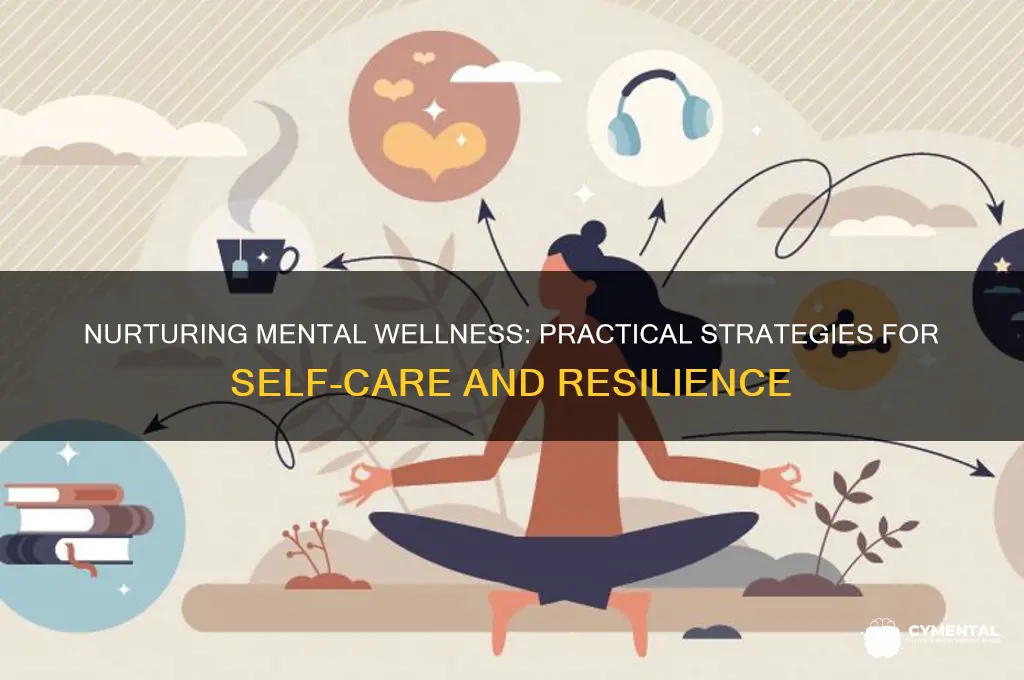
Taking care of your mental health is essential for overall well-being, and there are numerous ways to support yourself on this journey. Helping yourself mentally involves a combination of self-awareness, self-care practices, and seeking appropriate resources. It starts with recognizing your emotions, thoughts, and behaviors, and understanding that it's okay to not feel okay sometimes. Engaging in activities like meditation, exercise, or journaling can be powerful tools to manage stress and improve mood. Building a strong support system, whether through friends, family, or therapy, is crucial for sharing your experiences and gaining different perspectives. Additionally, setting realistic goals, practicing gratitude, and allowing yourself time to rest and recharge are vital steps in nurturing your mental health. Remember, seeking professional help when needed is a sign of strength, and there are many resources available to guide you toward a healthier, more balanced life.
Explore related products

$16.98 $30


What You'll Learn
- Practice Mindfulness: Focus on the present moment to reduce stress and improve mental clarity
- Exercise Regularly: Physical activity boosts mood, reduces anxiety, and enhances overall mental well-being
- Prioritize Sleep: Quality rest supports emotional regulation and cognitive function, aiding mental health
- Set Boundaries: Protect your mental space by limiting toxic interactions and overcommitments
- Seek Support: Talk to trusted friends, family, or professionals to process emotions and challenges

Practice Mindfulness: Focus on the present moment to reduce stress and improve mental clarity
The human mind is a restless creature, often darting between past regrets and future anxieties. This mental time travel, while natural, can be a significant source of stress and mental fog. Mindfulness, the practice of anchoring your attention to the present moment, offers a powerful antidote.
By consciously observing your thoughts, feelings, and bodily sensations without judgment, you create a space between stimulus and reaction, allowing you to respond to life's challenges with greater clarity and composure.
Imagine you're caught in a storm of worrying thoughts about an upcoming presentation. Instead of getting swept away by the "what ifs," mindfulness encourages you to acknowledge the worry, notice the physical tension it creates, and then gently bring your attention back to the present – the feel of your feet on the ground, the sound of your breath. This simple act of redirection breaks the cycle of rumination and cultivates a sense of calm amidst the mental turbulence.
Studies suggest that even brief periods of mindfulness practice, as little as 10 minutes daily, can significantly reduce stress levels and improve focus.
Incorporating mindfulness into your daily routine doesn't require hours of meditation. Start small: focus on your breath for a minute while waiting in line, savor the taste and texture of your food during meals, or take a mindful walk, noticing the sensations of your feet touching the ground with each step. Apps like Headspace or Calm offer guided meditations for beginners, providing structure and support. Remember, mindfulness is a skill, and like any skill, it improves with consistent practice.
Be patient with yourself, embrace the moments of wandering attention, and celebrate the small victories – the moments of calm and clarity that mindfulness brings.
Marijuana's Therapeutic Potential: Easing Mental Health Struggles Naturally
You may want to see also
Explore related products





Exercise Regularly: Physical activity boosts mood, reduces anxiety, and enhances overall mental well-being
Physical activity isn’t just about building muscle or losing weight—it’s a powerful tool for reshaping your mental landscape. Studies consistently show that regular exercise triggers the release of endorphins, often called "feel-good" hormones, which act as natural stress relievers. Even a 30-minute brisk walk can elevate your mood for hours. For those struggling with anxiety, exercise serves as a healthy distraction, breaking the cycle of worrying thoughts by shifting focus to bodily sensations like breathing and movement. The mental benefits are so pronounced that the American Psychological Association recommends exercise as a first-line treatment for mild to moderate depression.
Incorporating exercise into your routine doesn’t require marathon training or gym memberships. Start small: aim for 150 minutes of moderate aerobic activity (like cycling or swimming) or 75 minutes of vigorous activity (like running) per week, as advised by the World Health Organization. Consistency is key—even short, daily sessions like a 10-minute yoga flow or a quick HIIT workout can accumulate significant mental health benefits. For older adults, low-impact activities like tai chi or water aerobics improve balance and cognitive function while reducing anxiety. The goal is to find an activity you enjoy, as pleasure amplifies the mental rewards.
Consider the comparative impact of exercise versus sedentary habits. A 2018 study published in *The Lancet Psychiatry* analyzed data from 1.2 million adults and found that individuals who exercised reported 43% fewer days of poor mental health compared to those who didn’t. Interestingly, team sports, cycling, and aerobic exercise were linked to the most substantial mental health gains, likely due to their combination of physical exertion and social interaction. In contrast, sedentary activities like prolonged screen time were associated with higher anxiety and depression rates. The takeaway? Movement isn’t just beneficial—it’s a protective factor against mental decline.
Practicality is paramount when integrating exercise into your mental health toolkit. Schedule workouts as non-negotiable appointments with yourself, treating them with the same priority as work meetings. If motivation wanes, pair exercise with something you love, like listening to podcasts or working out with a friend. For those with busy schedules, break activity into micro-sessions: take the stairs, stretch during work breaks, or do bodyweight exercises while waiting for the kettle to boil. Remember, the goal isn’t perfection but progress. Even on tough days, a short walk or gentle stretch can provide a mental reset, proving that exercise is as much about resilience as it is about repetition.
Supporting Adult Children: Strategies to Address and Ease Mental Paranoia
You may want to see also
Explore related products

$13.93 $14.95


Prioritize Sleep: Quality rest supports emotional regulation and cognitive function, aiding mental health
Sleep isn't a luxury; it's a cornerstone of mental resilience. Research consistently shows that adults who average 7-9 hours of quality sleep per night exhibit greater emotional stability, improved problem-solving abilities, and heightened resilience to stress. Conversely, chronic sleep deprivation disrupts the delicate balance of neurotransmitters like serotonin and dopamine, fueling anxiety, depression, and irritability.
Imagine your brain as a computer. Sleep is its nightly defragmentation and virus scan. During deep sleep stages, the brain consolidates memories, clears waste products, and strengthens neural connections. This nocturnal housekeeping is essential for maintaining cognitive sharpness and emotional equilibrium. Skimping on sleep leaves your mental operating system sluggish, prone to glitches, and vulnerable to emotional crashes.
Prioritizing sleep isn't about willpower; it's about creating a sleep-friendly ecosystem. Establish a consistent sleep schedule, even on weekends. Create a relaxing bedtime routine that signals to your body it's time to wind down – dim the lights, avoid screens for an hour before bed, and engage in calming activities like reading or listening to soothing music. Optimize your sleep environment by ensuring your bedroom is cool, dark, and quiet. Consider investing in a comfortable mattress and pillows that support your body.
Remember, caffeine and alcohol disrupt sleep patterns, so limit consumption, especially close to bedtime.
Think of quality sleep as a preventative measure, not a luxury. Just as you wouldn't neglect regular exercise or a balanced diet, prioritizing sleep is an investment in your mental well-being. By nurturing your sleep hygiene, you're equipping yourself with the emotional and cognitive resources to navigate life's challenges with greater resilience and clarity.
Phy Ed's Impact: Boosting Children's Mental Health and Well-being
You may want to see also
Explore related products

$10.21 $18.95

$6.79 $14.99


Set Boundaries: Protect your mental space by limiting toxic interactions and overcommitments
Boundaries are the invisible fences that safeguard your mental garden, keeping out weeds while letting in the sunlight. Without them, toxic relationships and overcommitments can choke your emotional well-being, leaving you drained and depleted. Think of it as a mental hygiene practice: just as you wouldn’t leave your home unlocked, you shouldn’t leave your mind vulnerable to constant intrusion. Start by identifying the people or obligations that consistently leave you feeling exhausted, resentful, or undervalued. These are the red flags signaling where your boundaries need reinforcement.
Setting boundaries isn’t about being selfish; it’s about self-preservation. For instance, if a friend consistently cancels plans last minute or dominates conversations without reciprocating, limit your availability. Respond with a firm but polite message like, “I’m not available today, but let’s reschedule when it works for both of us.” Similarly, at work, learn to say no to tasks that overextend you. A simple, “I’m currently focused on [specific task], so I won’t be able to take this on,” communicates professionalism while protecting your time. Remember, every “yes” to something unnecessary is a “no” to your own needs.
One practical strategy is the *boundary script*—a pre-planned response for recurring situations. For example, if a family member repeatedly asks intrusive questions, rehearse a phrase like, “I’d rather not discuss that right now.” Consistency is key; boundaries only work if they’re enforced. Keep responses brief and avoid over-explaining, as this can invite further debate. Over time, people will adapt to your new limits, and you’ll reclaim mental space previously consumed by stress or guilt.
Caution: boundary-setting can initially provoke discomfort, both in yourself and others. You might fear being labeled “difficult” or worry about disappointing someone. But consider this: the cost of not setting boundaries is far greater—chronic stress, burnout, and eroded self-esteem. Start small, with low-stakes situations, and gradually build confidence. For example, decline a non-essential social invitation by saying, “I’m taking time for myself this weekend.” As you practice, you’ll notice a shift: your mental load lightens, and your relationships become more balanced.
In conclusion, boundaries are not walls but filters, allowing you to engage with the world on your terms. They require intentionality and practice but yield profound benefits. By limiting toxic interactions and overcommitments, you create a sanctuary for your mind—a space where you can recharge, reflect, and thrive. Think of it as decluttering your emotional environment, making room for what truly nourishes you. Your mental health is a finite resource; spend it wisely.
Opening Up: Unlocking Mental Health Benefits Through Vulnerability and Connection
You may want to see also
Explore related products


Seek Support: Talk to trusted friends, family, or professionals to process emotions and challenges
Human beings are inherently social creatures, wired for connection. This biological imperative extends beyond casual interaction; it forms the bedrock of our mental health. When faced with emotional turmoil or life's inevitable challenges, reaching out to trusted individuals isn't a sign of weakness, but a strategic utilization of our evolutionary advantage.
Think of it as outsourcing emotional processing. Just as we delegate complex tasks at work to specialists, sharing our struggles with empathetic listeners allows us to offload cognitive and emotional burdens. This externalization frees up mental bandwidth, enabling clearer thinking, better problem-solving, and a renewed sense of perspective.
Who qualifies as a "trusted" confidant? Ideally, someone who possesses active listening skills, empathy, and the ability to maintain confidentiality. This could be a close friend who's proven their reliability, a family member with a history of non-judgmental support, or a trained therapist equipped with professional tools and objectivity. The key is feeling safe and understood, allowing for vulnerable expression without fear of ridicule or betrayal.
Consider this a three-tiered support system:
- Tier 1: Close Circle: These are your emotional first responders – friends or family members who provide immediate comfort, validation, and a sense of belonging. Aim for 2-3 individuals you can text or call spontaneously.
- Tier 2: Extended Network: This includes acquaintances, support groups, or online communities sharing similar experiences. While less intimate, they offer valuable perspectives, shared understanding, and a sense of "you're not alone."
- Tier 3: Professional Help: Therapists, counselors, or psychiatrists provide specialized tools, evidence-based strategies, and a structured framework for addressing deeper issues. Think of them as mental health personal trainers, guiding you towards long-term resilience.
Remember, seeking support isn't a one-size-fits-all approach. Experiment with different tiers and individuals to find the combination that feels most effective for you. Consistency is key – regular check-ins, even brief ones, foster deeper connections and more meaningful support. View this as an investment in your mental well-being, not a sign of defeat. Just as we prioritize physical health through exercise and nutrition, nurturing our emotional health through connection is essential for a fulfilling life.
Seeking Mental Health Support: Can 111 Be a Helpful Resource?
You may want to see also
Frequently asked questions
Engage in regular physical activity, practice mindfulness or meditation, maintain a balanced diet, get adequate sleep, and connect with supportive friends or family members.
Practice deep breathing exercises, set realistic goals, prioritize tasks, limit caffeine and alcohol intake, and seek professional help if needed, such as therapy or counseling.
Focus on your strengths, set small achievable goals, challenge negative self-talk, practice gratitude daily, and surround yourself with encouraging and uplifting people.