Ava Ramirez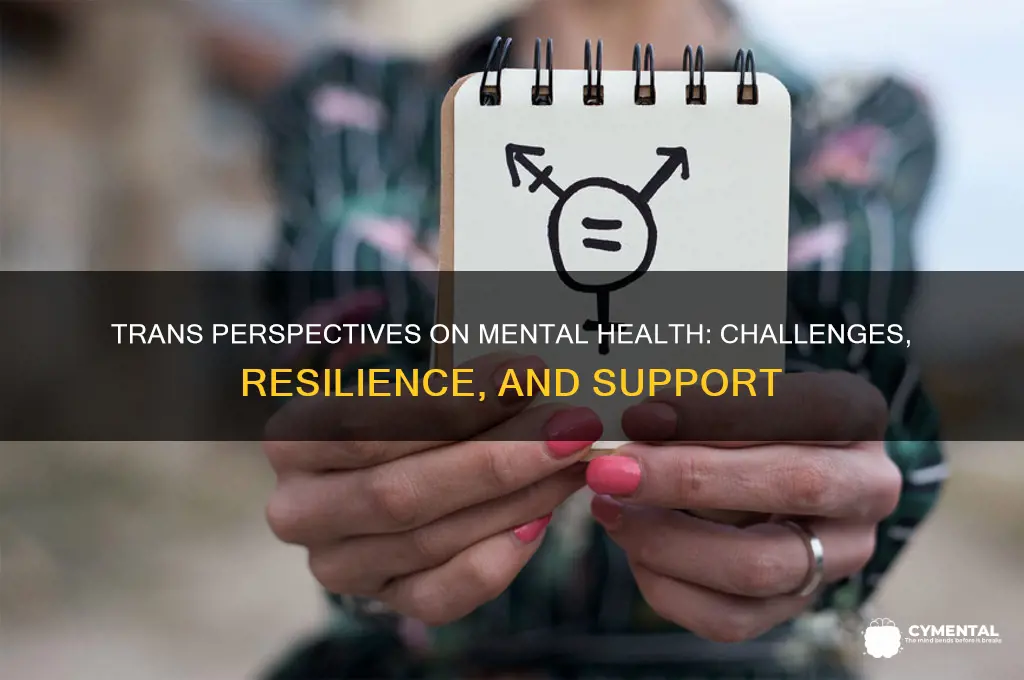
Transgender individuals often face unique challenges when it comes to mental health, shaped by systemic discrimination, societal stigma, and a lack of understanding from healthcare providers. Studies consistently show higher rates of anxiety, depression, and suicidal ideation among trans people compared to the general population, largely due to experiences of rejection, violence, and barriers to accessing affirming care. However, it’s important to recognize that these issues are not inherent to being trans but are instead a result of external stressors and societal marginalization. Many trans individuals emphasize the importance of community support, gender-affirming care, and validation of their identities as crucial factors in improving mental well-being. Viewing mental health through this lens highlights the need for systemic change and greater inclusivity to address the root causes of these disparities.
Explore related products


What You'll Learn
- Impact of Gender Dysphoria: Understanding how gender dysphoria affects mental health and well-being
- Stigma and Discrimination: Exploring societal stigma and its mental health consequences for trans individuals
- Access to Affirming Care: Challenges in accessing mental health care that respects trans identities
- Intersectionality and Mental Health: How race, class, and other identities influence mental health experiences
- Resilience and Coping Strategies: Highlighting trans individuals' resilience and effective coping mechanisms for mental health

Impact of Gender Dysphoria: Understanding how gender dysphoria affects mental health and well-being
Gender dysphoria, the distress experienced due to a mismatch between one’s assigned gender at birth and their gender identity, profoundly impacts mental health. Studies show that transgender individuals with untreated gender dysphoria are at significantly higher risk for anxiety, depression, and suicidal ideation. For example, a 2015 U.S. Transgender Survey found that 40% of respondents had attempted suicide, compared to 4.6% of the general population. This disparity underscores the urgent need to address gender dysphoria as a critical factor in mental health outcomes.
To mitigate these risks, affirming interventions are essential. Gender-affirming care, which includes social transition, hormone therapy, and surgeries, has been shown to reduce symptoms of dysphoria and improve mental well-being. For instance, a 2021 study in *Pediatrics* found that transgender youth who received puberty blockers had significantly lower rates of depression and suicidal thoughts compared to those who did not. However, access to such care remains limited due to barriers like cost, stigma, and lack of trained providers. Advocacy for inclusive healthcare policies is crucial to ensure all transgender individuals can access life-saving treatments.
Beyond medical interventions, social support plays a pivotal role in managing gender dysphoria. Family acceptance, workplace inclusivity, and community belonging can buffer against mental health challenges. Research from the Family Acceptance Project highlights that transgender youth with supportive families are 50% less likely to attempt suicide. Practical steps for allies include using correct pronouns, advocating for inclusive policies, and creating safe spaces. These actions, though seemingly small, can have a transformative impact on a transgender person’s mental health.
Finally, it’s important to recognize that gender dysphoria is not a mental illness itself but a condition that can lead to mental health issues when unaddressed. Framing dysphoria as a pathology perpetuates stigma and hinders effective care. Instead, a strengths-based approach that focuses on resilience and self-acceptance can empower transgender individuals to navigate their experiences. By understanding the interplay between gender dysphoria and mental health, we can foster a more compassionate and informed approach to supporting transgender well-being.
The Hidden Financial Impact of Mental Health Issues on Businesses
You may want to see also
Explore related products


Stigma and Discrimination: Exploring societal stigma and its mental health consequences for trans individuals
Trans individuals face a unique and pervasive challenge: societal stigma that directly impacts their mental health. This stigma manifests in various forms, from microaggressions to systemic discrimination, creating an environment where trans people often feel marginalized and misunderstood. Research consistently shows that this stigma is a significant predictor of mental health issues, including depression, anxiety, and suicidal ideation. For instance, a 2015 U.S. Transgender Survey found that 40% of respondents had attempted suicide, a rate nine times higher than the general population. This alarming statistic underscores the urgent need to address the societal attitudes and structures that perpetuate such harm.
Consider the daily realities of trans individuals: misgendering, deadnaming, and exclusion from public spaces are not rare occurrences but common experiences. These acts, whether intentional or not, reinforce a sense of otherness and invalidate trans identities. Over time, this chronic invalidation can lead to internalized transphobia, where individuals begin to question their own worth and legitimacy. Mental health professionals often report that trans clients struggle with self-esteem and self-acceptance, not because of their identity, but because society constantly tells them their identity is wrong or unnatural. To combat this, allies and institutions must actively work to create affirming environments, using correct pronouns, educating themselves, and advocating for inclusive policies.
One practical step toward reducing stigma is implementing comprehensive training programs in healthcare, education, and workplaces. For example, healthcare providers should be trained to use gender-affirming language and understand the specific health needs of trans individuals. Schools can adopt policies that allow students to use preferred names and restrooms aligning with their gender identity. Employers can ensure non-discrimination policies explicitly include gender identity and provide resources for transitioning employees. These measures not only foster acceptance but also send a powerful message: trans identities are valid and deserving of respect.
However, addressing stigma requires more than policy changes; it demands a shift in cultural attitudes. Media representation plays a crucial role in shaping public perception. Positive, nuanced portrayals of trans characters can challenge stereotypes and humanize trans experiences. For instance, shows like *Pose* and *Euphoria* have been praised for their authentic representation of trans lives, though such examples remain far too few. Encouraging media creators to consult trans individuals in the storytelling process can ensure accuracy and sensitivity. Simultaneously, public awareness campaigns can educate the broader population about the realities of trans life, debunking myths and fostering empathy.
Ultimately, the mental health consequences of stigma and discrimination are not inevitable; they are preventable. By dismantling systemic barriers, fostering inclusive communities, and promoting cultural understanding, society can create a world where trans individuals thrive. This is not merely a matter of compassion but of justice. Every person deserves to live free from prejudice and to have their identity affirmed. The journey is long, but each step—whether through policy, education, or representation—brings us closer to a future where stigma no longer casts its shadow on trans lives.
Supporting Your Child’s Mental Health: Practical Strategies for Parents
You may want to see also
Explore related products

$49.95 $82.99

$55.99 $68.99


Access to Affirming Care: Challenges in accessing mental health care that respects trans identities
Trans individuals often face a critical barrier in mental health care: finding providers who not only understand but actively affirm their gender identities. This isn’t merely about sensitivity; it’s about safety. A 2021 study in the *Journal of Transgender Health* found that 42% of trans patients reported experiencing refusal of care or mistreatment by mental health professionals. Such encounters exacerbate existing mental health struggles, with misgendering, deadnaming, or pathologizing trans identities directly contributing to heightened anxiety, depression, and suicidal ideation. Without affirming care, therapy sessions can become re-traumatizing spaces, undermining the very purpose of seeking help.
Consider the practical steps required to navigate this landscape. First, trans individuals must identify providers who specialize in gender-affirming care, a task complicated by limited directories and inconsistent training among mental health professionals. Platforms like the World Professional Association for Transgender Health (WPATH) offer provider lists, but these are often incomplete or geographically restrictive. Second, even when a provider is found, financial barriers loom large. Many affirming therapists operate outside insurance networks, leaving patients to choose between affordability and competence. For example, a single session with an out-of-network therapist can cost $150–$250, a prohibitive expense for many, especially when compounded by other transition-related costs like hormone therapy or legal name changes.
The consequences of inadequate affirming care are stark. A 2020 report from The Trevor Project revealed that trans youth who had access to gender-affirming care had 50% lower odds of attempting suicide compared to those who did not. Yet, systemic barriers persist. Provider bias remains a significant issue, with some clinicians still operating from outdated models that pathologize trans identities. For instance, a therapist who insists on exploring a patient’s "underlying causes" for being trans, rather than focusing on their current needs, perpetuates harm. This approach not only invalidates the patient’s experience but also reinforces stigma, making future care-seeking less likely.
To address these challenges, systemic change is imperative. Mental health training programs must integrate transgender-specific competencies, ensuring providers understand the nuances of gender identity and the impact of affirmation on mental health outcomes. Insurance companies need to expand coverage for gender-affirming mental health care, recognizing it as essential rather than elective. On an individual level, trans individuals can advocate for themselves by asking providers direct questions during initial consultations: "Do you have experience working with trans clients?" "How do you approach gender-affirming care?" These inquiries help gauge competence and create a foundation for trust.
Ultimately, access to affirming mental health care is a matter of equity and survival. It requires dismantling institutional barriers, educating providers, and empowering trans individuals to demand the care they deserve. Without these changes, the mental health system will continue to fail those it is meant to serve, perpetuating cycles of harm rather than healing.
Balancing Work and Mental Health: Strategies for Resilience and Well-Being
You may want to see also
Explore related products


Intersectionality and Mental Health: How race, class, and other identities influence mental health experiences
Trans individuals often face a complex interplay of identities that significantly shape their mental health experiences. Intersectionality, a framework that examines how overlapping identities such as race, class, and gender influence systemic oppression, is crucial for understanding these dynamics. For instance, a Black trans woman may encounter not only transphobia but also racism and sexism, creating a layered barrier to accessing mental health care. Studies show that trans people of color report higher rates of depression and anxiety compared to their white counterparts, highlighting the compounded impact of multiple marginalized identities. This reality underscores the need for mental health services that address these intersecting factors.
Consider the practical steps mental health providers can take to create inclusive environments. First, incorporate cultural competency training that specifically addresses racial, economic, and gender diversity. For example, therapists should be trained to recognize how microaggressions based on race or class can exacerbate mental health struggles for trans clients. Second, offer sliding-scale fees or pro-bono services to ensure affordability, as financial barriers disproportionately affect trans individuals, particularly those from lower socioeconomic backgrounds. Third, collaborate with community organizations that serve marginalized groups to build trust and provide referrals. These actionable measures can help dismantle systemic barriers and improve mental health outcomes.
A comparative analysis reveals that trans individuals from affluent backgrounds may have greater access to resources like therapy or gender-affirming care, yet still face mental health challenges tied to societal stigma. Conversely, low-income trans people often grapple with housing instability, employment discrimination, and limited healthcare access, which directly contribute to higher stress and trauma. For example, a 2021 study found that 30% of trans individuals in the U.S. live in poverty, compared to 11% of the general population. This disparity illustrates how class intersects with gender identity to create unique mental health burdens, emphasizing the need for policies that address economic inequality alongside healthcare reform.
Finally, a persuasive argument for intersectional mental health care lies in its potential to foster resilience and empowerment. By acknowledging and validating the diverse experiences of trans individuals, providers can help clients reframe their struggles not as personal failures but as responses to systemic oppression. For instance, group therapy sessions that center shared experiences of racism, transphobia, or classism can create a sense of community and collective healing. Additionally, incorporating advocacy into treatment plans—such as supporting clients in navigating legal name changes or accessing hormone therapy—can enhance their sense of agency. This approach not only addresses immediate mental health needs but also equips individuals with tools to challenge broader societal injustices.
Enhance Your Well-Being: Practical Strategies to Improve Mental Health Issues
You may want to see also
Explore related products

$35


$14.99 $18.95



Resilience and Coping Strategies: Highlighting trans individuals' resilience and effective coping mechanisms for mental health
Trans individuals often face unique mental health challenges, yet their resilience and coping strategies offer profound insights into human adaptability. Research indicates that despite higher rates of anxiety, depression, and suicidal ideation, many trans people develop robust mechanisms to navigate systemic discrimination, familial rejection, and internalized stigma. Their resilience is not merely survival but a testament to the strength found in authenticity and community. For instance, a 2021 study published in the *Journal of Transgender Health* found that trans individuals who accessed gender-affirming care reported significantly lower rates of psychological distress, underscoring the importance of validation and support in fostering mental well-being.
One effective coping mechanism is the cultivation of chosen families—networks of friends and allies who provide emotional and social support when biological families are unsupportive. These relationships serve as a buffer against isolation, offering a sense of belonging and acceptance. Practical steps to build such networks include joining LGBTQ+ community groups, attending local events, or participating in online forums. For younger trans individuals (ages 18–25), peer support groups have been shown to reduce feelings of loneliness by up to 40%, according to a 2020 study by The Trevor Project. Engaging in these spaces not only fosters connection but also normalizes shared experiences, reducing the internalization of stigma.
Another critical strategy is the practice of self-compassion, which involves treating oneself with kindness and understanding, particularly during moments of dysphoria or external invalidation. Mindfulness-based interventions, such as guided meditation or journaling, can help trans individuals reframe negative thoughts and focus on their strengths. A 2019 study in *Psychology of Sexual Orientation and Gender Diversity* found that trans participants who engaged in daily self-compassion exercises reported a 25% decrease in symptoms of depression over eight weeks. To start, individuals can dedicate 10 minutes daily to writing affirmations or practicing deep-breathing exercises, gradually integrating these habits into their routine.
Advocacy and activism also emerge as powerful coping tools, as they transform personal struggles into collective action. Engaging in advocacy—whether through volunteering, public speaking, or social media campaigns—empowers trans individuals by giving them a voice and a sense of purpose. For example, trans activists like Laverne Cox and Janet Mock have not only raised awareness but also inspired countless others to embrace their identities. However, it’s crucial to set boundaries to avoid burnout; activists should allocate specific times for self-care and limit exposure to triggering content. Balancing activism with personal well-being ensures sustainability in the long term.
Finally, accessing professional mental health care tailored to trans experiences is non-negotiable. Therapists trained in gender-affirming practices can provide evidence-based interventions, such as cognitive-behavioral therapy (CBT) or trauma-focused therapy, to address specific challenges. For instance, CBT has been shown to reduce gender dysphoria-related distress by 30% in trans clients over 12 sessions. When seeking therapy, individuals should prioritize providers who use their preferred names and pronouns, as misgendering can exacerbate mental health issues. Additionally, telehealth platforms have expanded access to trans-competent care, particularly for those in rural or conservative areas.
In essence, the resilience of trans individuals is a multifaceted phenomenon, rooted in community, self-compassion, activism, and targeted support systems. By adopting these coping strategies, trans people not only survive but thrive, offering a blueprint for resilience that transcends their community. Their journeys remind us that mental health is not just about overcoming adversity but about reclaiming joy, authenticity, and dignity in the face of it.
Supporting Loved Ones: Essential Tips for Mental Health Caregiving
You may want to see also
Frequently asked questions
Trans people often view mental health issues as deeply interconnected with systemic discrimination, lack of access to affirming care, and societal stigma. Many recognize that mental health struggles, such as anxiety, depression, and suicidal ideation, are often exacerbated by transphobia, misgendering, and barriers to transition-related care.
A: Yes, studies consistently show that trans individuals experience higher rates of mental health issues due to minority stress, discrimination, and lack of support. However, many trans advocates emphasize that these issues are not inherent to being trans but are a result of societal mistreatment and lack of acceptance.
Trans individuals often prioritize finding mental health providers who are knowledgeable about gender identity and affirming of their experiences. Many seek out LGBTQ+-specific resources or therapists with specialized training to ensure they receive competent and respectful care.
Gender-affirming care, such as hormone therapy, gender-affirming surgeries, and social transition support, is widely recognized as crucial for improving mental health outcomes among trans individuals. Access to such care is often viewed as a matter of well-being and survival rather than a luxury.
Many trans individuals and organizations actively work to destigmatize mental health issues by promoting open conversations, sharing personal stories, and advocating for accessible, affirming care. They emphasize that seeking help is a sign of strength and resilience in the face of systemic challenges.