Ava Ramirez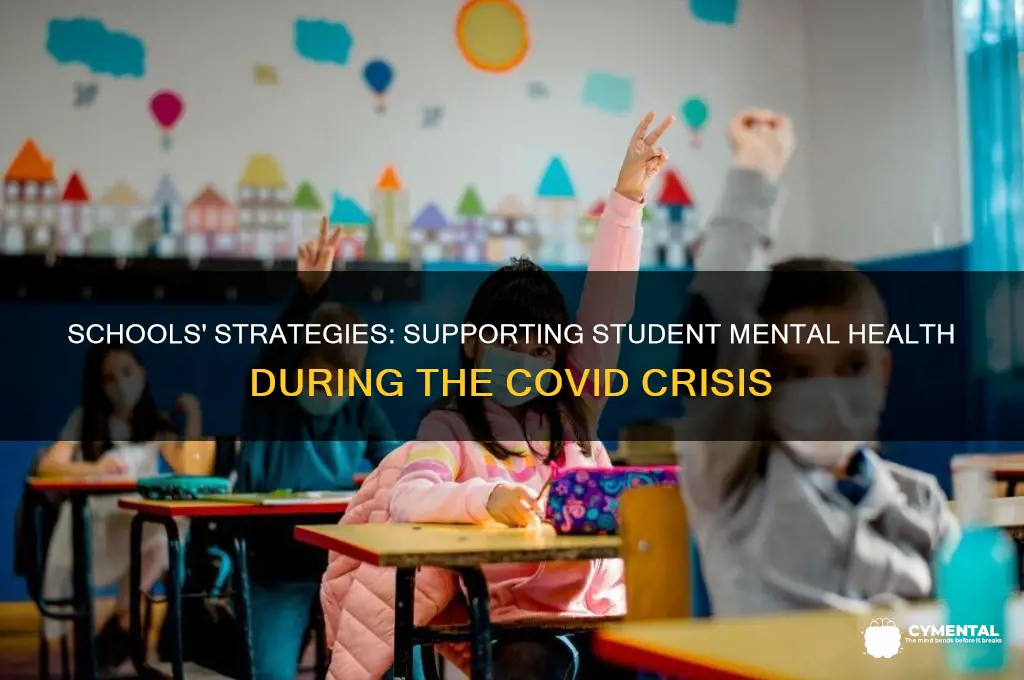
During the COVID-19 pandemic, schools have implemented a variety of strategies to support students' mental health, recognizing the significant impact of prolonged isolation, uncertainty, and disrupted routines. Many institutions have integrated virtual counseling services, offering one-on-one or group sessions with mental health professionals to address anxiety, stress, and depression. Schools have also prioritized social-emotional learning (SEL) programs, embedding lessons on resilience, emotional regulation, and coping skills into curricula. Additionally, educators have fostered connections through regular check-ins, virtual clubs, and peer support networks to combat feelings of loneliness. Some schools have partnered with local mental health organizations to provide resources and workshops for both students and parents, while others have adopted flexible academic policies to reduce stress. These efforts reflect a growing awareness of the importance of mental well-being in navigating the challenges of the pandemic.
Explore related products


What You'll Learn
- Virtual Counseling Services: Schools offering online therapy sessions to support students' mental well-being remotely
- Flexible Learning Options: Adapting schedules and workloads to reduce stress and accommodate individual needs
- Peer Support Programs: Encouraging student-led initiatives to foster connection and mutual emotional support
- Mental Health Training: Equipping teachers and staff with tools to identify and address student struggles
- Regular Check-Ins: Implementing routine wellness checks to monitor and support students' mental health proactively

Virtual Counseling Services: Schools offering online therapy sessions to support students' mental well-being remotely
The COVID-19 pandemic has forced schools to rethink how they support student mental health, with many turning to virtual counseling services as a lifeline. Recognizing that anxiety, depression, and isolation were on the rise, schools began offering online therapy sessions to ensure students could access support remotely. This shift wasn’t just a stopgap measure—it became a cornerstone of mental health care during lockdowns and beyond. Platforms like Zoom, Google Meet, and specialized telehealth tools enabled counselors to connect with students in real time, breaking down barriers of distance and stigma.
Implementing virtual counseling effectively requires careful planning. Schools must first identify licensed therapists or counselors who are trained in telehealth practices and adept at engaging students through screens. Sessions are typically scheduled during school hours to minimize disruption, with 30- to 50-minute slots tailored to individual needs. For younger students, counselors often incorporate interactive elements like virtual games or drawing activities to keep them engaged. Privacy is paramount; schools ensure sessions are conducted in secure, encrypted environments and provide guidance on creating a confidential space at home, such as using headphones or finding a quiet room.
One standout example is a high school in California that partnered with a local mental health organization to offer daily virtual drop-in sessions. Students could join anonymously, discussing stressors ranging from academic pressure to family conflicts. The program saw a 40% increase in participation compared to pre-pandemic in-person services, suggesting the convenience and anonymity of virtual sessions lowered barriers to seeking help. Another school district in Texas introduced a tiered approach, offering group sessions for general stress management and one-on-one therapy for students with more severe needs. This model ensured resources were allocated efficiently while addressing a spectrum of mental health concerns.
Despite its benefits, virtual counseling isn’t without challenges. Technical issues like poor internet connectivity can disrupt sessions, particularly for students in underserved areas. Counselors also report difficulty reading nonverbal cues through a screen, which can hinder rapport-building. To mitigate this, some schools provide training for counselors on virtual communication techniques, such as using active listening strategies and encouraging students to share more verbally. Additionally, schools must ensure students have access to devices and reliable internet, sometimes distributing hotspots or tablets to those in need.
The takeaway is clear: virtual counseling services are a vital tool in supporting student mental health, especially in times of crisis. They offer flexibility, accessibility, and a sense of continuity when in-person interactions are limited. However, their success depends on thoughtful implementation—from training counselors in telehealth best practices to addressing technological inequities. As schools continue to navigate the aftermath of the pandemic, virtual counseling is likely to remain a key component of their mental health toolkit, bridging gaps and fostering resilience in students wherever they are.
Mental Imagery: Accelerating Recovery and Performance for Injured Athletes
You may want to see also
Explore related products


$26.77 $40.95


Flexible Learning Options: Adapting schedules and workloads to reduce stress and accommodate individual needs
Schools have recognized that rigid schedules and overwhelming workloads can exacerbate student stress, especially during the COVID-19 pandemic. To address this, many institutions have introduced flexible learning options, allowing students to adapt their schedules and pace of work to better suit their mental health needs. This approach acknowledges that one size does not fit all, particularly when students are navigating unprecedented challenges.
One practical example of flexible learning is the implementation of asynchronous instruction, where students can access lessons and complete assignments at their own pace within a given timeframe. For instance, a high school in California introduced a "flex block" period, allowing students to choose between live classes, recorded lectures, or independent study time. This model reduces the pressure of attending back-to-back Zoom sessions and accommodates students dealing with caregiving responsibilities, time zone differences, or mental health struggles. Research suggests that such flexibility can decrease anxiety by 20-30% among students who feel overwhelmed by traditional schedules.
Another strategy is workload modulation, where schools allow students to adjust the number of courses they take or the depth of assignments. For example, a middle school in New York offered a "reduced load" option for students experiencing heightened stress, permitting them to drop one elective course per semester without penalty. This approach ensures students can focus on core subjects while managing their mental well-being. Educators caution, however, that clear communication is essential to prevent students from feeling stigmatized for opting into these programs.
Persuasively, flexible learning options not only benefit students but also foster a culture of empathy and understanding within schools. By prioritizing mental health, educators demonstrate that academic success is not solely defined by rigid adherence to schedules or workloads. For instance, a district in Texas implemented a "mental health day" policy, allowing students to take excused absences for emotional well-being without requiring a doctor’s note. This shift encourages students to prioritize self-care without fear of academic repercussions.
In conclusion, flexible learning options represent a proactive step toward supporting student mental health during COVID-19. By offering asynchronous instruction, workload modulation, and policies like mental health days, schools can create an environment that values individual needs and reduces stress. While implementation requires careful planning and communication, the long-term benefits of fostering resilience and well-being make this approach a worthwhile investment.
Swimming's Mental Benefits: Stress Relief, Focus, and Emotional Well-being
You may want to see also
Explore related products


Peer Support Programs: Encouraging student-led initiatives to foster connection and mutual emotional support
During the COVID-19 pandemic, schools have increasingly turned to peer support programs as a way to address the surge in student mental health challenges. These initiatives, often student-led, create safe spaces for young people to share experiences, offer empathy, and provide mutual emotional support. By leveraging the power of peer relationships, schools can foster a sense of community and resilience, counteracting the isolation and stress exacerbated by remote learning and social distancing.
One effective model is the Peer Helper Program, where trained student volunteers offer support to their peers through structured conversations or informal check-ins. For example, a high school in California implemented a program where seniors, after completing a 12-hour training course on active listening and mental health awareness, were paired with underclassmen struggling with anxiety or loneliness. The program’s success was evident in a 30% increase in students reporting they felt supported, according to a post-program survey. Key to its effectiveness was the training component, which ensured peers were equipped to handle sensitive conversations without overstepping boundaries.
However, implementing such programs requires careful consideration. Schools must balance the benefits of peer support with the risk of overwhelming student volunteers. For instance, a middle school in Texas introduced a similar initiative but failed to provide adequate supervision, leading to burnout among peer helpers. To avoid this, schools should establish clear guidelines, such as limiting peer support sessions to 30 minutes and ensuring volunteers have access to professional counselors for debriefing. Additionally, programs should be age-appropriate; younger students may benefit more from group activities fostering connection, while older students might prefer one-on-one conversations.
A persuasive argument for peer support programs lies in their ability to normalize conversations around mental health. By encouraging students to openly discuss their struggles, schools can reduce stigma and create a culture of empathy. For example, a student-led campaign at a New York high school used social media to share anonymous stories of resilience, paired with peer-led workshops on stress management. This dual approach not only provided practical tools but also reinforced the message that seeking help is a sign of strength. Such campaigns can be particularly impactful when integrated into existing school events, like wellness weeks or mental health awareness months.
In conclusion, peer support programs offer a scalable and relatable solution to the mental health crisis exacerbated by COVID-19. When designed thoughtfully, these initiatives empower students to support one another while fostering a sense of belonging. Schools should invest in training, supervision, and age-appropriate structures to maximize their impact, ensuring that peer helpers feel supported as they support others. By doing so, they can create a sustainable framework for mental health care that extends beyond the pandemic.
Weightlifting's Mental Benefits: Boosting Mood, Focus, and Resilience
You may want to see also
Explore related products


Mental Health Training: Equipping teachers and staff with tools to identify and address student struggles
Schools have become frontline responders in addressing the mental health crisis exacerbated by the COVID-19 pandemic. One critical strategy emerging is the implementation of mental health training programs for teachers and staff. These initiatives aim to equip educators with the skills to recognize signs of distress and intervene effectively, ensuring students receive timely support. By fostering a culture of awareness and empathy, schools can transform into safe havens where mental health is prioritized alongside academic achievement.
Consider the following scenario: A middle school teacher notices a once-outgoing student becoming increasingly withdrawn, submitting incomplete assignments, and avoiding group activities. Without proper training, the teacher might attribute these changes to laziness or disinterest. However, mental health training would enable the teacher to identify these behaviors as potential indicators of anxiety or depression. Armed with this knowledge, the teacher could initiate a private conversation, offer reassurance, and refer the student to a school counselor or external mental health professional. This proactive approach can prevent minor issues from escalating into major crises.
Effective mental health training programs for educators typically cover three core areas: awareness, intervention, and self-care. Awareness involves educating staff about common mental health challenges among students, such as anxiety, depression, and trauma, and their manifestations in academic and social settings. Intervention focuses on teaching evidence-based strategies, such as active listening, de-escalation techniques, and the use of validated screening tools like the Generalized Anxiety Disorder-7 (GAD-7) for older students. Self-care emphasizes the importance of educators maintaining their own mental well-being to avoid burnout and model healthy coping mechanisms for students. For instance, a high school in California integrated a monthly "Wellness Wednesday" program, where teachers participated in mindfulness sessions and stress management workshops, enhancing their capacity to support students.
Implementing such training requires careful planning. Schools should partner with mental health organizations or licensed professionals to ensure content is evidence-based and age-appropriate. Training should be ongoing, with refresher sessions to reinforce skills and address emerging issues. For example, a district in Texas adopted a tiered training model: Tier 1 provided foundational knowledge for all staff, Tier 2 offered specialized training for counselors and administrators, and Tier 3 connected educators with external resources for complex cases. Additionally, schools should create a feedback loop, allowing teachers to share their experiences and suggest improvements to the training program.
While mental health training is a powerful tool, it is not a panacea. Educators must be cautious about overstepping their role and avoid substituting professional therapy. Clear boundaries and referral pathways are essential to ensure students receive appropriate care. For instance, a teacher in New York successfully identified a student’s suicidal ideation during a check-in but immediately involved the school psychologist and the student’s family, demonstrating the importance of collaboration. Ultimately, mental health training empowers educators to act as compassionate first responders, creating a supportive environment where students feel seen, heard, and valued.
Exploring the Complex Link Between Illegal Drugs and Mental Health
You may want to see also
Explore related products


Regular Check-Ins: Implementing routine wellness checks to monitor and support students' mental health proactively
Schools are increasingly recognizing the value of regular check-ins as a proactive measure to support student mental health, especially during the heightened stress of the COVID-19 pandemic. These routine wellness checks serve as a preventive tool, allowing educators and counselors to identify early signs of distress before they escalate into more serious issues. By normalizing conversations about mental health, check-ins reduce stigma and encourage students to seek help when needed. For instance, some schools have implemented weekly or bi-weekly virtual or in-person meetings between students and designated staff members, such as counselors or homeroom teachers, to assess emotional well-being.
The structure of these check-ins varies, but effective models often include a combination of open-ended questions and structured assessments. For younger students (ages 6–12), visual tools like mood charts or emotion thermometers can help them express how they’re feeling. Older students (ages 13–18) may benefit from more conversational approaches, such as discussing their stress levels, sleep patterns, and social connections. Schools should train staff to listen actively, validate emotions, and refer students to additional resources when necessary. For example, a teacher might notice a student consistently reporting difficulty sleeping and connect them with the school’s mental health team for further evaluation.
One caution is the potential for check-ins to feel intrusive or superficial if not implemented thoughtfully. To avoid this, schools should ensure these interactions are private, voluntary, and conducted by trusted adults. Additionally, staff must be trained to recognize red flags, such as persistent sadness, withdrawal, or expressions of hopelessness, and know how to respond appropriately. Overburdening teachers with this responsibility without adequate support can also lead to burnout, so schools should consider involving counselors, social workers, or external mental health professionals in the process.
A key takeaway is that regular check-ins are most effective when integrated into a broader mental health strategy. They should complement other initiatives, such as peer support programs, mindfulness activities, and access to professional counseling. For example, a school might pair weekly check-ins with monthly mental health workshops or a digital platform where students can anonymously submit concerns. By creating a layered support system, schools can address mental health holistically, ensuring no student slips through the cracks.
In conclusion, regular check-ins are a practical and scalable way for schools to monitor and support student mental health proactively. When designed with care, these interactions foster trust, encourage open communication, and provide a safety net for students navigating the challenges of COVID-19 and beyond. Schools that prioritize this approach send a powerful message: mental health matters, and every student deserves to be seen, heard, and supported.
The Salvation Army's Mental Health Support: Hope, Healing, and Community
You may want to see also
Frequently asked questions
Schools are adopting a multi-faceted approach, including virtual counseling sessions, mental health awareness campaigns, and flexible learning schedules to reduce stress and anxiety.
Schools are offering mindfulness and relaxation programs, providing access to mental health professionals, and creating safe spaces for students to express their feelings and concerns.
Yes, many schools are providing teachers with training on mental health first aid, trauma-informed practices, and strategies to support students' emotional well-being.
Virtual platforms are being used to deliver counseling services, host support groups, and share mental health resources, ensuring students can access help even when in-person interactions are limited.
Schools are organizing workshops for parents, sharing tips on supporting children’s mental health at home, and maintaining open communication to address concerns collaboratively.