Caleb Wright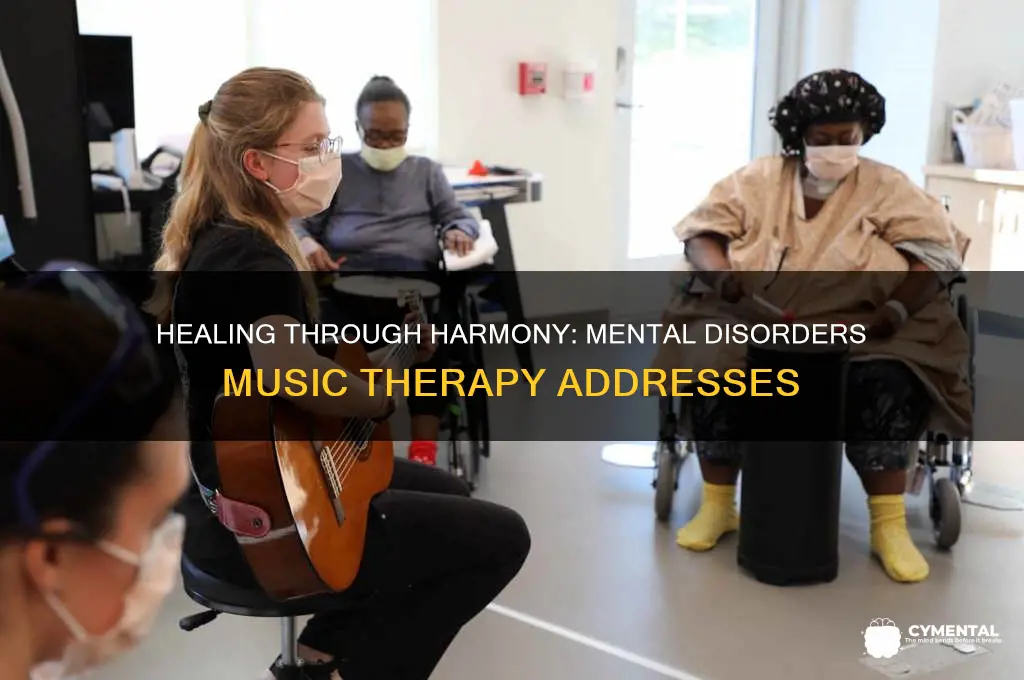
Music therapy is a powerful and versatile intervention that can effectively support individuals with a range of mental health disorders by leveraging the emotional and cognitive benefits of music. Research has shown that it can be particularly beneficial for those struggling with anxiety, depression, and post-traumatic stress disorder (PTSD), as it helps reduce stress, improve mood, and process traumatic experiences in a non-verbal, creative way. Additionally, music therapy has been found to assist individuals with schizophrenia by enhancing emotional expression and social engagement, while also providing a structured outlet for managing symptoms. For those with substance use disorders, it can serve as a healthy coping mechanism, promoting relaxation and emotional release. Furthermore, music therapy has shown promise in helping individuals with bipolar disorder regulate their emotions and improve overall well-being, making it a valuable complementary treatment in mental health care.
Explore related products


What You'll Learn
- Anxiety and stress reduction through rhythm and melody
- Depression management with emotional expression via music
- PTSD symptom alleviation using therapeutic songwriting techniques
- Schizophrenia support through structured musical activities and engagement
- Autism spectrum disorder communication improvement via musical interaction and play

Anxiety and stress reduction through rhythm and melody
Music therapy has been shown to significantly reduce symptoms of anxiety and stress by leveraging the inherent calming properties of rhythm and melody. Studies indicate that engaging with music—whether through listening, playing, or creating—can lower cortisol levels, the body’s primary stress hormone. For instance, a 2013 study published in the *Journal of Music Therapy* found that participants who listened to slow-tempo music (60–80 beats per minute) experienced a 65% reduction in stress levels compared to those who did not. This suggests that intentional use of rhythm and melody can act as a non-invasive, accessible tool for managing anxiety.
To harness these benefits, consider incorporating structured musical practices into daily routines. Start with 15–20 minutes of listening to instrumental music with a steady, predictable rhythm, such as classical pieces by Mozart or ambient tracks designed for relaxation. For active engagement, drumming or tapping along to a metronome at 60 beats per minute can help synchronize breathing and heart rate, promoting a sense of calm. Research from the *British Journal of Health Psychology* highlights that rhythmic entrainment—the process of aligning bodily rhythms with external beats—can reduce anxiety symptoms by up to 30% in adults aged 18–65. Pairing these practices with deep breathing exercises amplifies their effectiveness.
While rhythm provides structure, melody plays a complementary role in emotional regulation. Melodic contours—the rise and fall of musical phrases—mirror human speech patterns, making them inherently soothing. Therapists often recommend singing or humming simple melodies to ground individuals during moments of heightened anxiety. For children and adolescents, who may struggle with verbalizing emotions, creating melodies on instruments like the piano or ukulele can serve as a safe outlet for expression. A 2020 study in *Music and Medicine* found that adolescents who engaged in melodic improvisation reported a 40% decrease in stress levels over six weeks.
However, not all musical interventions yield the same results. Fast tempos, dissonant harmonies, or lyrics that evoke negative emotions can inadvertently increase anxiety. It’s crucial to tailor the musical selection to individual preferences and sensitivities. For example, someone with generalized anxiety disorder might benefit from minimalist compositions like those by Max Richter, while another may find solace in the repetitive patterns of electronic music. Monitoring physiological responses—such as heart rate or muscle tension—during sessions can help refine the approach.
Incorporating rhythm and melody into anxiety management requires consistency and mindfulness. Begin with short, daily sessions and gradually increase duration as tolerance improves. Apps like *Calm* or *Endel* offer personalized soundscapes based on time of day and stress levels, providing a modern twist on traditional practices. For those in therapy, combining music with cognitive-behavioral techniques can enhance outcomes. Ultimately, the key lies in using music as a deliberate, therapeutic tool rather than a passive background element, transforming it from mere entertainment into a powerful ally against anxiety and stress.
Investing in Schools: How Proper Funding Supports Student Mental Health
You may want to see also
Explore related products


Depression management with emotional expression via music
Music therapy offers a unique avenue for managing depression by facilitating emotional expression, a critical component in breaking the cycle of internalized pain. Unlike verbal communication, which can feel daunting or inadequate for those struggling with depression, music provides a non-threatening medium to articulate complex emotions. Research indicates that engaging with music—whether through listening, playing, or creating—activates the brain’s reward centers, releasing dopamine, a neurotransmitter often deficient in depressed individuals. For instance, a study published in the *Journal of Music Therapy* found that structured music therapy sessions significantly reduced symptoms of depression in adults over an 8-week period, with participants reporting improved mood and emotional clarity.
To harness the therapeutic potential of music for depression, consider a structured approach. Start with 20–30 minutes of daily music engagement, tailored to your emotional state. If feeling overwhelmed, opt for calming instrumental pieces or nature-inspired soundtracks to induce relaxation. Conversely, if experiencing emotional numbness, try upbeat or rhythmically complex music to stimulate emotional arousal. Active participation, such as playing an instrument or singing, amplifies the benefits by fostering a sense of accomplishment and control. For adolescents, incorporating familiar genres or collaborative music-making can enhance engagement and reduce resistance to therapy.
A critical aspect of using music for emotional expression is intentionality. Rather than passively consuming music, actively reflect on the emotions it evokes. Journaling during or after listening sessions can help articulate feelings that surface, bridging the gap between emotional experience and cognitive awareness. For example, a melancholic melody might unlock suppressed grief, while a triumphant chorus could inspire hope. This process, known as "music-assisted introspection," has been shown to enhance emotional processing and reduce depressive rumination.
However, caution is warranted. While music therapy is generally safe, certain types of music can exacerbate depressive symptoms if not chosen thoughtfully. Avoid music that reinforces negative thought patterns or triggers traumatic memories. Additionally, over-reliance on music as a coping mechanism without addressing underlying issues may lead to emotional avoidance. For optimal results, integrate music therapy into a comprehensive treatment plan, ideally under the guidance of a trained music therapist or mental health professional.
In conclusion, music therapy serves as a powerful tool for depression management by enabling emotional expression in a safe and accessible manner. By combining structured engagement, intentional reflection, and mindful selection, individuals can unlock music’s potential to heal and transform. Whether as a standalone practice or part of a broader therapeutic approach, music offers a universal language to navigate the complexities of depression, one note at a time.
Socializing for Mental Health: Boosting Well-Being Through Connection and Community
You may want to see also
Explore related products


PTSD symptom alleviation using therapeutic songwriting techniques
Post-traumatic stress disorder (PTSD) often traps individuals in a cycle of intrusive memories, hypervigilance, and emotional numbness. Therapeutic songwriting offers a unique pathway to disrupt this cycle by engaging the brain’s creative and emotional centers simultaneously. Unlike traditional talk therapy, which relies on verbal processing, songwriting allows individuals to express complex emotions through melody, rhythm, and lyrics, often bypassing the cognitive barriers that trauma erects. Studies show that this dual engagement can reduce cortisol levels, the body’s primary stress hormone, by up to 25% during and after sessions, providing immediate physiological relief.
The process begins with guided prompts designed to tap into fragmented memories or suppressed emotions. For instance, a therapist might ask, “What does your fear sound like?” or “If your pain had a rhythm, what would it be?” These questions encourage clients to translate abstract trauma into tangible musical elements. A 2021 study published in *Music and Medicine* found that PTSD patients who engaged in weekly 45-minute songwriting sessions reported a 40% reduction in flashback frequency after eight weeks. The key lies in the act of creation itself: structuring chaos into art reclaims a sense of control, a critical step in trauma recovery.
However, implementation requires caution. Not all PTSD patients respond equally; those with severe dissociation or auditory hypersensitivity may find the process overwhelming. Therapists must start slowly, perhaps with simple drumming or humming, before progressing to lyrics. Group settings can be particularly effective for veterans or survivors of collective trauma, as shared songwriting fosters camaraderie and reduces feelings of isolation. For adolescents, incorporating familiar genres (e.g., hip-hop or pop) can increase engagement, while older adults may benefit from nostalgic melodies that evoke pre-trauma safety.
One practical technique is the “lyrical reframing” exercise. Clients write a verse describing their trauma in present tense, then rewrite it in past tense with a hopeful chorus. This shifts the narrative from “I am broken” to “I am healing,” rewiring neural pathways associated with self-perception. Pairing this with a minor-to-major key change in the music amplifies the emotional shift. For maximum efficacy, sessions should occur twice weekly for at least six weeks, with recordings of the songs provided for at-home listening, reinforcing progress between sessions.
While therapeutic songwriting is not a standalone cure, it complements existing treatments like CBT and EMDR by addressing the limbic system directly. Its non-verbal nature makes it accessible even to those who struggle to articulate their pain. As one PTSD survivor noted, “Writing my song was the first time I felt my trauma wasn’t bigger than me.” By transforming suffering into art, this approach offers not just symptom alleviation, but a profound reauthoring of one’s story.
Effective Strategies to Overcome Mental Health Challenges and Thrive
You may want to see also
Explore related products



Schizophrenia support through structured musical activities and engagement
Structured musical activities offer a unique avenue for supporting individuals with schizophrenia, leveraging the brain’s innate response to rhythm, melody, and harmony. Unlike passive listening, active engagement in music—such as playing instruments, singing, or composing—activates multiple neural pathways, fostering cognitive and emotional regulation. For instance, drumming in a group setting has been shown to improve concentration and reduce auditory hallucinations in some patients, as the rhythmic focus redirects attention away from intrusive thoughts. These activities are not merely recreational; they are therapeutic tools that can complement traditional treatments like medication and psychotherapy.
Implementing structured musical therapy for schizophrenia requires careful planning to maximize benefits while minimizing potential stressors. Sessions should be tailored to individual preferences and abilities, starting with simple activities like humming or tapping along to a beat before progressing to more complex tasks. For example, a 45-minute weekly session combining singing and improvisation on a keyboard has been found effective for adults aged 25–40, with improvements in social engagement and mood stability observed after 8–12 weeks. Caregivers and therapists must monitor participants for signs of overstimulation, ensuring the environment remains calm and supportive.
One of the most compelling aspects of musical therapy for schizophrenia is its ability to address social isolation, a common challenge for those living with the disorder. Group musical activities, such as choir rehearsals or ensemble performances, encourage collaboration and communication, fostering a sense of belonging. A study published in the *Journal of Music Therapy* highlighted that participants in group drumming circles reported reduced feelings of loneliness and increased self-esteem after just six sessions. These social benefits are particularly valuable, as they complement the cognitive and emotional gains achieved through individual practice.
Despite its potential, musical therapy is not a one-size-fits-all solution and must be integrated thoughtfully into a broader treatment plan. Clinicians should collaborate with music therapists to design programs that align with patients’ goals and symptom profiles. For instance, individuals experiencing severe paranoia may benefit from solo activities like songwriting, which allows for self-expression without the pressure of group interaction. Additionally, combining musical therapy with mindfulness techniques, such as focusing on the present moment during a performance, can enhance its effectiveness in reducing anxiety and improving focus.
In conclusion, structured musical activities provide a dynamic and accessible means of supporting individuals with schizophrenia, offering cognitive, emotional, and social benefits. By incorporating tailored exercises, monitoring participant comfort, and fostering a collaborative environment, this approach can significantly enhance quality of life. While not a standalone treatment, when used alongside traditional therapies, musical engagement emerges as a powerful tool in the holistic management of schizophrenia.
Exercise and Mental Health: Boosting Mood, Focus, and Resilience Naturally
You may want to see also
Explore related products


$10.99 $18.99


Autism spectrum disorder communication improvement via musical interaction and play
Music therapy has emerged as a powerful tool for individuals with Autism Spectrum Disorder (ASD), particularly in enhancing communication skills through structured musical interaction and play. Unlike traditional verbal communication, music provides a non-threatening, multisensory medium that can engage individuals with ASD on their terms. Research shows that rhythmic and melodic elements in music can help regulate attention, reduce anxiety, and create a predictable environment, which are often challenging areas for those on the spectrum. For instance, a study published in the *Journal of Music Therapy* found that children with ASD who participated in weekly music therapy sessions demonstrated significant improvements in verbal and nonverbal communication over a six-month period.
One practical approach to incorporating musical interaction into therapy involves using simple instruments like drums, shakers, or keyboards to encourage turn-taking and imitation. For example, a therapist might play a rhythmic pattern and invite the individual to replicate it, fostering reciprocal communication. This method not only enhances auditory processing but also builds social skills, as the individual learns to respond to and engage with another person. For younger children (ages 3–7), incorporating songs with repetitive lyrics can help improve speech and language development, as the predictability of the music makes it easier to anticipate and mimic words.
A key benefit of musical play is its ability to bypass communication barriers often experienced by individuals with ASD. Music’s universal language allows for expression without the pressure of verbalizing complex thoughts. For instance, a teenager with ASD might use a guitar to convey emotions they struggle to articulate verbally, fostering a sense of connection and understanding. Therapists often recommend starting with 15–20 minute sessions, gradually increasing duration as the individual becomes more comfortable. Consistency is crucial; regular sessions, ideally 2–3 times per week, yield the best results.
However, it’s important to tailor musical activities to the individual’s preferences and sensory sensitivities. Some may find certain instruments or tones overwhelming, so therapists should introduce elements gradually and observe reactions. For example, a child sensitive to loud noises might benefit from quieter instruments like a xylophone or hand chimes. Additionally, incorporating visual aids, such as picture cards or lyrics sheets, can enhance engagement for those who are visual learners.
In conclusion, musical interaction and play offer a unique pathway to improving communication in individuals with ASD. By leveraging music’s inherent structure and emotional resonance, therapists can create a supportive environment that encourages expression, social interaction, and skill development. With careful planning and personalization, this approach can unlock new avenues of connection for those on the autism spectrum.
LSD's Potential: Unlocking Mental Health Benefits and Therapeutic Insights
You may want to see also
Frequently asked questions
Music therapy is a clinical and evidence-based practice that uses music interventions to address physical, emotional, cognitive, and social needs. It works by engaging individuals in creating, listening to, or moving to music, which can stimulate brain function, reduce stress, and improve emotional expression.
A: Yes, music therapy can be effective for anxiety and depression. It helps reduce stress hormones, promotes relaxation, and provides an outlet for emotional expression. Techniques like guided imagery with music or songwriting can help individuals process and manage their emotions.
A: Music therapy can be highly beneficial for individuals with PTSD. It helps regulate emotions, reduce hyperarousal, and improve sleep. Rhythmic activities, such as drumming, can also help ground individuals and reduce flashbacks.
A: Yes, music therapy is often used to support individuals with ASD. It can improve communication, social skills, and emotional regulation. Structured musical activities, like singing or playing instruments, provide a predictable and engaging way to interact with others.
A: Music therapy can help individuals with ADHD by improving focus, reducing impulsivity, and enhancing self-regulation. Rhythmic activities and structured musical tasks can provide a calming effect and help individuals stay engaged and organized.