Madison Cole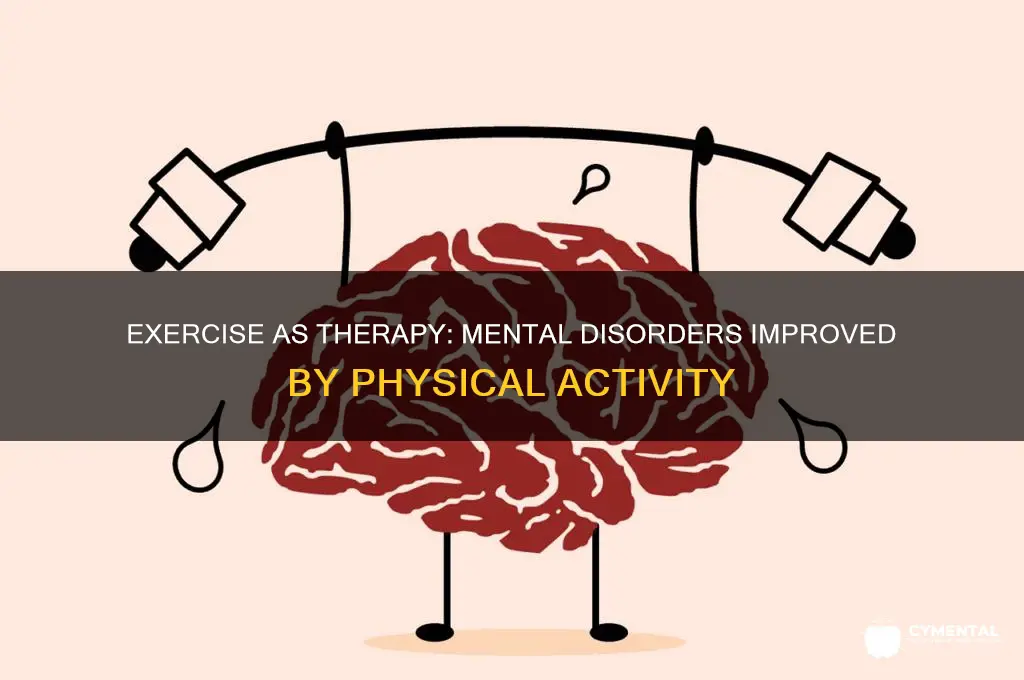
Regular exercise is a powerful tool in managing and alleviating symptoms of various mental disorders, offering both physical and psychological benefits. Studies have shown that physical activity can significantly reduce symptoms of depression and anxiety by boosting mood through the release of endorphins and other neurotransmitters. Exercise also plays a crucial role in managing stress, improving sleep quality, and enhancing cognitive function, which can benefit individuals with conditions like ADHD and PTSD. Additionally, it promotes self-esteem and social interaction, which are particularly helpful for those struggling with eating disorders or social anxiety. By incorporating exercise into a holistic treatment plan, individuals can experience improved mental well-being and a greater sense of control over their mental health challenges.
| Characteristics | Values |
|---|---|
| Depression | Reduces symptoms by releasing endorphins, improving mood, and reducing stress hormones like cortisol. |
| Anxiety | Decreases anxiety levels by promoting relaxation and reducing physiological arousal. |
| ADHD (Attention Deficit Hyperactivity Disorder) | Improves focus, reduces hyperactivity, and enhances cognitive function through increased dopamine and norepinephrine levels. |
| PTSD (Post-Traumatic Stress Disorder) | Helps regulate emotions, reduces hyperarousal, and improves sleep quality. |
| Bipolar Disorder | Stabilizes mood swings and reduces depressive episodes by promoting neuroplasticity and stress resilience. |
| Schizophrenia | Improves cognitive function, reduces symptoms of depression, and enhances overall quality of life. |
| Stress | Lowers cortisol levels, promotes relaxation, and improves coping mechanisms. |
| Insomnia | Regulates sleep patterns by promoting physical tiredness and reducing anxiety. |
| Obsessive-Compulsive Disorder (OCD) | Reduces anxiety and compulsive behaviors by improving emotional regulation. |
| Eating Disorders | Enhances body image, reduces anxiety, and promotes healthier coping mechanisms. |
| Dementia and Alzheimer's | Improves cognitive function, slows cognitive decline, and enhances brain health through increased blood flow and neurogenesis. |
| General Mental Well-being | Boosts self-esteem, reduces symptoms of mild to moderate mental health conditions, and promotes overall emotional resilience. |
Explore related products

$18.88 $25.99


$10.88 $15.99


What You'll Learn
- Reduces Anxiety Symptoms: Exercise lowers stress hormones, promotes relaxation, and improves mood, reducing anxiety
- Alleviates Depression: Physical activity boosts endorphins, serotonin, and dopamine, easing depressive symptoms
- Improves ADHD Focus: Exercise enhances dopamine and norepinephrine, aiding concentration and reducing ADHD symptoms
- Manages PTSD Stress: Regular movement helps regulate emotions, reduce hyperarousal, and improve sleep in PTSD
- Eases Bipolar Moods: Exercise stabilizes mood swings, reduces stress, and improves overall emotional regulation in bipolar disorder

Reduces Anxiety Symptoms: Exercise lowers stress hormones, promotes relaxation, and improves mood, reducing anxiety
Exercise isn't just about building muscle or shedding pounds; it's a powerful tool for calming the mind. Anxiety disorders, characterized by excessive worry and fear, affect millions worldwide. Fortunately, lacing up your sneakers can be a potent antidote.
Studies show that regular physical activity significantly reduces anxiety symptoms. This isn't just anecdotal evidence; it's backed by science. Exercise acts as a natural stress reliever, lowering cortisol, the body's primary stress hormone. Think of it as hitting the "reset" button on your nervous system.
Imagine this: a brisk 30-minute walk, a swim, or even a gentle yoga session. These activities trigger the release of endorphins, often referred to as "feel-good" hormones. Endorphins act as natural painkillers and mood elevators, effectively counteracting the negative effects of stress and anxiety. It's like a natural, side-effect-free anti-anxiety medication.
But how much exercise is enough? Aim for at least 150 minutes of moderate-intensity aerobic activity or 75 minutes of vigorous activity per week. This could be broken down into 30-minute sessions, five days a week. Consistency is key; regular exercise builds resilience against anxiety over time.
Don't underestimate the power of mindfulness during exercise. Focus on your breath, the sensation of your body moving, and the rhythm of your steps. This mindful approach amplifies the stress-reducing benefits, turning your workout into a moving meditation. Remember, exercise isn't a magic bullet, but it's a powerful tool in your anxiety-fighting arsenal. Combine it with other strategies like therapy and healthy sleep habits for a comprehensive approach to managing anxiety and reclaiming your peace of mind.
Exploring the Controversial Role of Illegal Drugs in Mental Health Treatment
You may want to see also
Explore related products

$14.99 $19.99


$16.38 $18.99

$6.99 $10.99


Alleviates Depression: Physical activity boosts endorphins, serotonin, and dopamine, easing depressive symptoms
Depression often feels like a heavy fog that clouds every aspect of life, but physical activity can act as a powerful dispersant. When you engage in exercise, your body releases endorphins, serotonin, and dopamine—neurotransmitters that play a critical role in mood regulation. These chemicals, often referred to as "feel-good" hormones, counteract the lethargy and sadness associated with depression. For instance, a 30-minute brisk walk or a moderate jog can trigger an immediate, albeit temporary, uplift in mood, offering a natural and accessible tool for managing depressive symptoms.
The science behind this is straightforward yet profound. Endorphins, produced during physical exertion, act as natural painkillers and mood elevators. Serotonin, which exercise helps regulate, is essential for feelings of well-being and happiness. Dopamine, released during and after exercise, enhances motivation and pleasure. Together, these neurotransmitters create a biochemical environment that can significantly reduce the intensity of depressive episodes. Studies show that consistent exercise, such as 150 minutes of moderate aerobic activity per week, can be as effective as antidepressant medication for some individuals, particularly those with mild to moderate depression.
Incorporating exercise into a depression management plan doesn’t require a gym membership or intense workouts. Simple, consistent activities like yoga, swimming, or even gardening can yield benefits. For older adults, low-impact exercises like tai chi or walking are particularly effective, as they improve mood without straining joints. Younger individuals might benefit from more dynamic activities like cycling or team sports, which also provide social interaction—another mood booster. The key is to choose activities you enjoy, as this increases adherence and maximizes the mental health benefits.
However, it’s important to approach exercise as a complement to, not a replacement for, professional treatment. While physical activity can alleviate symptoms, severe depression often requires therapy, medication, or both. Start small, perhaps with 10 minutes of activity daily, and gradually increase duration and intensity. Track your mood over time to observe patterns and adjustments. For those hesitant to begin, pairing exercise with a friend or joining a group class can provide accountability and motivation. Remember, the goal isn’t perfection but progress—each step forward is a step toward brighter mental health.
Later School Start Times: Boosting Mental Health for Students?
You may want to see also
Explore related products


Improves ADHD Focus: Exercise enhances dopamine and norepinephrine, aiding concentration and reducing ADHD symptoms
Exercise isn't just about building muscles or shedding pounds; it's a powerful tool for managing ADHD symptoms. For individuals with ADHD, the brain often struggles to regulate dopamine and norepinephrine, neurotransmitters crucial for focus, attention, and impulse control. This imbalance can lead to restlessness, distractibility, and difficulty completing tasks.
Here's where exercise steps in as a natural remedy. Physical activity stimulates the release of these very neurotransmitters, essentially giving the ADHD brain a much-needed boost. Studies show that regular exercise, particularly aerobic activities like running, swimming, or cycling, can significantly improve focus, concentration, and overall cognitive function in individuals with ADHD.
Think of it as a natural stimulant, without the side effects often associated with medication.
But how much exercise is enough? Research suggests that at least 30 minutes of moderate-intensity exercise, three to five times a week, can yield noticeable benefits. This could be a brisk walk, a bike ride, or even a dance class. For children with ADHD, incorporating play-based activities like tag, jumping rope, or martial arts can be both fun and effective.
Consistency is key. Making exercise a regular part of your routine allows for sustained improvements in focus and attention.
It's important to note that exercise isn't a cure-all for ADHD. It should be seen as a complementary strategy alongside other treatments like therapy and medication. However, its ability to naturally enhance dopamine and norepinephrine levels makes it a valuable tool for managing symptoms and improving overall well-being. So, lace up your sneakers and embrace the power of movement – your ADHD brain will thank you.
Supporting Mental Health: Compassionate Strategies to Aid the Unstable Mind
You may want to see also
Explore related products



Manages PTSD Stress: Regular movement helps regulate emotions, reduce hyperarousal, and improve sleep in PTSD
Exercise is a powerful tool in managing Post-Traumatic Stress Disorder (PTSD), offering a natural and accessible way to alleviate symptoms and improve overall well-being. One of its most significant benefits is the ability to regulate emotions, a common challenge for individuals with PTSD. Emotional dysregulation often manifests as sudden mood swings, intense anger, or profound sadness, making daily life unpredictable and distressing. Regular physical activity, such as brisk walking, swimming, or yoga, can help stabilize these fluctuations by promoting the release of endorphins, the body’s natural mood lifters. Studies suggest that even 30 minutes of moderate exercise, three to five times a week, can lead to noticeable improvements in emotional control.
Hyperarousal, another hallmark of PTSD, is characterized by heightened anxiety, irritability, and an exaggerated startle response. Exercise acts as a physiological counterbalance to this state by reducing levels of stress hormones like cortisol and adrenaline. High-intensity interval training (HIIT) or martial arts can be particularly effective here, as they provide both physical exertion and mental focus, helping to "burn off" excess energy and calm the nervous system. However, it’s crucial to tailor the intensity and type of exercise to the individual’s comfort level, as overly strenuous activity can sometimes trigger anxiety in those with PTSD.
Sleep disturbances are a pervasive issue for many with PTSD, often exacerbating other symptoms. Regular movement improves sleep quality by regulating the body’s circadian rhythm and promoting deeper, more restorative sleep cycles. Gentle, low-impact exercises like tai chi or stretching in the evening can be especially beneficial, as they prepare the body for rest without overstimulation. Avoiding vigorous workouts within two hours of bedtime is also recommended, as this can have the opposite effect, making it harder to wind down.
Practical implementation is key to reaping these benefits. For beginners, starting with short, manageable sessions—such as 10-minute walks—and gradually increasing duration and intensity can build confidence and reduce the risk of overwhelm. Incorporating mindfulness techniques, like focusing on breath during exercise, can enhance the calming effects. Additionally, group activities, such as team sports or fitness classes, can provide social support, which is often lacking in individuals with PTSD. Consistency is paramount; even on difficult days, light movement, like gentle stretching or a short walk, can make a difference.
In conclusion, exercise is not a cure for PTSD, but it is a valuable component of a holistic treatment plan. By regulating emotions, reducing hyperarousal, and improving sleep, regular movement empowers individuals to regain control over their mental health. With thoughtful planning and adaptability, it can become a sustainable and rewarding practice for managing PTSD symptoms.
Massage Therapy: A Powerful Tool for Mental Health and Wellness
You may want to see also
Explore related products


Eases Bipolar Moods: Exercise stabilizes mood swings, reduces stress, and improves overall emotional regulation in bipolar disorder
Bipolar disorder, characterized by extreme mood swings, can be a tumultuous journey. Yet, emerging research highlights a powerful, accessible tool to help stabilize these fluctuations: regular exercise. Studies show that physical activity can act as a natural mood regulator, reducing the intensity and frequency of manic and depressive episodes. This isn’t about running marathons—even moderate activities like brisk walking, swimming, or yoga can yield significant benefits. The key lies in consistency, as exercise helps balance neurotransmitters like serotonin and dopamine, which play a critical role in mood regulation.
Consider this: a 2015 study published in the *Journal of Psychiatric Research* found that bipolar patients who engaged in aerobic exercise three times a week for 20–30 minutes experienced fewer depressive symptoms and improved overall mood stability. The mechanism? Exercise reduces cortisol, the stress hormone, while increasing brain-derived neurotrophic factor (BDNF), which promotes neural health. For those with bipolar disorder, this dual action can create a buffer against the emotional extremes that define the condition. Practical tip: start small, with activities you enjoy, and gradually increase intensity to avoid overwhelm.
However, integrating exercise into a bipolar management plan isn’t without challenges. Manic phases may lead to overexercising, while depressive episodes can make even light activity feel insurmountable. Here’s a strategy: during manic periods, focus on structured, low-impact exercises like tai chi or Pilates to prevent burnout. In depressive phases, set micro-goals—even 10 minutes of stretching counts. Pairing exercise with a consistent routine, such as working out at the same time daily, can also enhance adherence. Caregivers or therapists can play a role by offering accountability and encouragement.
The comparative benefits of exercise extend beyond medication and therapy. While pharmaceuticals target specific symptoms, exercise addresses the broader spectrum of emotional regulation. Unlike medication, it also comes with zero side effects and additional perks like improved cardiovascular health and weight management. For younger individuals (ages 18–35), high-energy activities like cycling or dance classes may be particularly appealing, while older adults (50+) might benefit from gentler options like water aerobics or walking. The takeaway? Exercise isn’t a cure, but it’s a versatile, empowering tool in the bipolar toolkit.
Finally, a persuasive note: if you or someone you know struggles with bipolar disorder, view exercise not as a chore but as an act of self-care. It’s a way to reclaim agency over mood fluctuations and build resilience. Start today—even a short walk can be a step toward stability. Remember, the goal isn’t perfection but progress. With time, the cumulative effects of regular physical activity can transform not just moods, but lives.
Yoga and Mental Health: Unlocking Inner Peace and Emotional Balance
You may want to see also
Frequently asked questions
Exercising can help alleviate symptoms of depression, anxiety, ADHD, PTSD, and stress-related disorders.
Exercise releases endorphins, improves mood, reduces inflammation, and promotes neural growth, which can help combat depressive symptoms.
Yes, exercise helps reduce anxiety by lowering stress hormones like cortisol, promoting relaxation, and improving overall emotional well-being.
Exercise increases dopamine, norepinephrine, and serotonin levels, which can improve focus, reduce impulsivity, and enhance cognitive function in individuals with ADHD.
Exercise can reduce hyperarousal symptoms, improve sleep quality, and provide a healthy coping mechanism, helping individuals with PTSD manage their condition more effectively.