Caleb Wright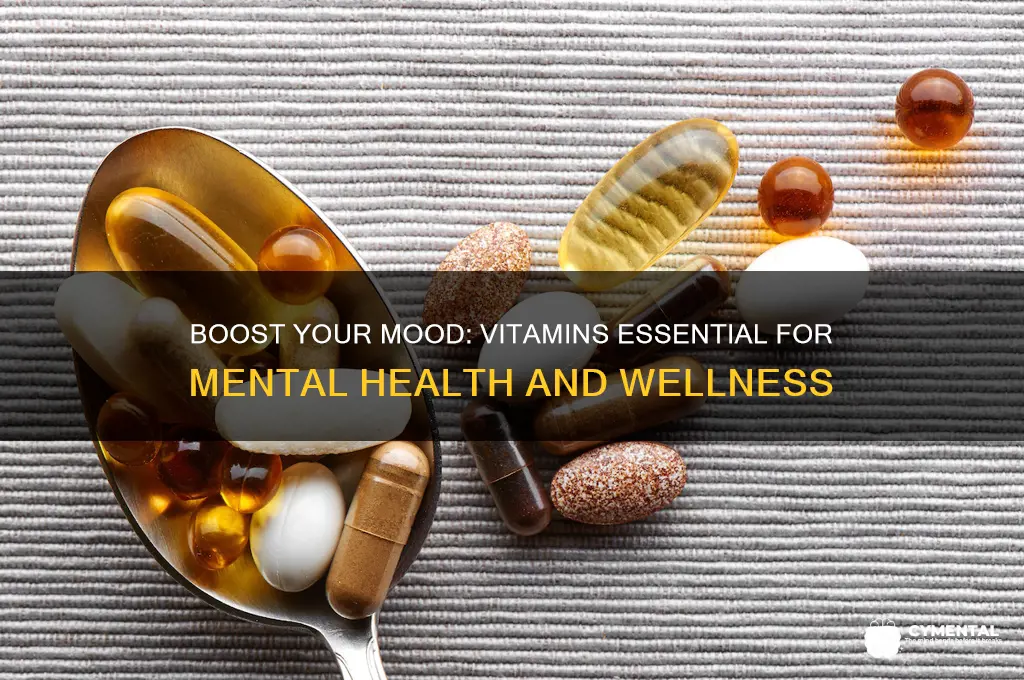
Vitamins play a crucial role in supporting overall health, including mental well-being. Among them, Vitamin D, often referred to as the sunshine vitamin, has gained significant attention for its impact on mental health. Research suggests that Vitamin D helps regulate mood, reduce symptoms of depression, and support cognitive function by influencing neurotransmitters like serotonin. Additionally, B vitamins, particularly B6, B9 (folate), and B12, are essential for brain health, as they aid in the production of neurotransmitters and the synthesis of DNA. Omega-3 fatty acids, though not vitamins, are also vital for mental health, promoting brain function and reducing anxiety and depression. Ensuring adequate intake of these nutrients through diet or supplements can be a valuable component of maintaining and improving mental health.
Explore related products


What You'll Learn
- Vitamin D reduces depression symptoms and improves mood, especially in deficient individuals
- B vitamins (B6, B9, B12) support brain function and reduce anxiety
- Omega-3 fatty acids (not a vitamin) boost cognitive function and mental clarity
- Vitamin C lowers stress hormones and enhances overall emotional well-being
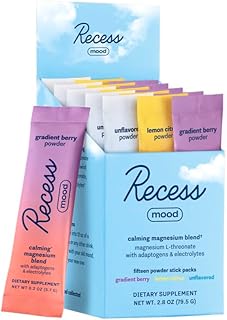
- Magnesium (mineral) aids in calming the nervous system and reducing anxiety

Vitamin D reduces depression symptoms and improves mood, especially in deficient individuals
Vitamin D, often dubbed the "sunshine vitamin," plays a pivotal role in mental health, particularly in alleviating depression symptoms and enhancing mood. Research consistently highlights its impact, especially in individuals with deficiencies. Studies show that those with low Vitamin D levels are more likely to experience depressive disorders, and supplementation can lead to measurable improvements in mood and overall well-being. For instance, a meta-analysis published in the *Journal of Affective Disorders* found that Vitamin D supplementation significantly reduced depression symptoms in deficient populations. This underscores the importance of addressing Vitamin D levels as part of a holistic approach to mental health.
To harness Vitamin D’s benefits, understanding dosage is key. Adults with deficiencies typically require higher initial doses to restore optimal levels. A common regimen involves 5,000 to 10,000 IU daily for 6–8 weeks, followed by a maintenance dose of 2,000–4,000 IU daily. However, individual needs vary, and blood tests should guide supplementation to avoid toxicity. For older adults, who are at higher risk of deficiency due to reduced skin synthesis and dietary intake, starting with 2,000 IU daily and adjusting based on blood levels is often recommended. Pairing Vitamin D with Vitamin K2 can enhance absorption and ensure calcium is properly utilized, reducing potential side effects.
Practical tips for increasing Vitamin D levels extend beyond supplementation. Sun exposure remains the most natural source, with 10–30 minutes of midday sunlight on the face, arms, and legs 2–3 times weekly being sufficient for many individuals. Dietary sources like fatty fish (salmon, mackerel), fortified foods (milk, cereals), and egg yolks can also contribute, though they often provide minimal amounts compared to supplements. For those in northern latitudes or with limited sun exposure, UV lamps designed for Vitamin D synthesis can be an alternative, though their efficacy varies. Combining these strategies ensures a multifaceted approach to addressing deficiency.
Comparatively, Vitamin D stands out among other vitamins for its direct link to mood regulation. Unlike B vitamins, which support neurotransmitter production, or Omega-3s, which reduce inflammation, Vitamin D acts on neural pathways and immune function to modulate mood. Its role in serotonin synthesis—a neurotransmitter critical for mood stability—further distinguishes it. While other nutrients are essential, Vitamin D’s impact on depression is particularly pronounced in deficient individuals, making it a priority for targeted intervention. This specificity highlights its unique value in mental health management.
In conclusion, Vitamin D is not just a nutrient for bone health; it’s a critical player in mental well-being. For those struggling with depression, especially if deficiency is a factor, addressing Vitamin D levels can be transformative. Whether through supplementation, sunlight, or dietary adjustments, proactive steps to optimize Vitamin D intake offer a tangible, evidence-based strategy for improving mood and reducing depressive symptoms. As with any intervention, consultation with a healthcare provider ensures personalized and safe implementation, maximizing the benefits of this powerful vitamin.
Nature's Healing Power: Outdoor Activities Boosting Mental Well-Being
You may want to see also
Explore related products


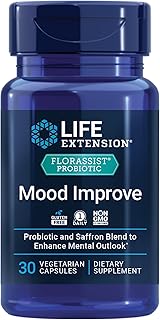
B vitamins (B6, B9, B12) support brain function and reduce anxiety
B vitamins, particularly B6, B9, and B12, play a pivotal role in maintaining and enhancing mental health by supporting brain function and reducing anxiety. These vitamins are essential cofactors in the synthesis of neurotransmitters like serotonin, dopamine, and gamma-aminobutyric acid (GABA), which regulate mood, stress response, and cognitive function. Deficiencies in these vitamins have been linked to increased anxiety, depression, and cognitive decline, making their adequate intake crucial for mental well-being.
Consider the mechanism: B6 (pyridoxine) aids in the production of serotonin and dopamine, neurotransmitters that stabilize mood and promote feelings of happiness. B9 (folate) is critical for DNA synthesis and repair, particularly in rapidly dividing cells like those in the brain. B12 (cobalamin) supports the formation of myelin, the protective sheath around neurons, ensuring efficient nerve signal transmission. Together, these vitamins create a foundation for optimal brain health. For instance, a study published in the *American Journal of Clinical Nutrition* found that higher blood levels of B vitamins were associated with better cognitive performance and reduced anxiety symptoms in adults.
To harness these benefits, focus on incorporating B vitamin-rich foods into your diet or considering supplements under professional guidance. Foods like leafy greens, legumes, eggs, and fortified cereals are excellent sources of B6 and B9, while B12 is primarily found in animal products like fish, meat, and dairy. For those following plant-based diets, B12 supplementation is often necessary, as it is not naturally present in plant foods. Recommended daily intakes vary by age and life stage: adults generally need 1.3–2.4 mcg of B12, 400 mcg of folate, and 1.3–1.7 mg of B6. Pregnant women and older adults may require higher doses, so consulting a healthcare provider is essential.
Practical tips for optimizing B vitamin intake include pairing iron-rich foods with vitamin C to enhance absorption, as B vitamins work synergistically with other nutrients. For example, eating a spinach salad (rich in folate) with bell peppers (high in vitamin C) can improve overall nutrient utilization. If opting for supplements, choose methylated forms like methylfolate and methylcobalamin, which are more bioavailable, especially for individuals with genetic variations affecting nutrient metabolism.
In conclusion, B vitamins are not just supplements but essential allies in the fight against anxiety and cognitive decline. By understanding their roles, incorporating them into your diet, and addressing potential deficiencies, you can take proactive steps toward better mental health. Whether through food or supplements, ensuring adequate B6, B9, and B12 intake is a tangible, evidence-based strategy for supporting brain function and reducing anxiety.
Exercise and Mental Health: Unlocking the Mind-Body Connection
You may want to see also
Explore related products

$16.97 $19.99
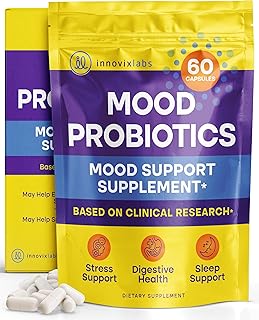

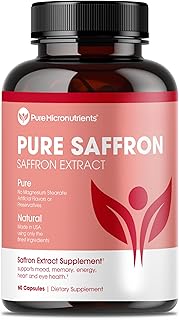

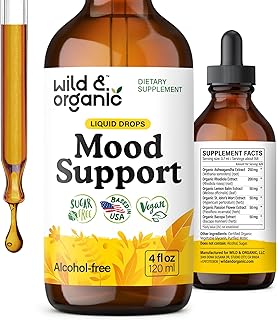
Omega-3 fatty acids (not a vitamin) boost cognitive function and mental clarity
Omega-3 fatty acids, though not vitamins, are essential nutrients that play a pivotal role in brain health. Found predominantly in fatty fish like salmon, mackerel, and sardines, as well as in flaxseeds, walnuts, and algae-based supplements, these fats are structural components of brain cell membranes. Research consistently links higher omega-3 intake to improved cognitive function, particularly in areas like memory, problem-solving, and attention. For instance, a 2017 study published in *Nutritional Neuroscience* found that participants with higher omega-3 levels performed better on cognitive tests, highlighting their direct impact on mental clarity.
To harness these benefits, consider incorporating omega-3-rich foods into your diet regularly. Aim for at least two servings of fatty fish per week, or opt for plant-based sources like chia seeds and hemp seeds. For those unable to meet dietary requirements, supplements can be a practical alternative. The recommended daily dose of omega-3 supplements typically ranges from 250 to 500 mg of combined EPA and DHA, the two most critical types of omega-3s for brain health. However, consult a healthcare provider to determine the appropriate dosage, especially for pregnant women, children, or individuals with specific health conditions.
While omega-3s are widely beneficial, their effects are not instantaneous. Consistent intake over weeks or months is necessary to observe improvements in cognitive function and mental clarity. Pairing omega-3 consumption with a balanced diet, regular exercise, and adequate sleep maximizes their impact. For older adults, omega-3s may help mitigate age-related cognitive decline, making them a valuable addition to a longevity-focused lifestyle. Conversely, deficiencies in these fatty acids have been associated with mood disorders and cognitive impairments, underscoring their importance.
A comparative analysis reveals that omega-3s stand out among nutrients for their dual role in supporting both brain structure and function. Unlike vitamins, which often act as coenzymes in metabolic processes, omega-3s directly influence neuronal communication and neuroplasticity. This unique mechanism makes them indispensable for maintaining mental sharpness and emotional well-being. For individuals seeking to enhance cognitive performance naturally, prioritizing omega-3 intake is a scientifically backed strategy that yields tangible results over time.
Boosting Productivity: The Power of Focused Mental Processes
You may want to see also
Explore related products


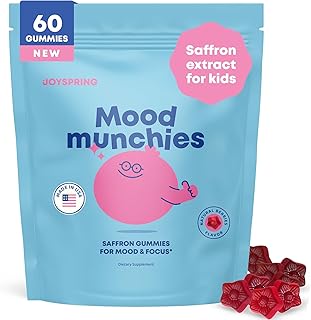
Vitamin C lowers stress hormones and enhances overall emotional well-being
Vitamin C, often celebrated for its immune-boosting properties, plays a pivotal role in mental health by directly influencing stress hormone levels and emotional resilience. Research indicates that this water-soluble vitamin reduces cortisol, the primary stress hormone, particularly in high-pressure situations. A study published in the *Journal of Nutritional Biochemistry* found that individuals with higher Vitamin C levels exhibited lower cortisol responses after stressful tasks compared to those with deficiencies. This biological mechanism underscores why maintaining adequate Vitamin C intake is essential for managing daily stressors.
To harness Vitamin C’s stress-reducing benefits, adults should aim for 75–90 mg daily, though higher doses (up to 500 mg) may be beneficial during periods of acute stress. Citrus fruits, bell peppers, strawberries, and broccoli are excellent dietary sources. For those with limited access to fresh produce, supplements can be a practical alternative, but it’s crucial to choose time-release formulas to ensure steady absorption. Pairing Vitamin C with Vitamin E enhances its antioxidant effects, further supporting emotional well-being by combating oxidative stress linked to anxiety and mood disorders.
Beyond stress reduction, Vitamin C contributes to emotional well-being by supporting neurotransmitter synthesis, particularly dopamine and norepinephrine, which regulate mood and motivation. A deficiency in this vitamin has been correlated with symptoms of fatigue, irritability, and depression, particularly in younger adults and adolescents. Incorporating Vitamin C-rich foods into daily meals—such as starting the day with a glass of orange juice or snacking on bell pepper slices—can be a simple yet effective strategy to stabilize mood and energy levels.
However, it’s important to note that while Vitamin C is generally safe, excessive intake (above 2,000 mg/day) can lead to gastrointestinal discomfort. Pregnant or nursing women, older adults, and individuals with chronic illnesses should consult healthcare providers before significantly altering their Vitamin C intake. By balancing dietary sources and supplements thoughtfully, individuals can optimize Vitamin C’s role in lowering stress hormones and fostering a more stable emotional state, making it a valuable tool in the mental health toolkit.
DSM-5-TR: Empowering Mental Health Providers with Updated Diagnostic Tools
You may want to see also
Explore related products


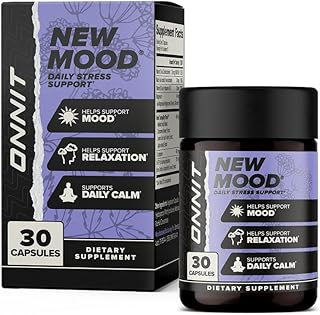


Magnesium (mineral) aids in calming the nervous system and reducing anxiety
Magnesium, often overshadowed by more prominent vitamins, plays a pivotal role in mental health by directly influencing the nervous system. This mineral acts as a natural calmative, regulating neurotransmitters that control stress responses and anxiety levels. Studies show that magnesium deficiency is linked to heightened anxiety and depression, making it a critical nutrient for emotional balance. Unlike vitamins, magnesium’s impact is systemic, affecting muscle relaxation, sleep quality, and overall stress resilience.
To harness magnesium’s anxiety-reducing benefits, consider incorporating it through diet or supplements. Foods rich in magnesium include spinach, almonds, black beans, and dark chocolate. For targeted relief, magnesium glycinate or threonate supplements are recommended, as they cross the blood-brain barrier effectively. Dosage varies by age and need: adults typically benefit from 200–400 mg daily, while older adults or those under stress may require up to 500 mg. Always consult a healthcare provider to avoid over-supplementation, which can cause digestive issues.
A comparative analysis highlights magnesium’s edge over other anxiety remedies. Unlike benzodiazepines or sedatives, magnesium addresses the root cause of anxiety by modulating GABA receptors, promoting relaxation without dependency. Its dual role in muscle and nerve function also makes it superior to single-action supplements like L-theanine. For instance, a 2017 study in *Nutrients* found that magnesium supplementation significantly reduced anxiety symptoms in participants within 8 weeks, rivaling the efficacy of pharmaceutical interventions without side effects.
Practical tips for maximizing magnesium’s benefits include pairing it with vitamin D3, which enhances absorption, and taking it before bed to improve sleep quality—a key factor in anxiety management. Avoid magnesium oxide, as its bioavailability is low. Instead, opt for chelated forms like magnesium glycinate for better absorption. For those with dietary restrictions, transdermal magnesium (via Epsom salt baths or lotions) offers an alternative route, bypassing digestive limitations.
In conclusion, magnesium’s role in calming the nervous system and reducing anxiety is both scientifically supported and practically actionable. By understanding its mechanisms, optimal forms, and dosages, individuals can integrate this mineral into their mental health regimen effectively. Whether through diet, supplements, or topical applications, magnesium stands out as a natural, accessible tool for fostering emotional stability in an increasingly stressful world.
Exercise and Mental Health: Boosting Wellbeing Through Physical Activity
You may want to see also
Frequently asked questions
Vitamin D is often linked to mood regulation and may help reduce symptoms of depression, especially in individuals with deficiencies.
Vitamin B12 is crucial for brain health, as it supports nerve function and the production of neurotransmitters essential for cognitive performance.
Vitamin B6 plays a role in producing serotonin and gamma-aminobutyric acid (GABA), neurotransmitters that help regulate mood and reduce anxiety.
Vitamin C is an antioxidant that helps reduce oxidative stress, which is linked to mental health issues like depression and anxiety, while also supporting overall brain health.