Lucas Bennett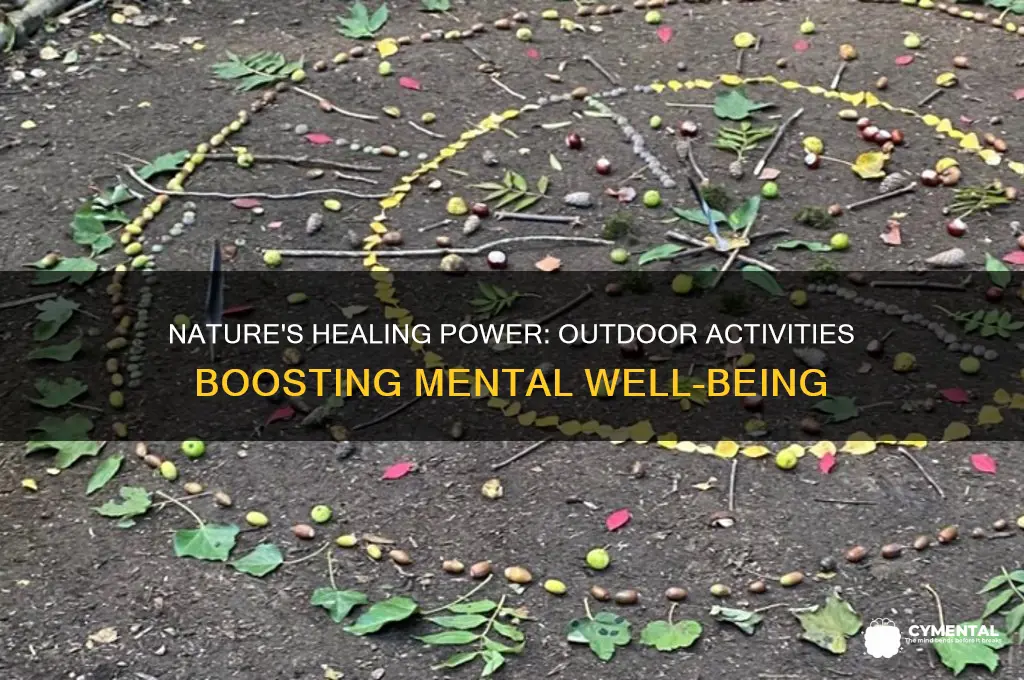
Engaging in outdoor activities has been widely recognized as a powerful tool for enhancing mental health and overall well-being. Spending time in nature, whether through hiking, gardening, or simply taking a walk in the park, offers a respite from the stresses of daily life, reducing symptoms of anxiety and depression. Exposure to natural environments increases levels of serotonin, often referred to as the feel-good hormone, while also lowering cortisol, the stress hormone. Additionally, outdoor activities promote physical exercise, which releases endorphins and improves mood. The calming effects of natural surroundings, combined with the social connections often fostered during outdoor pursuits, create a holistic approach to mental health, making outdoor activities an essential practice for maintaining emotional balance and resilience.
| Characteristics | Values |
|---|---|
| Stress Reduction | Spending time outdoors lowers cortisol levels, reducing stress and anxiety. |
| Improved Mood | Exposure to natural environments increases serotonin and dopamine, enhancing mood. |
| Enhanced Cognitive Function | Outdoor activities improve focus, creativity, and problem-solving skills. |
| Physical Exercise | Activities like hiking or cycling boost endorphins, reducing symptoms of depression. |
| Vitamin D Synthesis | Sunlight exposure increases vitamin D production, linked to better mental health. |
| Connection to Nature | Being in nature fosters a sense of calm and belonging, reducing feelings of isolation. |
| Better Sleep Quality | Natural light exposure regulates circadian rhythms, improving sleep patterns. |
| Social Interaction | Group outdoor activities promote social bonding and reduce loneliness. |
| Mindfulness and Presence | Outdoor environments encourage mindfulness, reducing overthinking and rumination. |
| Reduced Risk of Mental Disorders | Regular outdoor activity is associated with lower rates of depression and anxiety disorders. |
| Restoration of Mental Energy | Nature provides a restorative environment, combating mental fatigue. |
| Exposure to Fresh Air | Clean air improves oxygen levels, enhancing brain function and reducing stress. |
Explore related products


What You'll Learn
- Reduces Stress and Anxiety: Nature exposure lowers cortisol, promoting relaxation and calming the mind effectively
- Boosts Mood and Happiness: Physical activity outdoors increases endorphins, enhancing overall emotional well-being
- Improves Focus and Clarity: Natural environments enhance cognitive function and reduce mental fatigue
- Fosters Social Connection: Group activities outdoors build relationships, reducing loneliness and isolation
- Enhances Sleep Quality: Exposure to sunlight regulates circadian rhythms, improving sleep patterns

Reduces Stress and Anxiety: Nature exposure lowers cortisol, promoting relaxation and calming the mind effectively
Spending just 20–30 minutes in nature daily can significantly lower cortisol levels, the body's primary stress hormone. A study published in *Frontiers in Psychology* found that participants who walked in a forest for this duration experienced a 12.4% drop in cortisol compared to those in urban settings. This simple practice, accessible to most, acts as a natural antidote to the chronic stress of modern life. Whether it’s a park, garden, or trail, consistent exposure to green spaces can rebalance your body’s stress response over time.
To maximize the stress-reducing benefits of nature, combine physical activity with mindfulness. For instance, practice deep breathing while hiking or focus on the sensory details of your surroundings during a walk. This dual approach not only lowers cortisol but also enhances relaxation by engaging both body and mind. For those with busy schedules, even a 10-minute "nature break" during lunch can provide immediate relief, as shown in research from the University of Michigan. The key is intentionality—treat these moments as a reset rather than a passive activity.
Children and adolescents, particularly vulnerable to anxiety, can benefit immensely from structured outdoor time. A study in the *International Journal of Environmental Research and Public Health* found that kids who spent at least one hour daily outdoors had 20% lower anxiety levels than their peers. Parents and educators can encourage activities like nature scavenger hunts, gardening, or outdoor sports to make this practice enjoyable and habitual. For adults, incorporating nature into routines—like walking meetings or outdoor yoga—can yield similar results.
While nature exposure is powerful, it’s not a one-size-fits-all solution. Urban dwellers with limited access to green spaces can replicate benefits through indoor plants, nature sounds, or virtual reality simulations. However, these alternatives are less effective than direct exposure, so prioritize outdoor activities whenever possible. Additionally, combining nature with social interaction, such as group hikes or community gardening, amplifies its calming effects by fostering connection and support.
Incorporating nature into your stress management toolkit requires consistency and creativity. Start small—swap a screen break for a tree-lined walk, or trade a gym session for a jog in the park. Over time, these habits can reduce reliance on medication or therapy for mild anxiety, though they should complement, not replace, professional treatment when needed. Nature’s ability to lower cortisol and calm the mind is a free, accessible resource—one that, when harnessed thoughtfully, can transform mental well-being.
Positive Thinking: A Powerful Tool for Enhancing Mental Health and Well-being
You may want to see also
Explore related products


Boosts Mood and Happiness: Physical activity outdoors increases endorphins, enhancing overall emotional well-being
Spending just 20–30 minutes outdoors engaging in moderate physical activity—like brisk walking, cycling, or even gardening—triggers a measurable increase in endorphin levels. These "feel-good" hormones act as natural painkillers and mood elevators, counteracting stress and anxiety. Research shows that outdoor exercise produces a more significant endorphin response compared to indoor workouts, likely due to the combined effects of fresh air, sunlight, and natural surroundings. For instance, a study published in the *Journal of Environmental Psychology* found that participants who walked in a park reported higher levels of happiness and lower cortisol (stress hormone) levels than those who walked in urban settings.
To maximize the mood-boosting benefits, aim for consistency rather than intensity. Three to five sessions of outdoor activity per week, each lasting 30–45 minutes, can lead to sustained improvements in emotional well-being. For older adults or those with mobility limitations, even gentle activities like tai chi in a park or a leisurely stroll along a nature trail can yield similar benefits. The key is to choose activities that align with your fitness level and personal interests, ensuring the experience remains enjoyable and not forced.
While the endorphin rush is immediate, the long-term effects on happiness are equally profound. Regular outdoor physical activity has been linked to reduced symptoms of depression and anxiety, improved sleep quality, and enhanced overall life satisfaction. For example, a study in *Ecopsychology* revealed that individuals who engaged in "green exercise" (physical activity in natural environments) reported a 30% greater reduction in depressive symptoms compared to those exercising indoors. This suggests that incorporating nature into your routine isn’t just a temporary fix—it’s a sustainable strategy for cultivating lasting happiness.
Practical tips can make this practice more accessible. Start small by replacing one indoor workout with an outdoor alternative each week. Use apps or local guides to discover nearby parks, trails, or green spaces. If time is a constraint, break activities into shorter, 10–15 minute sessions throughout the day. For families, turn outdoor exercise into a shared activity, like a weekend hike or a game of frisbee in the park. Remember, the goal isn’t to achieve peak performance but to reconnect with nature and reap the emotional rewards it offers.
Incorporating outdoor physical activity into your routine is a simple yet powerful way to enhance your mood and overall happiness. By leveraging the natural synergy between movement and nature, you can tap into a wellspring of emotional well-being that indoor activities often can’t match. Whether you’re a fitness enthusiast or a casual mover, the great outdoors awaits—and your mental health will thank you.
Journaling for Wellness: How Writing Boosts Mental Health Naturally
You may want to see also
Explore related products



Improves Focus and Clarity: Natural environments enhance cognitive function and reduce mental fatigue
Spending just 20–30 minutes in a natural setting daily can measurably improve attention span and mental clarity. Research, including studies from the University of Michigan, shows that exposure to green spaces—parks, forests, or even urban gardens—restores the brain’s ability to focus by reducing overstimulation and mental clutter. Unlike urban environments, which demand constant attention to navigate, natural settings engage the mind passively, allowing cognitive resources to replenish. For instance, a walk through a tree-lined path or sitting by a body of water can reset attention fatigue more effectively than scrolling through a screen or working in a noisy office.
To harness this benefit, incorporate structured outdoor breaks into your routine. Start with a 10-minute nature walk during lunch or swap indoor meetings for outdoor discussions. For children and adolescents, whose brains are still developing, outdoor play in natural environments has been linked to improved concentration in school. Adults can pair outdoor time with mindfulness practices, such as observing natural textures or listening to birdsong, to deepen the focus-enhancing effects. Even small changes, like positioning a workspace near a window with a view of greenery, can yield noticeable improvements in clarity and task performance.
However, not all outdoor activities are created equal. High-intensity sports or crowded outdoor events may not provide the same cognitive benefits as quieter, more immersive nature experiences. For optimal results, seek environments with minimal human-made distractions—a forest trail over a busy park, or a quiet lakeside over a noisy beach. Additionally, consistency matters: sporadic exposure may offer temporary relief, but regular engagement, such as daily walks or weekly hikes, builds long-term cognitive resilience.
A cautionary note: while nature is a powerful tool, it’s not a standalone solution for severe focus-related issues like ADHD. It complements, rather than replaces, professional interventions. For those with limited access to green spaces, virtual nature experiences (e.g., videos of forests or ocean waves) can provide partial benefits, though they’re no substitute for the real thing. Pairing outdoor time with adequate sleep and hydration maximizes its cognitive impact, as fatigue and dehydration can undermine even the most restorative natural environments.
In conclusion, natural environments act as a cognitive reset button, reducing mental fatigue and sharpening focus through their inherent simplicity and calm. By integrating deliberate, distraction-free outdoor practices into daily life, individuals of all ages can enhance their mental clarity and productivity. Whether it’s a brief midday walk or a weekend hike, the key lies in consistency and mindfulness, turning nature from a backdrop into an active tool for cognitive well-being.
Testosterone's Impact on Mental Clarity: Enhancing Focus and Cognitive Function
You may want to see also
Explore related products

$24.07 $29.99


Fosters Social Connection: Group activities outdoors build relationships, reducing loneliness and isolation
Human beings are inherently social creatures, yet modern life often isolates us in digital bubbles. Group outdoor activities shatter these barriers, fostering connections that combat loneliness and strengthen mental well-being. Consider hiking clubs, community gardens, or even casual park picnics. These shared experiences create natural opportunities for conversation, collaboration, and laughter, all of which release oxytocin, the "bonding hormone," reducing stress and promoting feelings of belonging.
A study published in the *Journal of Environmental Psychology* found that individuals who participated in group nature walks reported significantly lower levels of loneliness and increased social connectedness compared to those who walked alone. This effect was particularly pronounced in older adults, a demographic often vulnerable to social isolation.
Building social connections through outdoor activities doesn't require grand expeditions. Start small: join a local birdwatching group, volunteer for a park clean-up, or simply invite a friend for a walk in the park. The key lies in shared experience and the sense of community that naturally emerges when we engage with others in natural settings.
Therapy for Autism: How Mental Health Support Enhances Well-Being
You may want to see also
Explore related products


Enhances Sleep Quality: Exposure to sunlight regulates circadian rhythms, improving sleep patterns
Sunlight acts as a natural timekeeper for the human body. Our internal circadian rhythms, which govern sleep-wake cycles, are finely tuned by exposure to natural light. When sunlight hits the retina, it signals the brain to suppress melatonin production, the hormone responsible for sleepiness. This simple biological process is the cornerstone of healthy sleep patterns, yet it’s often overlooked in our screen-dominated lives. Spending just 30 minutes outdoors in the morning can recalibrate this rhythm, making it easier to fall asleep at night and wake up refreshed.
Consider the modern dilemma: artificial lighting and screens disrupt this natural cycle. Blue light from devices mimics daylight, confusing the brain and delaying melatonin release. This disruption leads to irregular sleep patterns, leaving individuals tired and irritable. In contrast, outdoor activities provide a solution. A study published in *Current Biology* found that camping for a weekend, where participants were exposed to natural light and darkness, reset their circadian clocks by over an hour. This highlights the power of sunlight in restoring sleep quality, even in short doses.
For those struggling with sleep, incorporating outdoor activities into daily routines can be transformative. Start small: a morning walk, a lunch break in the park, or even sitting near a window with sunlight. Aim for at least 15–30 minutes of natural light exposure, especially in the morning. For older adults, who often experience sleep disturbances, this practice can be particularly beneficial. Pairing sunlight exposure with physical activity, like gardening or hiking, amplifies its effects, as exercise further promotes deeper sleep.
However, timing matters. Evening exposure to sunlight can have the opposite effect, delaying sleep onset. To maximize benefits, limit outdoor activities to the morning and early afternoon. For shift workers or those with irregular schedules, using daylight-mimicking lamps in the morning can serve as a practical alternative. Combining these strategies with a consistent sleep schedule creates a powerful tool for improving mental and physical health.
The takeaway is clear: sunlight is a free, accessible resource for enhancing sleep quality. By prioritizing outdoor activities, individuals can regulate their circadian rhythms, leading to better sleep and, in turn, improved mental well-being. It’s a simple yet profound shift—one that reconnects us with nature’s rhythms and our own.
Healing Companions: How Animals Boost Mental Health and Well-Being
You may want to see also
Frequently asked questions
Outdoor activities improve mental health by reducing stress, increasing exposure to natural light, and promoting physical exercise, which releases endorphins and improves mood.
Yes, spending time outdoors can help alleviate symptoms of anxiety and depression by providing a calming environment, reducing cortisol levels, and fostering a sense of connection to nature.
Sunlight boosts serotonin production, often referred to as the "feel-good" hormone, which helps regulate mood and sleep patterns, contributing to better mental health.
Activities like hiking, gardening, walking, and mindfulness practices in nature are particularly beneficial due to their combination of physical movement and exposure to natural environments.
Even short, regular exposure to nature, such as 20–30 minutes daily, can yield noticeable mental health benefits, though consistency is key for long-term effects.