Noah Parker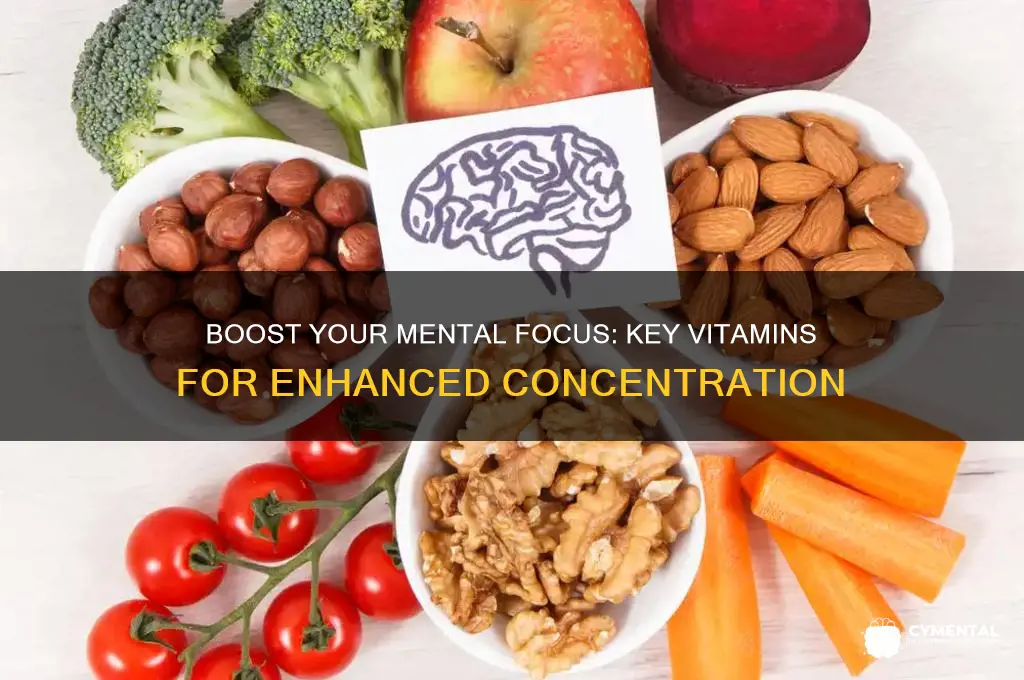
Maintaining mental focus and clarity is essential for productivity and overall well-being, and certain vitamins play a crucial role in supporting cognitive function. Among these, Vitamin B complex, particularly B6, B9 (folate), and B12, are known to enhance brain health by aiding in neurotransmitter production and reducing levels of homocysteine, an amino acid linked to cognitive decline. Additionally, Vitamin D, often referred to as the sunshine vitamin, has been shown to improve mood and cognitive performance, especially in individuals with deficiencies. Incorporating these vitamins through a balanced diet or supplements can significantly contribute to sharper mental focus and sustained concentration.
| Characteristics | Values |
|---|---|
| Vitamin B Complex | Essential for brain health, particularly B6, B9 (folate), and B12. Supports neurotransmitter production (e.g., serotonin, dopamine) and reduces brain fog. |
| Vitamin D | Linked to cognitive function and mood regulation. Deficiency may impair focus and memory. |
| Vitamin C | Acts as an antioxidant, protects brain cells from oxidative stress, and supports overall cognitive function. |
| Vitamin E | Protects brain cells from damage, supports healthy blood flow to the brain, and may improve focus. |
| Omega-3 Fatty Acids | Not a vitamin, but often grouped with brain-boosting nutrients. Supports brain structure and function, enhancing focus and memory. |
| Choline | Precursor to acetylcholine, a neurotransmitter crucial for memory and focus. |
| Magnesium | Mineral that supports brain function, reduces stress, and improves concentration. |
| Zinc | Essential for neurotransmitter function and overall cognitive performance. |
| Iron | Critical for oxygen transport to the brain; deficiency can lead to poor focus and fatigue. |
| Sources | Found in leafy greens, nuts, seeds, fatty fish, eggs, dairy, and fortified foods. |
| Supplementation | Recommended for deficiencies; consult a healthcare provider before starting. |
| Daily Requirements | Varies by vitamin; e.g., Vitamin D (600-800 IU), Vitamin B12 (2.4 mcg), Vitamin C (75-90 mg). |
| Side Effects | Excessive intake of fat-soluble vitamins (D, E) can be toxic; water-soluble vitamins (B, C) are generally safe. |
Explore related products


What You'll Learn
- Vitamin B Complex: B vitamins, especially B6, B9, and B12, support brain health and cognitive function
- Vitamin D: Enhances mood, memory, and focus by regulating neurotransmitters and reducing brain fog
- Vitamin C: Acts as an antioxidant, protecting brain cells and improving mental clarity and alertness
- Vitamin E: Supports brain health by reducing oxidative stress and improving overall cognitive performance
- Omega-3 (Vitamin-like): Though not a vitamin, it boosts focus, memory, and brain structure

Vitamin B Complex: B vitamins, especially B6, B9, and B12, support brain health and cognitive function
Vitamin B Complex isn’t just a buzzword in the health supplement aisle—it’s a powerhouse for mental focus. Among its eight B vitamins, B6, B9 (folate), and B12 stand out as critical players in brain health. These vitamins act as coenzymes, helping your body convert food into energy and supporting neurotransmitter production. Without adequate levels, even the sharpest minds can fog over. For instance, B12 deficiency is linked to memory issues and fatigue, while B9 deficiency can impair cognitive function. If you’re feeling mentally sluggish, your B vitamin levels might be the first place to look.
Let’s break it down: B6 (pyridoxine) aids in the production of serotonin, dopamine, and gamma-aminobutyric acid (GABA), neurotransmitters that regulate mood and focus. B9 (folate) is essential for DNA synthesis and repair, ensuring your brain cells function optimally. B12 (cobalamin) maintains the health of nerve cells and supports the production of myelin, the protective sheath around neurons. Together, these vitamins form a trifecta that keeps your brain firing on all cylinders. Adults typically need 1.3–2.4 mcg of B12, 400 mcg of folate, and 1.3–1.7 mg of B6 daily, though individual needs vary. Always consult a healthcare provider before starting supplements, especially if you’re pregnant, over 50, or have absorption issues.
Now, how do you ensure you’re getting enough? Diet is key. Incorporate B6-rich foods like bananas, chickpeas, and salmon; folate sources like spinach, lentils, and avocados; and B12-packed options like eggs, dairy, and fortified plant milks. However, diet alone may not suffice, particularly for vegans, older adults, or those with digestive disorders. In such cases, a B Complex supplement can bridge the gap. Look for methylated forms of B9 (methylfolate) and B12 (methylcobalamin) for better absorption, especially if you have the MTHFR gene variant.
A word of caution: more isn’t always better. Excessive B6 intake (above 100 mg/day) can cause nerve damage, while too much B12 is generally harmless but can mask deficiencies in other areas. Balance is crucial. Pair your B vitamins with a diet rich in whole foods, stay hydrated, and prioritize sleep—these vitamins work best when your body is well-supported. Think of them as the spark plugs for your brain, but even the best spark plugs need a well-maintained engine.
Finally, consider this: mental focus isn’t just about what you take; it’s about how you live. B vitamins are a tool, not a cure-all. Combine them with stress management, regular exercise, and mental stimulation for optimal results. For example, a morning walk paired with a B12-fortified smoothie can kickstart your day better than coffee alone. Small, consistent changes yield the biggest gains. If you’re struggling to focus, start with the basics—and let B Complex be your brain’s best friend.
Sunlight and Mental Health: Unlocking Nature's Mood-Boosting Benefits
You may want to see also
Explore related products


Vitamin D: Enhances mood, memory, and focus by regulating neurotransmitters and reducing brain fog
Vitamin D, often dubbed the “sunshine vitamin,” plays a pivotal role in cognitive function, particularly in enhancing mood, memory, and focus. Its mechanism is rooted in its ability to regulate neurotransmitters like serotonin, dopamine, and norepinephrine, which are critical for mental clarity and emotional stability. Studies have shown that adequate Vitamin D levels can reduce symptoms of brain fog, a common complaint characterized by confusion, forgetfulness, and difficulty concentrating. For instance, a 2018 study published in *The Journal of Nutrition, Health & Aging* found that older adults with higher Vitamin D levels performed better on cognitive tests, demonstrating sharper memory and quicker information processing.
To harness these benefits, it’s essential to maintain optimal Vitamin D levels, which typically range between 30–50 ng/mL. Adults under 70 are advised to consume 600 IU (15 mcg) daily, while those over 70 should aim for 800 IU (20 mcg). However, individual needs vary based on factors like sun exposure, skin tone, and geographic location. For those in northern latitudes or with limited sun exposure, supplementation is often necessary. A daily dose of 1000–2000 IU is generally safe and effective, but consulting a healthcare provider for personalized advice is recommended to avoid toxicity.
Practical tips for boosting Vitamin D levels include spending 10–30 minutes outdoors daily during peak sunlight hours, incorporating Vitamin D-rich foods like fatty fish, egg yolks, and fortified dairy into your diet, and using UV lamps during winter months. Pairing Vitamin D with Vitamin K2 can enhance absorption and ensure proper calcium distribution, further supporting brain health. For those relying on supplements, opting for Vitamin D3 (cholecalciferol) over D2 is advised, as D3 is more effective at raising and maintaining blood levels.
Comparatively, while other vitamins like B12 and omega-3 fatty acids also support cognitive function, Vitamin D stands out for its dual role in mental and physical health. Its deficiency has been linked to depression, anxiety, and cognitive decline, making it a critical nutrient for overall well-being. Unlike B12, which primarily affects energy metabolism, Vitamin D’s impact on neurotransmitter regulation offers a more direct pathway to improved focus and mood. This unique attribute underscores its importance in any regimen aimed at enhancing mental clarity.
In conclusion, Vitamin D is not just a nutrient for bone health; it’s a cornerstone of cognitive vitality. By regulating neurotransmitters and combating brain fog, it offers a natural, accessible way to sharpen focus and uplift mood. Whether through sunlight, diet, or supplementation, prioritizing Vitamin D intake is a simple yet powerful step toward maintaining mental acuity at any age.
Support Groups: A Powerful Tool for Mental Health Recovery
You may want to see also
Explore related products




Vitamin C: Acts as an antioxidant, protecting brain cells and improving mental clarity and alertness
Vitamin C, often celebrated for its immune-boosting properties, plays a pivotal role in enhancing mental focus through its antioxidant capabilities. Oxidative stress, caused by an imbalance of free radicals and antioxidants in the body, can damage brain cells and impair cognitive function. Vitamin C neutralizes these free radicals, safeguarding neurons and promoting healthier brain activity. This protective mechanism is particularly crucial for maintaining mental clarity and alertness, especially in high-stress environments or during periods of intense mental exertion.
To harness Vitamin C’s cognitive benefits, consider incorporating it into your daily routine through both dietary sources and supplements. Citrus fruits like oranges, strawberries, and bell peppers are rich in Vitamin C, while supplements offer a convenient alternative. The recommended daily intake for adults is 75–90 mg, but doses up to 2000 mg are generally considered safe for most individuals. However, excessive intake can lead to digestive discomfort, so moderation is key. For optimal results, pair Vitamin C with other brain-boosting nutrients like Vitamin E or flavonoids, which enhance its antioxidant effects.
A comparative analysis reveals that Vitamin C’s impact on mental focus is distinct from other vitamins like B12 or D, which primarily support energy levels and mood regulation. While those vitamins address the foundation of cognitive function, Vitamin C acts as a shield, preserving brain health under stress. This makes it particularly valuable for students, professionals, or anyone facing mentally demanding tasks. Studies show that individuals with higher Vitamin C levels often report improved concentration and reduced mental fatigue, underscoring its role in sustaining focus over extended periods.
Practical tips for maximizing Vitamin C’s benefits include consuming it with iron-rich foods to enhance iron absorption, which further supports brain function. Additionally, since Vitamin C is water-soluble and not stored in the body, consistent intake is essential. For those with busy lifestyles, setting reminders to eat Vitamin C-rich snacks or take supplements can ensure regular consumption. Finally, combining Vitamin C with a balanced diet, adequate sleep, and regular exercise creates a holistic approach to improving mental focus and overall brain health.
Celexa vs. Zoloft: Which Enhances Mental Clarity Better?
You may want to see also
Explore related products


Vitamin E: Supports brain health by reducing oxidative stress and improving overall cognitive performance
Vitamin E, a powerful antioxidant, plays a pivotal role in maintaining and enhancing mental focus by safeguarding the brain from oxidative stress. Oxidative stress occurs when there’s an imbalance between free radicals and antioxidants in the body, leading to cellular damage. The brain, with its high metabolic rate and abundant fatty acids, is particularly vulnerable to this damage. Vitamin E steps in as a protective shield, neutralizing free radicals and preventing them from harming brain cells. Studies have shown that individuals with higher levels of Vitamin E tend to exhibit better cognitive performance, particularly in tasks requiring sustained attention and memory recall. For adults, a daily intake of 15 mg (or 22.4 IU) is recommended, though needs may vary based on age, lifestyle, and health conditions.
To harness Vitamin E’s cognitive benefits, consider incorporating it through both diet and supplementation. Natural food sources rich in Vitamin E include almonds, sunflower seeds, spinach, and avocados. For instance, a handful of almonds (about 23 nuts) provides nearly 7.3 mg of Vitamin E, nearly half the daily requirement. However, for those with dietary restrictions or increased needs, supplements can be a practical alternative. When choosing supplements, opt for natural forms like d-alpha-tocopherol, as they are more bioavailable than synthetic versions. Caution should be exercised with high doses, as excessive Vitamin E intake (above 1,000 mg per day) can lead to adverse effects such as bleeding risks, particularly in individuals on anticoagulant medications.
Beyond its antioxidant properties, Vitamin E supports mental focus by enhancing overall brain function. Research suggests that it aids in maintaining healthy blood flow to the brain, ensuring neurons receive adequate oxygen and nutrients. This is particularly beneficial for older adults, as age-related cognitive decline is often linked to reduced cerebral blood flow. A study published in *The Journal of Alzheimer’s Disease* found that higher Vitamin E levels were associated with slower cognitive decline in elderly participants. For this demographic, combining Vitamin E with other brain-boosting nutrients like omega-3 fatty acids and Vitamin C can amplify its effects, creating a synergistic approach to cognitive health.
Practical tips for maximizing Vitamin E’s impact on mental focus include pairing it with healthy fats, as it is a fat-soluble vitamin and requires dietary fat for optimal absorption. For example, drizzling olive oil on a spinach salad or adding avocado to a smoothie can enhance its bioavailability. Additionally, incorporating Vitamin E-rich foods into daily meals—such as starting the day with a handful of sunflower seeds or snacking on almonds—can ensure consistent intake. For those considering supplements, consulting a healthcare provider is advisable, especially for individuals with pre-existing conditions or those taking medications. By integrating Vitamin E strategically, individuals can fortify their brain health and sustain sharper mental focus in their daily lives.
Literature's Healing Power: Enhancing Mental Health Through Reading and Reflection
You may want to see also
Explore related products
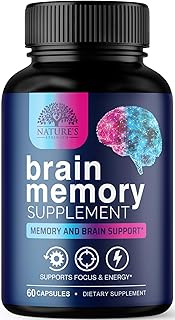
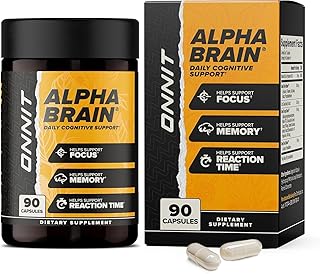


Omega-3 (Vitamin-like): Though not a vitamin, it boosts focus, memory, and brain structure
Omega-3 fatty acids, though not classified as vitamins, play a pivotal role in enhancing mental focus, memory, and overall brain health. Found predominantly in fatty fish like salmon, mackerel, and sardines, as well as in flaxseeds, walnuts, and supplements like fish oil, these essential fats are structural components of brain cell membranes. Their presence directly influences cognitive function by improving cell communication and reducing inflammation, which can otherwise impair focus and clarity. For individuals seeking to sharpen their mental acuity, incorporating Omega-3s into their diet is a scientifically backed strategy.
To maximize the cognitive benefits of Omega-3s, understanding dosage is key. Adults typically require 250–500 mg of combined EPA and DHA (the active forms of Omega-3) daily for general brain health. However, for those addressing focus or memory concerns, doses up to 1,000 mg may be more effective. Pregnant women and children should consult healthcare providers for tailored recommendations, as needs vary by age and developmental stage. Supplements are a convenient option, but natural sources like fatty fish offer additional nutrients, making them a superior choice when possible.
Comparing Omega-3s to traditional vitamins reveals their unique value. While vitamins like B6, B12, and D are essential for brain function, Omega-3s directly influence brain structure and plasticity. Studies show that higher Omega-3 levels correlate with improved working memory and attention span, particularly in older adults. Unlike vitamins, which often act as coenzymes in metabolic processes, Omega-3s are integral to the brain’s physical composition, making them indispensable for long-term cognitive health.
Practical tips for integrating Omega-3s into daily life include meal planning and mindful supplementation. Aim to consume fatty fish at least twice a week, or add a tablespoon of ground flaxseed to smoothies or oatmeal. For those opting for supplements, choose high-quality fish oil or algae-based options to ensure purity and potency. Pairing Omega-3 intake with a balanced diet rich in antioxidants and regular physical activity amplifies their cognitive benefits, creating a holistic approach to mental focus.
In conclusion, while Omega-3s may not be vitamins, their impact on focus, memory, and brain structure is undeniable. By prioritizing these fatty acids through diet or supplementation, individuals can support their cognitive health effectively. Whether you’re a student, professional, or simply seeking mental clarity, Omega-3s offer a practical and evidence-based solution to enhance your brain’s performance.
Finding Support: Where to Go for Help in Difficult Times
You may want to see also
Frequently asked questions
Vitamin B12 is widely recognized for its role in enhancing mental focus, as it supports brain function and nerve health.
Yes, vitamin D deficiency can impair concentration and cognitive function. Increasing sun exposure, consuming vitamin D-rich foods, or taking supplements can help.
Vitamin C is an antioxidant that reduces oxidative stress in the brain, improving cognitive function and mental clarity.
Yes, B vitamins like B6, B9 (folate), and B12 are crucial for brain health, neurotransmitter production, and maintaining mental focus.