Noah Parker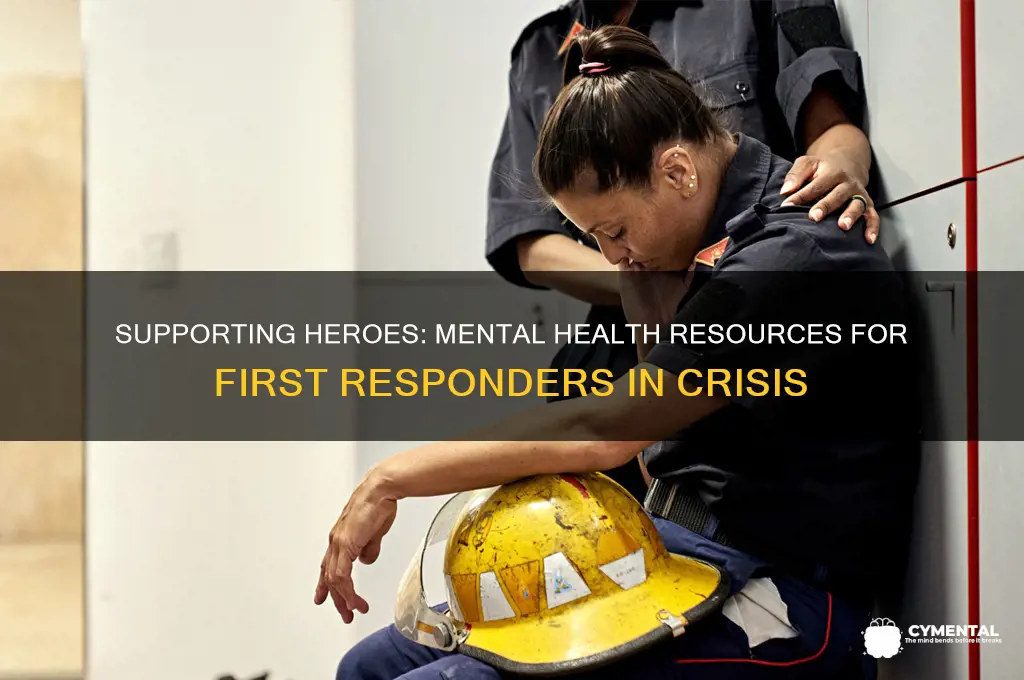
First responders, including police officers, firefighters, paramedics, and emergency medical technicians, face immense physical and emotional challenges daily, often witnessing traumatic events that can take a significant toll on their mental health. Despite their critical role in safeguarding communities, these individuals frequently struggle with issues such as post-traumatic stress disorder (PTSD), anxiety, depression, and burnout, yet they may hesitate to seek help due to stigma, fear of judgment, or concerns about job security. Recognizing when a first responder needs mental health support is crucial, as untreated psychological distress can impair their ability to perform their duties and negatively impact their overall well-being. Creating a supportive environment that encourages open dialogue, provides accessible resources, and fosters resilience is essential to ensuring these heroes receive the care they need and deserve.
Explore related products


What You'll Learn
- Recognizing Trauma Signs: Identifying symptoms like flashbacks, anxiety, or withdrawal in first responders post-incident
- Breaking Stigma: Encouraging open conversations to reduce shame around seeking mental health support
- Peer Support Programs: Creating safe spaces for first responders to share experiences with colleagues
- Professional Resources: Accessing therapists, counselors, or hotlines specialized in first responder mental health
- Self-Care Strategies: Promoting mindfulness, exercise, and sleep to manage stress and prevent burnout

Recognizing Trauma Signs: Identifying symptoms like flashbacks, anxiety, or withdrawal in first responders post-incident
First responders often witness scenes that defy the bounds of ordinary human experience. The aftermath of a traumatic incident can leave invisible scars, manifesting in ways that are both subtle and profound. Recognizing these signs is the first step toward intervention. Flashbacks, for instance, are not just cinematic devices; they are intrusive, vivid relivings of the event that can paralyze a responder’s ability to function. Anxiety, too, may present as heightened vigilance or irrational fear, often dismissed as part of the job’s natural stress. Withdrawal, perhaps the most insidious symptom, isolates the individual, severing connections that once provided support. These signs are not weaknesses but echoes of an overwhelmed nervous system, demanding attention and care.
To identify these symptoms, observe behavioral changes rather than relying on self-reports. A first responder experiencing flashbacks might exhibit sudden, unexplained distress during routine tasks, such as freezing while driving past an accident scene. Anxiety may manifest as physical symptoms—sweating, rapid heartbeat, or insomnia—often attributed to fatigue. Withdrawal often begins with small shifts: skipping debriefings, avoiding colleagues, or neglecting hobbies. Practical tips include tracking patterns over time; a single episode is less concerning than a persistent decline. For example, if a responder who once led team discussions now sits silently, it’s a red flag. Early recognition allows for timely intervention, preventing deeper psychological entrenchment.
Comparing these symptoms to typical stress responses can clarify their severity. While all first responders experience stress, trauma symptoms are disproportionate and persistent. Stress might cause irritability, but trauma-induced anxiety can lead to panic attacks triggered by sirens or flashing lights. Similarly, while fatigue is common, withdrawal from trauma often involves active avoidance of reminders, such as refusing assignments near a previous incident site. This distinction is critical: mistaking trauma for stress can delay necessary treatment. For instance, prescribing rest for someone experiencing flashbacks is ineffective; they need therapeutic strategies like cognitive-behavioral therapy or eye movement desensitization and reprocessing (EMDR).
Persuading first responders to acknowledge these symptoms requires sensitivity and strategy. Many view seeking help as a sign of weakness, rooted in a culture of stoicism. Framing mental health care as part of operational readiness can shift this perspective. For example, emphasizing that untreated trauma impairs decision-making under pressure aligns with their professional identity. Peer support programs, where responders assist each other, can also reduce stigma. Specific actions include normalizing post-incident debriefs and integrating mental health checks into routine physical exams. By treating trauma symptoms as occupational hazards, organizations can foster an environment where seeking help is not just accepted but expected.
In conclusion, recognizing trauma signs in first responders requires vigilance, empathy, and a nuanced understanding of their unique challenges. Flashbacks, anxiety, and withdrawal are not mere reactions but indicators of deeper distress. By observing behavioral changes, distinguishing trauma from stress, and addressing cultural barriers, we can ensure that those who protect us receive the care they deserve. Early intervention is not just a professional duty—it’s a moral imperative to preserve the well-being of those who face humanity’s darkest moments.
Giving Space: A Powerful Tool for Mental Health Healing?
You may want to see also
Explore related products



Breaking Stigma: Encouraging open conversations to reduce shame around seeking mental health support
First responders face trauma daily, yet many suffer in silence due to the stigma surrounding mental health. Studies show that firefighters, police officers, and paramedics experience PTSD at rates 20% higher than the general population. This disparity highlights a systemic issue: the culture of stoicism that discourages seeking help. Breaking this stigma requires more than awareness—it demands actionable strategies to normalize vulnerability and foster trust within these high-stress professions.
One effective approach is peer-led initiatives. Programs like the Code Green Campaign, founded by first responders, create safe spaces for colleagues to share experiences without fear of judgment. These programs emphasize shared understanding, leveraging the power of lived experience to dismantle shame. For instance, a firefighter who openly discusses their struggle with anxiety after a harrowing rescue can inspire others to seek support. Implementing such programs requires training peers as mental health advocates, ensuring confidentiality, and integrating them into existing wellness frameworks.
Another critical step is leadership buy-in. When commanders and supervisors model openness about mental health, it sends a powerful message. Departments should mandate annual mental health training for leaders, equipping them with tools to recognize signs of distress and respond empathetically. For example, a police chief who shares their own therapy journey during a briefing can shift departmental norms overnight. Pairing this with policy changes, such as protected time for counseling appointments, reinforces the message that seeking help is not a sign of weakness but a professional responsibility.
Finally, technology can bridge gaps in access and anonymity. Apps like Headspace and platforms like First Responder Support Network offer tailored resources, from guided meditations to crisis hotlines. Departments should subsidize subscriptions and promote these tools during shift briefings. Additionally, anonymous reporting systems allow individuals to flag concerns without fear of repercussions. Combining these digital solutions with in-person support creates a multi-layered safety net, ensuring no one falls through the cracks.
Breaking stigma is not a one-time effort but an ongoing commitment. By fostering peer support, empowering leaders, and leveraging technology, first responder communities can cultivate a culture where seeking mental health support is not just accepted but encouraged. The goal is clear: to ensure those who protect us feel safe enough to protect themselves.
Effective Strategies to Improve Mental Health: Real Methods That Work
You may want to see also
Explore related products

$17.95 $14.95


Peer Support Programs: Creating safe spaces for first responders to share experiences with colleagues
First responders face unparalleled stress, trauma, and emotional strain in their line of daily duties. Peer support programs have emerged as a critical intervention, offering a unique, non-clinical avenue for these professionals to process their experiences. Unlike traditional therapy, these programs leverage the shared understanding among colleagues, creating a safe space where vulnerability is not met with judgment but with empathy born of common ground. This approach fosters trust, as participants speak to those who inherently grasp the weight of their stories, reducing the stigma often associated with seeking mental health support.
Implementing a peer support program requires careful structure to ensure effectiveness. Key components include trained peer supporters who are selected for their empathy, active listening skills, and ability to maintain confidentiality. These individuals should undergo specialized training to recognize signs of distress, facilitate conversations, and know when to refer peers to professional mental health services. Regular, voluntary meetings in a confidential setting allow participants to share experiences, coping strategies, and emotional burdens without fear of repercussions. For instance, a program might structure sessions around themes like critical incident debriefing, long-term stress management, or balancing work and personal life, providing actionable takeaways for attendees.
One of the most compelling aspects of peer support programs is their ability to normalize conversations about mental health within high-stress professions. By embedding these programs into organizational culture, agencies signal that seeking help is not a sign of weakness but a proactive step toward resilience. For example, fire departments that integrate peer support into their wellness initiatives often report higher morale, reduced turnover, and improved team cohesion. A study by the National Institute for Occupational Safety and Health (NIOSH) found that first responders who participated in peer support programs were 30% more likely to report better mental health outcomes compared to those without access to such resources.
However, challenges exist in sustaining these programs. Peer supporters may face burnout themselves, as they carry the emotional weight of their colleagues’ struggles. To mitigate this, agencies should provide ongoing supervision, self-care resources, and clear boundaries for peer supporters. Additionally, leadership buy-in is essential; without visible support from higher-ups, participation may remain low. Practical tips include hosting quarterly training refreshers, offering incentives for peer supporters, and incorporating feedback from participants to continually refine the program’s structure and focus.
In conclusion, peer support programs are a powerful tool for addressing the mental health needs of first responders by creating safe, relatable spaces for sharing and healing. When designed and supported thoughtfully, these programs not only alleviate individual suffering but also strengthen the collective resilience of entire teams. By prioritizing empathy, structure, and sustainability, organizations can ensure that their first responders feel seen, heard, and valued—both in their professional roles and as individuals.
Empowering Your Friend: Overcoming Victim Mentality with Compassion and Support
You may want to see also
Explore related products


$9.29 $14.99


Professional Resources: Accessing therapists, counselors, or hotlines specialized in first responder mental health
First responders face unique psychological challenges due to the nature of their work, making specialized mental health resources essential. Unlike general practitioners, therapists and counselors trained in first responder mental health understand the specific stressors of trauma exposure, high-stakes decision-making, and cumulative grief. These professionals are equipped to address conditions like PTSD, depression, and anxiety within the context of emergency services, ensuring more effective and empathetic care.
Accessing these specialized resources begins with identifying organizations dedicated to first responder mental health. Programs like the Code Green Campaign, the First Responder Support Network, and the National Volunteer Fire Council offer directories of therapists and counselors with relevant expertise. Many of these organizations also provide hotlines staffed by professionals who understand the unique demands of emergency work. For instance, the Safe Call Now hotline (1-206-459-3020) is exclusively for first responders and is available 24/7. These resources are designed to reduce barriers to care, such as stigma or scheduling conflicts, by offering confidentiality and flexible support options.
When seeking a therapist or counselor, first responders should prioritize professionals with certifications or training in trauma-informed care, such as EMDR (Eye Movement Desensitization and Reprocessing) or CBT (Cognitive Behavioral Therapy) tailored for high-stress occupations. Some organizations, like the Give an Hour initiative, connect first responders with volunteer mental health professionals who offer free sessions. Additionally, peer support programs, often facilitated by trained colleagues, can serve as a bridge to professional care by providing immediate, relatable support while encouraging long-term therapeutic engagement.
Hotlines play a critical role in crisis intervention, offering immediate assistance during moments of acute distress. For example, the Crisis Text Line (text SIGNAL to 741741) provides real-time support for first responders experiencing overwhelming emotions. However, hotlines should not replace ongoing therapy. Instead, they can be a first step toward establishing a comprehensive mental health plan. First responders should also explore employee assistance programs (EAPs) through their departments, which often include access to specialized counselors and confidential services at no cost.
In conclusion, navigating professional mental health resources requires awareness of the specialized options available. By leveraging therapist directories, hotlines, and peer support programs, first responders can find care that respects the unique challenges of their profession. Proactive engagement with these resources not only addresses immediate needs but also fosters resilience for long-term mental well-being.
Understanding Mental Hospitals: Treatment, Support, and Recovery Explained
You may want to see also
Explore related products


Self-Care Strategies: Promoting mindfulness, exercise, and sleep to manage stress and prevent burnout
First responders face relentless stress, often internalizing trauma as part of their duty. This cumulative exposure can lead to mental exhaustion, detachment, and burnout if left unaddressed. Self-care isn’t a luxury—it’s a necessity for sustaining the resilience required in high-stakes roles. Mindfulness, exercise, and sleep form a trifecta of strategies that directly counteract stress’s physiological and psychological toll, offering both immediate relief and long-term protection.
Mindfulness: Rewiring the Overloaded Brain
Mindfulness isn’t about emptying the mind but observing thoughts without judgment. For first responders, this practice can disrupt the cycle of rumination common after critical incidents. Start with 5–10 minutes daily using guided apps like Headspace or Calm, focusing on breath or body scans. Research shows consistent practice reduces cortisol levels by up to 14%, improving emotional regulation. Incorporate micro-practices: pause before entering a scene to take three deep breaths, grounding yourself in the present. Avoid forcing calm; acknowledge tension as a signal, not a failure.
Exercise: Physical Release for Emotional Weight
Physical activity is a natural stress reliever, releasing endorphins and reducing anxiety. High-intensity interval training (HIIT) or weight lifting can metabolize adrenaline spikes, while yoga or tai chi combines movement with mindfulness. Aim for 30 minutes of moderate exercise 5 days a week, or break it into 10-minute sessions. Caution: overtraining can exacerbate stress, so prioritize consistency over intensity. Team sports or group fitness classes add social support, combating isolation. Keep gear in your vehicle for spontaneous workouts between calls.
Sleep: The Non-Negotiable Recovery Tool
Sleep deprivation amplifies stress, impairs judgment, and slows reaction times—a dangerous trifecta for first responders. Establish a pre-sleep routine: dim lights 1 hour before bed, avoid screens, and use white noise to mask sudden alerts. Aim for 7–9 hours, but prioritize quality over quantity. If shift work disrupts circadian rhythms, use tactical napping (20–30 minutes) to recharge without entering deep sleep. Melatonin supplements (1–3 mg) can aid adjustment, but consult a physician first. Avoid caffeine after 3 PM and create a sleep sanctuary: cool, dark, and tech-free.
Integrating the Trifecta: Practical Synergy
These strategies amplify each other when combined. For instance, morning exercise improves sleep efficiency, while evening mindfulness reduces pre-sleep anxiety. Schedule self-care like you’d schedule a shift: non-negotiable. Use a planner or app to track progress, celebrating small wins. Remember, self-care isn’t selfish—it’s mission-critical. By prioritizing mindfulness, movement, and rest, first responders can rebuild the mental armor needed to face the next call with clarity and courage.
Transforming Lives: The Power of Treatment for Mental Health Recovery
You may want to see also
Frequently asked questions
Signs include persistent anxiety, depression, irritability, sleep disturbances, withdrawal from social activities, increased substance use, or difficulty performing job duties. If you notice significant changes in behavior or mood, encourage them to seek help.
First responders often experience PTSD, burnout, anxiety, depression, and survivor’s guilt due to repeated exposure to traumatic events, high-stress situations, and long work hours.
Resources include employee assistance programs (EAPs), peer support groups, mental health professionals specializing in trauma, and organizations like the Code Green Campaign or the First Responders Support Network.
No, seeking help is a sign of strength and self-awareness. Mental health is as important as physical health, and addressing it ensures first responders can continue serving effectively and safely.
Listen without judgment, encourage professional help, educate yourself about mental health, and promote a culture of openness. Offer practical support, such as helping with daily tasks, and remind them they are not alone.