Ava Ramirez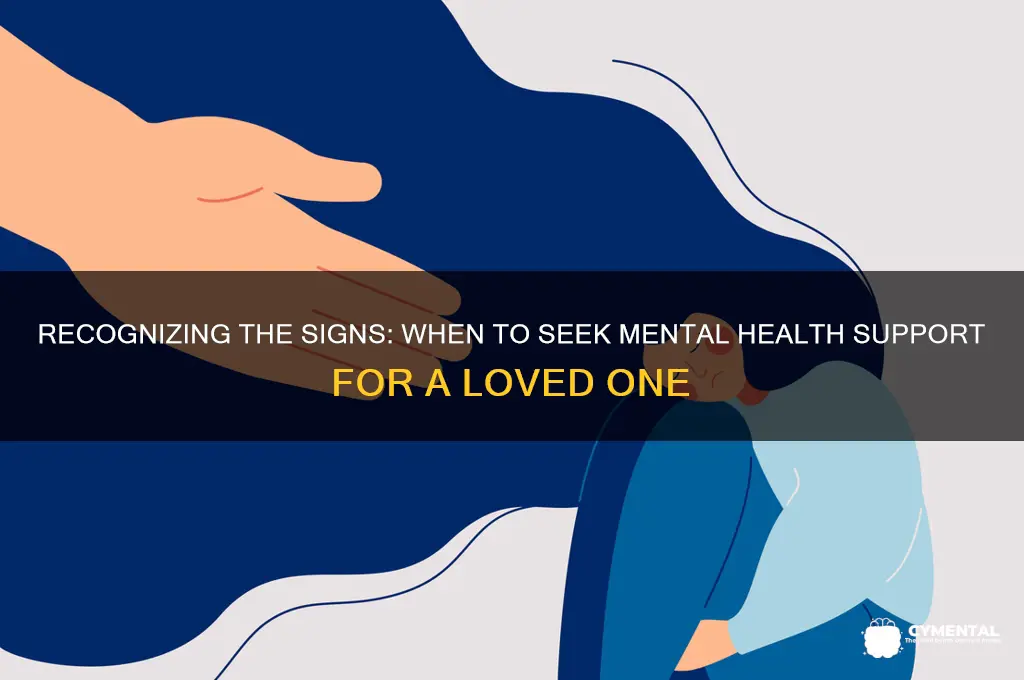
Recognizing when to seek mental health support for someone can be challenging, as the signs often vary and may not always be overt. It’s crucial to pay attention to persistent changes in behavior, mood, or functioning, such as prolonged sadness, withdrawal from social activities, extreme irritability, or difficulty managing daily tasks. If the person expresses feelings of hopelessness, mentions self-harm, or exhibits significant changes in sleep, appetite, or energy levels, it may indicate a need for professional intervention. Trusting your instincts and approaching the situation with empathy and understanding is key. Encouraging them to seek help from a mental health professional, such as a therapist or counselor, can provide the necessary support and resources to address their struggles effectively. Early intervention often leads to better outcomes, so acting with care and urgency is essential.
Explore related products


What You'll Learn
- Recognizing severe mood swings or prolonged sadness in a person's behavior
- Identifying sudden changes in appetite, sleep, or energy levels
- Noticing withdrawal from social activities or loss of interest in hobbies
- Observing signs of self-harm, suicidal thoughts, or harmful behaviors
- Detecting persistent anxiety, panic attacks, or overwhelming fear in daily life

Recognizing severe mood swings or prolonged sadness in a person's behavior
Severe mood swings and prolonged sadness can be red flags signaling a deeper mental health issue. These aren't just fleeting emotions; they're persistent patterns that disrupt daily life. Imagine a friend who oscillates between euphoric excitement and crushing despair within hours, or a colleague who seems perpetually shrouded in a fog of sadness, uninterested in activities they once enjoyed. These aren't simply "bad days" – they're potential cries for help.
Recognizing these patterns requires observation and empathy. Look for drastic shifts in energy levels, sleep patterns, and social engagement. Does their enthusiasm for hobbies wane? Do they withdraw from social interactions, preferring isolation? Are their outbursts of anger or tears disproportionate to the situation? These changes, especially when persistent, warrant attention.
Distinguishing between normal emotional fluctuations and concerning behavior is crucial. Everyone experiences sadness and mood swings. The key lies in duration and intensity. A week of feeling down after a setback is normal; months of persistent sadness, however, could indicate depression. Similarly, occasional irritability is common, but frequent, explosive mood swings might point to bipolar disorder. Context matters – consider recent life events, stress levels, and the person's typical behavior.
Don't wait for a crisis to intervene. If you notice these signs, approach the person with compassion and concern. Express your observations without judgment, using "I" statements like "I've noticed you seem really down lately, and I'm worried about you." Encourage them to seek professional help, offering to accompany them to an appointment if they're hesitant. Remember, your support can be a lifeline.
Early intervention is crucial for effective treatment. Mental health conditions are treatable, and seeking help is a sign of strength, not weakness. By recognizing the signs of severe mood swings and prolonged sadness, you can play a vital role in guiding someone towards the support they need.
Grayson Allen's Mental Health: Addressing Concerns and Seeking Support
You may want to see also
Explore related products


Identifying sudden changes in appetite, sleep, or energy levels
Sudden shifts in appetite, sleep, or energy levels often serve as early warning signs of underlying mental health struggles. These changes can manifest as drastic weight loss or gain, insomnia or excessive sleeping, and persistent fatigue or hyperactivity. While occasional fluctuations are normal, consistent and unexplained deviations from a person’s baseline behavior warrant attention. For instance, a teenager who suddenly stops eating dinner or an adult sleeping only three hours a night despite no change in schedule could be experiencing distress. Recognizing these patterns early can be the first step in preventing more severe mental health crises.
Analyzing these changes requires context and observation. Appetite alterations, for example, might reflect depression (loss of interest in food) or anxiety (stress-induced overeating). Sleep disturbances, such as difficulty falling asleep or staying asleep, are hallmark symptoms of conditions like depression or PTSD. Energy level shifts—whether extreme lethargy or manic productivity—can signal disorders like bipolar disorder or burnout. Tracking these changes over time, say in a journal or through a mental health app, can help identify trends and provide concrete examples when consulting a professional.
Practical steps for intervention include initiating a non-judgmental conversation with the individual. Start by expressing concern without assigning blame, such as, “I’ve noticed you haven’t been eating much lately—how are you feeling?” Encourage professional help by offering to assist in finding a therapist or scheduling an appointment. For immediate support, suggest grounding techniques like deep breathing or a short walk to address acute anxiety or restlessness. If the person is resistant, focus on small, manageable actions, like sharing a helpline number or recommending a mental health podcast.
Comparing these changes to physical health indicators can underscore their significance. Just as sudden chest pain or a persistent fever demands medical attention, drastic shifts in appetite, sleep, or energy should not be dismissed. Mental health is equally vital, and these symptoms often reflect deeper issues that, if left unaddressed, can escalate. For example, prolonged sleep deprivation can impair cognitive function, while extreme appetite changes may lead to malnutrition or other health complications. Treating these signs with urgency can mitigate long-term consequences.
In conclusion, identifying sudden changes in appetite, sleep, or energy levels requires vigilance, empathy, and action. By understanding their potential implications, tracking patterns, and offering targeted support, you can play a crucial role in helping someone access the mental health care they need. Remember, early intervention is key—these changes are not just phases but potential cries for help.
Plant-Based Diets and Mental Health: Exploring the Mind-Body Connection
You may want to see also
Explore related products





Noticing withdrawal from social activities or loss of interest in hobbies
Withdrawal from social activities and a noticeable loss of interest in once-beloved hobbies can be silent alarms signaling deeper mental health struggles. These changes often manifest as a person gradually declining invitations, abandoning creative outlets, or seeming indifferent to activities that previously brought them joy. While occasional disengagement is normal, persistent patterns warrant attention. For instance, a teenager who stops attending weekly soccer practices or an adult who neglects their garden after years of dedication may be exhibiting early signs of depression or anxiety. Recognizing these shifts requires attentiveness to both verbal and nonverbal cues, as individuals may downplay their feelings or avoid discussing them altogether.
Analyzing the root causes of such withdrawal reveals a complex interplay of emotional and psychological factors. Social disengagement can stem from feelings of inadequacy, fear of judgment, or overwhelming fatigue—common symptoms of conditions like major depressive disorder or generalized anxiety disorder. Similarly, losing interest in hobbies often reflects anhedonia, a clinical inability to feel pleasure, which is a hallmark of depression. It’s crucial to differentiate between temporary mood fluctuations and persistent behavioral changes. For example, a college student overwhelmed by exams might temporarily pause their painting hobby, but if this pause extends for months, it becomes a red flag. Tracking the duration and intensity of these changes provides valuable context for determining when professional intervention is necessary.
Persuading someone to seek help in these situations requires empathy, patience, and strategic communication. Avoid accusatory language or minimizing their experiences; instead, express concern in a non-judgmental way. For instance, saying, “I’ve noticed you haven’t been joining us for game nights lately, and I’m worried about you,” opens the door for dialogue. Offer practical support, such as researching therapists together or suggesting low-pressure social activities like a short walk or coffee date. Remember, the goal is to foster trust, not force action. If resistance persists, consider involving a mutual friend or family member who can provide additional perspective or encouragement.
Comparing this scenario to physical health can help normalize the need for intervention. Just as persistent back pain warrants a visit to a chiropractor, ongoing social withdrawal or loss of interest in hobbies should prompt a consultation with a mental health professional. Early intervention is key; untreated mental health issues can escalate, leading to more severe symptoms or even crises. For adolescents, whose brains are still developing, addressing these signs promptly can prevent long-term impacts on social skills and emotional resilience. Adults, too, benefit from timely support, as untreated conditions can strain relationships and hinder professional growth.
In practical terms, here’s a step-by-step guide to addressing these concerns: First, document specific instances of withdrawal or disinterest over the past month to identify patterns. Second, initiate a conversation in a private, comfortable setting, focusing on observations rather than assumptions. Third, encourage professional help by offering to assist with finding a therapist or scheduling an appointment. Caution against self-diagnosis or pushing too hard, as this can alienate the individual. Finally, maintain consistent, gentle follow-up, reinforcing that seeking help is a sign of strength, not weakness. By approaching this issue with sensitivity and actionability, you can play a vital role in guiding someone toward the support they need.
Church and Mental Health: Exploring the Impact of Faith Communities
You may want to see also
Explore related products

$12.99

$14.15 $20

$12.14 $19.99


Observing signs of self-harm, suicidal thoughts, or harmful behaviors
Self-harm, suicidal thoughts, and harmful behaviors are red flags that demand immediate attention. These signs often manifest as subtle changes in behavior, appearance, or communication. For instance, unexplained scars, frequent injuries, or a sudden shift in social withdrawal could indicate self-harm. Verbal cues like "I wish I wasn’t here" or "Everyone would be better off without me" should never be dismissed as mere dramatics. Observing these signs requires a balance of vigilance and empathy, as the person may go to great lengths to conceal their struggles.
Analyzing these behaviors reveals a cry for help, often rooted in overwhelming emotional pain. Self-harm, for example, is frequently a maladaptive coping mechanism for individuals who feel unable to express their distress verbally. Suicidal ideation, whether passive or active, signifies a severe mental health crisis. Harmful behaviors like substance abuse or disordered eating may co-occur, compounding the risk. Recognizing these patterns early can be the difference between intervention and tragedy, but it requires understanding the context and severity of the actions.
To address these signs effectively, follow a structured approach. First, create a safe, non-judgmental space to express concern. Use "I" statements like, "I’ve noticed you’ve been isolating yourself, and I’m worried about you." Avoid accusatory language, which may trigger defensiveness. Second, encourage professional help by offering to assist in finding a therapist or crisis hotline. For immediate risks, such as explicit suicidal plans, call emergency services without delay. Practical tools like the Columbia Suicide Severity Scale can guide conversations, but professional assessment is crucial.
Comparing self-harm and suicidal ideation highlights their distinct yet interconnected nature. Self-harm often serves as a temporary release from emotional pain, while suicidal thoughts reflect a desire to escape existence altogether. Both require intervention, but the urgency escalates with suicidal intent. For adolescents, who are particularly vulnerable, schools and parents should collaborate to monitor signs like sudden academic decline or aggressive behavior. Adults may exhibit signs through increased irritability or neglect of responsibilities. Tailoring the response to the individual’s age and circumstances is key.
In conclusion, observing signs of self-harm, suicidal thoughts, or harmful behaviors is both an art and a science. It demands attentiveness to subtle cues, an understanding of underlying causes, and decisive action. By approaching these situations with compassion and knowledge, you can play a critical role in guiding someone toward the help they desperately need. Remember, early intervention is not just beneficial—it’s lifesaving.
Massage Therapy: A Powerful Tool for Mental Health and Wellness
You may want to see also
Explore related products


Detecting persistent anxiety, panic attacks, or overwhelming fear in daily life
Persistent anxiety, panic attacks, or overwhelming fear can subtly infiltrate daily life, often masquerading as mere stress or temporary unease. Recognizing these patterns requires vigilance, as they frequently manifest in behaviors like avoidance of social situations, excessive worry about mundane tasks, or physical symptoms such as rapid heartbeat, sweating, or trembling. For instance, a person might repeatedly cancel plans due to an unexplained sense of dread or spend hours ruminating over minor decisions. These signs, when recurring, signal a need for intervention, as untreated anxiety can escalate into more severe mental health issues.
To detect these issues in someone else, observe changes in their routine or personality. Are they withdrawing from activities they once enjoyed? Do they exhibit irrational fears or seem perpetually on edge? A practical tip is to track frequency: note how often these behaviors occur over a two-week period. If anxiety symptoms appear daily or interfere with work, relationships, or self-care, it’s time to encourage professional help. For adolescents, this might include sudden academic decline or increased irritability, while in adults, it could manifest as chronic insomnia or difficulty concentrating at work.
Encouraging someone to seek help requires sensitivity and strategy. Start by expressing concern without judgment, using "I" statements like, "I’ve noticed you seem really worried lately, and I’m here to support you." Offer concrete resources, such as contact information for therapists or helplines, and suggest starting with a single session to reduce the pressure of long-term commitment. Caution against dismissing their feelings or suggesting they "just relax," as this can invalidate their experience and deter them from seeking help.
Comparatively, while occasional anxiety is a normal part of life, persistent symptoms differentiate clinical anxiety disorders. For example, a panic attack is not merely feeling nervous—it’s a sudden episode of intense fear accompanied by physical symptoms like chest pain or shortness of breath. Understanding this distinction is crucial for determining when to intervene. Unlike fleeting stress, anxiety disorders are treatable conditions that often respond well to therapy, medication, or a combination of both, making early detection and action pivotal.
Finally, consider the role of environment in exacerbating these issues. Chronic stressors like workplace pressure, financial instability, or relationship conflicts can amplify anxiety, making it harder to manage without professional guidance. Practical steps include helping the individual identify triggers, establish a calming routine (e.g., mindfulness exercises or regular physical activity), and set realistic boundaries. While these measures can provide temporary relief, they are not substitutes for therapy or medication when symptoms persist. The takeaway? Persistent anxiety is not a character flaw but a treatable condition—and recognizing it early can prevent it from dominating someone’s life.
Steps to Become a Certified Mental Health Professional
You may want to see also
Frequently asked questions
Look for persistent changes in behavior, mood, or functioning, such as prolonged sadness, withdrawal from social activities, difficulty managing daily tasks, or expressions of hopelessness. If these symptoms last for two weeks or more and interfere with their life, it’s time to encourage professional help.
Approach the conversation with empathy and understanding. Express your concern without judgment, share specific examples of behaviors you’ve noticed, and offer to help them find a therapist or resources. Avoid forcing them, but let them know you’re there to support them.
Seek immediate help if someone is expressing suicidal thoughts, engaging in self-harm, experiencing severe psychotic symptoms (like hallucinations), or is at risk of harming others. Call a crisis hotline, 911, or take them to the nearest emergency room.
Be a compassionate listener, encourage self-care activities like exercise or hobbies, and help them create a structured daily routine. Avoid minimizing their feelings and remind them that seeking help is a sign of strength. Offer to accompany them to their first appointment if they’re comfortable with it.