Lucas Bennett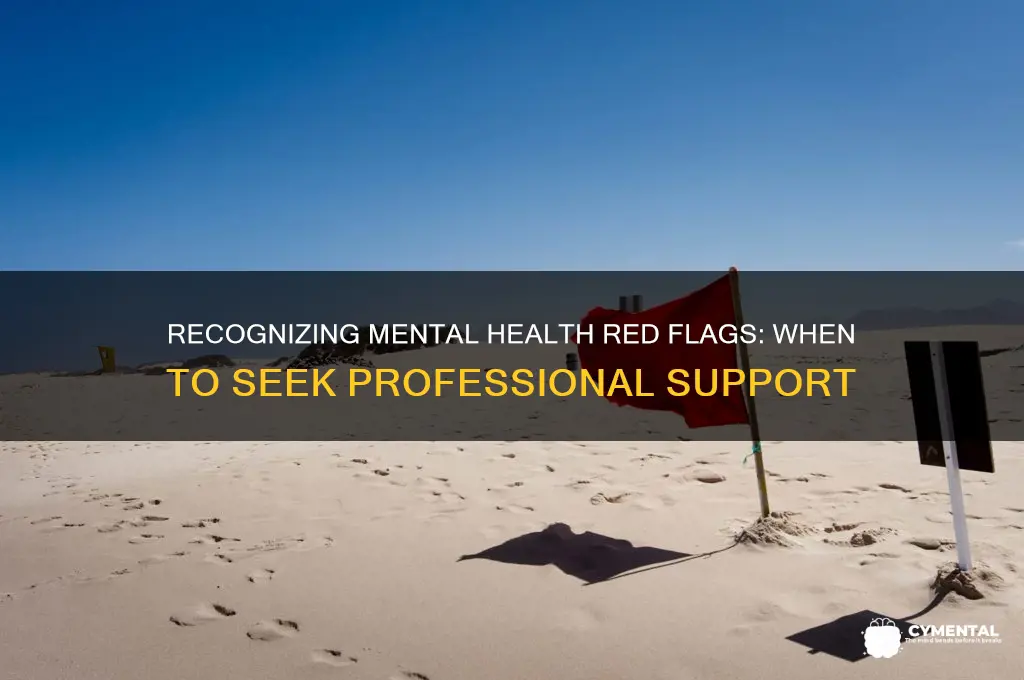
Recognizing when to seek professional help for mental health concerns is crucial for overall well-being, as early intervention can significantly improve outcomes. According to the World Health Organization (WHO), mental health is a state of well-being in which individuals realize their potential, cope with life’s stresses, work productively, and contribute to their communities. However, when persistent symptoms such as prolonged sadness, anxiety, irritability, changes in sleep or appetite, withdrawal from social activities, or thoughts of self-harm arise, it may indicate the need for professional support. These signs often signal underlying conditions like depression, anxiety disorders, or other mental health challenges that require expert guidance. Seeking help from a mental health professional, such as a therapist, psychologist, or psychiatrist, can provide tailored strategies, therapy, or medication to address these issues effectively. Ignoring these signs can lead to worsening symptoms and long-term consequences, making timely intervention essential for recovery and resilience.
Explore related products


$6.79 $14.99


$9.79 $17.99


What You'll Learn
- Persistent sadness or mood changes lasting over two weeks, affecting daily life significantly
- Severe anxiety or panic attacks disrupting normal activities and causing physical symptoms
- Thoughts of self-harm or suicide, or any suicidal ideation, require immediate attention
- Dramatic changes in eating, sleeping, or behavior patterns without clear cause
- Inability to manage stress, work, or relationships despite personal coping efforts

Persistent sadness or mood changes lasting over two weeks, affecting daily life significantly
Persistent sadness or mood changes that linger for more than two weeks can be a red flag, signaling the need for professional intervention. This duration is not arbitrary; it’s a benchmark used by mental health professionals to distinguish between fleeting emotional responses and potential mental health disorders. For instance, while it’s normal to feel down after a significant loss or setback, prolonged feelings of hopelessness or disinterest in previously enjoyed activities may indicate depression or another underlying condition. Tracking these changes in a journal can help individuals and their loved ones recognize patterns and determine when to seek help.
Analyzing the impact on daily life is crucial. When persistent sadness disrupts work, relationships, or self-care routines, it’s no longer a matter of "toughing it out." For example, a college student who skips classes due to overwhelming fatigue or an employee who struggles to meet deadlines because of constant irritability may be experiencing more than a temporary slump. These disruptions often create a vicious cycle: the inability to function exacerbates the sadness, which further impairs daily activities. Recognizing this interplay is the first step toward breaking the cycle.
From a practical standpoint, here’s how to respond: start by consulting a primary care physician or mental health professional who can assess symptoms and rule out physical causes, such as thyroid disorders or vitamin deficiencies. If a mental health issue is suspected, treatment options may include therapy, medication, or lifestyle adjustments. Cognitive-behavioral therapy (CBT), for instance, has proven effective in managing persistent mood changes by helping individuals reframe negative thought patterns. Antidepressants, prescribed under professional guidance, can also provide relief, though they often take 4–6 weeks to show full effects.
Comparing this symptom to physical health issues can clarify its urgency. Just as persistent chest pain warrants medical attention, prolonged sadness should not be ignored. Both can indicate serious conditions that worsen without treatment. Yet, societal stigma often leads people to downplay emotional distress, viewing it as a sign of weakness rather than a legitimate health concern. Challenging this mindset is essential for encouraging timely intervention and preventing long-term consequences, such as chronic depression or social isolation.
Finally, a descriptive approach highlights the lived experience of persistent sadness: imagine a once-vibrant individual now moving through life as if weighed down by an invisible burden. Their laughter is rarer, their energy depleted, and their connections strained. This isn’t merely a "bad phase"—it’s a call for support. By acknowledging the severity of these changes and taking action, individuals can reclaim their well-being and restore balance to their lives. The key lies in recognizing that seeking help is not a defeat but a courageous step toward healing.
Finding Mental Health Support in New Zealand: A Comprehensive Guide
You may want to see also
Explore related products


$21.49 $32.99


Severe anxiety or panic attacks disrupting normal activities and causing physical symptoms
Severe anxiety or panic attacks can manifest in ways that are impossible to ignore, yet many people hesitate to seek help, often mistaking these episodes for mere stress or temporary discomfort. Imagine this: You’re at work, and suddenly your heart races, your breath quickens, and your chest tightens. You feel detached from reality, as if you’re drowning in a wave of fear, even though there’s no immediate threat. This isn’t just "nerves"—it’s a panic attack, and when it happens repeatedly, it disrupts your ability to function. Physical symptoms like dizziness, nausea, or even numbness can accompany these episodes, blurring the line between mental and physical health. If this sounds familiar, it’s a clear sign to seek professional help.
Let’s break it down: Anxiety and panic attacks aren’t just emotional experiences; they’re physiological events. Your body’s fight-or-flight response is triggered at full throttle, even in non-threatening situations. For instance, someone with severe anxiety might avoid social gatherings due to fear of judgment, or they might skip work because the thought of commuting triggers a panic attack. Over time, this avoidance can lead to isolation, job loss, or strained relationships. Physical symptoms like chronic headaches, insomnia, or gastrointestinal issues often follow, creating a cycle that’s hard to break without intervention. Recognizing these patterns is the first step toward reclaiming control.
Here’s a practical approach: If anxiety or panic attacks occur more than once a week, last longer than 10 minutes, or force you to alter your daily routine, it’s time to act. Start by documenting your symptoms—note when they occur, how long they last, and what triggers them. This information will be invaluable for a mental health professional. Next, consider reaching out to a therapist or psychiatrist who specializes in anxiety disorders. Cognitive Behavioral Therapy (CBT) and medication, such as SSRIs or benzodiazepines (prescribed cautiously due to dependency risks), are evidence-based treatments. Pair these with lifestyle changes: regular exercise, a balanced diet, and mindfulness practices can reduce symptom severity.
Compare this to ignoring the problem: Untreated severe anxiety can lead to complications like depression, substance abuse, or even cardiovascular issues. For example, chronic stress from frequent panic attacks can elevate cortisol levels, increasing the risk of hypertension or heart disease. Conversely, early intervention not only alleviates symptoms but also prevents long-term damage. Think of it as addressing a small crack in a foundation before it weakens the entire structure. The takeaway? Severe anxiety isn’t something to "tough out"—it’s a condition that responds well to timely, targeted treatment.
Finally, remember that seeking help isn’t a sign of weakness; it’s a step toward resilience. If you’re unsure where to start, begin with a primary care physician, who can refer you to a specialist. Online resources like the WHO’s mental health guidelines or apps like Calm or Headspace can provide immediate coping strategies while you wait for professional support. The goal isn’t to eliminate anxiety entirely—it’s to manage it so it no longer dictates your life. With the right tools and support, you can turn the tide on severe anxiety and reclaim your normalcy.
Zumba's Mental Health Benefits: Dance Your Way to Wellness
You may want to see also
Explore related products


Thoughts of self-harm or suicide, or any suicidal ideation, require immediate attention
Suicidal thoughts or ideation are not merely cries for attention; they are urgent signals of profound distress that demand immediate intervention. The World Health Organization (WHO) emphasizes that such thoughts should never be ignored, as they can escalate rapidly, especially in individuals with underlying mental health conditions like depression, anxiety, or trauma. Recognizing these signs early—whether in yourself or others—is critical. Common red flags include persistent feelings of hopelessness, withdrawal from social activities, giving away prized possessions, or sudden calmness after a period of despair, which may indicate a decision has been made.
If you or someone you know is experiencing suicidal thoughts, the first step is to ensure safety. Remove any potential means of self-harm, such as medications, weapons, or sharp objects, from immediate access. Next, contact a mental health professional or a crisis hotline immediately. In the U.S., the 988 Suicide & Crisis Lifeline provides 24/7 support, while international resources like the Befrienders Worldwide network offer localized assistance. Do not leave the individual alone until professional help arrives. Even if the person insists they are "fine," trust your instincts and prioritize their safety.
Comparing suicidal ideation to other mental health concerns highlights its unique urgency. While symptoms like persistent sadness or anxiety warrant attention, suicidal thoughts require an immediate response akin to a medical emergency. Unlike conditions that may improve with time or self-care, suicidal ideation often worsens without intervention. This distinction underscores why it is not advisable to "wait and see" or rely solely on personal coping mechanisms. Professional help, including therapy, medication, or hospitalization, may be necessary to stabilize the individual and address the root causes of their distress.
A persuasive argument for seeking help lies in the effectiveness of early intervention. Studies show that individuals who receive timely support for suicidal thoughts are significantly less likely to attempt suicide. Therapies like Cognitive Behavioral Therapy (CBT) and Dialectical Behavior Therapy (DBT) have proven effective in reducing suicidal ideation by teaching coping skills and reshaping harmful thought patterns. Additionally, medications such as antidepressants can alleviate underlying symptoms, though they should always be prescribed and monitored by a healthcare provider. Delaying treatment not only risks escalation but also prolongs unnecessary suffering.
In conclusion, thoughts of self-harm or suicide are not to be taken lightly. They are a clear indication that professional help is needed—now. By acting swiftly, removing risks, and accessing appropriate resources, you can play a vital role in preventing tragedy. Remember, seeking help is a sign of strength, not weakness, and it can save lives. If you’re unsure where to start, begin with a trusted healthcare provider or a crisis hotline. The path to recovery may be challenging, but it is always worth pursuing.
Self-Control and Mental Health: A Powerful Tool for Disorder Management
You may want to see also
Explore related products


Dramatic changes in eating, sleeping, or behavior patterns without clear cause
Sudden shifts in daily habits—eating more or less, sleeping too much or too little, or behaving in ways that seem out of character—can be silent alarms for underlying mental health issues. These changes often emerge without an obvious trigger, making them easy to dismiss as temporary quirks. However, when they persist for more than two weeks or interfere with daily functioning, they warrant attention. For instance, a teenager who abruptly stops eating meals or an adult who begins sleeping 14 hours a day without feeling rested could be experiencing symptoms of depression or anxiety. Tracking these patterns in a journal can help identify consistency and severity, providing valuable data for a mental health professional.
Consider the biological mechanisms at play: disruptions in eating and sleeping often correlate with imbalances in neurotransmitters like serotonin and dopamine, which regulate mood and energy. For example, insomnia or oversleeping can exacerbate anxiety, while drastic changes in appetite may signal conditions like depression or bipolar disorder. Practical steps include monitoring meal times, sleep duration, and behavioral anomalies. If a person skips meals for three consecutive days or exhibits erratic behavior like sudden aggression or withdrawal, it’s time to consult a healthcare provider. Apps like Sleep Cycle or MyFitnessPal can assist in tracking these changes objectively.
From a comparative perspective, these symptoms often mimic stress responses but differ in intensity and duration. While stress-induced insomnia might resolve after a few nights, chronic sleep disturbances without a clear cause could indicate a deeper issue. Similarly, stress might reduce appetite temporarily, but persistent eating disorders like binge-eating or anorexia require professional intervention. Age plays a role too: adolescents and young adults are more prone to dramatic behavioral shifts due to hormonal changes, but such alterations in older adults should raise immediate concern, as they may signal emerging conditions like dementia or late-onset depression.
Persuasively, ignoring these signs can lead to long-term consequences. Untreated mental health issues often spiral into more severe problems, including physical health deterioration or social isolation. For instance, prolonged sleep deprivation increases the risk of cardiovascular disease, while disordered eating can lead to malnutrition or obesity. Early intervention, such as cognitive-behavioral therapy (CBT) or medication, can prevent escalation. A proactive approach involves educating oneself and loved ones about these red flags and fostering an environment where seeking help is normalized. Remember, dramatic changes in eating, sleeping, or behavior are not just "phases"—they are calls for action.
Peer Support: A Powerful Tool for Mental Health Recovery
You may want to see also
Explore related products


Inability to manage stress, work, or relationships despite personal coping efforts
Life's demands often feel like a relentless tide, and while most people develop strategies to stay afloat, there comes a point when personal coping mechanisms simply aren't enough. You might find yourself constantly overwhelmed by stress, struggling to meet work deadlines, or experiencing friction in relationships despite your best efforts to manage these areas. This persistent inability to cope, even after trying various self-help techniques, is a clear signal that professional intervention may be necessary.
Consider this scenario: You’ve adopted time management apps, practiced mindfulness, and even cut back on commitments, yet the stress of balancing work and personal life remains crushing. Or perhaps you’ve tried communication exercises and boundary-setting in relationships, but conflicts persist, leaving you emotionally drained. These are not signs of personal failure but indicators that the complexity of your situation may require specialized tools and perspectives that only a mental health professional can provide.
From a practical standpoint, seeking help at this juncture can prevent small issues from escalating into more severe mental health challenges. For instance, chronic stress, if left unaddressed, can lead to anxiety disorders, depression, or even physical health problems like hypertension. Similarly, unresolved relationship issues can erode self-esteem and contribute to feelings of isolation. Professionals can offer evidence-based strategies tailored to your unique circumstances, such as cognitive-behavioral therapy (CBT) for stress management or couples therapy for relationship difficulties.
It’s also worth noting that age and life stage can influence how stress manifests and how effectively one copes. For example, young adults may struggle with the transition to independence, while middle-aged individuals might face the dual pressures of career advancement and caregiving. Professionals can provide age-specific guidance, such as recommending stress-reduction techniques like progressive muscle relaxation for older adults or suggesting digital detoxes for younger individuals overwhelmed by social media pressures.
Ultimately, recognizing when personal coping efforts fall short is an act of self-awareness, not weakness. It’s akin to realizing you need a map when your usual routes no longer lead you where you need to go. Professional help can provide that map, offering new pathways to manage stress, improve work performance, and foster healthier relationships. The goal isn’t to eliminate life’s challenges but to equip you with the resilience and tools to navigate them effectively.
Unwanted Care: Ethical Dilemmas When Mental Health Agencies Retain Unwilling Clients
You may want to see also
Frequently asked questions
Signs include persistent feelings of sadness, anxiety, or hopelessness; difficulty functioning in daily life (e.g., work, relationships); changes in sleep or appetite; frequent mood swings; thoughts of self-harm or suicide; or withdrawing from social activities. If these symptoms last for two weeks or more, it’s advisable to consult a mental health professional.
If stress or anxiety interferes with your ability to work, study, or maintain relationships, or if you experience physical symptoms like headaches, insomnia, or panic attacks, it may be time to seek help. Persistent worry or fear that feels uncontrollable is also a red flag.
While mild symptoms may resolve with time, waiting too long can worsen the condition. Early intervention is key to effective treatment. If symptoms persist, intensify, or affect your quality of life, it’s best to consult a professional promptly.
Approach them with empathy and encourage them to seek professional help. Offer support and help them find resources, such as therapists or helplines. If they are at risk of self-harm or harm to others, seek immediate assistance from a crisis hotline or emergency services.