Noah Parker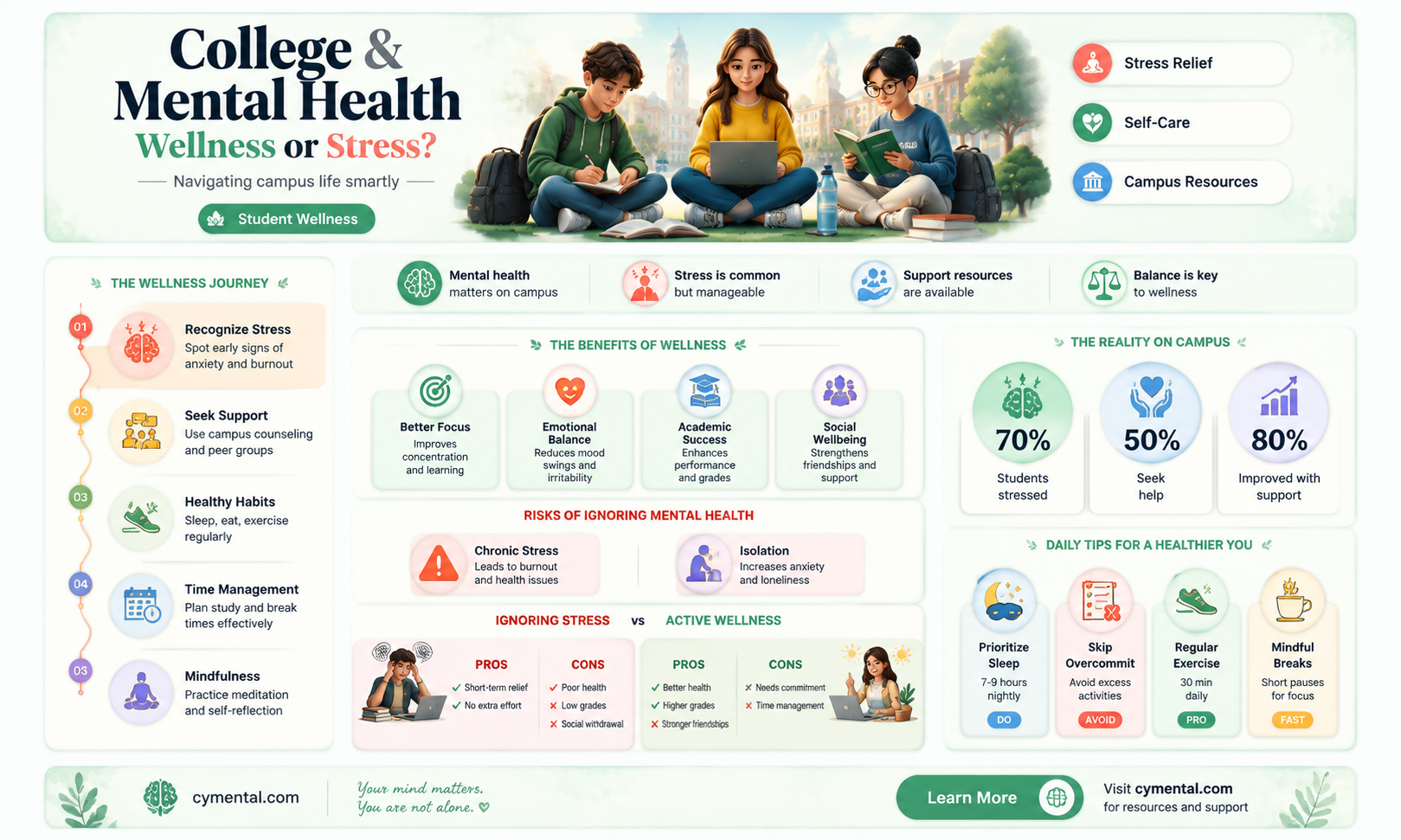
College can significantly impact mental health, offering both challenges and opportunities for growth. While the academic demands, social pressures, and newfound independence can exacerbate stress, anxiety, or depression, many institutions now provide robust mental health resources, such as counseling services, wellness programs, and peer support groups. Additionally, the structured environment, access to like-minded individuals, and opportunities for personal development can foster resilience and emotional well-being. However, the effectiveness of college in supporting mental health largely depends on individual experiences, the availability of resources, and how proactively students engage with support systems. Ultimately, college has the potential to either improve or strain mental health, making it essential for students to prioritize self-care and utilize available tools to navigate this transformative period.
Explore related products

$15.99 $21.95


What You'll Learn
- Access to Counseling Services: On-campus mental health resources offer therapy, support groups, and crisis intervention
- Structured Routine Benefits: Consistent schedules in college can reduce stress and improve emotional stability
- Social Support Networks: Building friendships and communities fosters a sense of belonging and reduces loneliness
- Skill Development Impact: Learning coping skills and resilience enhances mental health management long-term
- Awareness and Education: College programs often promote mental health literacy, reducing stigma and encouraging help-seeking

Access to Counseling Services: On-campus mental health resources offer therapy, support groups, and crisis intervention
Colleges increasingly recognize that mental health is as crucial as academic success, embedding counseling services directly into campus life. These on-campus resources typically include individual therapy, group support sessions, and crisis intervention, often provided by licensed professionals trained in student-specific challenges. For instance, many universities offer 8–12 free counseling sessions per academic year, with additional services available for a nominal fee or through insurance. This accessibility removes common barriers like cost and transportation, making it easier for students to seek help.
Consider the structure of these services: individual therapy sessions usually last 45–50 minutes and focus on issues like anxiety, depression, or academic stress. Support groups, often led by peer facilitators or counselors, meet weekly and cover topics such as grief, LGBTQ+ experiences, or exam-related pressure. Crisis intervention teams are available 24/7, providing immediate assistance for emergencies like suicidal ideation or severe panic attacks. For example, a student experiencing a late-night panic attack can call a dedicated hotline or walk into a designated safe space for instant support.
While these resources are invaluable, their effectiveness depends on student awareness and willingness to use them. Colleges often promote these services through orientation programs, wellness campaigns, and faculty training, yet stigma and lack of information persist. A practical tip: students should familiarize themselves with their school’s mental health portal during the first week of classes, noting contact numbers, locations, and appointment procedures. Knowing these details in advance reduces hesitation when help is needed.
Comparatively, off-campus mental health services often require navigating insurance, long waitlists, and travel, which can deter students from seeking help. On-campus resources streamline this process, offering immediate access to professionals who understand the unique pressures of academic life. For instance, a counselor at a university might help a student develop time-management strategies tailored to their course load, blending mental health support with practical academic advice.
In conclusion, on-campus counseling services are a cornerstone of college mental health support, providing tailored, accessible care that addresses both emotional and academic challenges. By leveraging these resources, students can build resilience, manage stress, and thrive in their college environment. The key is not just knowing they exist but understanding how to use them effectively—a small step that can lead to significant, lasting benefits.
Furry Fandom and Mental Health: Exploring Emotional Benefits and Support
You may want to see also
Explore related products


Structured Routine Benefits: Consistent schedules in college can reduce stress and improve emotional stability
College life often feels like a whirlwind of deadlines, social pressures, and newfound independence. Amidst this chaos, a structured routine emerges as a powerful tool for mental well-being. Research shows that students with consistent schedules report lower stress levels and greater emotional stability compared to those with erratic daily patterns. This isn’t about rigid timetables that suffocate spontaneity, but rather about creating a framework that anchors your day, providing predictability in an unpredictable environment.
Consider the biological underpinnings: our bodies thrive on rhythm. Circadian rhythms, governed by our internal clocks, regulate sleep, energy, and mood. When you wake up, eat, study, and sleep at roughly the same times each day, you reinforce these natural cycles. For instance, a study published in the *Journal of Adolescent Health* found that college students who maintained regular sleep schedules experienced fewer symptoms of anxiety and depression. Practical tip: aim for a sleep schedule that allows 7–9 hours of rest nightly, adjusting for weekends by no more than an hour to avoid disrupting your rhythm.
Now, let’s talk implementation. Start by mapping out your week, allocating blocks for classes, study sessions, meals, and downtime. Use tools like digital planners or apps that sync across devices to keep track. For example, dedicate 2–3 hours daily to focused study, broken into 45-minute intervals with 10-minute breaks to align with the Pomodoro Technique. This not only enhances productivity but also prevents burnout. Caution: avoid overloading your schedule. Leave buffer time for unexpected tasks or self-care, as rigidity without flexibility can backfire.
Compare this to the alternative: a day-to-day existence dictated by whims or last-minute demands. Without structure, tasks pile up, leading to procrastination and guilt. Emotional instability often follows, as the brain craves order. A structured routine acts as a mental scaffold, reducing decision fatigue and freeing cognitive resources for more complex tasks. For instance, knowing you have a designated time to tackle assignments can alleviate the constant background stress of looming deadlines.
Finally, the takeaway: a structured routine isn’t about perfection but consistency. It’s about creating a rhythm that supports your mental health while allowing room for life’s unpredictability. Start small—perhaps by setting a consistent wake-up time or scheduling one daily study session. Over time, these habits compound, fostering a sense of control and emotional resilience. In the chaotic landscape of college, a structured routine isn’t just beneficial—it’s transformative.
Exercise Boosts Elderly Mental Health: Benefits and Strategies for Wellbeing
You may want to see also
Explore related products




Social Support Networks: Building friendships and communities fosters a sense of belonging and reduces loneliness
College life, with its whirlwind of academic pressures and newfound independence, can be a breeding ground for loneliness and isolation. Studies show that 60% of college students report feeling lonely at some point during their studies. This isn't just a fleeting feeling; chronic loneliness is linked to increased anxiety, depression, and even physical health problems.
Building a strong social support network is a powerful antidote. Think of it as a safety net woven from friendships, shared interests, and a sense of belonging to a community. Joining clubs, attending campus events, or simply striking up conversations in class are all stepping stones to building these connections. Research suggests that students with strong social support networks report higher levels of well-being, better academic performance, and increased resilience to stress.
Imagine a first-year student, overwhelmed by the size of the campus and the unfamiliar faces. Joining a hiking club not only provides an outlet for their love of the outdoors but also connects them with like-minded individuals who share their passion. These shared experiences foster a sense of belonging, transforming a potentially isolating environment into a supportive community.
But building a network isn't just about quantity; it's about quality. Cultivate relationships based on mutual respect, trust, and genuine connection. Be open to new experiences, listen actively, and offer support when needed. Remember, vulnerability is a strength, not a weakness. Sharing your own struggles can create deeper bonds and encourage others to do the same.
Don't underestimate the power of small gestures. A friendly smile, a genuine compliment, or a simple "how are you?" can go a long way in making someone feel seen and valued. College may be a time of intellectual growth, but it's also a crucial period for developing social skills and emotional intelligence. By actively building and nurturing your social support network, you're not just making friends; you're investing in your mental health and overall well-being.
Exercise and Mental Health: Unlocking the Mind-Body Connection for Wellness
You may want to see also
Explore related products


Skill Development Impact: Learning coping skills and resilience enhances mental health management long-term
College life often thrusts students into a whirlwind of academic pressures, social adjustments, and newfound independence, creating a fertile ground for mental health challenges. Amidst this chaos, the development of coping skills and resilience emerges as a critical lifeline. These skills, often cultivated through structured programs, workshops, or even informal experiences, equip students with the tools to navigate stress, anxiety, and adversity. For instance, mindfulness-based stress reduction (MBSR) programs, which involve 8 weeks of 2.5-hour sessions, have been shown to significantly reduce symptoms of anxiety and depression in college students. By integrating such practices, students not only manage immediate stressors but also build a foundation for long-term mental health resilience.
Consider the analogy of learning to swim in turbulent waters. Coping skills act as the strokes and techniques, while resilience is the endurance to stay afloat. Colleges that prioritize skill development often incorporate evidence-based strategies like cognitive-behavioral techniques, emotional regulation exercises, and problem-solving frameworks into their mental health initiatives. For example, a study published in the *Journal of College Student Development* found that students who participated in resilience-building workshops reported a 30% increase in their ability to handle academic setbacks compared to their peers. These skills are not just theoretical; they are actionable, empowering students to reframe negative thoughts, set realistic goals, and seek support when needed.
However, the impact of skill development is not instantaneous—it requires consistent practice and application. Think of it as building muscle: regular exercise strengthens the body over time. Similarly, incorporating coping strategies into daily routines—such as journaling for 15 minutes daily, practicing deep breathing exercises during breaks, or setting aside 30 minutes weekly for self-reflection—can amplify their effectiveness. Colleges can play a pivotal role by offering accessible resources, such as peer-led support groups or one-on-one coaching sessions, to reinforce these habits. For younger students (ages 18–22), who are more likely to experience mental health challenges for the first time, early intervention through skill-building programs can be particularly transformative.
A cautionary note: while skill development is powerful, it is not a one-size-fits-all solution. Individual differences in personality, background, and the severity of mental health issues mean that some students may require additional support, such as therapy or medication. Colleges must ensure that skill-building initiatives complement, rather than replace, professional mental health services. Moreover, overemphasizing self-reliance can inadvertently stigmatize seeking help, so it’s crucial to strike a balance. For instance, a student struggling with severe depression may benefit from coping skills but still need the guidance of a mental health professional to manage their condition effectively.
In conclusion, the impact of skill development on mental health management is profound and far-reaching. By teaching students how to cope with stress and build resilience, colleges not only address immediate challenges but also equip them with lifelong tools. Practical steps, such as integrating mindfulness practices into daily routines or participating in structured workshops, can make a tangible difference. While these skills are not a panacea, they are a vital component of a comprehensive approach to mental health. As students navigate the complexities of college life, the ability to adapt, recover, and thrive becomes not just a skill, but a cornerstone of their well-being.
Art's Healing Power: Boosting Mental Health Through Creativity
You may want to see also
Explore related products





Awareness and Education: College programs often promote mental health literacy, reducing stigma and encouraging help-seeking
Colleges are increasingly recognizing their role in fostering mental health literacy, a critical component of student well-being. By integrating awareness and education into their programs, institutions aim to dismantle the stigma surrounding mental health issues and empower students to seek support when needed. For instance, many universities now offer workshops, seminars, and online modules that define common mental health conditions, such as anxiety and depression, and provide actionable strategies for managing them. These initiatives not only educate students but also normalize conversations about mental health, making it easier for individuals to acknowledge their struggles without fear of judgment.
One effective strategy is the implementation of peer-led programs, where trained students facilitate discussions and share personal experiences. For example, Active Minds, a nonprofit organization with chapters on hundreds of campuses, uses peer-to-peer interactions to reduce stigma and promote help-seeking behaviors. Research shows that hearing from peers can be more relatable and less intimidating than formal lectures, encouraging students to take the first step toward accessing resources. Additionally, colleges often collaborate with mental health professionals to ensure that the information shared is accurate and evidence-based, bridging the gap between awareness and actionable knowledge.
However, awareness campaigns alone are not enough. Colleges must also provide clear pathways to resources, such as counseling services, crisis hotlines, and mental health apps. For instance, some institutions distribute "mental health toolkits" during orientation, which include step-by-step guides on how to schedule a counseling appointment, access telehealth services, or join support groups. These practical tools complement educational efforts by removing barriers to care, particularly for students who may feel overwhelmed or unsure of where to start. By combining awareness with accessibility, colleges can create a supportive ecosystem that fosters resilience and recovery.
Critically, the impact of these programs extends beyond individual students to the campus culture as a whole. When mental health literacy becomes a shared priority, it influences policies, faculty training, and even curriculum design. For example, professors who understand the signs of mental health struggles are better equipped to respond compassionately and refer students to appropriate resources. Similarly, integrating mental health topics into general education courses can further normalize the conversation, ensuring that all students, regardless of their major, gain foundational knowledge. This holistic approach transforms the college experience into a proactive environment for mental health care.
In conclusion, college programs that prioritize awareness and education play a pivotal role in reducing stigma and encouraging help-seeking behaviors. By leveraging peer-led initiatives, providing practical resources, and embedding mental health literacy into campus culture, institutions can create a lasting impact on student well-being. While challenges remain, these efforts demonstrate that colleges are not just places of academic learning but also vital spaces for fostering emotional and psychological growth.
Supporting Mental Health: Practical Ways to Help Loved Ones Heal
You may want to see also
Frequently asked questions
College can improve mental health by providing access to resources like counseling services, support groups, and mental health awareness programs. However, it may also introduce stressors like academic pressure, so the impact varies depending on individual experiences and available support systems.
Yes, most colleges offer mental health support, including counseling services, workshops, and crisis hotlines. Students can also access peer support groups and wellness programs designed to address stress, anxiety, and other mental health challenges.
College can exacerbate mental health issues due to increased stress, social pressures, and lifestyle changes. However, with proper support, time management, and self-care, many students are able to navigate these challenges effectively. Early intervention and utilizing available resources are key.