Lucas Bennett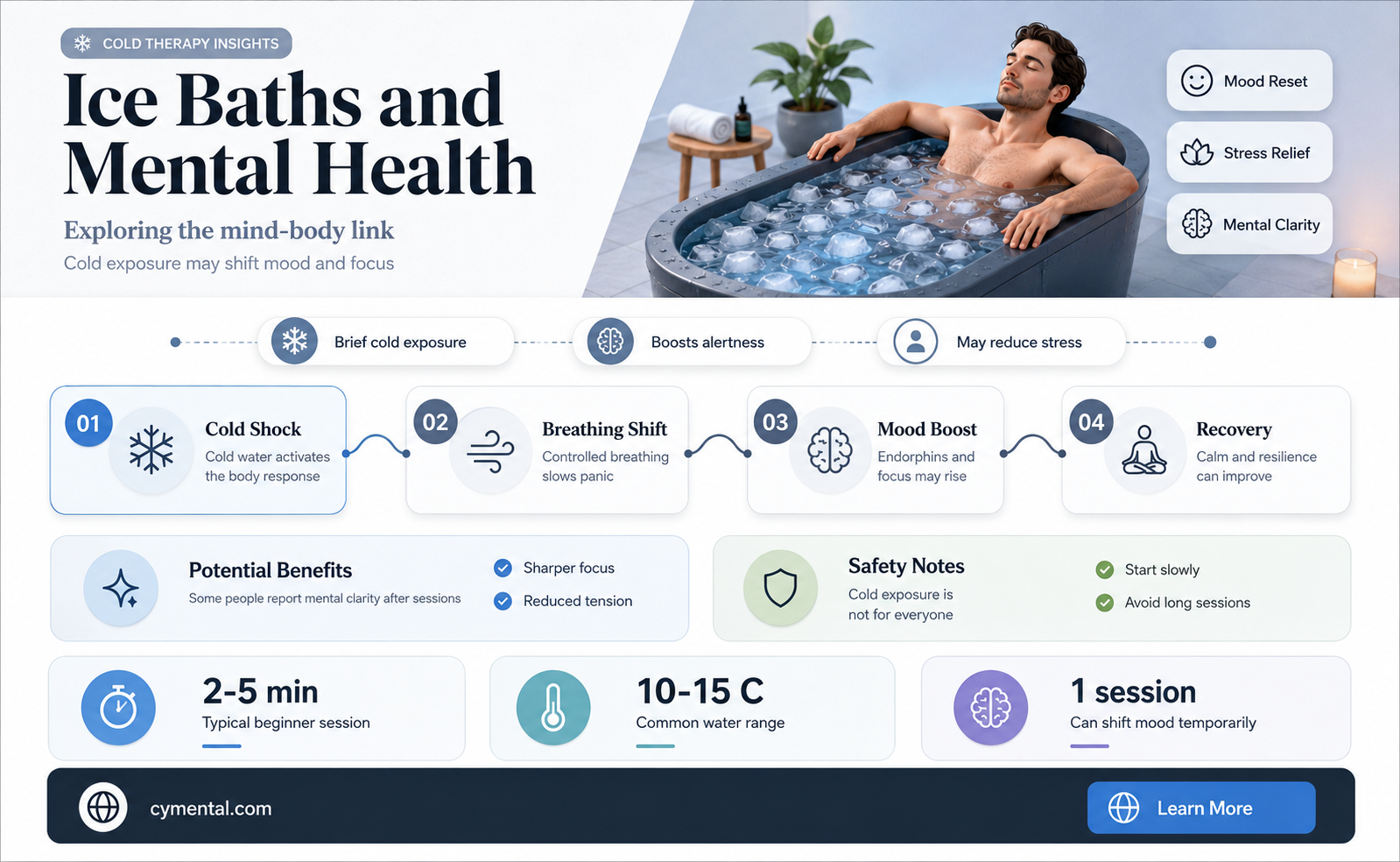
Ice baths, also known as cold water immersion, have gained attention not only for their physical recovery benefits but also for their potential impact on mental health. Proponents suggest that the intense cold triggers the release of endorphins, often referred to as feel-good hormones, which can reduce stress and improve mood. Additionally, the practice is believed to activate the parasympathetic nervous system, promoting relaxation and reducing anxiety. While anecdotal evidence and some studies support these claims, the scientific community remains divided, with more research needed to fully understand the long-term effects of ice baths on mental well-being. Nonetheless, many individuals incorporate this practice into their routines as a complementary strategy for managing mental health challenges.
| Characteristics | Values |
|---|---|
| Stress Reduction | Ice baths may activate the parasympathetic nervous system, reducing cortisol levels and promoting relaxation. |
| Mood Enhancement | Cold exposure can increase endorphin release, leading to improved mood and feelings of well-being. |
| Anxiety Relief | Some studies suggest that cold therapy may help reduce symptoms of anxiety by calming the mind and body. |
| Improved Sleep | Cold exposure before bed can regulate body temperature, potentially improving sleep quality and duration. |
| Neuroplasticity | Cold therapy may stimulate the production of norepinephrine, a neurotransmitter linked to improved cognitive function and brain health. |
| Inflammation Reduction | Ice baths can reduce systemic inflammation, which is often associated with mental health disorders like depression. |
| Resilience to Stress | Regular cold exposure may build mental resilience by habituating the body to stress, improving coping mechanisms. |
| Energy and Focus | Cold therapy can increase alertness and mental clarity, potentially enhancing focus and productivity. |
| Potential Risks | Overuse or improper use of ice baths can lead to discomfort, hypothermia, or increased stress in some individuals. |
| Scientific Evidence | While anecdotal evidence is strong, scientific research is still limited and mixed, with more studies needed to confirm long-term mental health benefits. |
| Individual Variability | Responses to ice baths vary widely; some individuals may experience significant benefits, while others may not notice any effects or may find them aversive. |
| Complementary Therapy | Ice baths are often used as a complementary therapy alongside other mental health treatments, such as mindfulness, exercise, or medication. |
| Duration and Frequency | Optimal duration and frequency of ice baths for mental health benefits are not yet standardized, typically ranging from 2-10 minutes, 1-3 times per week. |
| Mechanism of Action | The exact mechanisms linking ice baths to mental health improvements are not fully understood but may involve hormonal changes, neural adaptations, and physiological stress responses. |
| Accessibility | Ice baths are relatively accessible and cost-effective compared to other therapies, making them a viable option for many individuals. |
Explore related products


What You'll Learn
- Stress Reduction: Cold exposure may lower cortisol levels, promoting relaxation and reducing anxiety symptoms
- Mood Enhancement: Endorphin release from ice baths can improve mood and combat depression
- Focus & Clarity: Cold therapy boosts norepinephrine, enhancing mental alertness and cognitive function
- Resilience Building: Regular ice baths may increase mental toughness and stress tolerance
- Sleep Improvement: Lower body temperature post-bath aids melatonin production, improving sleep quality

Stress Reduction: Cold exposure may lower cortisol levels, promoting relaxation and reducing anxiety symptoms
Cold exposure, particularly through practices like ice baths, has been linked to significant reductions in cortisol, the body’s primary stress hormone. Studies show that brief, controlled cold exposure can trigger the body’s adaptive response, leading to a decrease in cortisol levels over time. For instance, a 2018 study published in the *European Journal of Applied Physiology* found that participants who engaged in regular cold water immersion experienced a 25% reduction in cortisol after just three weeks. This physiological shift lays the groundwork for understanding how ice baths might serve as a tool for stress management.
To harness these benefits, consider starting with short, manageable sessions. Begin with 2–3 minutes in water between 50–59°F (10–15°C), gradually increasing duration as tolerance improves. Consistency is key—aim for 3–4 sessions per week to allow the body to adapt. For those new to cold therapy, pairing deep breathing exercises during the immersion can enhance relaxation, as the combination of cold and controlled breathing further dampens the stress response. Avoid overexposure, especially if you have cardiovascular concerns or are over 60, and always consult a healthcare provider before beginning.
The mechanism behind cold-induced stress reduction extends beyond cortisol suppression. Cold exposure activates the parasympathetic nervous system, often referred to as the "rest and digest" mode, which counteracts the fight-or-flight response. This shift promotes a sense of calm and can alleviate symptoms of anxiety. Anecdotal reports from athletes and wellness practitioners often highlight a post-immersion "high," characterized by improved mood and mental clarity. While more research is needed, these experiences align with the biological pathways triggered by cold therapy.
Practical integration of ice baths into a stress-reduction routine requires mindfulness. Pairing sessions with a warm beverage or light stretching afterward can enhance comfort and reinforce relaxation. For individuals with anxiety disorders, combining cold exposure with cognitive-behavioral techniques may amplify benefits. However, it’s crucial to approach this practice as a complement to, not a replacement for, established mental health treatments. Start slowly, listen to your body, and adjust based on how you feel—both physically and mentally.
Healing Hooves: How Horses Boost Mental Health and Well-being
You may want to see also
Explore related products


Mood Enhancement: Endorphin release from ice baths can improve mood and combat depression
Cold exposure, particularly through ice baths, triggers a physiological response that can significantly impact mood. When the body is submerged in cold water (typically between 50°F and 59°F for 5–15 minutes), it activates the sympathetic nervous system, leading to the release of endorphins—often referred to as "feel-good" hormones. These endorphins act as natural painkillers and mood elevators, creating a sense of euphoria and well-being. For individuals struggling with depression or low mood, this endorphin surge can provide a temporary but powerful lift, offering a natural alternative to pharmaceutical interventions.
To harness this effect, consider incorporating ice baths into a routine 2–3 times per week. Start with shorter durations (2–3 minutes) and gradually increase exposure as tolerance builds. It’s crucial to monitor your body’s response, as prolonged exposure can lead to discomfort or stress. Pairing the practice with deep breathing exercises can enhance relaxation and amplify the mood-boosting benefits. For those new to cold therapy, consulting a healthcare professional is advisable, especially if you have cardiovascular conditions or are over 60, as cold stress can affect blood pressure.
Comparatively, the endorphin release from ice baths shares similarities with the "runner’s high" experienced during intense exercise. However, cold therapy requires less physical exertion, making it accessible to individuals with mobility limitations or chronic pain. Studies suggest that regular cold exposure can also reduce inflammation and improve sleep quality, both of which are critical factors in maintaining mental health. For example, a 2018 study published in *Medical Hypotheses* proposed that cold showers could alleviate symptoms of depression by increasing beta-endorphin levels and reducing norepinephrine, a stress hormone.
Practical tips for maximizing mood enhancement include timing your ice bath in the morning to kickstart your day with a surge of energy and positivity. Pair the practice with mindfulness techniques, such as focusing on your breath or visualizing warmth, to deepen the mental benefits. Avoid consuming caffeine or stimulants beforehand, as they can heighten the stress response to cold. Finally, create a post-bath ritual—like wrapping up in a warm robe or enjoying a hot herbal tea—to prolong the sense of comfort and relaxation.
In conclusion, ice baths offer a unique and accessible tool for mood enhancement through endorphin release. While not a standalone treatment for depression, they can complement existing therapies by providing immediate relief and long-term resilience. By understanding the science, following practical guidelines, and integrating the practice mindfully, individuals can tap into this natural method to combat low mood and foster mental well-being.
Chiropractic Care and Mental Health: Exploring the Mind-Body Connection
You may want to see also
Explore related products



Focus & Clarity: Cold therapy boosts norepinephrine, enhancing mental alertness and cognitive function
Cold exposure, particularly through ice baths, triggers a surge in norepinephrine, a neurotransmitter linked to heightened focus and mental clarity. This physiological response, part of the body’s fight-or-flight mechanism, sharpens cognitive function by increasing alertness and reducing mental fog. Studies show that norepinephrine levels can rise by up to 500% during cold therapy, offering a natural, chemical-free way to enhance mental acuity. For those seeking a productivity boost or improved concentration, a 5–10 minute ice bath at 50–59°F (10–15°C) could be a game-changer.
To harness this effect, start with short, controlled sessions. Beginners should aim for 2–3 minutes in cold water, gradually increasing duration as tolerance builds. Pairing cold therapy with deep breathing exercises amplifies its benefits, as oxygenation further supports brain function. Avoid overexposure; prolonged sessions (beyond 15 minutes) may lead to stress responses that counteract the intended focus-enhancing effects. Consistency is key—aim for 3–4 sessions weekly to maintain elevated norepinephrine levels and sustained cognitive benefits.
Comparatively, cold therapy’s impact on focus rivals that of caffeine or meditation, without the jitters or time commitment. While caffeine provides a temporary spike in alertness, cold exposure offers a longer-lasting, holistic improvement in mental clarity. Unlike meditation, which requires practice and patience, ice baths deliver immediate results, making them ideal for busy individuals seeking quick cognitive boosts. However, combining cold therapy with mindfulness practices can create a synergistic effect, optimizing both focus and emotional balance.
Practical tips include preparing the mind beforehand—visualize the experience to reduce shock. Post-bath, engage in light activity like stretching or walking to stabilize body temperature and sustain the mental boost. For optimal results, schedule sessions in the morning or before tasks requiring intense concentration. While generally safe for adults, those with cardiovascular conditions or age-related sensitivities should consult a healthcare provider before starting cold therapy. With proper precautions, ice baths can be a powerful tool to sharpen focus and elevate cognitive performance.
Empowering Self-Care Strategies: A Guide to Helping Yourself Thrive
You may want to see also
Explore related products


Resilience Building: Regular ice baths may increase mental toughness and stress tolerance
Exposure to cold, particularly through ice baths, triggers a cascade of physiological responses that extend beyond the physical realm. When submerged in water between 10°C and 15°C for 5–10 minutes, the body initiates a fight-or-flight reaction, releasing norepinephrine and endorphins. This acute stress response, when repeated regularly, may train the nervous system to recover more efficiently from stressors, a principle akin to hormesis—benefiting from low-dose exposure to toxins. Studies suggest that individuals who incorporate ice baths 3–4 times weekly report a heightened ability to manage chronic stress, potentially due to the body’s adaptation to repeated cold shocks.
To build resilience through ice baths, start with a structured protocol. Begin with 2–3 minutes in water at 15°C, gradually decreasing the temperature and increasing duration over 4–6 weeks. Pair the practice with controlled breathing—inhale deeply for 4 seconds, hold for 7, exhale for 8—to regulate the initial shock response. For optimal results, combine ice baths with mindfulness techniques, such as visualizing challenging situations during the immersion. This dual approach trains both the body and mind to remain calm under pressure, a skill transferable to real-life stressors.
A comparative analysis reveals that the mental toughness gained from ice baths shares similarities with resilience built through endurance sports. Both practices demand sustained discomfort and foster a growth mindset. However, ice baths offer a time-efficient alternative, requiring only 10–15 minutes per session compared to hours of training. Athletes who integrate ice baths into their recovery routines often report improved focus and emotional stability during competitions, suggesting that the practice enhances mental fortitude alongside physical recovery.
Practical considerations are essential for safe implementation. Avoid ice baths if you have cardiovascular conditions or are under 18, as the sudden cold exposure can strain the heart. Always monitor your body’s response, exiting the bath if numbness or severe shivering occurs. For those new to the practice, start in the presence of a trained professional or with a partner to ensure safety. Over time, the discomfort of the ice bath becomes a mental exercise in itself, teaching the mind to tolerate and overcome adversity—a skill that translates to resilience in daily life.
Music's Power: Boosting Middle Schoolers' Mental Health and Well-Being
You may want to see also
Explore related products


Sleep Improvement: Lower body temperature post-bath aids melatonin production, improving sleep quality
A drop in core body temperature is a natural signal to the brain that it's time to prepare for sleep. This physiological response is crucial for initiating the production of melatonin, the hormone responsible for regulating sleep-wake cycles. Ice baths, by inducing a rapid decrease in body temperature, can mimic this natural process, potentially enhancing sleep quality. But how exactly does this work, and what's the optimal way to harness this benefit?
Imagine stepping into a tub of icy water after a long day. As your body temperature drops, your blood vessels constrict, reducing blood flow to the skin and extremities. This process, known as vasoconstriction, helps conserve heat and lowers your core temperature. Within 10-15 minutes of immersion, your body begins to prioritize internal functions, including the production of melatonin. Studies suggest that a 1-2°C drop in core temperature can significantly increase melatonin levels, making it easier to fall asleep and improving overall sleep architecture.
To maximize the sleep-enhancing benefits of an ice bath, timing is critical. Aim to take your bath 1-2 hours before bedtime, allowing your body temperature to naturally drop further as you prepare for sleep. Start with water temperatures between 10-15°C (50-59°F) and limit your immersion to 10-15 minutes. Gradually increase the duration and frequency of your baths, but avoid exceeding 20 minutes, as prolonged exposure can lead to discomfort or even hypothermia. For best results, combine your ice bath with a consistent sleep routine, including dimming lights and minimizing screen time before bed.
It's essential to note that individual responses to ice baths can vary. While some people may experience immediate improvements in sleep quality, others might require several sessions to notice a difference. Factors such as age, overall health, and existing sleep disorders can influence the effectiveness of this method. For instance, older adults or individuals with cardiovascular conditions should consult a healthcare professional before incorporating ice baths into their routine. Additionally, pairing ice baths with other sleep-promoting strategies, such as maintaining a cool bedroom temperature (15-20°C or 59-68°F) and practicing relaxation techniques, can amplify their benefits.
Incorporating ice baths into your evening routine isn’t just about enduring the cold—it’s a strategic step toward optimizing your sleep and, by extension, your mental health. By understanding the science behind the connection between body temperature and melatonin production, you can tailor this practice to suit your needs. Start slowly, listen to your body, and adjust your approach as necessary. With consistency and mindfulness, ice baths can become a powerful tool in your quest for better sleep and improved mental well-being.
ChatGPT and Mental Health: A Supportive Tool or Limited Aid?
You may want to see also
Frequently asked questions
Yes, ice baths can help reduce stress and anxiety by activating the body’s parasympathetic nervous system, which promotes relaxation. The cold exposure also triggers the release of endorphins, often referred to as "feel-good" hormones, which can improve mood and reduce feelings of anxiety.
A: Ice baths may enhance mental clarity and focus by increasing blood flow to the brain and stimulating the release of norepinephrine, a neurotransmitter associated with alertness and cognitive function. Many users report feeling more energized and mentally sharp after cold therapy.
While not a standalone treatment, ice baths can complement other therapies for depression by boosting mood through endorphin release and reducing inflammation, which is often linked to depressive symptoms. However, individuals should consult a healthcare professional for personalized advice.