Harper Lewis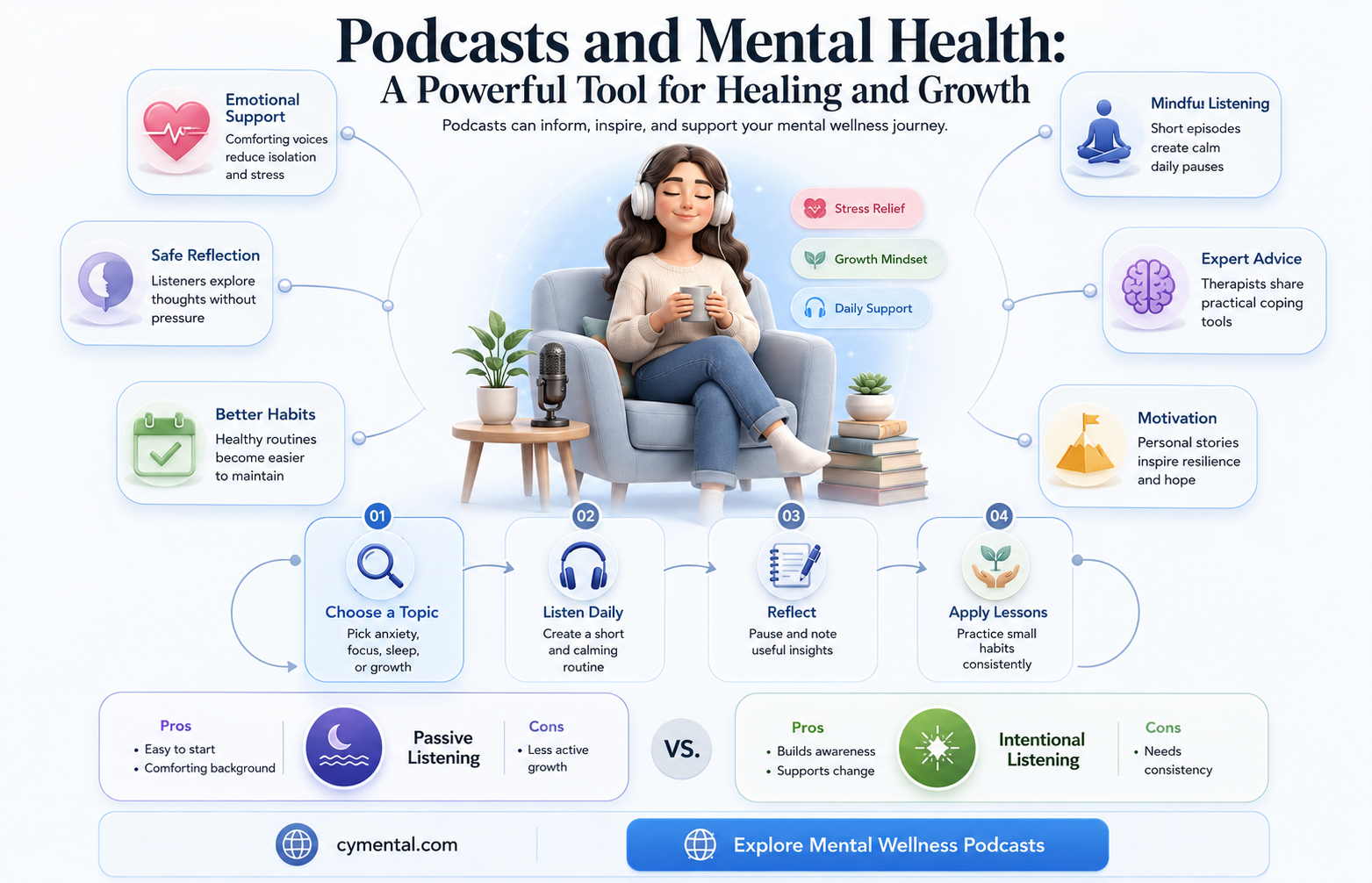
Podcasts have emerged as a powerful tool in the realm of mental health, offering accessible and diverse content that can provide comfort, education, and support to listeners. With topics ranging from mindfulness and anxiety management to personal stories of resilience and recovery, podcasts create a sense of community and understanding for those navigating mental health challenges. Their on-demand nature allows individuals to engage with therapeutic content at their own pace, whether during commutes, workouts, or moments of relaxation. By normalizing conversations around mental health and offering practical strategies, podcasts can complement traditional therapy and serve as a valuable resource for improving emotional well-being. However, their effectiveness often depends on the listener’s needs and the quality of the content, highlighting the importance of choosing podcasts that align with personal goals and preferences.
| Characteristics | Values |
|---|---|
| Reduces Feelings of Loneliness | Podcasts provide a sense of companionship, especially for those feeling isolated, by offering relatable stories and conversations. |
| Educational Content | Many podcasts focus on mental health topics, providing insights, strategies, and coping mechanisms for managing stress, anxiety, and depression. |
| Normalization of Mental Health Issues | Podcasts often feature personal stories, reducing stigma and making mental health struggles more relatable and less isolating. |
| Mindfulness and Relaxation | Certain podcasts, like guided meditation or sleep-focused content, promote relaxation and mindfulness, aiding in stress reduction. |
| Accessibility | Podcasts are easily accessible via smartphones, tablets, or computers, making mental health support available anytime, anywhere. |
| Community Building | Many podcasts have associated communities (e.g., social media groups), fostering connections among listeners with similar experiences. |
| Inspiration and Motivation | Inspirational podcasts can boost mood, provide motivation, and encourage positive behavioral changes. |
| Professional Guidance | Some podcasts feature mental health professionals, offering evidence-based advice and tools for improving mental well-being. |
| Entertainment as Distraction | Humorous or engaging podcasts can serve as a healthy distraction from negative thoughts or stressors. |
| Personal Growth | Self-improvement podcasts encourage self-reflection, goal-setting, and personal development, contributing to better mental health. |
| Consistency and Routine | Regularly listening to podcasts can create a sense of routine, which is beneficial for mental health stability. |
| Cost-Effective | Most podcasts are free, making mental health support accessible to a wide audience without financial barriers. |
Explore related products


What You'll Learn
- Stress Reduction: Podcasts offer relaxation techniques, calming narratives, and mindfulness practices to reduce daily stress levels effectively
- Anxiety Management: Content focused on anxiety provides coping strategies, personal stories, and expert advice for listeners
- Depression Support: Podcasts share experiences, therapeutic insights, and hope, helping listeners feel less isolated
- Sleep Improvement: Sleep-focused podcasts use soothing voices, meditations, and bedtime stories to enhance sleep quality
- Community Building: Mental health podcasts foster connections, reduce stigma, and create supportive listener communities

Stress Reduction: Podcasts offer relaxation techniques, calming narratives, and mindfulness practices to reduce daily stress levels effectively
Podcasts have emerged as a powerful tool for stress reduction, offering accessible and diverse methods to calm the mind and body. Unlike traditional relaxation methods that require dedicated time and space, podcasts can be integrated into daily routines—whether during a commute, while cooking, or before bed. This flexibility makes them an ideal resource for individuals seeking to manage stress in the midst of busy lives. By combining expert guidance with engaging storytelling, podcasts provide a unique blend of practicality and enjoyment, turning moments of potential stress into opportunities for relaxation.
One of the most effective ways podcasts reduce stress is through guided relaxation techniques. Many mental health-focused podcasts feature episodes dedicated to practices like progressive muscle relaxation, deep breathing exercises, or body scans. For instance, *The Mindful Kind* podcast offers short, 10- to 15-minute sessions that walk listeners through these techniques step by step. Research suggests that even brief mindfulness practices can lower cortisol levels, the hormone associated with stress. Incorporating such podcasts into a daily routine—perhaps during a lunch break or before sleep—can create a consistent habit of stress management.
Calming narratives also play a significant role in podcast-based stress reduction. Storytelling has long been recognized for its ability to distract the mind from anxiety and promote emotional regulation. Podcasts like *Nothing Much Happens* or *Sleep With Me* use slow-paced, soothing stories to help listeners unwind. These narratives are particularly effective for individuals who struggle with racing thoughts or insomnia, as they provide a mental anchor without demanding active engagement. Listening to such podcasts for 20–30 minutes before bed can improve sleep quality, a critical factor in overall stress management.
Mindfulness practices, another staple of stress-reducing podcasts, encourage listeners to stay present and cultivate awareness. Podcasts like *10% Happier* or *The Daily Meditation Podcast* offer guided meditations and discussions on mindfulness principles. These episodes often emphasize the importance of consistency, suggesting listeners dedicate 5–10 minutes daily to practice. Over time, this habit can rewire the brain’s response to stress, fostering greater resilience and emotional balance. For beginners, starting with shorter episodes and gradually increasing duration can make the practice more sustainable.
While podcasts are a valuable resource, their effectiveness depends on how they are used. To maximize stress reduction, listeners should choose podcasts that align with their preferences—whether they prefer structured techniques, storytelling, or philosophical discussions. Pairing podcasts with other stress-management strategies, such as physical activity or journaling, can enhance their impact. Ultimately, podcasts offer a convenient and personalized way to address stress, making mental well-being more attainable in an increasingly demanding world.
Anime's Impact: Exploring Mental Health Benefits and Emotional Healing
You may want to see also
Explore related products


$9.39 $17.99



Anxiety Management: Content focused on anxiety provides coping strategies, personal stories, and expert advice for listeners
Podcasts have emerged as a powerful tool for anxiety management, offering a blend of coping strategies, personal narratives, and expert insights that resonate deeply with listeners. Unlike traditional therapy or self-help books, podcasts provide on-demand access to relatable content, often delivered in a conversational tone that feels like a supportive friend in your ear. For instance, shows like *The Anxiety Coaches Podcast* and *Not Another Anxiety Show* combine evidence-based techniques with real-life stories, helping listeners feel less alone in their struggles. These episodes frequently break down complex psychological concepts into actionable steps, such as deep breathing exercises or cognitive reframing, making them accessible to anyone, regardless of their familiarity with mental health practices.
One of the most compelling aspects of anxiety-focused podcasts is their ability to humanize the experience through personal stories. Hearing someone describe their own battles with anxiety—whether it’s panic attacks, social anxiety, or generalized worry—can be profoundly validating. For example, *The Hilarious World of Depression* often features comedians sharing their mental health journeys, blending humor with vulnerability. This narrative approach not only fosters empathy but also encourages listeners to reflect on their own experiences. Research suggests that such storytelling can reduce stigma and increase the likelihood of individuals seeking help, as it normalizes the conversation around anxiety.
Expert advice is another cornerstone of anxiety management podcasts, providing listeners with credible strategies backed by science. Psychologists, therapists, and mental health professionals frequently appear as guests, offering insights into techniques like mindfulness, progressive muscle relaxation, or exposure therapy. For instance, *The Calm Collective* often includes guided meditations and interviews with experts who explain the neuroscience behind anxiety. These episodes typically end with practical takeaways, such as setting aside 10 minutes daily for mindfulness or journaling to track anxiety triggers. Such structured guidance ensures listeners leave with tangible tools to implement in their lives.
However, it’s important to approach these podcasts with discernment. While they can be incredibly helpful, they are not a substitute for professional therapy, especially for severe anxiety disorders. Listeners should view them as a complementary resource rather than a cure-all. Additionally, the sheer volume of available content can be overwhelming, so it’s advisable to start with highly rated shows and episodes that align with specific needs. For example, someone struggling with work-related anxiety might benefit from *The Happiness Lab*’s episode on stress management, while another might find solace in *Anxiety Slayer*’s sleep-focused content.
In conclusion, anxiety management podcasts serve as a versatile and accessible resource for those seeking support. By combining coping strategies, personal stories, and expert advice, they create a holistic listening experience that educates, comforts, and empowers. Whether you’re looking for immediate relief during a stressful moment or long-term tools to manage anxiety, these podcasts offer a unique blend of inspiration and practicality. Just remember to pair them with professional care when needed, ensuring a well-rounded approach to mental health.
Animal Companionship: Boosting Mental Health and Emotional Well-Being in Humans
You may want to see also
Explore related products


Depression Support: Podcasts share experiences, therapeutic insights, and hope, helping listeners feel less isolated
Podcasts have emerged as a powerful medium for depression support, offering a unique blend of personal narratives, expert insights, and communal connection. Unlike traditional therapy or self-help books, podcasts provide an accessible, on-demand resource that feels like a conversation with a trusted friend. Listeners grappling with depression often find solace in hearing others articulate their struggles, normalizing their experiences and reducing the stigma surrounding mental health. For instance, shows like *The Hilarious World of Depression* combine humor with candid discussions, making heavy topics more approachable while fostering a sense of shared humanity.
The therapeutic value of these podcasts lies in their ability to deliver evidence-based strategies in a digestible format. Many hosts, whether mental health professionals or individuals with lived experience, weave cognitive-behavioral techniques, mindfulness practices, or self-compassion exercises into their episodes. For example, *The Depression Files* features interviews with people who have navigated depression, offering actionable advice alongside their stories. This dual focus on storytelling and practical tools empowers listeners to apply insights to their own lives, often complementing formal treatment or serving as a starting point for those hesitant to seek help.
One of the most profound impacts of depression-focused podcasts is their role in combating isolation. Depression thrives in silence, but podcasts create a virtual support group, reminding listeners they are not alone. Shows like *Mental Health Today* foster community by featuring listener submissions and hosting live Q&A sessions, encouraging engagement beyond passive listening. This sense of connection can be particularly vital for individuals who feel disconnected from their physical surroundings or struggle to articulate their feelings in person.
However, it’s essential to approach podcasts as a supplement to, not a replacement for, professional care. While they offer valuable support, they cannot diagnose or treat severe mental health conditions. Listeners should prioritize shows hosted by qualified professionals or those who clearly state their limitations. Additionally, curating a playlist of uplifting or educational episodes can serve as a proactive self-care practice, akin to maintaining a mental health toolkit. For maximum benefit, pair podcast listening with journaling or reflection to internalize key takeaways.
Incorporating podcasts into a mental health routine requires intentionality. Start with short, focused episodes (15–20 minutes) to avoid overwhelm, gradually exploring longer formats as comfort grows. Experiment with different styles—narrative-driven, interview-based, or expert-led—to find what resonates. Apps like Spotify or Apple Podcasts allow users to create dedicated playlists, making it easier to return to episodes that offer comfort or inspiration. By weaving podcasts into daily habits, such as commuting or winding down before bed, listeners can transform passive consumption into an active step toward healing.
Positive Relationships and Mental Health: Insights from Scholarly Research
You may want to see also
Explore related products

$10.88 $15.99



Sleep Improvement: Sleep-focused podcasts use soothing voices, meditations, and bedtime stories to enhance sleep quality
Sleep-focused podcasts have emerged as a modern remedy for those struggling to unwind at night, leveraging the power of sound to calm the mind and prepare the body for rest. Unlike traditional sleep aids, these podcasts combine soothing voices, guided meditations, and bedtime stories to create an immersive auditory experience. For instance, podcasts like *Sleep With Me* and *Nothing Much Happens* use meandering narratives and gentle tones to distract the mind from racing thoughts, a common barrier to falling asleep. The effectiveness lies in their ability to engage the listener just enough to relax without stimulating alertness, making them a non-invasive tool for improving sleep quality.
From a psychological perspective, these podcasts tap into the principles of cognitive behavioral therapy for insomnia (CBT-I), which emphasizes creating a restful environment and reducing mental arousal. The structured format—often starting with calming music, followed by a slow-paced story or meditation—signals to the brain that it’s time to wind down. Research suggests that consistent use of such auditory aids can retrain the brain to associate bedtime with relaxation, improving both sleep onset and duration. For optimal results, listeners are advised to incorporate these podcasts into a nightly routine, ideally 30 minutes before their intended sleep time, and to use headphones to minimize external distractions.
One of the most compelling aspects of sleep-focused podcasts is their accessibility and versatility. They cater to a wide audience, from adults with insomnia to children who struggle with bedtime anxiety. For younger listeners, podcasts like *Little Stories for Tiny People* use whimsical tales and soft voices to ease the transition to sleep, often incorporating repetitive elements that mimic the rhythm of lullabies. Adults, on the other hand, might benefit from podcasts that blend mindfulness techniques with storytelling, such as *The Sleep Meditation Podcast*, which guides listeners through body scans and breathing exercises. This adaptability makes them a valuable resource for families seeking natural ways to improve sleep hygiene.
However, it’s important to note that while sleep-focused podcasts can be highly effective, they are not a one-size-fits-all solution. Some individuals may find certain voices or storytelling styles distracting rather than soothing, highlighting the need for experimentation. Additionally, relying solely on podcasts without addressing underlying sleep issues—such as poor sleep environment or untreated sleep disorders—may yield limited results. To maximize their benefits, combine podcast listening with other sleep-promoting practices, such as maintaining a consistent sleep schedule, reducing screen time before bed, and creating a dark, quiet bedroom.
In conclusion, sleep-focused podcasts offer a unique and accessible way to enhance sleep quality by leveraging the calming power of sound. Their success lies in their ability to reduce mental arousal, create a restful atmosphere, and cater to diverse age groups and preferences. While they are not a cure-all, when used thoughtfully and in conjunction with other sleep hygiene practices, these podcasts can be a valuable tool in the quest for better rest. Whether you’re a parent seeking to soothe a restless child or an adult battling insomnia, exploring this auditory approach could be a step toward more peaceful nights.
Supporting the Mentally Handicapped: Are Current Efforts Truly Making a Difference?
You may want to see also
Explore related products


Community Building: Mental health podcasts foster connections, reduce stigma, and create supportive listener communities
Mental health podcasts are more than just a source of information—they are catalysts for community building. By sharing personal stories, expert insights, and actionable strategies, these podcasts create a shared space where listeners feel seen, heard, and understood. For example, podcasts like *The Hilarious World of Depression* and *Therapy for Black Girls* not only provide valuable content but also foster a sense of belonging by addressing specific experiences and identities. This communal aspect transforms passive listening into an active engagement with a supportive network.
One of the most powerful ways mental health podcasts build community is by reducing stigma through normalization. When hosts and guests openly discuss their struggles, listeners realize they are not alone. This collective vulnerability breaks down barriers, encouraging individuals to seek help without fear of judgment. For instance, podcasts like *Mental Health Today* often feature interviews with individuals who have navigated mental health challenges, showcasing recovery as a shared human experience. Such narratives empower listeners to share their own stories, further strengthening the community.
Practical steps can amplify the community-building potential of mental health podcasts. First, listeners can engage with podcast-specific social media groups or forums, where they can discuss episodes, share resources, and offer support. Second, podcast creators can host live Q&A sessions or virtual meetups to deepen connections. For example, *The Mental Illness Happy Hour* has built a robust online community through listener-submitted stories and live events. Third, listeners can organize local meetups inspired by podcast themes, creating offline spaces for connection. Caution should be taken, however, to ensure these spaces remain safe and inclusive, with clear guidelines for respectful communication.
The impact of these communities extends beyond emotional support—it translates into actionable change. Listeners often report feeling more motivated to prioritize their mental health after engaging with podcast communities. For instance, a listener of *The Anxiety Coaches Podcast* might join a Facebook group, find accountability partners, and begin practicing techniques discussed in episodes. This ripple effect demonstrates how podcasts can serve as both a starting point and a sustaining force for mental health improvement. By fostering connections, reducing stigma, and creating supportive networks, mental health podcasts prove that community is a cornerstone of healing.
Family Doctors: Your First Line in Mental Health Support?
You may want to see also
Frequently asked questions
Yes, podcasts can improve mental health by providing education, reducing feelings of isolation, and offering coping strategies. Many podcasts focus on mindfulness, therapy, and personal growth, which can help listeners manage stress, anxiety, and depression.
Podcasts focused on mental health, self-improvement, meditation, and storytelling are particularly beneficial. Those featuring experts, personal experiences, or evidence-based practices tend to be the most helpful for listeners seeking support.
Consistency is key. Listening to mental health-focused podcasts a few times a week can provide ongoing support and motivation. However, the frequency depends on individual needs and preferences—even occasional listening can offer valuable insights and comfort.