Caleb Wright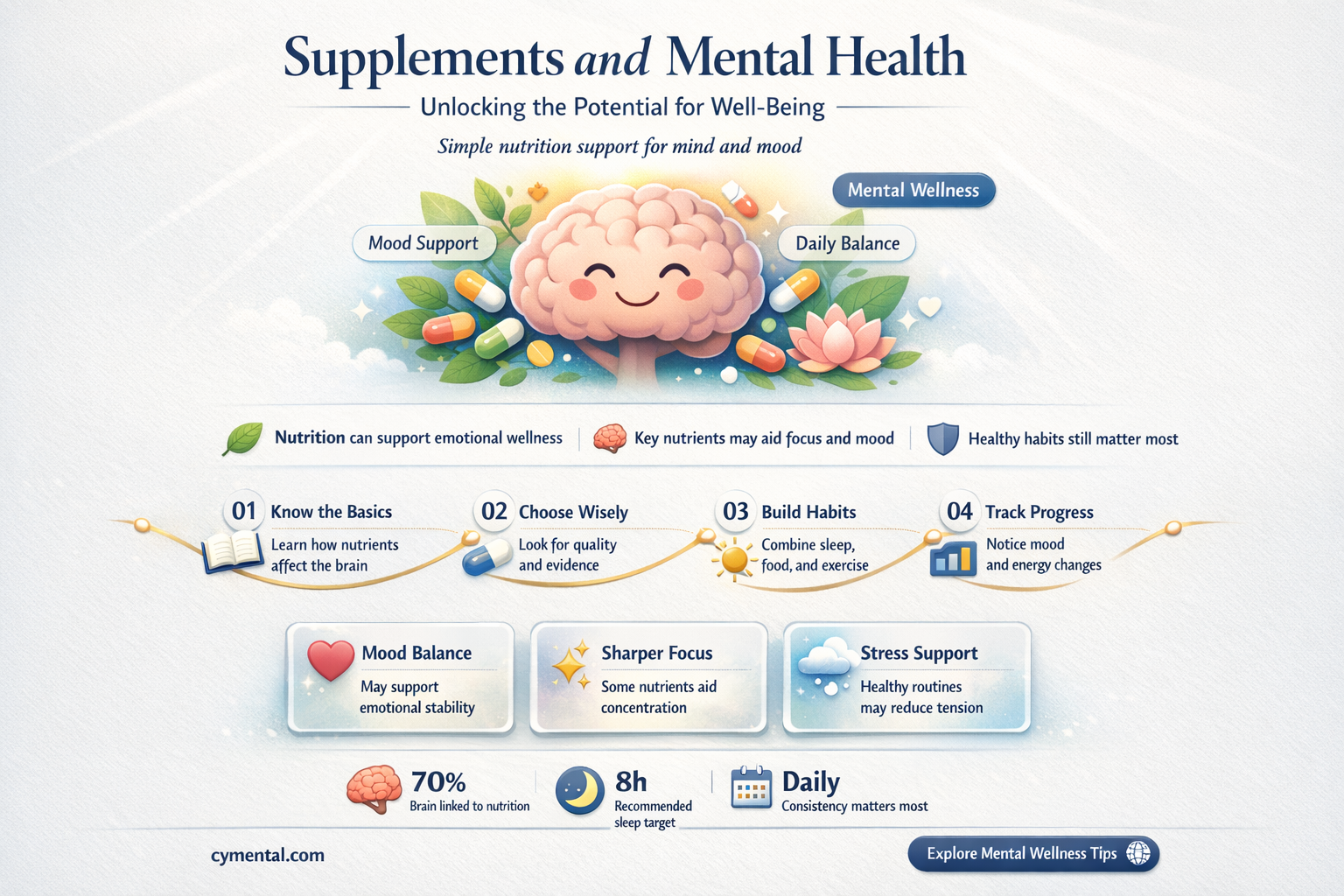
Supplements have gained significant attention as potential tools for supporting mental health, with many people turning to vitamins, minerals, and herbal remedies to alleviate symptoms of anxiety, depression, and stress. While some studies suggest that certain supplements, such as omega-3 fatty acids, vitamin D, and probiotics, may have positive effects on mood and cognitive function, the scientific evidence remains mixed and often inconclusive. Critics argue that supplements should not replace evidence-based treatments like therapy and medication, and that their efficacy can vary widely depending on individual health conditions and dosages. As interest in holistic wellness grows, it is essential to approach supplements with caution, consulting healthcare professionals to ensure safety and avoid potential interactions with other medications. Ultimately, while supplements may offer complementary benefits, they are not a one-size-fits-all solution for mental health challenges.
Explore related products


What You'll Learn

Omega-3s and mood regulation
Omega-3 fatty acids, particularly EPA (eicosapentaenoic acid) and DHA (docosahexaenoic acid), play a pivotal role in brain function and mood regulation. Research suggests that these essential fats, commonly found in fish oil supplements, can influence neurotransmitter pathways and reduce inflammation, both of which are linked to mental health conditions like depression and anxiety. For instance, a meta-analysis published in *Translational Psychiatry* found that omega-3 supplementation, especially with higher EPA doses, significantly improved symptoms of depression in clinical populations. This underscores the potential of omega-3s as a complementary approach to traditional mental health treatments.
To harness the mood-regulating benefits of omega-3s, dosage matters. Most studies showing positive effects on mental health used daily doses ranging from 1,000 to 2,000 mg of combined EPA and DHA, with a higher EPA-to-DHA ratio often yielding better results for mood disorders. For example, a 1:2 ratio of EPA to DHA (e.g., 1,000 mg EPA and 500 mg DHA) is commonly recommended for depression. It’s crucial to choose high-quality supplements that are purified to remove contaminants like mercury, especially when sourcing from fish oil. Vegetarians and vegans can opt for algae-based omega-3 supplements, which provide a direct source of EPA and DHA without animal products.
While omega-3s show promise, they are not a one-size-fits-all solution. Individual responses vary based on factors like baseline omega-3 levels, diet, and the severity of mental health symptoms. For instance, individuals with diets low in fatty fish (such as salmon, mackerel, or sardines) may benefit more from supplementation. Additionally, omega-3s should be viewed as a supplement to, not a replacement for, evidence-based treatments like therapy or medication. Consulting a healthcare provider before starting any new supplement is essential, particularly for those on blood-thinning medications or with specific health conditions.
Practical tips for incorporating omega-3s into a mental health regimen include pairing supplementation with dietary changes. Aim to consume fatty fish at least twice a week while taking a daily supplement. For those who struggle with pills, liquid omega-3 formulations or gummies can be more palatable. Monitoring mood changes over several weeks can help assess effectiveness, as improvements are often gradual. Combining omega-3s with other lifestyle strategies, such as regular exercise and stress management, can enhance their impact on mood regulation, creating a holistic approach to mental well-being.
Do Psychologists Truly Heal Minds? Exploring Mental Health Support
You may want to see also
Explore related products


Vitamin D’s impact on depression
Vitamin D, often dubbed the “sunshine vitamin,” plays a pivotal role in bone health, but its influence extends far beyond calcium absorption. Emerging research suggests a compelling link between Vitamin D deficiency and depression, particularly in regions with limited sunlight exposure. Studies indicate that individuals with lower Vitamin D levels are at a higher risk of experiencing depressive symptoms, prompting a closer examination of its potential as a supplementary intervention for mental health.
Consider the mechanism: Vitamin D receptors are present in brain regions associated with depression, such as the prefrontal cortex and hippocampus. These areas regulate mood, decision-making, and memory. When Vitamin D levels are insufficient, these neural pathways may function suboptimally, contributing to mood disorders. For instance, a 2019 meta-analysis published in the *Journal of Affective Disorders* found that Vitamin D supplementation significantly reduced depressive symptoms in individuals with diagnosed depression, particularly when baseline levels were deficient.
Practical application of this knowledge requires nuance. Adults typically require 600–800 IU of Vitamin D daily, but those at risk of deficiency—such as older adults, individuals with darker skin tones, or those living in northern latitudes—may need up to 2,000 IU. Supplementation should be paired with dietary sources like fatty fish, fortified dairy, and egg yolks. However, caution is advised: excessive intake can lead to hypercalcemia, a condition marked by elevated calcium levels in the blood. Blood tests to measure 25-hydroxyvitamin D levels are recommended before starting high-dose supplementation.
Comparatively, while antidepressants target neurotransmitters like serotonin, Vitamin D operates on a broader physiological level, addressing inflammation and neuroprotection. This dual action positions it as a complementary rather than standalone treatment. For example, a 2020 study in *Nutritional Neuroscience* demonstrated that combining Vitamin D supplements with selective serotonin reuptake inhibitors (SSRIs) enhanced treatment efficacy in patients with treatment-resistant depression. This suggests a synergistic potential worth exploring under professional guidance.
Incorporating Vitamin D into a mental health regimen is not a one-size-fits-all solution but a tailored approach. For those in sun-deprived environments or with dietary restrictions, supplementation can be a game-changer. However, it is not a substitute for therapy, medication, or lifestyle modifications like regular exercise and sunlight exposure. The takeaway? Vitamin D is a promising adjunct in the fight against depression, but its effectiveness hinges on individual needs, proper dosing, and integration into a holistic mental health strategy.
Supporting Reluctant Loved Ones: Strategies for Accessing Mental Health Care
You may want to see also
Explore related products


$37.95 $39.95


Probiotics and gut-brain connection
The gut-brain axis is a bidirectional communication network linking emotional and cognitive centers of the brain with intestinal functions. Recent studies suggest that probiotics, often called "good bacteria," may influence this connection, potentially alleviating symptoms of anxiety, depression, and stress. For instance, *Lactobacillus* and *Bifidobacterium* strains have shown promise in modulating neurotransmitters like serotonin, which is largely produced in the gut. While research is still evolving, incorporating specific probiotic supplements could offer a complementary approach to mental health management.
To harness the gut-brain connection effectively, consider starting with a probiotic supplement containing at least 10 billion CFUs (colony-forming units) daily. Look for strains like *Lactobacillus rhamnosus* GG or *Bifidobacterium longum*, which have been studied for their psychobiotic effects. Pairing probiotics with prebiotic-rich foods (e.g., garlic, bananas, or chicory root) can enhance their efficacy by nourishing beneficial bacteria. However, results may take 4–6 weeks to manifest, so consistency is key. Always consult a healthcare provider, especially if you’re on medication or have underlying health conditions.
A comparative analysis reveals that while antidepressants target brain chemistry directly, probiotics work indirectly by improving gut health, which in turn may reduce inflammation and support mental well-being. Unlike pharmaceuticals, probiotics are generally well-tolerated with minimal side effects, making them an appealing option for those seeking natural alternatives. However, they are not a standalone treatment for severe mental health disorders. Instead, think of them as part of a holistic strategy that includes diet, exercise, and therapy.
For practical implementation, start by assessing your diet—processed foods and high sugar intake can disrupt gut flora, counteracting probiotic benefits. Incorporate fermented foods like yogurt, kefir, or sauerkraut alongside supplements for added microbial diversity. Keep probiotics refrigerated to maintain potency, and take them with meals to protect them from stomach acid. While not a magic bullet, this approach aligns with growing evidence that a healthy gut may contribute to a healthier mind.
CPS and Mental Health: Can They Support Our Son's Care?
You may want to see also
Explore related products


Magnesium for anxiety reduction
Magnesium, an essential mineral involved in over 300 biochemical reactions, plays a pivotal role in regulating neurotransmitters and stress hormones. Studies suggest that magnesium deficiency is linked to heightened anxiety, as it impairs the body’s ability to manage cortisol, the primary stress hormone. Research published in *Physiology & Behavior* found that magnesium supplementation significantly reduced symptoms of anxiety in adults, particularly those with mild to moderate deficiency. This mineral acts as a natural calmative by binding to gamma-aminobutyric acid (GABA) receptors, promoting relaxation and reducing neuronal excitability.
To harness magnesium’s anxiety-reducing benefits, consider incorporating it through diet or supplements. Magnesium-rich foods include spinach, almonds, black beans, and dark chocolate. However, dietary intake alone may not suffice for those with deficiencies or increased needs. Supplements like magnesium glycinate (200–400 mg daily) or magnesium threonate (100–200 mg daily) are well-absorbed and less likely to cause digestive discomfort. Always start with the lower end of the dosage range and consult a healthcare provider, especially if you have kidney issues or take medications that interact with magnesium.
While magnesium supplementation shows promise, it’s not a standalone solution for anxiety. Its effectiveness is most notable in individuals with confirmed deficiencies, often identified through blood tests or symptom assessment (e.g., muscle cramps, fatigue, or insomnia). Combining magnesium with lifestyle changes—such as regular exercise, mindfulness practices, and adequate sleep—amplifies its benefits. For instance, a study in *Nutrients* highlighted that magnesium’s impact on anxiety was more pronounced when paired with stress management techniques.
Practical tips for optimizing magnesium’s role in anxiety reduction include taking supplements with meals to enhance absorption and avoiding excessive caffeine or alcohol, which deplete magnesium levels. For those under 18 or over 65, dosage adjustments may be necessary due to differences in absorption and excretion. Topical magnesium, such as oils or Epsom salt baths, offers an alternative for those who struggle with oral supplements. However, its efficacy for anxiety remains less studied compared to oral forms.
In conclusion, magnesium supplementation can be a valuable tool in managing anxiety, particularly for those with deficiencies. Its mechanism of action, supported by research, makes it a compelling natural option. Yet, it’s essential to approach it as part of a holistic strategy, not a quick fix. By combining proper dosage, mindful lifestyle choices, and professional guidance, magnesium can contribute to a calmer, more balanced mental state.
Cooking for Calm: How Kitchen Therapy Boosts Mental Well-Being
You may want to see also
Explore related products




Herbal supplements like St. John’s Wort
St. John's Wort, a yellow-flowered plant with a long history in traditional medicine, has emerged as a popular herbal supplement for mental health, particularly for mild to moderate depression and anxiety. Its active compound, hypericin, is believed to influence neurotransmitters like serotonin, dopamine, and norepinephrine, which play crucial roles in mood regulation. Unlike prescription antidepressants, St. John's Wort is often perceived as a "natural" alternative, appealing to those seeking to avoid synthetic medications. However, its effectiveness and safety are not without controversy, making it essential to approach its use with informed caution.
When considering St. John's Wort, dosage is critical. Studies typically use standardized extracts containing 0.3% hypericin, with doses ranging from 300 to 1,800 mg daily, divided into two to three doses. For adults, starting with a lower dose (300 mg twice daily) and gradually increasing under professional guidance is advisable. It’s important to note that St. John's Wort is not recommended for children or adolescents due to insufficient safety data. Additionally, consistency is key; results may take 4–6 weeks to become noticeable, so patience is necessary. Always consult a healthcare provider before starting, especially if you’re already taking other medications, as St. John's Wort can interact with drugs like antidepressants, birth control, and blood thinners, potentially reducing their effectiveness or causing adverse effects.
One of the most significant drawbacks of St. John's Wort is its potential for drug interactions, a risk often underestimated by users. It induces the cytochrome P450 enzyme system in the liver, which can accelerate the breakdown of other medications, leading to subtherapeutic levels. For instance, combining it with selective serotonin reuptake inhibitors (SSRIs) can increase the risk of serotonin syndrome, a potentially life-threatening condition. Similarly, it may reduce the efficacy of contraceptive pills, leading to unintended pregnancies. To mitigate these risks, maintain a comprehensive list of all medications and supplements you’re taking and share it with your healthcare provider. Practical tips include avoiding grapefruit and other foods known to affect drug metabolism while using St. John's Wort.
Despite its limitations, St. John's Wort holds promise for individuals with mild depressive symptoms who prefer a non-pharmaceutical approach. Its side effects—such as sensitivity to sunlight, dry mouth, and gastrointestinal discomfort—are generally milder than those of prescription antidepressants. However, it’s not a one-size-fits-all solution. For severe depression or bipolar disorder, it may be ineffective or even harmful. A comparative analysis reveals that while St. John's Wort may offer modest benefits for some, it lacks the robust clinical backing of conventional treatments. For those exploring herbal supplements, it’s crucial to balance hope with realism, recognizing that "natural" does not always equate to safe or effective.
In conclusion, St. John's Wort represents a nuanced option in the realm of mental health supplements. Its potential benefits must be weighed against its limitations and risks, particularly for those with complex medical histories or concurrent medication use. For individuals considering it, a proactive, informed approach—including professional consultation, careful dosing, and awareness of interactions—is essential. While it may not be a panacea, for some, it could be a valuable tool in managing mental health, provided it’s used thoughtfully and responsibly.
Melodies of Healing: Music's Powerful Impact on Mental Well-Being
You may want to see also
Frequently asked questions
Some supplements, like omega-3 fatty acids, vitamin D, magnesium, and certain probiotics, have shown potential in supporting mental health. However, their effectiveness varies by individual and condition. They are not a replacement for therapy or medication but may complement a holistic approach to mental well-being.
No, supplements should not replace prescribed medications for mental health conditions like depression or anxiety. While they may offer supportive benefits, they lack the potency and clinical evidence of pharmaceutical treatments. Always consult a healthcare provider before making changes.
Yes, some supplements can interact with medications or cause side effects. For example, high doses of certain vitamins or herbs can be harmful. It’s important to research and consult a healthcare professional before starting any supplement regimen.
Research suggests omega-3 fatty acids, vitamin D, magnesium, zinc, and probiotics may benefit mental health. However, effectiveness depends on the individual and their specific needs. Evidence for other supplements like St. John’s wort or 5-HTP is mixed, and caution is advised. Always prioritize a balanced diet and professional guidance.