Ava Ramirez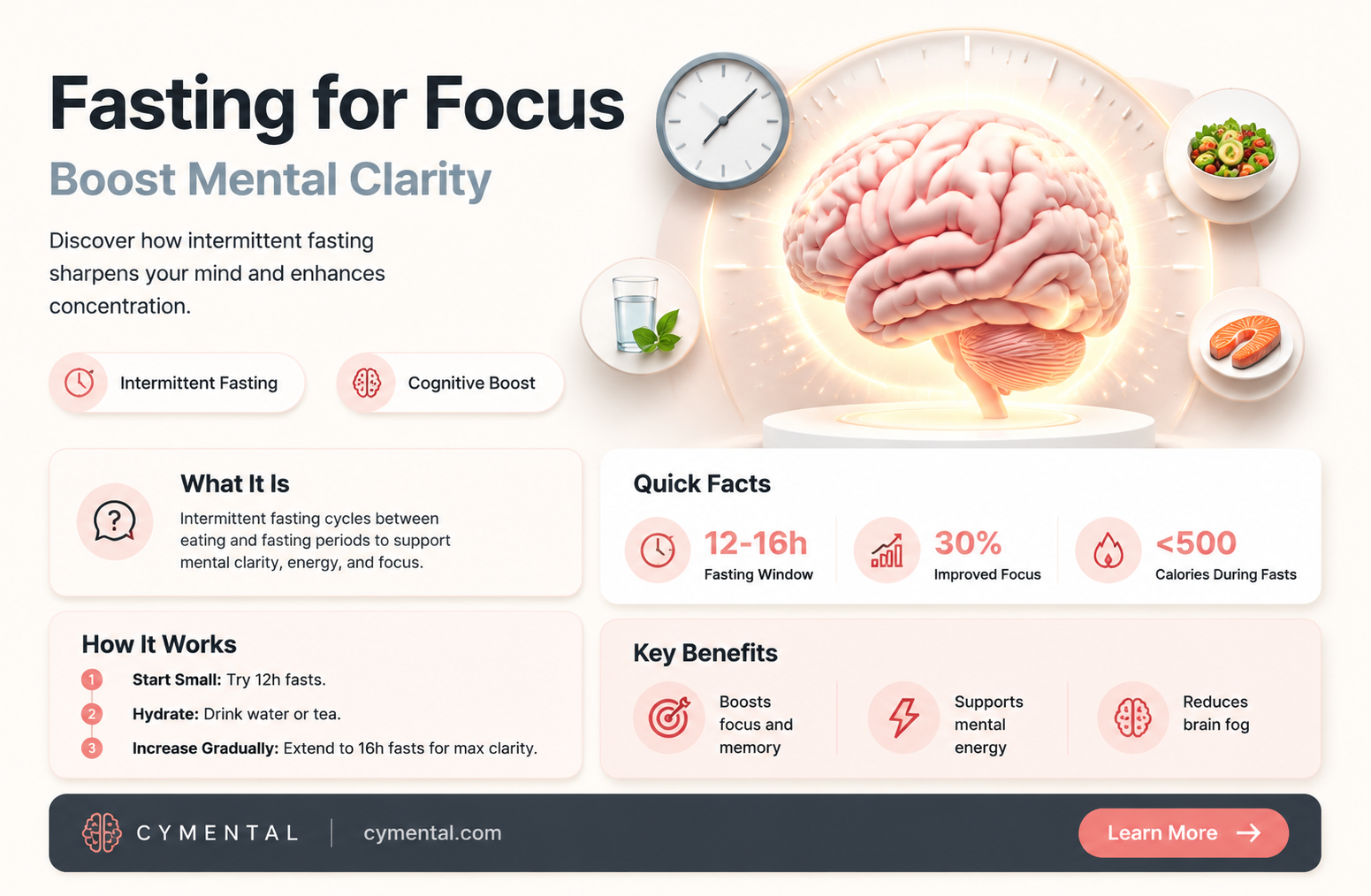
Fasting, the practice of abstaining from food and sometimes beverages for a set period, has long been associated with physical health benefits, but its impact on mental clarity is a topic of growing interest. Advocates suggest that fasting can enhance cognitive function by reducing inflammation, promoting neuroplasticity, and increasing the production of brain-derived neurotrophic factor (BDNF), a protein linked to improved memory and learning. Additionally, fasting may induce a state of ketosis, where the brain uses ketones as an alternative energy source, potentially leading to heightened focus and mental sharpness. However, skeptics argue that the initial stages of fasting can cause fatigue, irritability, and difficulty concentrating, raising questions about its overall effectiveness for mental clarity. As research continues to explore this connection, understanding the balance between potential benefits and challenges remains crucial for those considering fasting as a means to improve cognitive performance.
| Characteristics | Values |
|---|---|
| Improved Focus | Fasting may enhance cognitive function by increasing levels of brain-derived neurotrophic factor (BDNF), which supports neuron growth and connectivity, potentially improving concentration. |
| Neuroplasticity | Intermittent fasting has been linked to increased neuroplasticity, the brain's ability to adapt and reorganize, which may contribute to better mental clarity and learning. |
| Reduced Brain Fog | Some individuals report reduced brain fog and improved mental sharpness during fasting periods, possibly due to stabilized blood sugar levels and reduced inflammation. |
| Stress Resistance | Fasting can activate the body's stress response pathways, leading to increased resilience to mental stressors and improved clarity under pressure. |
| Ketone Production | During fasting, the body produces ketones as an alternative energy source for the brain, which may enhance cognitive function and mental clarity. |
| Inflammation Reduction | Fasting reduces systemic inflammation, which is often associated with cognitive decline, thereby potentially improving mental clarity. |
| Mood Regulation | Some studies suggest fasting may positively impact mood by regulating neurotransmitters like serotonin and dopamine, indirectly supporting mental clarity. |
| Autophagy | Fasting triggers autophagy, a cellular cleaning process that removes damaged components in brain cells, potentially improving overall brain health and clarity. |
| Limitations and Variability | Effects on mental clarity vary among individuals. Factors like duration of fasting, overall health, and pre-existing conditions can influence outcomes. Prolonged fasting may lead to cognitive fatigue. |
| Scientific Evidence | While anecdotal evidence is strong, scientific research is still emerging. Some studies support cognitive benefits, but more long-term research is needed for conclusive evidence. |
Explore related products


What You'll Learn
- Fasting's impact on brain function and cognitive performance
- Role of ketosis in enhancing mental focus during fasting
- Effects of fasting on stress reduction and mood stability
- Neuroplasticity and fasting: promoting brain adaptability and clarity
- Fasting's influence on reducing brain fog and improving concentration

Fasting's impact on brain function and cognitive performance
Fasting triggers a metabolic shift in the body, transitioning from glucose-based energy to ketone production, a process known as ketosis. This shift has profound implications for brain function. Unlike glucose, ketones provide a more stable and efficient energy source for the brain, reducing oxidative stress and inflammation. Studies suggest that this metabolic change can enhance neuronal resilience, potentially improving cognitive performance, particularly in tasks requiring sustained attention and mental clarity. For instance, a 2019 study published in *Frontiers in Aging Neuroscience* found that ketone bodies, produced during fasting, may protect against age-related cognitive decline by promoting neuroplasticity and reducing neuroinflammation.
To harness these benefits, consider incorporating intermittent fasting into your routine, starting with a 16:8 protocol (16 hours of fasting, 8 hours of eating). Gradually extend fasting periods to 24 hours once or twice a week, ensuring adequate hydration and electrolyte balance. For older adults (ages 50+), shorter fasting windows (12-14 hours) may be more manageable and still yield cognitive benefits. Pair fasting with a nutrient-dense diet rich in omega-3 fatty acids, antioxidants, and vitamins B and D to support brain health. Avoid fasting if you have a history of eating disorders or are pregnant, and consult a healthcare provider before starting any fasting regimen.
A comparative analysis of fasting versus continuous calorie restriction reveals distinct advantages for brain function. While both methods reduce overall calorie intake, fasting uniquely stimulates autophagy, a cellular "clean-up" process that removes damaged proteins and organelles. This mechanism is particularly beneficial for the brain, as it helps clear neurotoxic waste, such as beta-amyloid plaques, which are associated with Alzheimer’s disease. A 2020 study in *Cell Metabolism* demonstrated that intermittent fasting enhanced autophagy in the brain more effectively than daily calorie restriction, suggesting that the timing of food intake, not just the amount, plays a critical role in cognitive health.
Practical tips for optimizing fasting’s impact on mental clarity include maintaining a consistent sleep schedule, as sleep deprivation can counteract cognitive benefits. Incorporate brain-training activities like meditation, puzzles, or learning a new skill during fasting periods to maximize neuroplasticity. Stay hydrated and consider supplementing with magnesium and zinc, which support brain function and can be depleted during prolonged fasting. Finally, monitor your body’s response—if you experience dizziness, confusion, or irritability, shorten your fasting window or break the fast with a balanced meal.
In conclusion, fasting’s impact on brain function and cognitive performance is multifaceted, driven by metabolic adaptations, enhanced autophagy, and reduced inflammation. By adopting a structured fasting approach tailored to individual needs and combining it with supportive lifestyle habits, one can potentially achieve sustained mental clarity and protect against cognitive decline. However, fasting is not a one-size-fits-all solution, and its effectiveness depends on factors like age, health status, and adherence to complementary practices. Always prioritize safety and consult a professional to design a fasting plan that aligns with your cognitive and overall health goals.
Exercise and Mental Health: Unlocking the Mind-Body Connection for Wellness
You may want to see also
Explore related products


Role of ketosis in enhancing mental focus during fasting
Ketosis, a metabolic state triggered during prolonged fasting, shifts the body’s primary fuel source from glucose to ketones. This transition occurs when glycogen stores are depleted, typically after 12–16 hours of fasting, prompting the liver to convert fatty acids into ketone bodies. Among these, beta-hydroxybutyrate (BHB) becomes a critical energy source for the brain. Unlike glucose, which can fluctuate and lead to energy crashes, ketones provide a steady, efficient fuel supply. This stability is foundational to the enhanced mental focus often reported during fasting, as the brain operates optimally without the spikes and dips associated with glucose metabolism.
From a neurological perspective, ketones offer unique advantages for cognitive function. Studies suggest that BHB not only fuels neurons but also acts as a signaling molecule, promoting neuroplasticity and reducing oxidative stress. For instance, research published in *Neurochemistry International* highlights that ketones increase the production of brain-derived neurotrophic factor (BDNF), a protein essential for synaptic health and cognitive resilience. Practically, this translates to improved concentration, clarity, and mental stamina, particularly in individuals aged 25–50 who engage in intermittent fasting or prolonged fasting protocols lasting 24–48 hours.
To harness ketosis for mental focus, specific fasting strategies can be employed. A 16:8 intermittent fasting schedule (16 hours fasting, 8 hours eating) is a beginner-friendly approach, while extended fasts of 36–48 hours maximize ketone production. During fasting, staying hydrated and maintaining electrolyte balance (sodium, potassium, magnesium) is crucial to avoid "keto flu" symptoms like headaches or fatigue, which can counteract cognitive benefits. Incorporating low-carb, high-fat meals during eating windows can accelerate ketone production, though this is optional for those prioritizing fasting purity.
However, ketosis isn’t a one-size-fits-all solution. Individuals with certain medical conditions, such as type 1 diabetes or pancreatic disorders, should avoid prolonged fasting due to risks of ketoacidosis. Pregnant or breastfeeding women, as well as those under 18 or over 65, should consult healthcare providers before attempting extended fasts. Additionally, while ketosis enhances focus for many, some may experience temporary brain fog during the transition period, typically resolving within 3–5 days as the brain adapts to using ketones.
In conclusion, ketosis plays a pivotal role in enhancing mental focus during fasting by providing a stable, neuroprotective energy source. By understanding the mechanisms, adopting practical fasting strategies, and acknowledging individual limitations, one can optimize cognitive benefits while minimizing risks. For those seeking sustained mental clarity, ketosis offers a scientifically grounded pathway, though patience and personalization are key to success.
Can Psychiatrists Effectively Address and Resolve My Mental Health Issues?
You may want to see also
Explore related products


Effects of fasting on stress reduction and mood stability
Fasting, when approached mindfully, can act as a catalyst for stress reduction and mood stabilization. The practice triggers a cascade of physiological responses, including the release of endorphins, often referred to as "feel-good" hormones. These chemicals not only alleviate pain but also foster a sense of well-being, counteracting the effects of stress. For instance, intermittent fasting, which involves cycling between periods of eating and fasting, has been shown to reduce levels of cortisol, the body's primary stress hormone. A study published in the *Journal of Nutritional Biochemistry* found that participants who engaged in a 16:8 fasting regimen (16 hours of fasting and 8 hours of eating) experienced a significant decrease in cortisol levels compared to those who followed a standard eating schedule.
To harness these benefits, consider starting with a gentle fasting protocol. Begin with a 12-hour fast overnight, gradually extending the duration as your body adapts. For those new to fasting, it’s crucial to stay hydrated and listen to your body’s signals. Incorporating stress-reduction techniques such as meditation or deep breathing during fasting periods can amplify the calming effects. However, individuals with pre-existing medical conditions, such as diabetes or hypoglycemia, should consult a healthcare professional before attempting any fasting regimen.
A comparative analysis reveals that fasting’s impact on mood stability is closely tied to its influence on brain chemistry. During fasting, the body increases the production of brain-derived neurotrophic factor (BDNF), a protein that promotes the growth and survival of neurons. Low levels of BDNF have been linked to depression and anxiety, suggesting that fasting could serve as a natural mood enhancer. For example, a study in the *International Journal of Environmental Research and Public Health* highlighted that participants who fasted regularly reported lower levels of anxiety and improved emotional well-being. This effect is particularly pronounced in individuals aged 25–45, a demographic often grappling with high-stress lifestyles.
Practical tips for integrating fasting into your routine include planning fasting periods around your daily schedule to minimize disruption. Avoid fasting during high-stress times, such as exams or work deadlines, as this could exacerbate anxiety. Instead, opt for calmer periods when you can focus on self-care. Additionally, maintaining a balanced diet during eating windows is essential to ensure your body receives adequate nutrients, which further supports mood stability.
In conclusion, fasting offers a dual benefit: it reduces stress by modulating cortisol levels and enhances mood stability through increased BDNF production. While the practice is not a one-size-fits-all solution, its potential to improve mental clarity and emotional resilience is supported by both scientific research and anecdotal evidence. By starting slowly, staying hydrated, and combining fasting with other stress-reduction techniques, individuals can unlock these benefits while minimizing risks. Always prioritize your body’s needs and seek professional guidance when necessary to ensure a safe and effective fasting experience.
Mental Health Courts: Reducing Recidivism Through Supportive Justice Approaches
You may want to see also
Explore related products


Neuroplasticity and fasting: promoting brain adaptability and clarity
Fasting triggers a cascade of metabolic changes, one of which is the production of Brain-Derived Neurotrophic Factor (BDNF), a protein crucial for neuroplasticity. BDNF acts like fertilizer for neurons, promoting their growth, survival, and connectivity. Studies show that intermittent fasting can increase BDNF levels by up to 50-400%, depending on the fasting duration and individual factors. This surge in BDNF fosters the brain's ability to rewire itself, enhancing learning, memory, and adaptability to new challenges.
Imagine your brain as a garden. Fasting acts as a pruning shears, removing weak or unnecessary connections (synapses) while stimulating the growth of new, stronger ones. This process, known as synaptic plasticity, is essential for learning new skills, adapting to change, and maintaining cognitive sharpness as we age.
While the potential benefits are compelling, it's crucial to approach fasting with caution. Prolonged or extreme fasting can lead to nutrient deficiencies and stress, potentially harming brain function. Aim for shorter fasting windows (16-24 hours) 1-2 times per week, gradually increasing duration as tolerated. Prioritize nutrient-dense foods during feeding windows, focusing on healthy fats, complex carbohydrates, and lean protein. Individuals with pre-existing medical conditions or those under 18 should consult a healthcare professional before attempting any fasting regimen.
Remember, fasting is a tool, not a magic bullet. Combine it with other brain-boosting habits like regular exercise, quality sleep, and mental stimulation for optimal cognitive health and clarity.
Amy Bouzaglo's Mental Health Journey: Did She Seek Professional Help?
You may want to see also
Explore related products





Fasting's influence on reducing brain fog and improving concentration
Fasting, when done strategically, can act as a reset button for cognitive function, particularly in reducing brain fog and enhancing concentration. Brain fog, characterized by confusion, forgetfulness, and difficulty focusing, often stems from inflammation, insulin resistance, or oxidative stress. Intermittent fasting, for instance, triggers autophagy—the body’s process of removing damaged cells—which extends to the brain, clearing out toxins and promoting neural efficiency. Studies suggest that fasting periods of 16–24 hours can elevate ketone production, an alternative energy source for the brain that stabilizes mental clarity. For those experiencing mid-afternoon mental sluggishness, a 16:8 fasting window (16 hours fasting, 8 hours eating) may provide noticeable improvements in focus within 2–3 weeks.
To harness fasting’s cognitive benefits, consider it a tool rather than a cure-all. Start with shorter fasting periods, such as 12–14 hours, and gradually extend to 16–18 hours as your body adapts. Hydration is critical during fasting, as dehydration can exacerbate brain fog. Incorporate electrolytes like magnesium and sodium to maintain cognitive function. Pair fasting with a nutrient-dense diet rich in omega-3 fatty acids, antioxidants, and healthy fats to support brain health. Avoid overeating during feeding windows, as insulin spikes can counteract fasting’s benefits. For individuals over 40 or those with pre-existing health conditions, consult a healthcare provider to tailor fasting protocols to your needs.
A comparative analysis reveals that fasting’s impact on concentration rivals that of caffeine, without the jittery side effects. While caffeine provides a short-term boost by blocking adenosine receptors, fasting promotes sustained mental clarity by optimizing brain metabolism. Unlike caffeine, which can disrupt sleep if consumed late in the day, fasting aligns with the body’s natural circadian rhythm, enhancing both daytime focus and nighttime rest. For students or professionals seeking prolonged concentration, combining fasting with strategic caffeine intake (e.g., a cup of black coffee during the fasting window) can amplify cognitive benefits without overstimulation.
Practical tips for maximizing fasting’s brain-boosting potential include timing fasting periods to align with work or study demands. For example, starting a fast in the evening and breaking it mid-morning can provide peak mental clarity during the most productive hours. Incorporate mindfulness practices like meditation or deep breathing during fasting periods to enhance focus further. Keep a journal to track cognitive changes, noting improvements in memory, problem-solving, or creativity. For those new to fasting, begin with a 12-hour overnight fast and gradually progress to longer durations. Remember, consistency is key—regular fasting yields more significant cognitive benefits than sporadic attempts.
Exercise and Mental Health: Unlocking the Mind-Body Connection for Wellness
You may want to see also
Frequently asked questions
Fasting can improve mental clarity for some individuals by reducing inflammation, stabilizing blood sugar levels, and promoting the production of brain-derived neurotrophic factor (BDNF), which supports brain health.
The time varies, but many people report feeling increased mental clarity within 12–24 hours of fasting, as the body transitions into ketosis and begins using ketones for energy.
Yes, fasting can temporarily impair mental clarity in some individuals, especially during the initial adjustment period, due to low blood sugar, dehydration, or electrolyte imbalances.
Intermittent fasting (e.g., 16:8 or 5:2) is commonly recommended for mental clarity, as it balances periods of eating and fasting without prolonged deprivation, allowing the brain to adapt gradually.