Ava Ramirez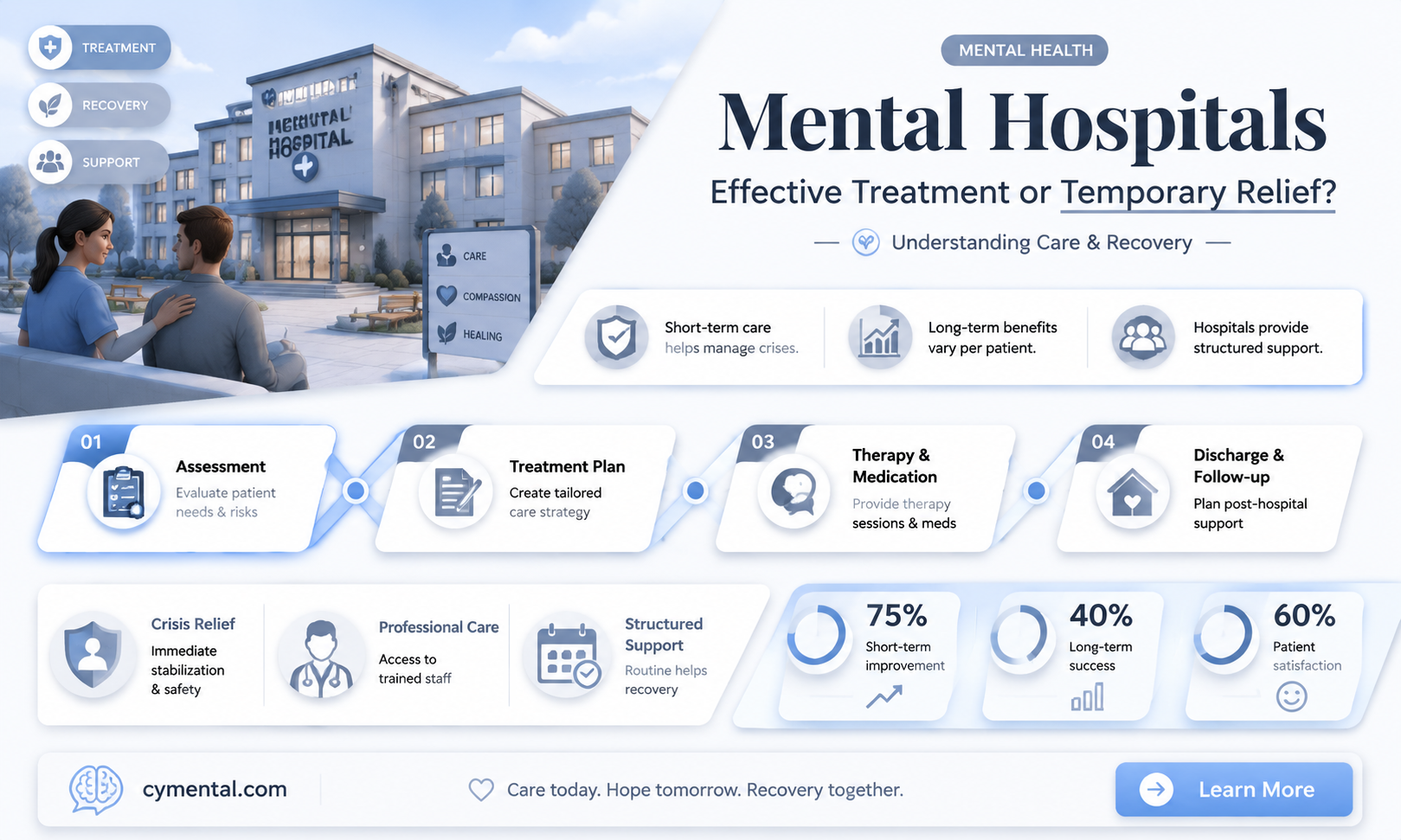
The question of whether going to a mental hospital helps is a critical one, as it touches on the effectiveness of inpatient psychiatric care in addressing severe mental health issues. Mental hospitals, also known as psychiatric hospitals, are specialized facilities designed to provide intensive treatment for individuals experiencing acute mental health crises, such as severe depression, psychosis, or suicidal ideation. Proponents argue that these institutions offer a structured environment with 24/7 access to mental health professionals, medication management, and therapeutic interventions, which can stabilize patients and prevent harm. However, critics highlight concerns about potential stigma, the loss of personal freedom, and the variability in the quality of care provided. Ultimately, the effectiveness of a mental hospital stay depends on individual needs, the severity of the condition, and the resources available within the facility, making it a complex and deeply personal decision.
| Characteristics | Values |
|---|---|
| Effectiveness | Studies show inpatient psychiatric treatment can be effective for stabilizing acute symptoms, especially for severe mental health crises like suicidality, psychosis, or severe depression. |
| Length of Stay | Average length of stay varies, but typically ranges from 5-14 days, depending on individual needs and insurance coverage. |
| Treatment Modalities | Individual therapy, group therapy, medication management, psychoeducation, and crisis intervention are common components. |
| Success Rates | Success is measured by symptom reduction, improved functioning, and reduced risk of harm. Studies show varying success rates, with some reporting significant improvement for many patients. |
| Potential Benefits | Safe and supportive environment, intensive treatment, access to specialized care, crisis stabilization, and medication adjustments. |
| Potential Drawbacks | Stigma associated with hospitalization, loss of freedom, potential for trauma, and cost. |
| Alternatives | Outpatient therapy, intensive outpatient programs (IOPs), partial hospitalization programs (PHPs), and crisis hotlines can be effective alternatives depending on severity. |
| Individual Factors | Success depends on individual needs, diagnosis, support system, and willingness to engage in treatment. |
| Long-Term Outcomes | Research suggests inpatient treatment can lead to improved long-term outcomes for some individuals, but ongoing outpatient care is crucial for sustained recovery. |
Explore related products


What You'll Learn
- Admission Criteria: Understanding who benefits most from inpatient psychiatric care
- Treatment Methods: Exploring therapies and programs offered in mental hospitals
- Short-Term vs. Long-Term: Comparing immediate relief and lasting recovery outcomes
- Stigma Impact: How societal perceptions affect willingness to seek help
- Aftercare Support: Importance of post-discharge resources for sustained mental health

Admission Criteria: Understanding who benefits most from inpatient psychiatric care
Inpatient psychiatric care is not a one-size-fits-all solution, and understanding the admission criteria is crucial for determining who stands to benefit most from this intensive level of treatment. While mental health crises can affect anyone, certain individuals are more likely to experience significant improvements in a hospital setting. For instance, those with severe, persistent symptoms that impair daily functioning—such as suicidal ideation, psychosis, or severe depression—often require the structured, 24-hour support that only inpatient care can provide. These individuals may have already tried outpatient therapies or medication management without sufficient progress, making hospitalization a necessary next step.
Consider the case of a 28-year-old with treatment-resistant schizophrenia who has been unable to maintain employment or manage daily tasks due to persistent hallucinations and paranoia. Inpatient care offers this individual a controlled environment where medication adjustments can be closely monitored, and therapeutic interventions like cognitive-behavioral therapy (CBT) can be administered intensively. Similarly, a teenager experiencing a first-episode psychosis may benefit from early intervention in a hospital setting, where family education and psychoeducation can be integrated into the treatment plan. Research shows that early, aggressive treatment during critical periods can significantly improve long-term outcomes for such conditions.
However, not everyone with a mental health condition requires hospitalization. Admission criteria typically exclude individuals whose symptoms are mild or well-managed through outpatient care. For example, someone with generalized anxiety disorder who is responding to a combination of SSRIs (e.g., 20 mg of fluoxetine daily) and weekly therapy sessions may not need inpatient treatment. Hospitals prioritize those at immediate risk of harm to themselves or others, such as individuals with active suicidal plans or those exhibiting violent behavior due to severe mania or psychosis. Age and developmental factors also play a role; adolescents and older adults may require specialized units tailored to their unique needs, such as geriatric psychiatry wards or adolescent programs with family involvement.
A persuasive argument for inpatient care lies in its ability to stabilize acute crises and provide a foundation for long-term recovery. For individuals with co-occurring disorders, such as substance abuse and bipolar disorder, hospitalization offers a dual-diagnosis approach that addresses both issues simultaneously. Detoxification under medical supervision, combined with mood stabilizers like lithium (typically 900–1200 mg/day) and psychotherapy, can break the cycle of self-medication and emotional dysregulation. Practical tips for families include advocating for a comprehensive assessment during admission, ensuring the treatment team understands the patient’s history, and participating in discharge planning to facilitate a smooth transition to outpatient care.
Ultimately, the decision to pursue inpatient psychiatric care should be guided by a thorough evaluation of the individual’s needs and risks. While hospitalization is not always the first or only option, it remains a vital resource for those whose conditions demand immediate, intensive intervention. By understanding the admission criteria and recognizing the populations most likely to benefit, patients and their support systems can make informed decisions that maximize the potential for recovery and stability.
Supporting Your Wife: Navigating Mental Health Conversations and Care Options
You may want to see also
Explore related products

$20.49 $36.99


Treatment Methods: Exploring therapies and programs offered in mental hospitals
Mental hospitals, often referred to as psychiatric hospitals, offer a range of specialized treatment methods designed to address severe or complex mental health conditions. These facilities serve as intensive care units for the mind, providing structured environments where therapies and programs are tailored to individual needs. Unlike outpatient settings, inpatient care allows for round-the-clock monitoring, medication management, and immersive therapeutic interventions. This section delves into the specific therapies and programs offered, highlighting their unique benefits and how they contribute to recovery.
One cornerstone of treatment in mental hospitals is pharmacotherapy, the use of medications to stabilize symptoms. For instance, antipsychotics like olanzapine (5–20 mg/day) or quetiapine (150–750 mg/day) are commonly prescribed for schizophrenia, while selective serotonin reuptake inhibitors (SSRIs) such as fluoxetine (20–60 mg/day) are used for depression and anxiety disorders. Medication regimens are closely monitored, with dosages adjusted based on patient response and side effects. This precision is a key advantage of inpatient care, as it ensures optimal therapeutic outcomes while minimizing risks.
Beyond medication, psychotherapy plays a pivotal role in mental hospital treatment plans. Cognitive Behavioral Therapy (CBT) is widely employed to help patients identify and change negative thought patterns. For example, a patient with severe anxiety might undergo 12–16 CBT sessions, each lasting 45–60 minutes, focusing on exposure techniques to reduce fear responses. Similarly, Dialectical Behavior Therapy (DBT) is often used for borderline personality disorder, teaching skills like emotional regulation and distress tolerance through group and individual sessions. These therapies are structured yet adaptable, catering to the acute needs of hospitalized patients.
Group therapy and psychoeducation are additional pillars of inpatient care. Group sessions foster a sense of community and provide a safe space for patients to share experiences and learn coping strategies. For instance, a daily 90-minute group might focus on anger management, using role-playing exercises to practice de-escalation techniques. Psychoeducation programs, meanwhile, empower patients with knowledge about their conditions. A typical program might include weekly 2-hour sessions covering topics like the neurobiology of depression or the mechanics of bipolar disorder, equipping patients with tools to manage their symptoms long-term.
Finally, holistic and experiential therapies are increasingly integrated into mental hospital programs. Art therapy, for example, allows patients to express emotions nonverbally, while mindfulness-based stress reduction (MBSR) teaches meditation techniques to cultivate present-moment awareness. Physical activities like yoga or tai chi are also offered, promoting both mental and physical well-being. These approaches complement traditional treatments, addressing the mind-body connection and enhancing overall recovery.
In summary, mental hospitals provide a multifaceted treatment approach that combines evidence-based therapies, medication management, and holistic interventions. While the intensity of inpatient care may not be suitable for everyone, it offers a structured, immersive environment that can be transformative for those with severe or treatment-resistant conditions. By addressing both symptoms and underlying causes, these programs aim to stabilize patients, equip them with coping skills, and prepare them for successful reintegration into daily life.
Fasting for Focus: Enhancing Mental Clarity Through Intermittent Fasting
You may want to see also
Explore related products


Short-Term vs. Long-Term: Comparing immediate relief and lasting recovery outcomes
The decision to seek inpatient psychiatric care often hinges on a critical distinction: the need for immediate stabilization versus the pursuit of long-term recovery. Short-term hospitalization excels in crisis management, offering a structured environment where medication adjustments, intensive therapy, and 24/7 monitoring can rapidly de-escalate acute symptoms like suicidal ideation, severe mania, or psychotic episodes. For instance, a study in the *Journal of Clinical Psychiatry* found that 70% of patients hospitalized for suicidal ideation experienced significant symptom reduction within 7 days, primarily due to the combination of pharmacotherapy and constant supervision. This immediate relief is lifesaving, providing a crucial pause button during moments of overwhelming distress.
However, the short-term focus on stabilization often overlooks the complexities of lasting recovery. Long-term outcomes require addressing the root causes of mental illness, such as trauma, maladaptive coping mechanisms, or chronic stressors. Inpatient stays rarely exceed 7–14 days, leaving insufficient time to develop the skills needed for sustained wellness. For example, a patient hospitalized for severe depression might leave with stabilized mood but without the cognitive-behavioral tools to prevent relapse. This gap highlights the necessity of integrating inpatient care with outpatient therapy, medication management, and community support systems, as recommended by the National Alliance on Mental Illness (NAMI).
A persuasive argument for long-term recovery lies in its preventative nature. While short-term hospitalization treats the symptom flare, long-term strategies—like dialectical behavior therapy (DBT) or prolonged exposure therapy—target the underlying pathology. Consider a 28-year-old with borderline personality disorder: a short hospital stay might halt self-harm behaviors temporarily, but DBT, typically administered over 6–12 months, equips them with emotional regulation skills to manage future crises. Research in *Psychiatric Services* shows that patients engaged in long-term treatment plans have a 40% lower readmission rate compared to those relying solely on acute care.
Practical implementation of this dual approach requires careful coordination. For adolescents, family therapy during and after hospitalization can bridge the short-term stabilization with long-term relational healing. For adults, discharge planning should include referrals to partial hospitalization programs (PHPs) or intensive outpatient programs (IOPs), which offer structured care without full hospitalization. A cautionary note: over-reliance on short-term fixes can lead to a "revolving door" phenomenon, where patients cycle in and out of hospitals without meaningful progress. Conversely, neglecting acute care in favor of long-term strategies risks leaving individuals vulnerable during crises.
In conclusion, the dichotomy of short-term relief versus long-term recovery is not a choice but a continuum. Effective mental health care demands both: immediate intervention to ensure safety and sustained efforts to rebuild resilience. By understanding this balance, patients and providers can craft treatment plans that address the urgency of today while laying the groundwork for a healthier tomorrow.
Exploring Cannabis Oil's Potential in Mental Health Treatment: What We Know
You may want to see also
Explore related products


Stigma Impact: How societal perceptions affect willingness to seek help
The stigma surrounding mental health treatment often manifests as a silent barrier, deterring individuals from seeking the help they need. Consider this: a 2021 study published in *Psychiatric Services* found that 40% of respondents avoided mental health care due to fear of being labeled as "weak" or "unstable." This societal judgment doesn’t just linger in abstract conversations; it translates into tangible consequences, such as delayed treatment, worsening symptoms, and increased isolation. For instance, someone experiencing severe depression might forgo hospitalization because they fear their employer or family will view them as unreliable, even though inpatient care could provide life-saving stabilization.
To dismantle this stigma, start by reframing the narrative around mental health care. Instead of viewing hospitalization as a last resort for "extreme cases," position it as a proactive step toward recovery, akin to seeking surgery for a physical injury. Practical steps include sharing personal stories of successful treatment, as narratives humanize the experience and challenge stereotypes. For example, public figures like Demi Lovato have openly discussed their time in mental health facilities, normalizing the process for others. Additionally, educate yourself and others on the facts: mental hospitals are not punitive institutions but therapeutic environments offering structured therapy, medication management, and peer support.
Contrast the perceived risks of stigma with the proven benefits of inpatient care. A 2019 meta-analysis in *JAMA Psychiatry* revealed that individuals who received inpatient treatment for conditions like bipolar disorder or schizophrenia experienced a 30% reduction in symptom severity within six months. Compare this to the potential long-term harm of untreated mental illness, such as job loss, strained relationships, or even suicidal ideation. The takeaway? The temporary discomfort of facing stigma pales in comparison to the lasting gains of effective treatment.
Finally, address the stigma head-on by fostering open dialogue in your community. Organize workshops, leverage social media campaigns, or simply initiate conversations with friends and family. For parents, this might mean discussing mental health openly with children as young as 8–10, normalizing the idea that seeking help is a sign of strength, not shame. Employers can implement policies that protect employees from discrimination, such as confidential leave for mental health treatment. By collectively challenging misconceptions, we can create an environment where seeking inpatient care is not just accepted but encouraged.
Struggling Alone: Overcoming Barriers to Accessing Mental Health Support
You may want to see also
Explore related products

$21.99 $49.99


Aftercare Support: Importance of post-discharge resources for sustained mental health
Hospitalization for mental health crises can stabilize acute symptoms, but without robust aftercare, the risk of relapse remains high. Studies show that up to 40% of patients readmit within a year without structured post-discharge support. This statistic underscores a critical gap: inpatient care addresses immediate danger, but sustained recovery requires ongoing resources tailored to individual needs. Aftercare bridges the chasm between hospital and home, offering continuity that prevents patients from falling through the cracks.
Effective aftercare begins with a discharge plan crafted collaboratively between patients, clinicians, and caregivers. This plan should outline specific goals, such as medication adherence, therapy appointments, and crisis management strategies. For instance, a 25-year-old with bipolar disorder might receive a plan including weekly psychotherapy, daily mood tracking, and a list of emergency contacts. Practical tools like medication organizers or mobile apps for symptom monitoring can enhance adherence. Without such specificity, patients often struggle to navigate the transition, leading to disengagement from care.
Community-based resources are the backbone of successful aftercare. Partial hospitalization programs (PHPs) or intensive outpatient programs (IOPs) provide structured therapy and skill-building for 3–5 hours daily, 3–5 days a week. These programs offer a middle ground between inpatient care and independent living, ideal for those needing more support than weekly therapy. Peer support groups, such as those facilitated by the National Alliance on Mental Illness (NAMI), foster connection and reduce isolation. For adolescents, school reintegration plans involving counselors and teachers ensure academic and emotional support.
However, aftercare is not one-size-fits-all. A 60-year-old with depression may benefit from geriatric-specific programs addressing age-related challenges, while a young adult with schizophrenia might need vocational training to rebuild independence. Cultural sensitivity is also key; for example, incorporating family-centered approaches for patients from collectivist cultures can improve engagement. Tailoring resources to demographics, diagnoses, and personal goals maximizes their effectiveness.
Despite its importance, aftercare often falters due to systemic barriers. Insurance limitations, lack of transportation, and stigma can hinder access. Advocacy for policy changes, such as extending Medicaid coverage for transitional housing or telehealth services, is essential. Patients and families can also take proactive steps, like requesting a detailed discharge plan in writing, identifying local resources before leaving the hospital, and scheduling follow-up appointments within 7 days of discharge. Sustained recovery is not guaranteed, but with comprehensive aftercare, it becomes achievable.
Finding Support: Where to Get Mental Health Help and Resources
You may want to see also
Frequently asked questions
Yes, going to a mental hospital can be highly beneficial for individuals experiencing severe or acute mental health crises. These facilities provide intensive treatment, including therapy, medication management, and 24/7 support, which can stabilize symptoms and improve overall well-being.
The length of stay varies depending on the individual’s needs and progress. Short-term stays (a few days to a week) are common for stabilization, while longer stays (weeks or more) may be necessary for complex or chronic conditions.
Mental hospitals are bound by strict confidentiality laws to protect patient privacy. While there may be stigma surrounding mental health treatment, seeking help is a courageous step toward recovery, and many people find that the benefits outweigh any concerns about reputation.
Most people voluntarily admit themselves to mental hospitals when they recognize the need for intensive care. Involuntary admission is rare and typically reserved for situations where an individual poses an immediate danger to themselves or others.